24 October 2016

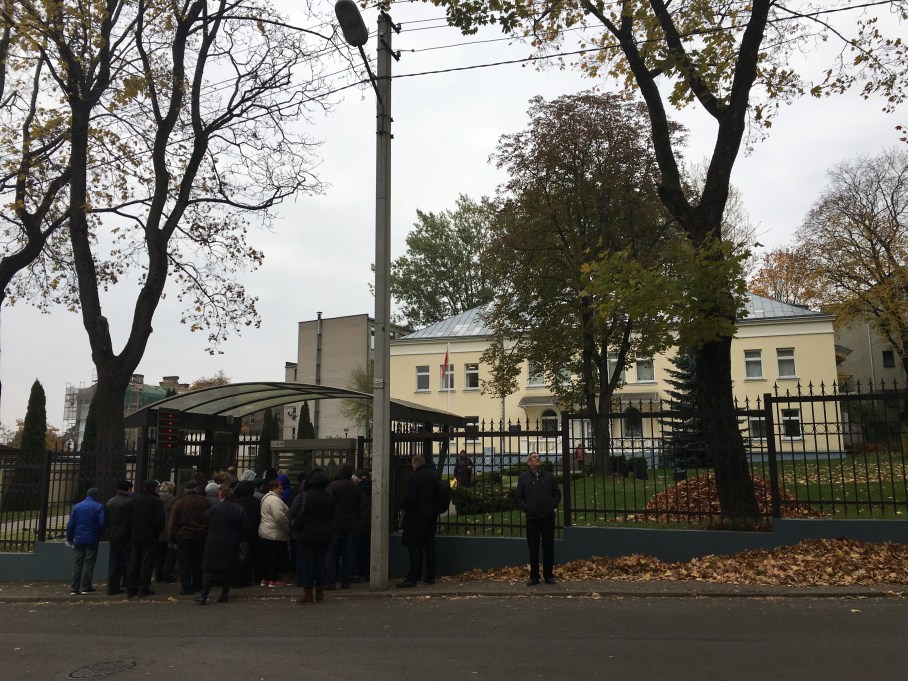
Was outside the Belarus consulate by 10:30. Stood in the freezing cold for two long hours waiting for my ticket number to show up on the screen. Thank god for NPR.

img_9072

Was in and out of the consulate within five minutes. I’d applied for a transit visa, but apparently I need a tourist visa from a tourist agency…  They directed me to one across the street. I was told to come back tomorrow.

Dad is also in the visa application process, there is really no telling if either of us will get approved. I’ve prepared multiple itineraries for his visit just in case. He is determined though, so much so that he wrote a poem: DO NOT GO TO BELARUS WITHOUT ME!

Had a coffee before class at 3:00. We learned about associative duties in regards to patriotism.

Had lunch before class at 6:30. We learned about just cause for engaging in a humanitarian intervention.

Talked to Clara and Dad on the way home. I’ve been approved to graduate this summer.

23 October 2016

Jumped rope and then blogged all day on Gediminas- has become my Sunday routine since weekend trips necessitate longer posts.

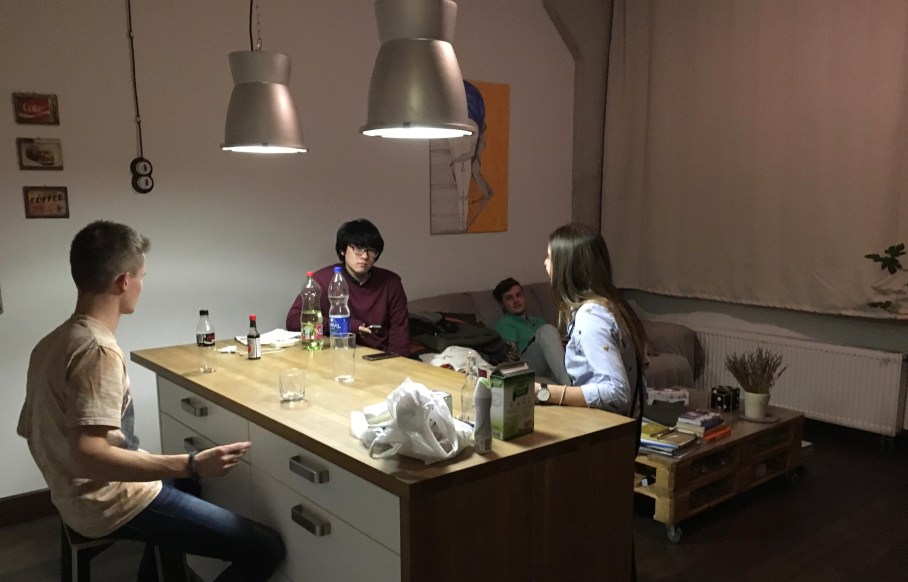
Traveled at night to meet Kristiaan’s girlfriend (Annelie) who is visiting from Holland for her fall break. They are staying in a really nice flat, it was so nice to schmooze somewhere other than a bar or the dorms. Daniel and Koki joined us.

img_9063

22 October 2016

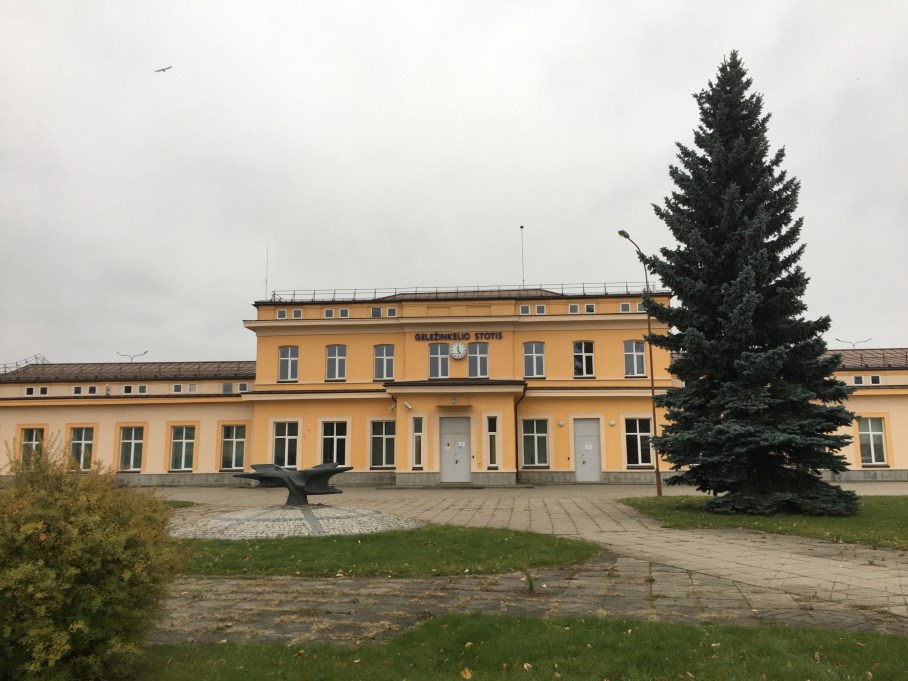
Decided I wouldn’t force it, but would travel if I woke up in time. Was at the train station by 9:30.

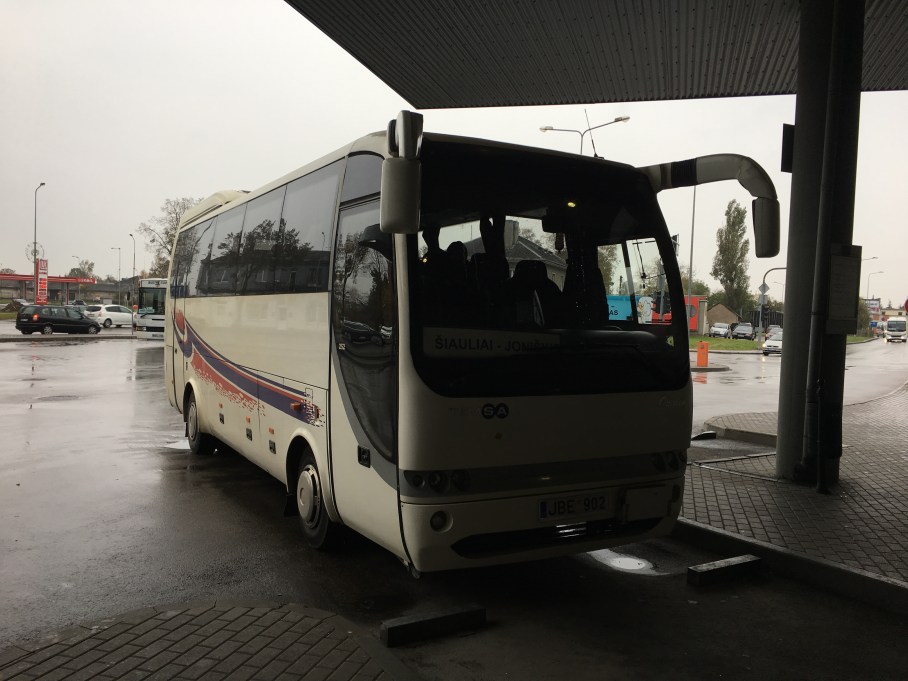
I arrived in Siauliai at noon and rushed to the bus station. Took the bus to Joniskis, got off at Domantai (fourth stop). Overheard the bus driver telling a young man that it was his stop as well. I promptly introduced myself- he was also going to the Hill of Crosses.

img_8782

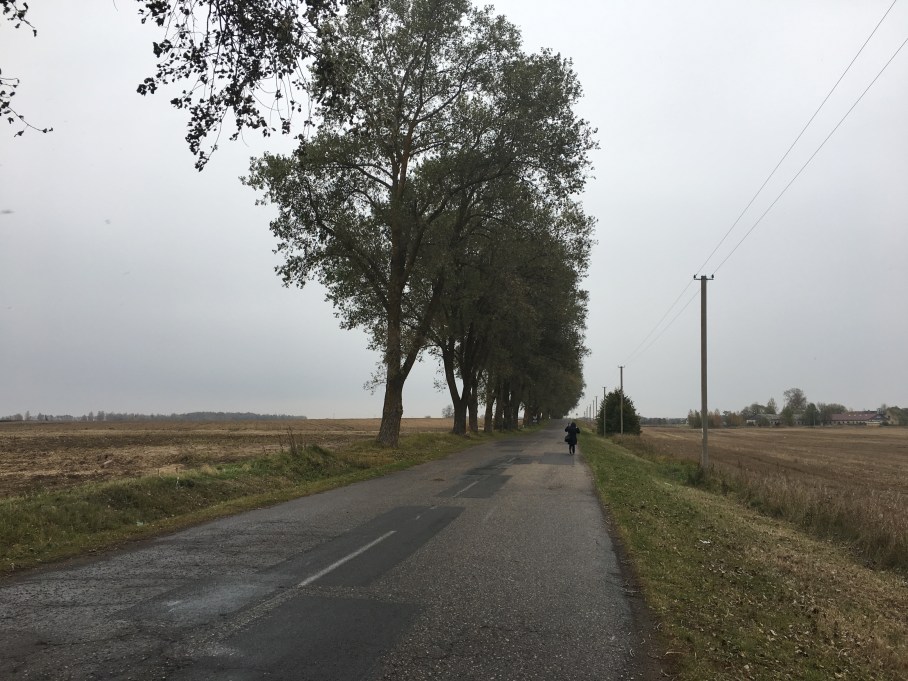
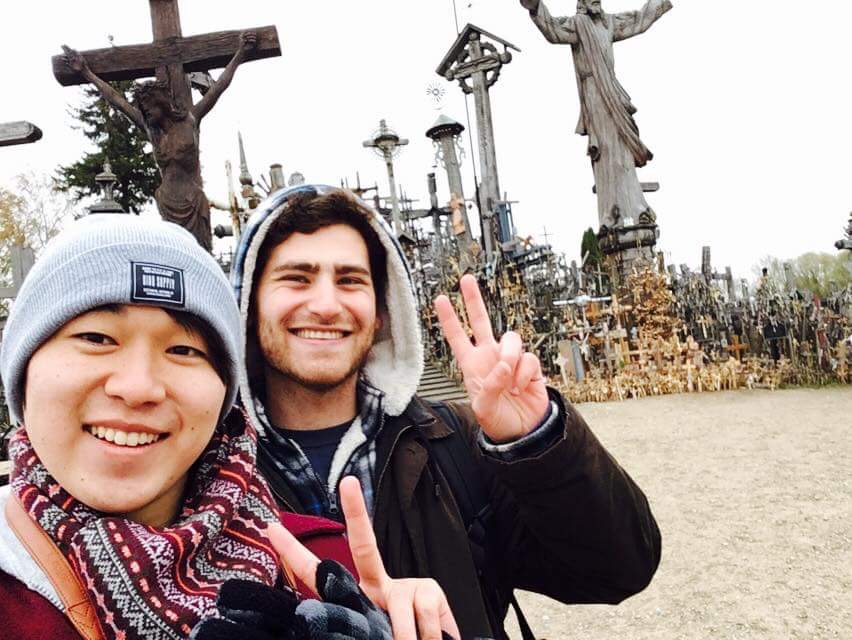
We walked the two kilometers from the bus stop to the hill in a light snow. Yuki is from Japan, but studying in Denmark for the year. He is traveling the Baltics for his autumn break.

img_8788

We started at the information center, got a sandwich from a vending machine. I met an Israeli couple there and thoroughly impressed myself with my ability to converse with them in Hebrew.

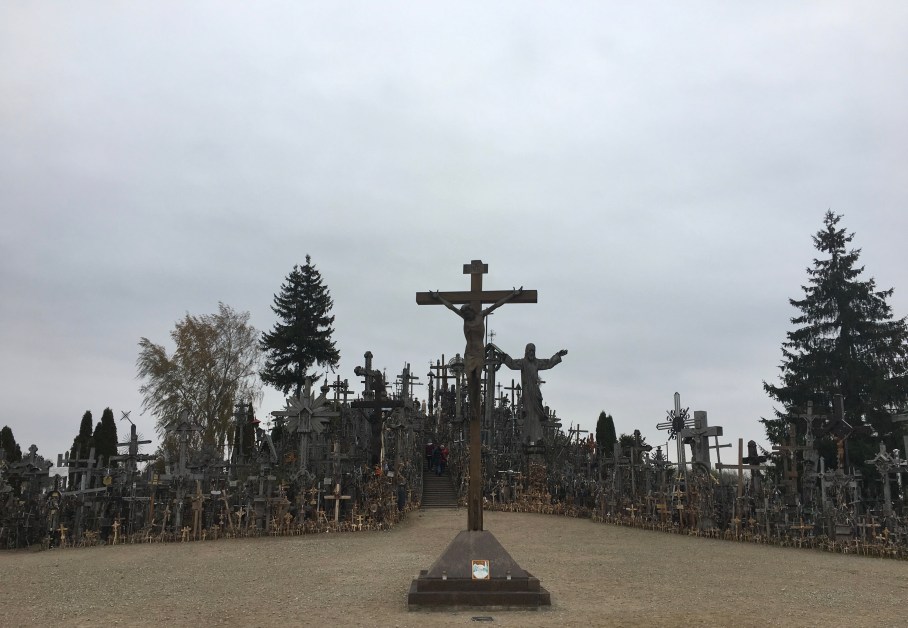
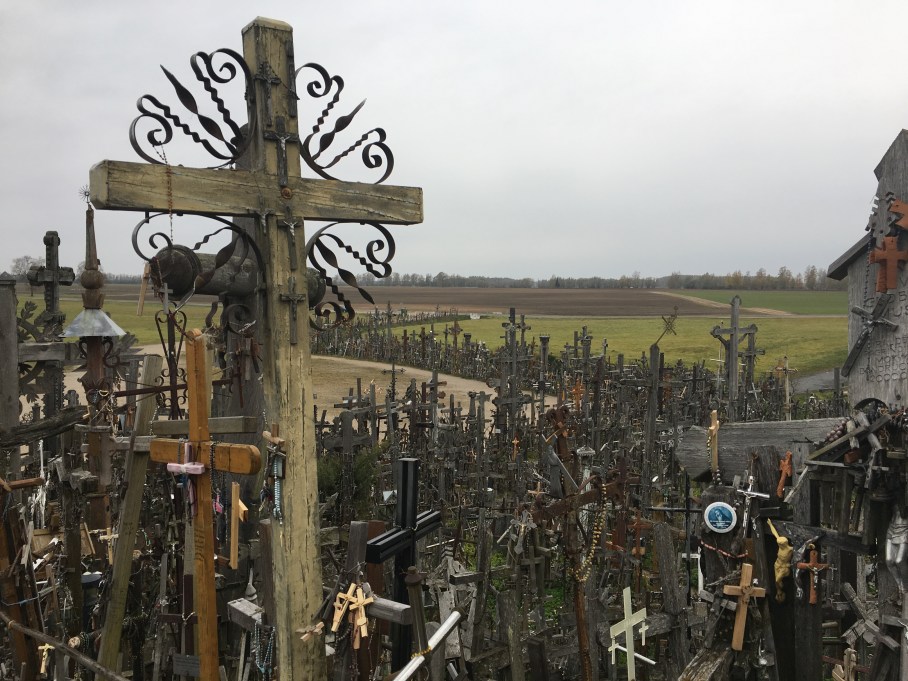
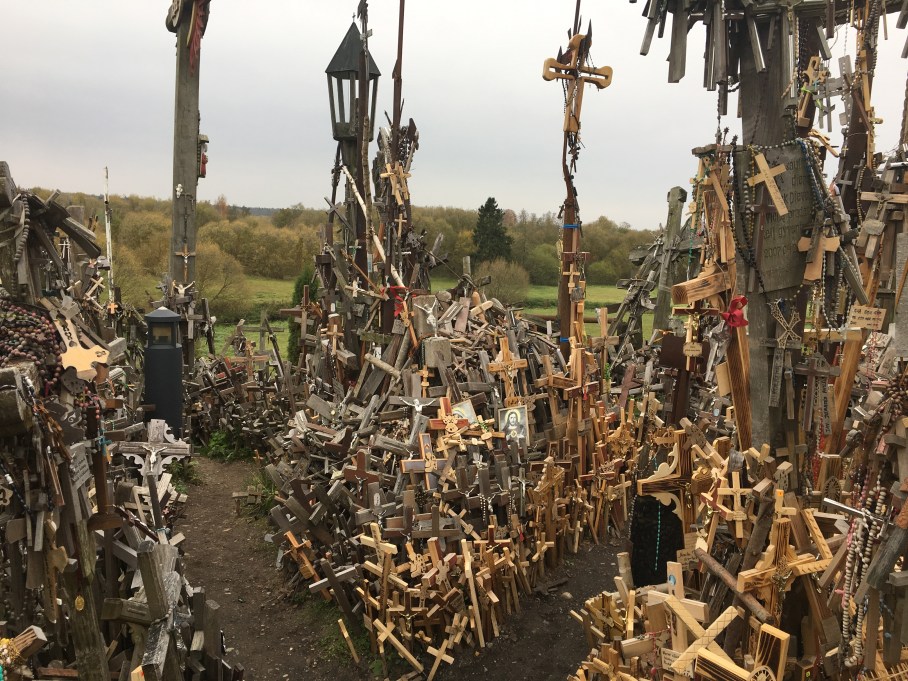
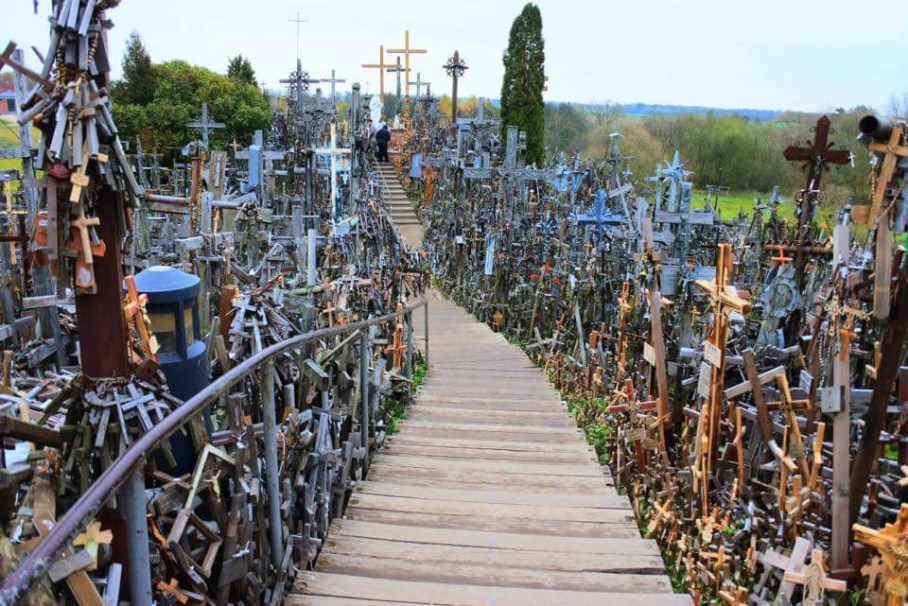
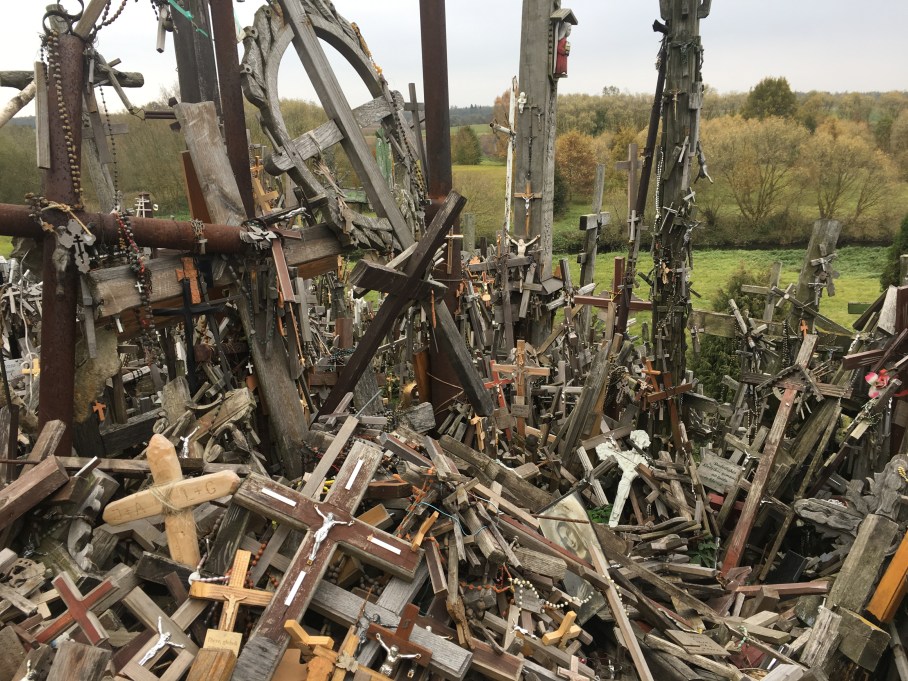
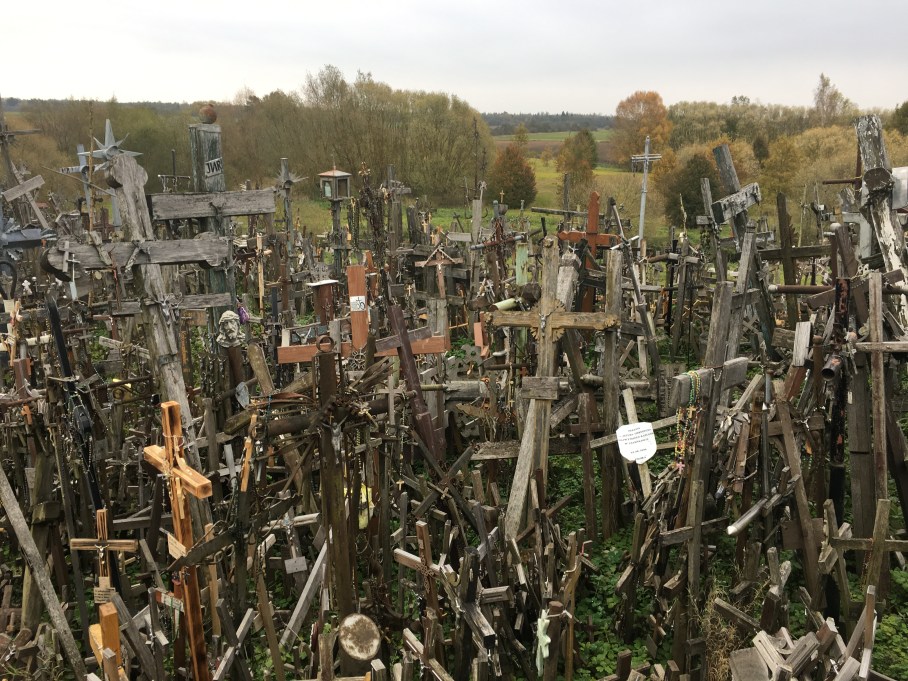
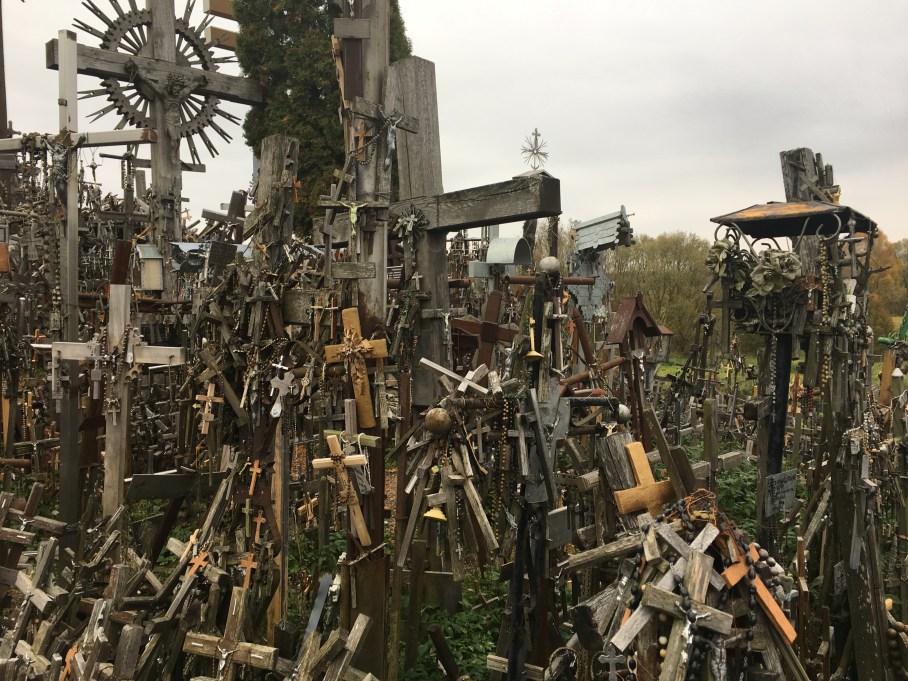
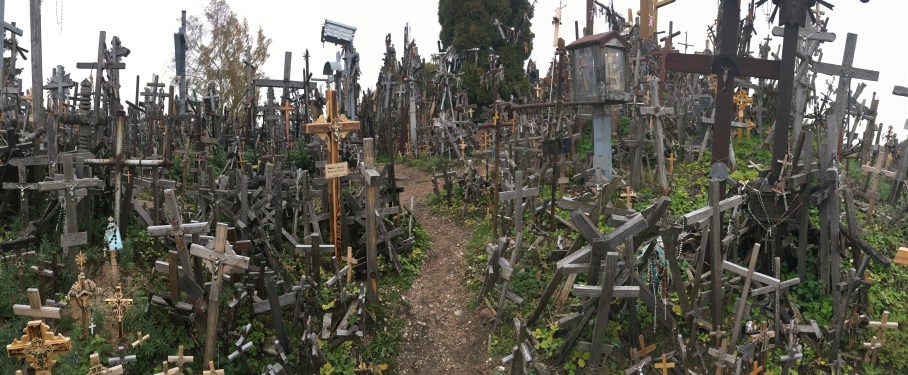
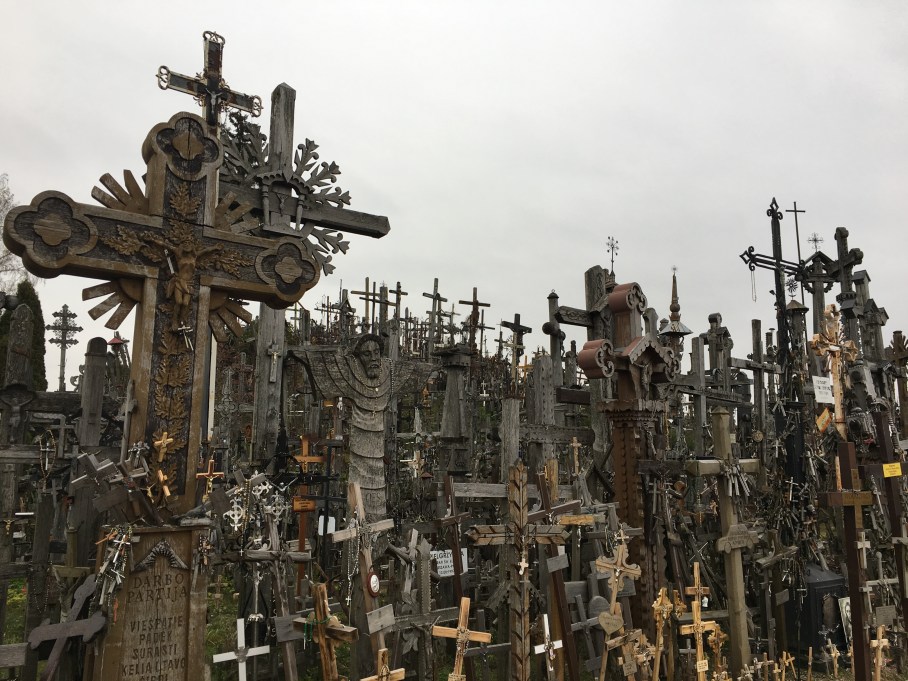
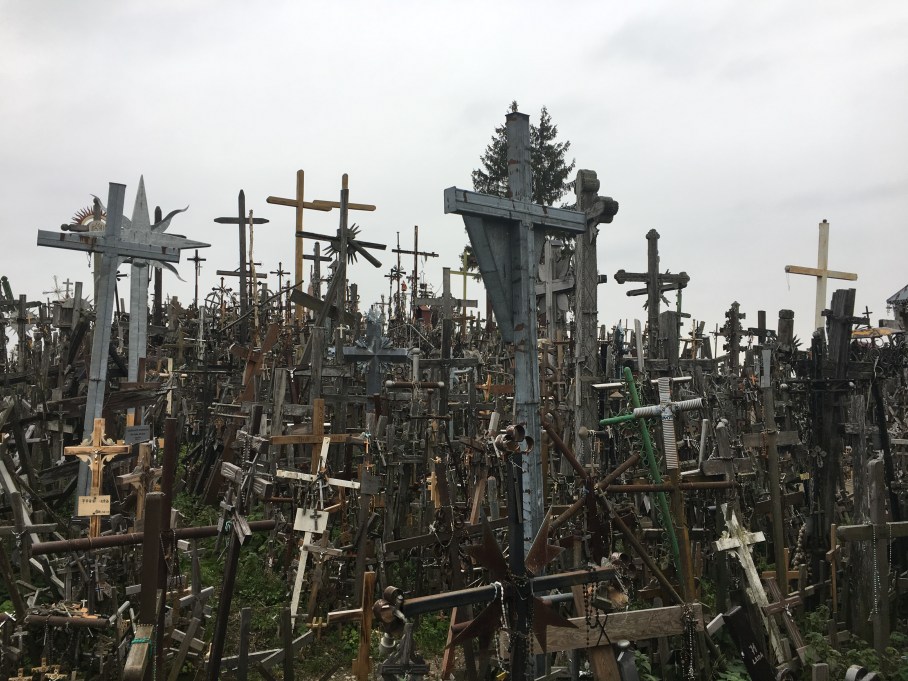
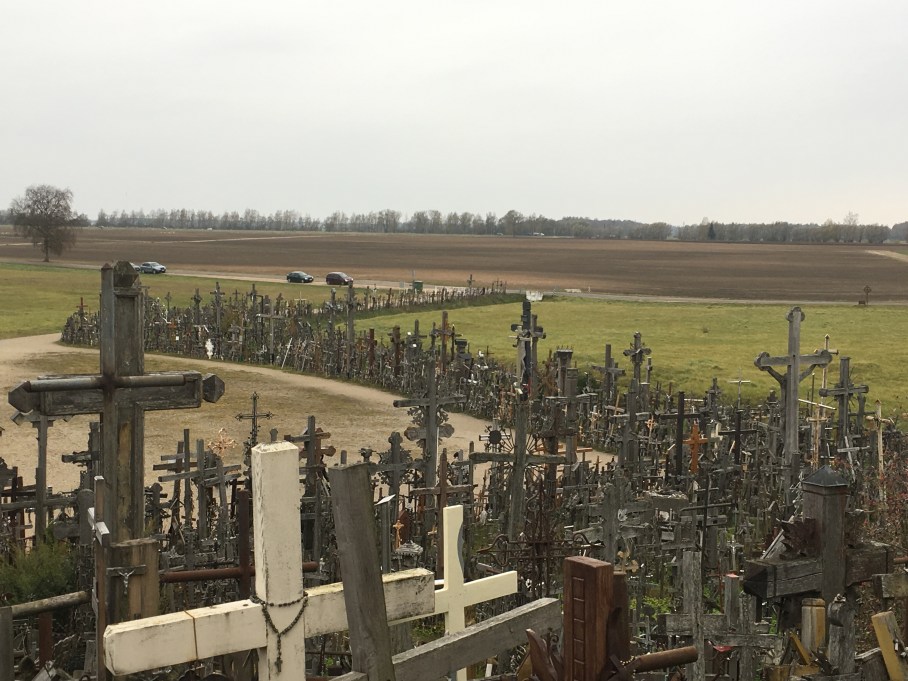
The hill was smaller than I imagined, but nevertheless consumed by crosses.

img_8802img_8876

The first crosses were erected in memory of insurgents lost during the two great Polish rebellions of the 19th century: the November Uprising of 1830 and the January Uprising of 1863.

img_8811img_8812

The number of crosses reached over 400 after WWI, as custom dictated that a cross was to be planted for missing loved ones in lieu of a proper burial.

img_9029img_8814

Naturally, the number of crosses increased substantially during WWII.

img_8818img_8829

The disappearance of thousands into Siberia and Soviet Gulags made for a sizable addition to the hill.

img_8854img_8884

Alas, the communist decree of atheism as state policy led to the removal of all crosses from the hill (1961). Thus, putting up crosses became a means of religious defiance in addition to nationalist.

img_8861

After the fall of the Soviet Union the number of crosses began to multiply infinitely as pilgrims from around the world started to visit the hill en masse. There are over 100,000 crosses on the hill as of 2006.

img_8869

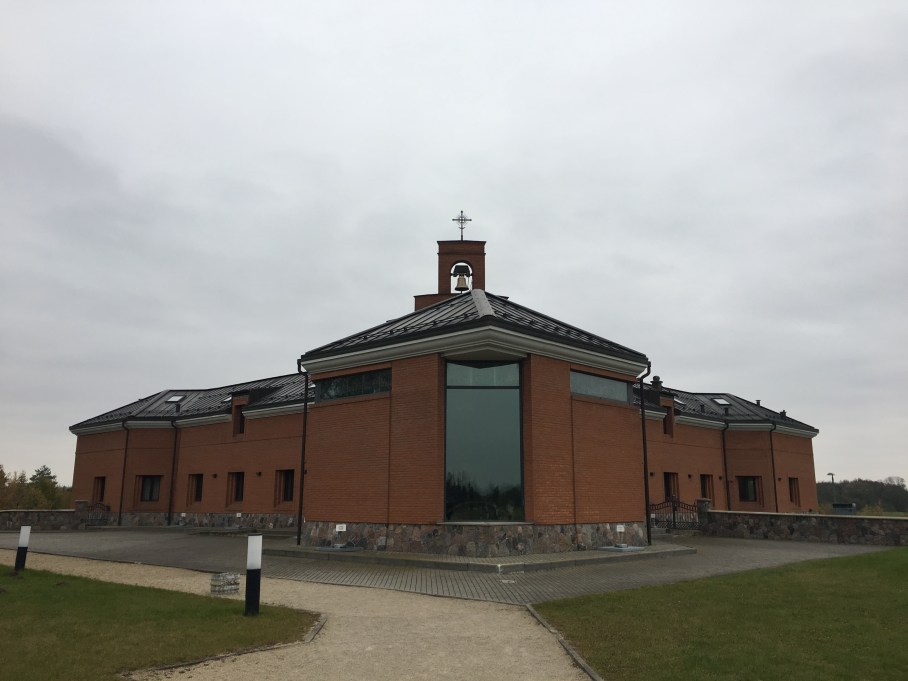
In 1993 a visit by Pope John Paul II inspired him to bestow Lithuania with the appellation ‘Country of Crosses’ and also to call for the construction of a Franciscan Friary near the hill.

img_8894

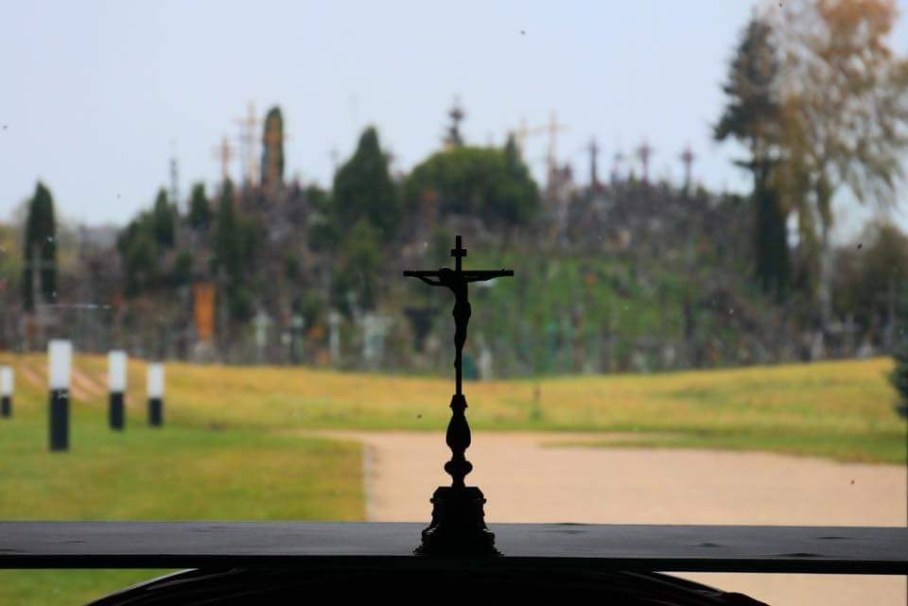
The building was exceedingly plain, but the view of the hill from behind altar was spectacular.

img_9055img_8905

The walk back provided for a couple more incredible views.

img_8910

Yuki and I walked frigid back to the road where we took the 3:00 bus to Siauliai.

img_9059

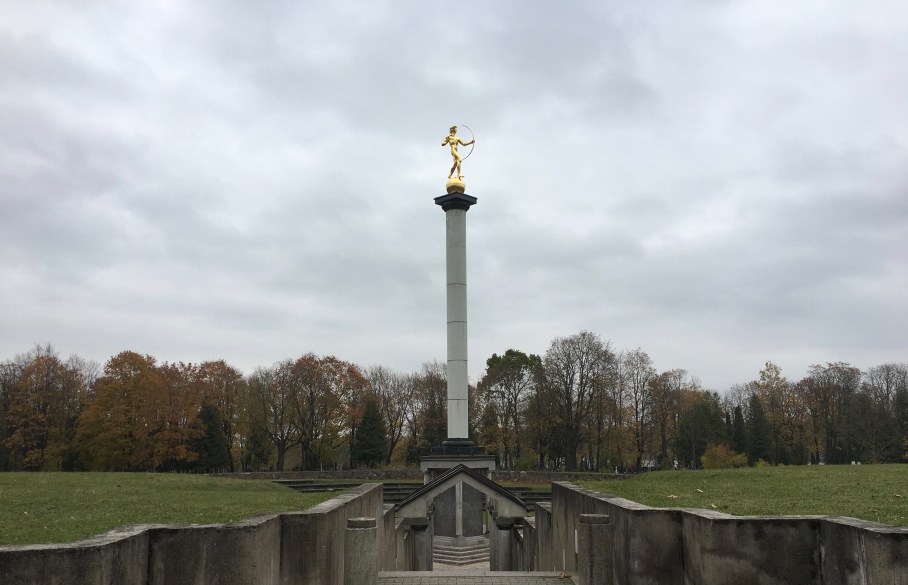
The city of Siauliai has glorious beginnings, but an otherwise inglorious past. In 1236 Siauliai was host to the Sun Battle in which the Samogitian inhabitants unexpectedly obliterated the invading Livonian Brothers of the Sword. As a result, the remaining Livonians were incorporated into a branch of the Teutonic Order and would not again function as a sovereign entity until the emergence of the Livonian Confederation following the collapse of the Teutonic Order at the Battle of Grunwald in 1410. A sundial was erected in 1986 to commemorate the 750th anniversary of the battle and the de facto founding date of the city.

img_8953

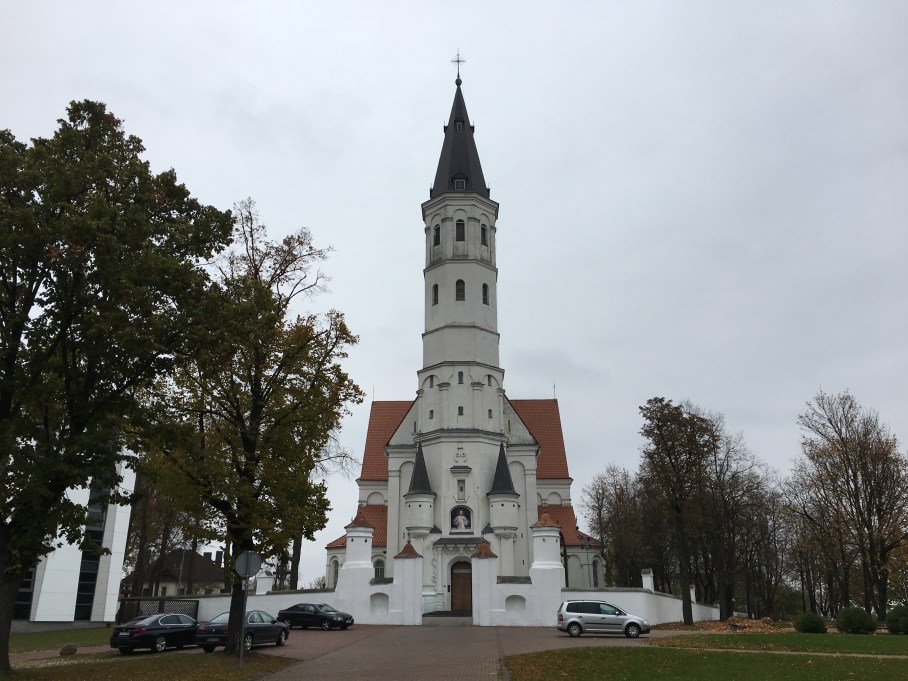
Siauliai has served as a regional center in different capacities since the 16th century. Unfortunately, the city was bombed into oblivion during both World Wars and lost all vestiges of her old town- except for one. The Cathedral of Saints Peter and Paul was built in the early 17th century and has since held the title of highest steeple in all of Lithuania.

img_8932

The interior is nice, relatively plain.

img_8942

Cold and exhausted, I was determined to make the 5:30 train home. First, I had to visit the Chaim Frenkel Villa.

img_8967

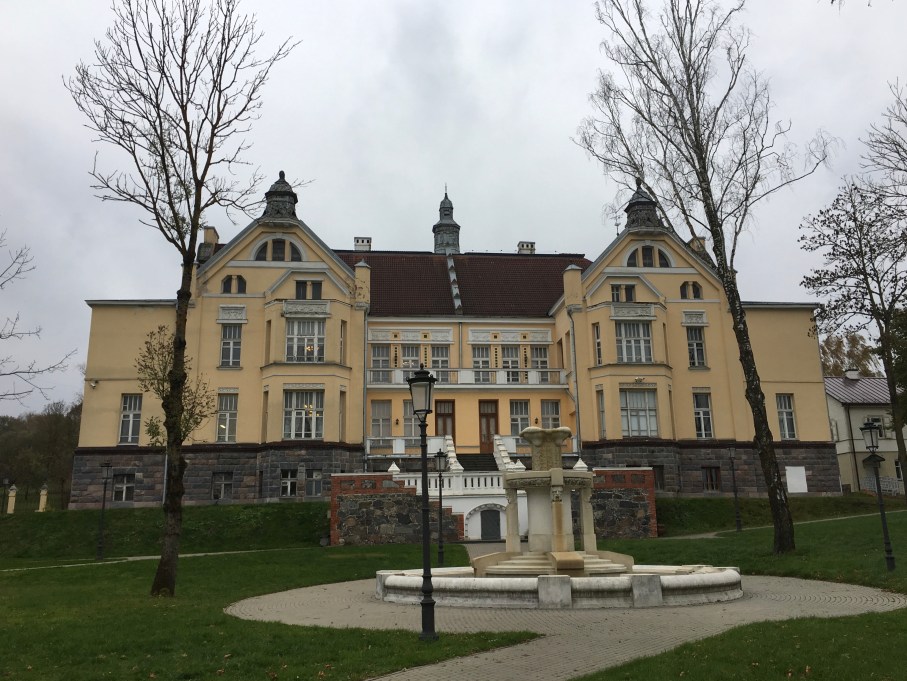
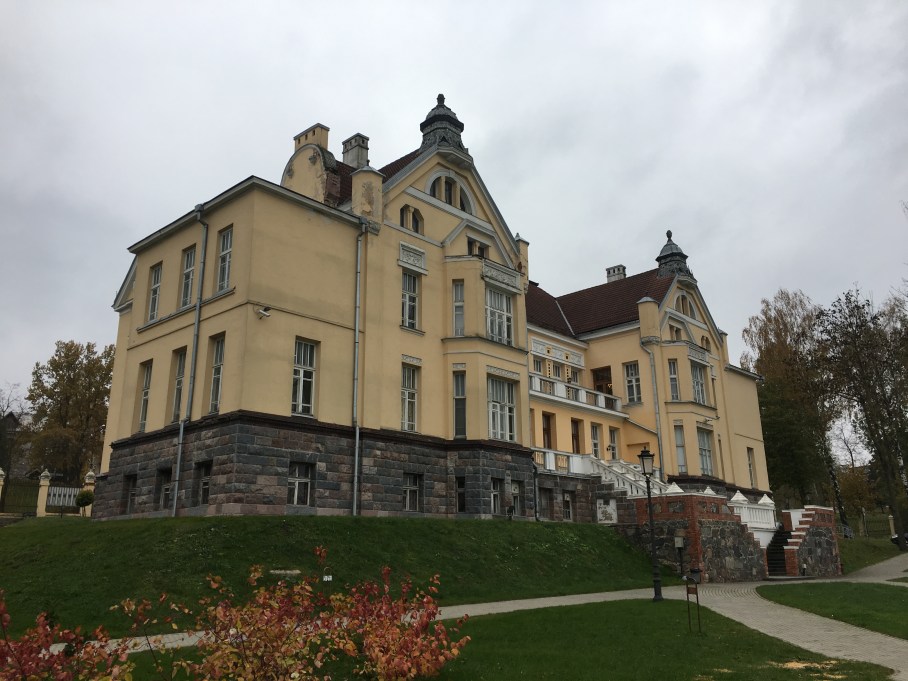
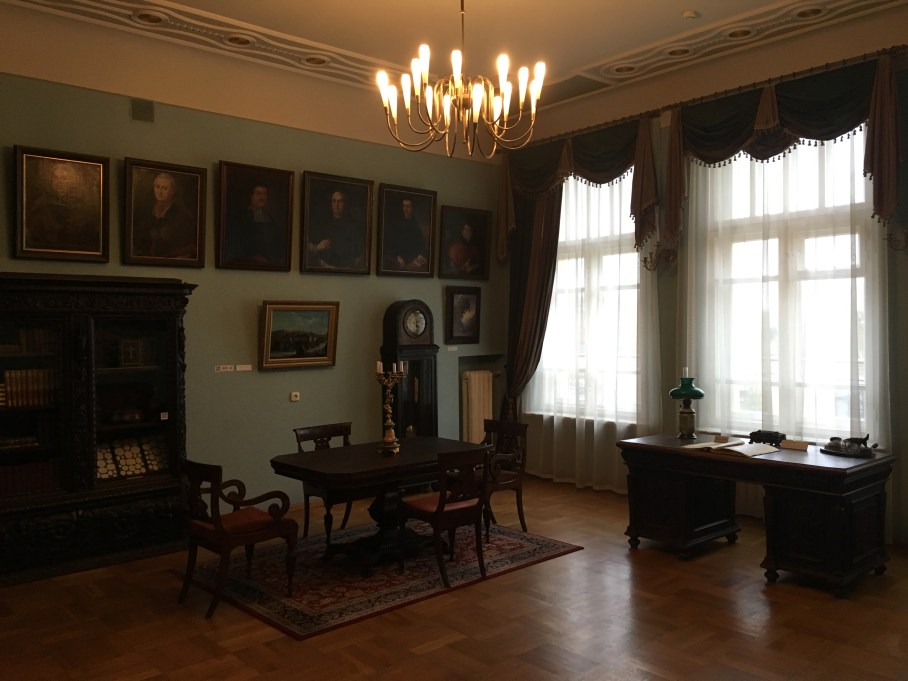
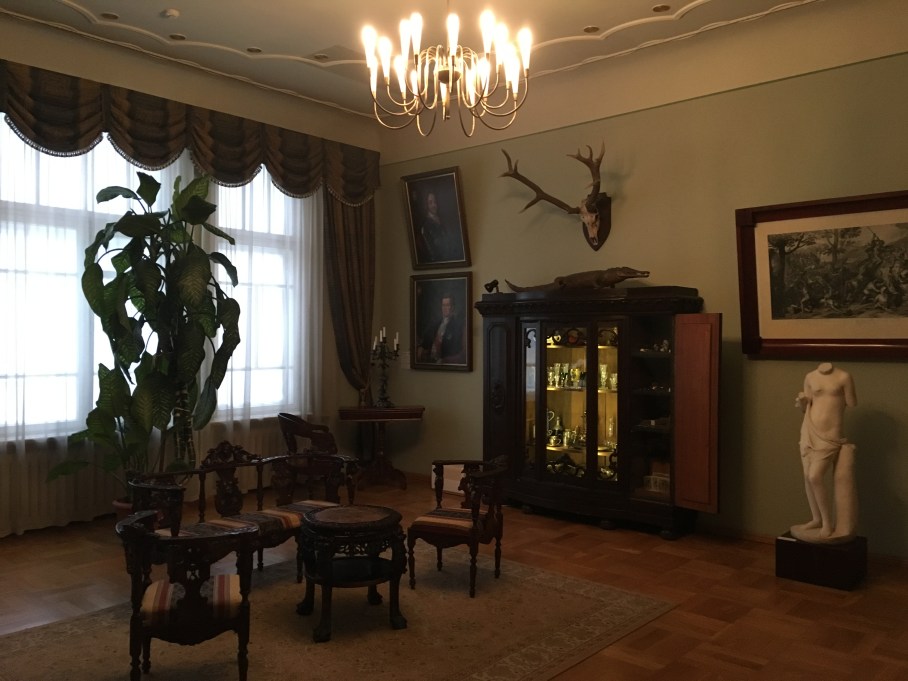
Built in 1908 by Jewish manufacturer Chaim Frenkel, the residence completely eviscerates the general perception of the shtetl Jew.

img_8969

Frenkel started as an ordinary leather dresser, but by the early 20th century he was known as the ‘King of Leather’. His leather factory was one of the largest in the Empire. It was the  largest supplier of footwear in interwar Lithuania.

img_9005

His efforts led Encyclopedia Britannica to describe Siauliai as the ‘the world center of leather’ in their 1911 edition.

img_8976

In recent years the villa was repurposed into an exhibit of the culture, art, and Jewish heritage of Siauliai.

img_8983

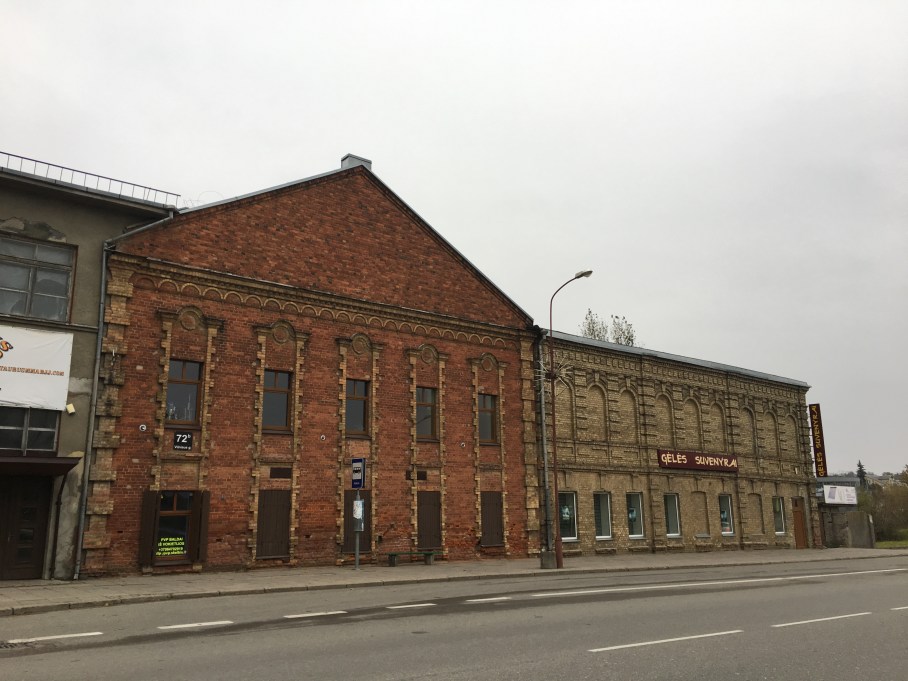
Down the street stands the since abandoned leather factory.

img_9008

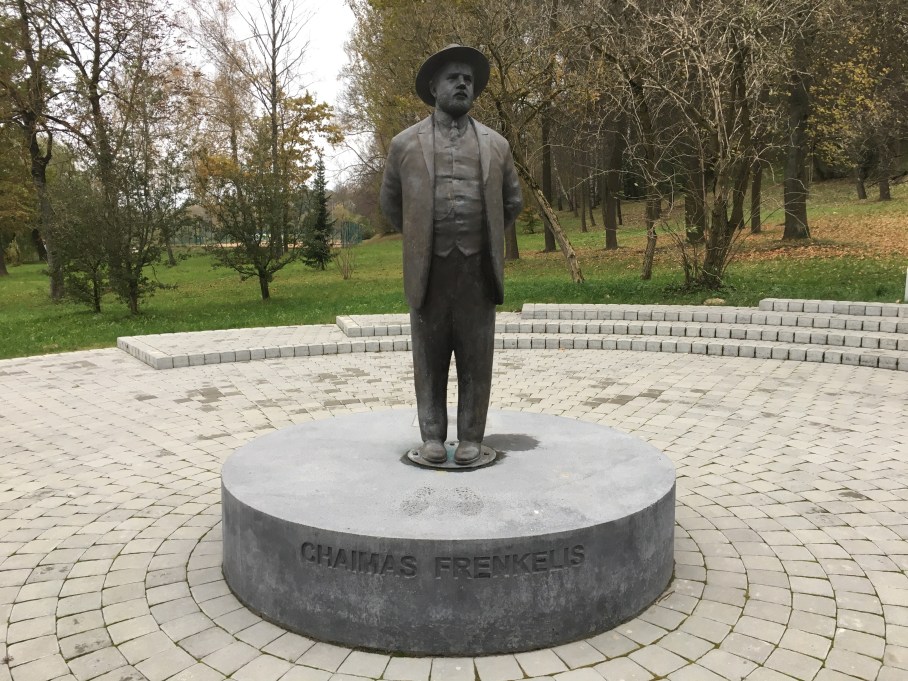
Opposite the factory is a statue of the man himself.

img_9012

Adjacent the factory stands the synagogue that Frenkel built for his employees.

img_9018

Surely there was more to see in regards to Jewish history, the population was predominantly Jewish in the early 19th century. But in light of the weather and absence of a family connection (save for some extended Brenner relatives), I was ready to go.

img_9021

FaceTimed on the train with Dad and Sarah Minion- she is road tripping across the South and was kind enough to grace my family and city with her presence.

img_9026

21 October 2016

Jumped rope and then ubered to the Belarus Embassy to submit my visa application. They informed me that I needed to go to the consulate instead.

img_8752

I walked to the consulate, but the line was daunting. I surely would not have made it out in time for class. I’ll go on Monday.

img_8756

Instead, I bussed to Vokieciu Street for Mexican.

In class we learned about national minorities in Poland during the interwar period. Of her thirty million inhabitants in 1931, only two thirds were ethnic Poles. Ukrainians represented over fifteen percent of the population, their western territory affirmed Polish by the Treaty of Riga (1921). Belarusians were similarly a ‘territorial minority’, but represented only five percent of the population.

Jews accounted for ten percent of the population, but a whopping third did not affiliate religiously. They were represented in all professions and all economic classes.

After class I got coffee with Enola, per usual. We spoke at length about minority conditions in France. In an effort to promote a perverted egalitarianism, her government has refrained from collecting demographics altogether. To do so would call attention to divisions that are supposed to be irrelevant. Discussion of minorities and other societal differences is taboo- socially, academically, professionally. As such, our class is her first exposure to minority studies- it would be considered radical in France. We also discussed the minority groups and tensions resulting from the French occupation of Algeria, including the Pied-Noir and the Harki. I really enjoy our conversations.

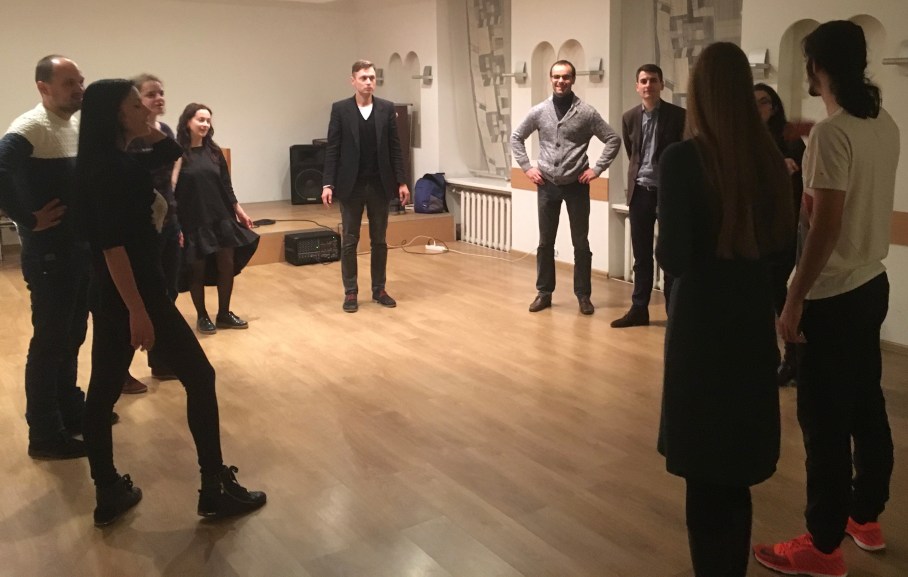
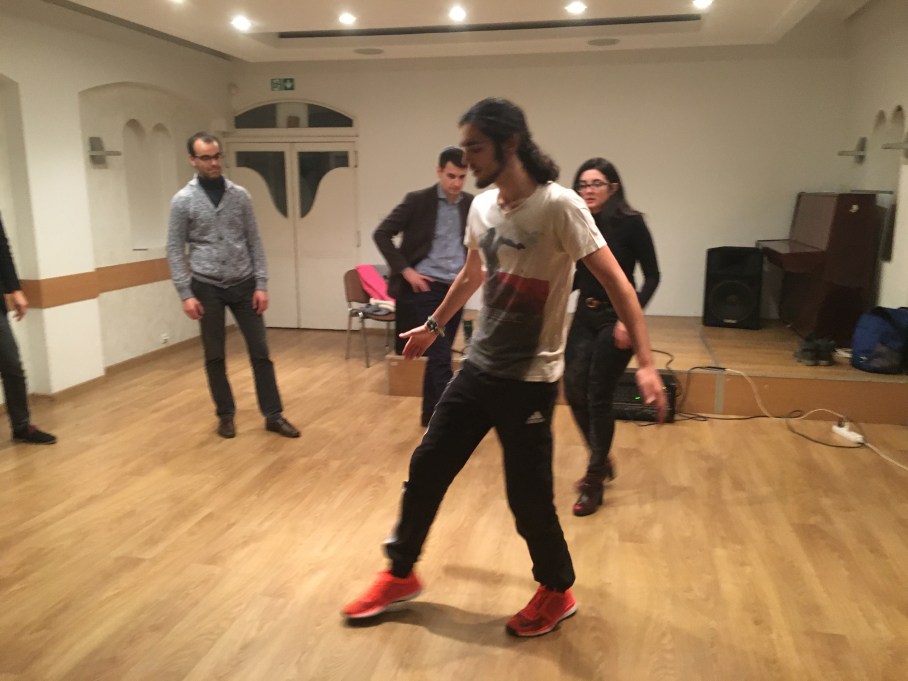
I blogged at Olandu for a couple hours before heading to the Jewish Community of Lithuania (Pylimo Gatve 4) per an invitation from Amit. I led Shabbes and made a few remarks about the holidays. Just over ten of us in total, we were led in traditional Israeli dancing by Samek- a young Lithuanian of Israeli origin.

img_8758

He dedicated his past year to honing his skills and sharing his craft around the globe after falling in love with Israeli dancing at camp just last summer.

img_8763

After sufficiently making a fool of myself, Amit invited us to eat sushi and socialize. It was not long before I asked about the piano… I was on the keys in minutes.

Traveled home soon after. I am so impressed and humbled by Amit’s dedication to building and supporting a vibrant Jewish community for young people in Vilnius.

20 October 2016

Was planning to drop off my visa application at the Belarus Embassy, but was anxious I’d miss the bus.

Left the station at 10:00. The bus was small, crowded. I spent the ride exchanging comments in a Facebook debate regarding Russian aggression and American provocation. Putin just moved a nuclear-capable missile to Kaliningrad Oblast. Many young folks here fear Clinton would escalate the conflict.

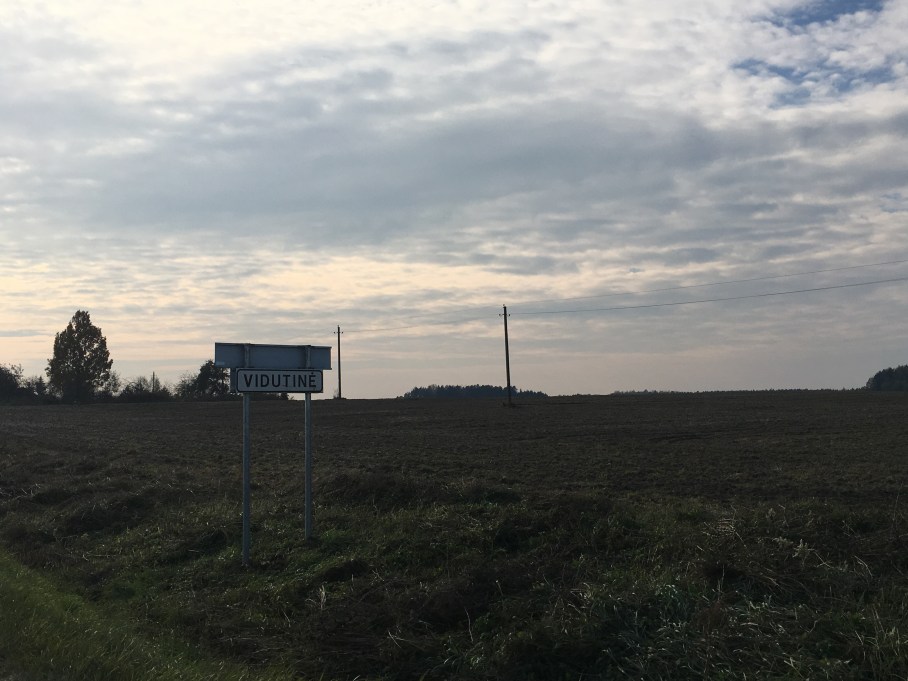
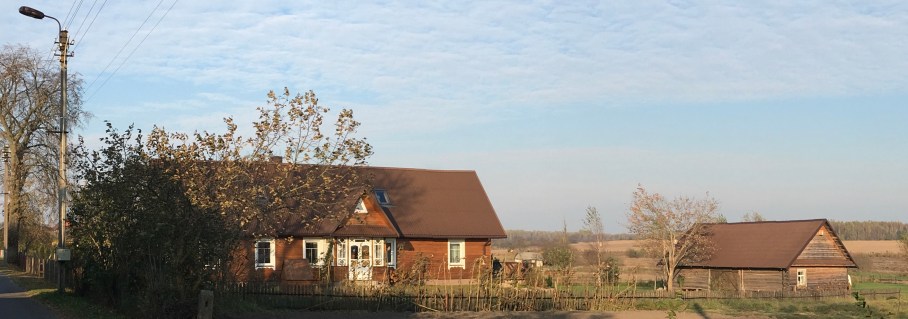
Vytas picked me up in Svencionys just after 11:00. Vytas Jurkuvenas worked in Birmingham for many years with Michael Kimerling, a close friend of my dad. His career in public health took him around the world: the Caucasus, Angola… Upon retirement he settled in his hometown of Vidutine, 10 miles outside of Svencionys.

I’d expected a simple day in the mountains away from Vilnius, but my interest in Jewish history had preceded me.

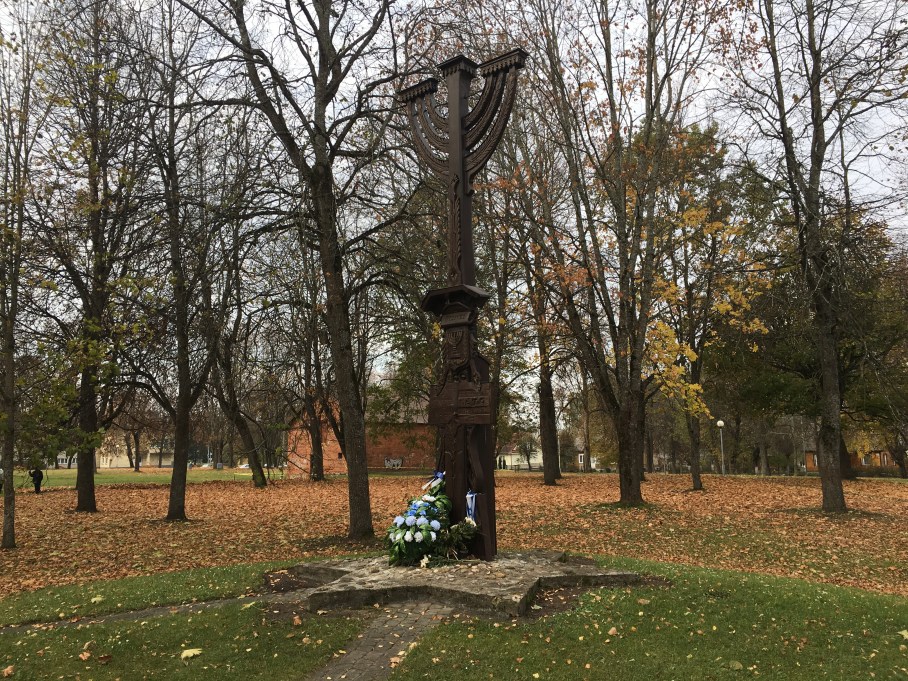
We started at the central park in Svencionys. An intricate wooden statue in the middle of the park marked the sight of the ghetto entrance. The Jewish community once accounted for over half of the population.

img_8677

At one corner of the park was Naisla, the Ethnographic Museum of Svencionys.

img_8694

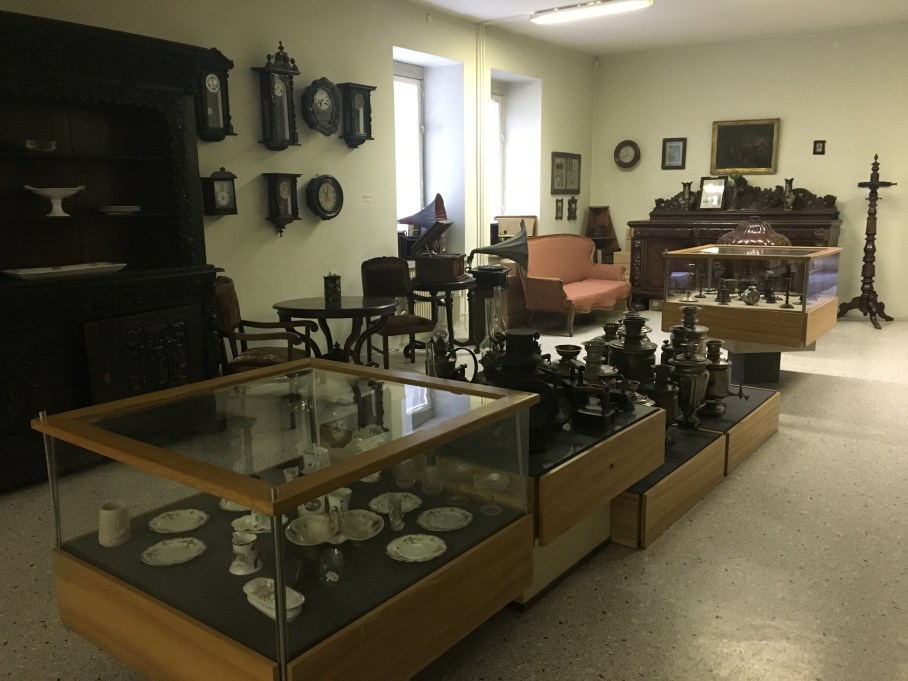
Vytas kindly translated as a guide walked us around the main exhibit. Perhaps most striking was a section of barbed wire from the ghetto. There was an abundance of Yiddish materials.

img_8688

I also learned about the history of the herbal industry in Svencionys. Organized in 1883, the industry prospered under Jewish leadership.

img_8685

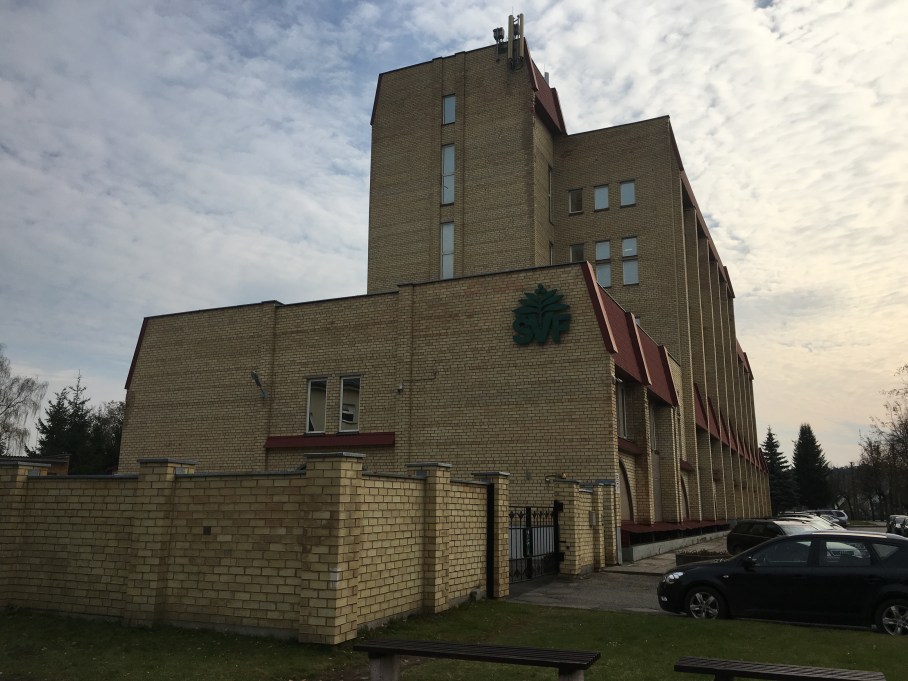
Just outside the museum stood the Svencioniu Vaistazoles Factory, which exports teas and medicinal products around the world. Herbs are collected exclusively from the regional forests. The industry remains Svencionys’ largest.

img_8691

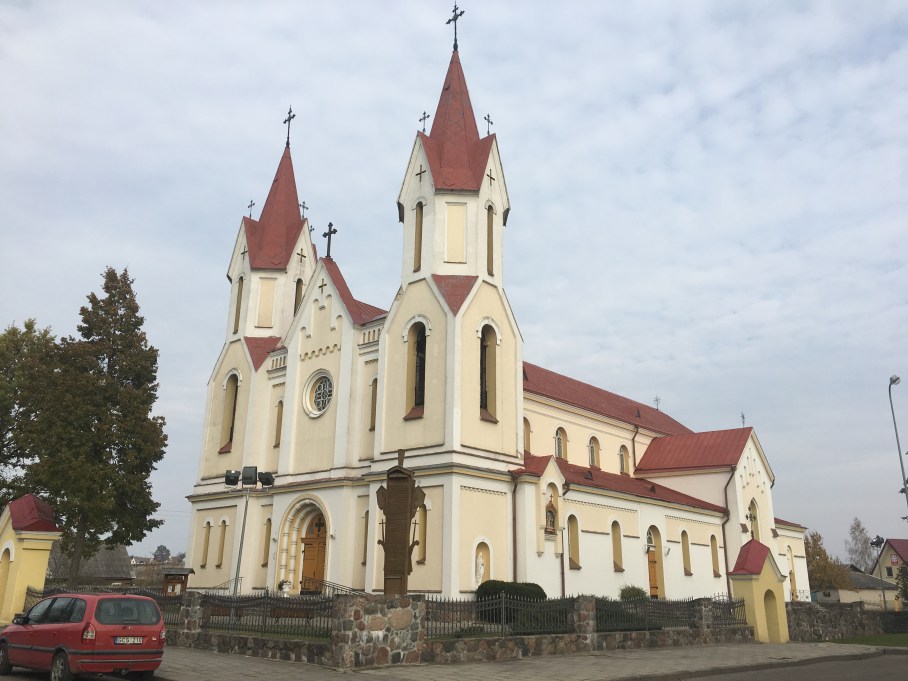
On another side of the park stood an impressive nineteenth century church, the first on sight was built by Grand Duke Vytautas. He also had an estate in the city.

img_8700

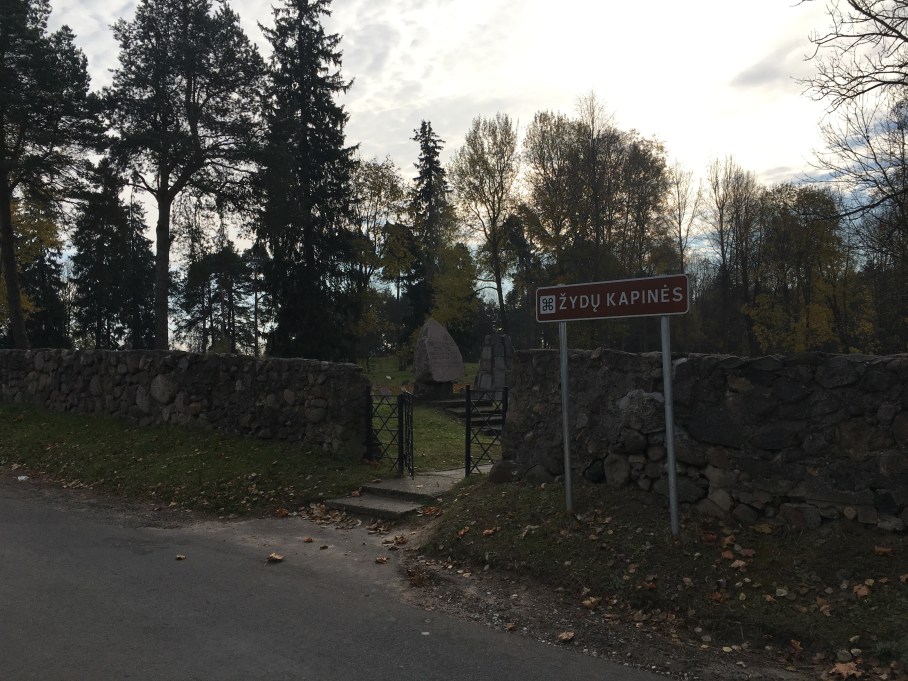
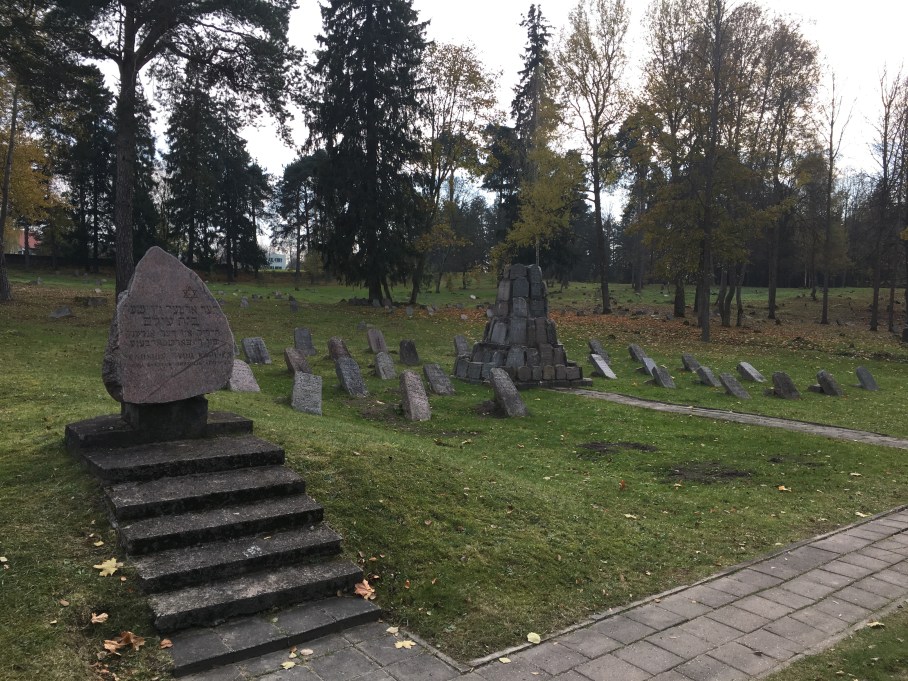
We traveled a short distance to the Jewish cemetery.

img_8706

It was in immaculate condition relative to those I’d visited. I wish my ancestors were buried there.

img_8707

Svencionys was the hometown of multiple prominent Jews including Mordecai Kaplan, founder of the Reconstructionist movement, and Menke Katz, Yiddish poet and father of Dovid Katz.

img_8710

At 1:00 we made the short drive to Vytas’ home in Vidutine, on the border with Belarus.

img_8715

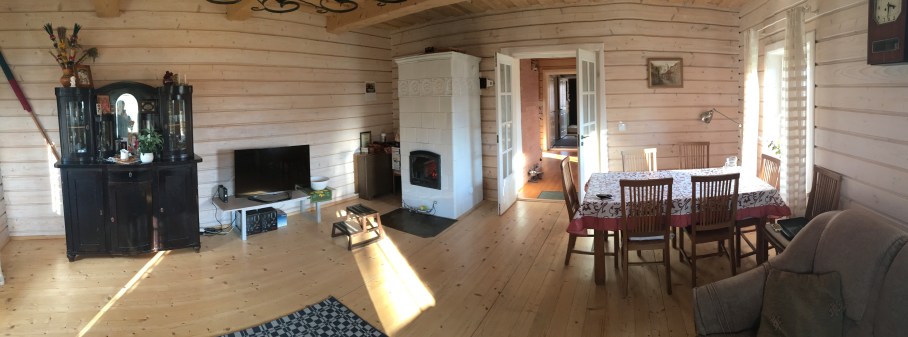
I was welcomed by his wife, Virginia, who is originally of the Klaipeda region. She had prepared an elaborate meal- french soup, chicken Kiev, an assortment of sides and a delicious apple pie. We spoke of our Birmingham connections, Vytas’ career,  my studies and travels. Their home was lovely, quaint.

img_8723

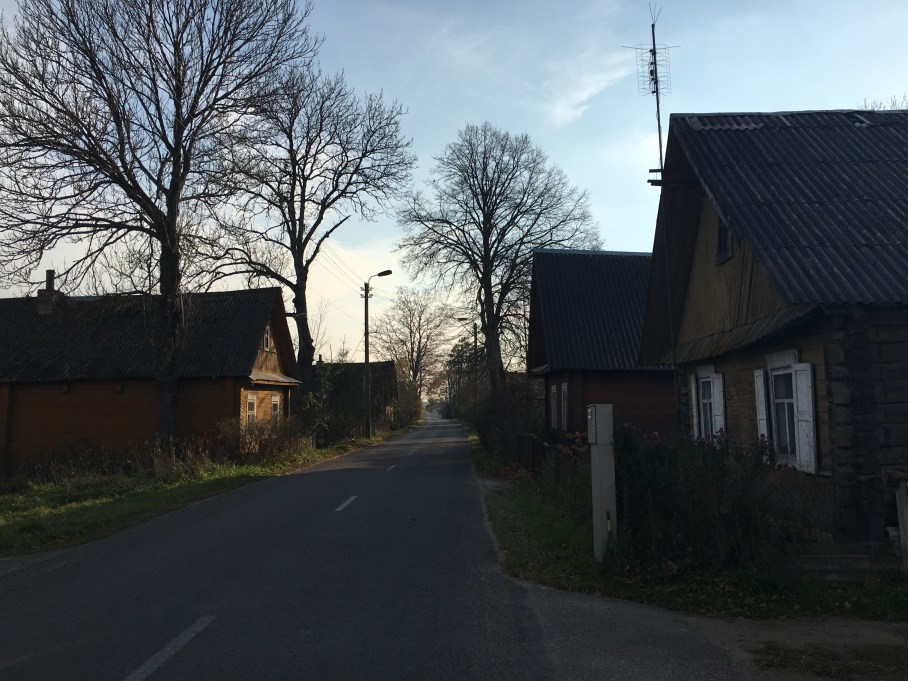
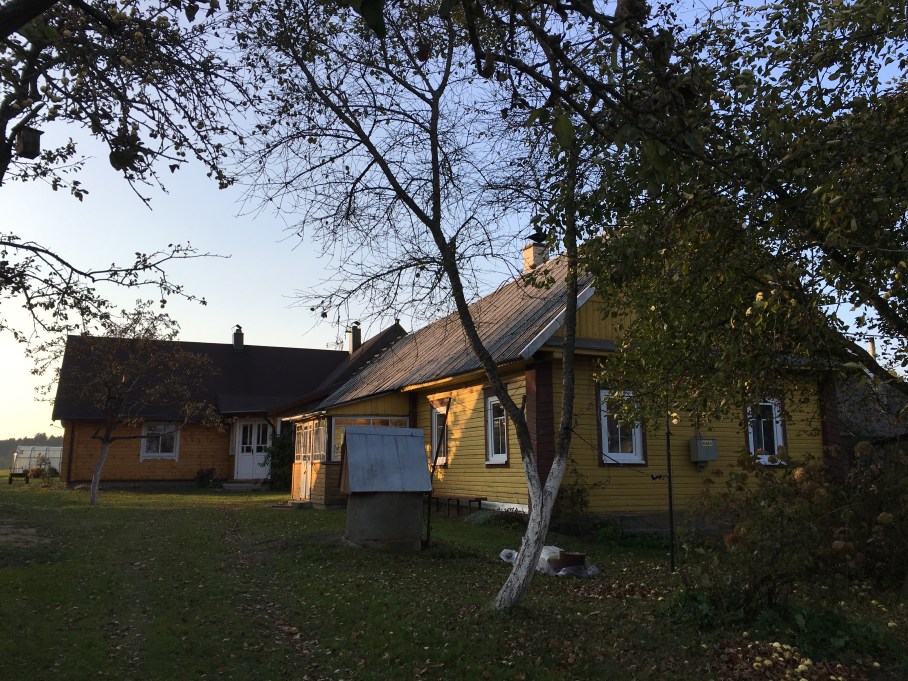
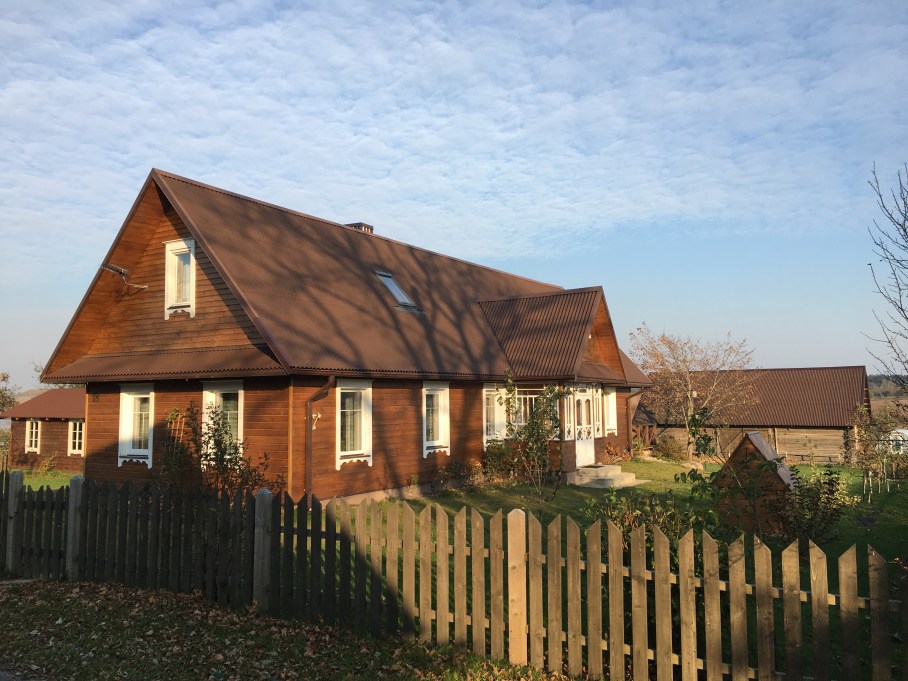
With a full stomach Vytas and I left for a tour of Vidutine, which can be described as a traditional ‘one-street-village’. This settlement type was popularized in the early 19th century as a means to organize peasantry into manageable confines.

img_8727

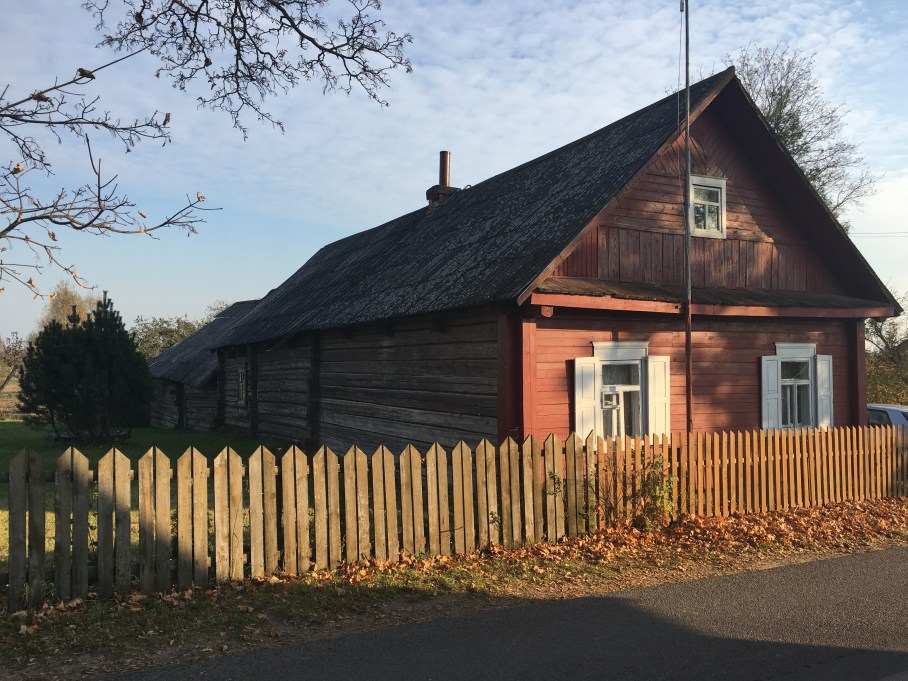
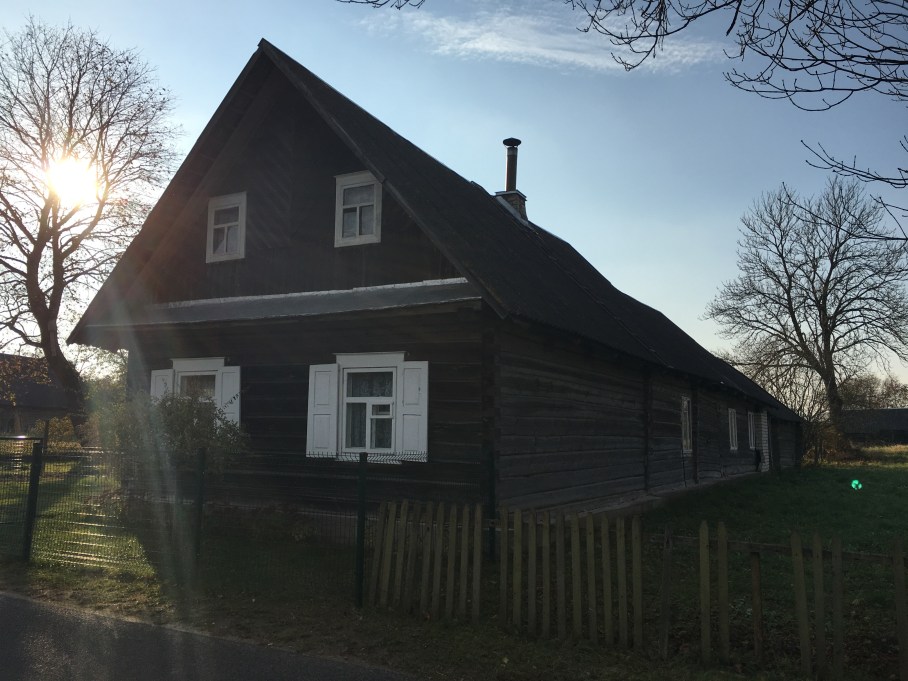
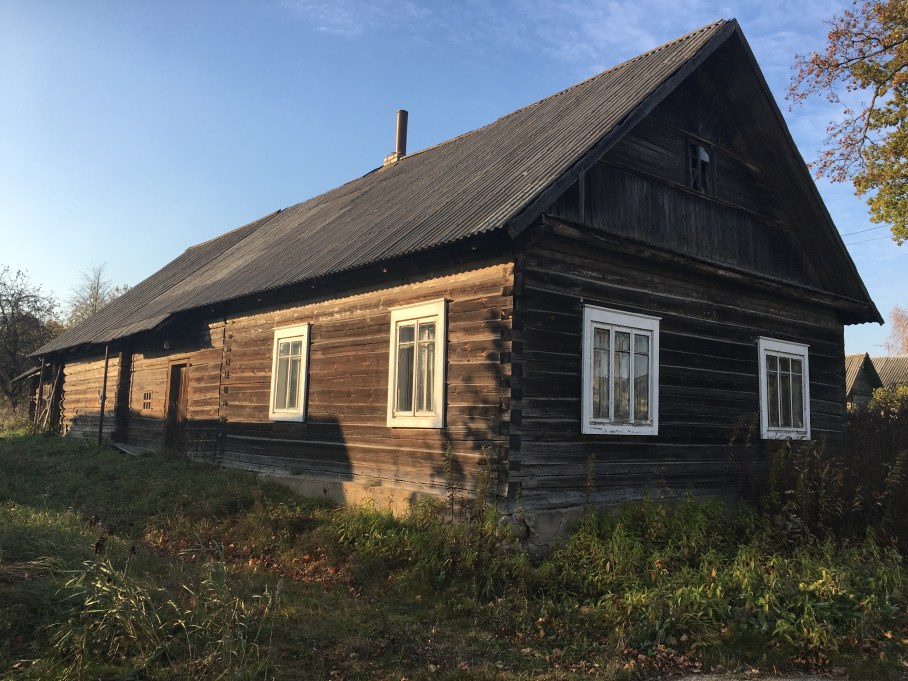
The homes were originally situated just along the street. Made of logs, most have been reinforced by slabs of wood. If painted, they were only done so since the sixties.

img_8736

The distance between homes was originally quite minimal and the width of homes quite modest. Rather, the bulk of the home lied in its length. The plot extended far beyond the home, but Vytas informed me that it was not enough land to sustain a family.

img_8725

Opposing homes generally belonged to the same family. Testaments divided the properties amongst children. Thus, Vytas’ siblings live in the home directly opposite his. I was shocked to learn that there are only five families (albeit extended) in Vidutine, multiple Vytas Jurkuvenas.

img_8734

Our walk was not very long as there are only 60 homes and roughly 200 residents in Vidutine.

img_8737

Across the street from Vytas’ house stands his childhood home, where his brothers now reside.

img_8750

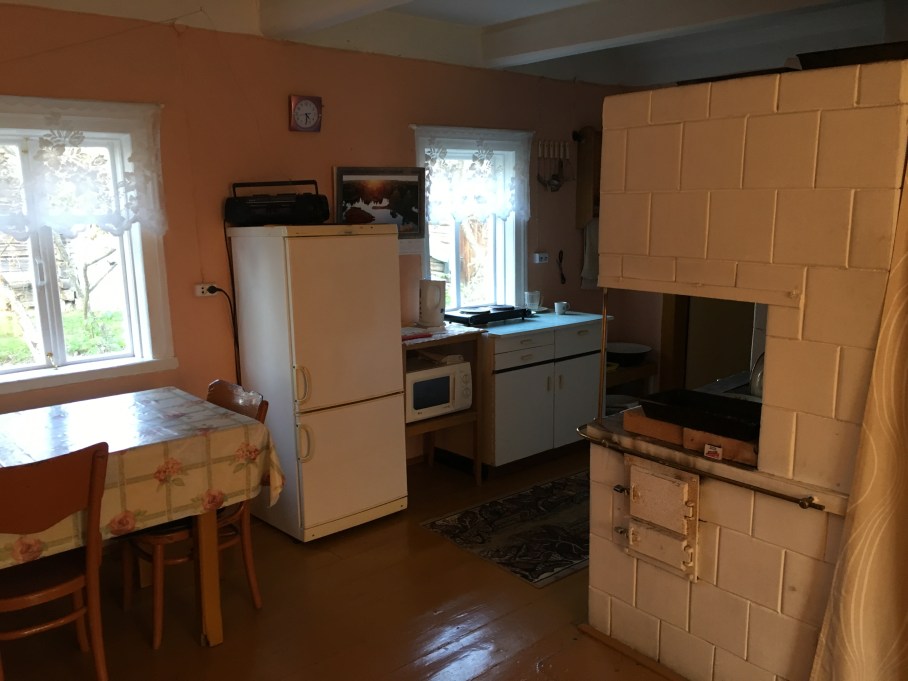
He was kind to let me browse what he described as the ‘ethnographic portion’ where he was raised.

img_8747

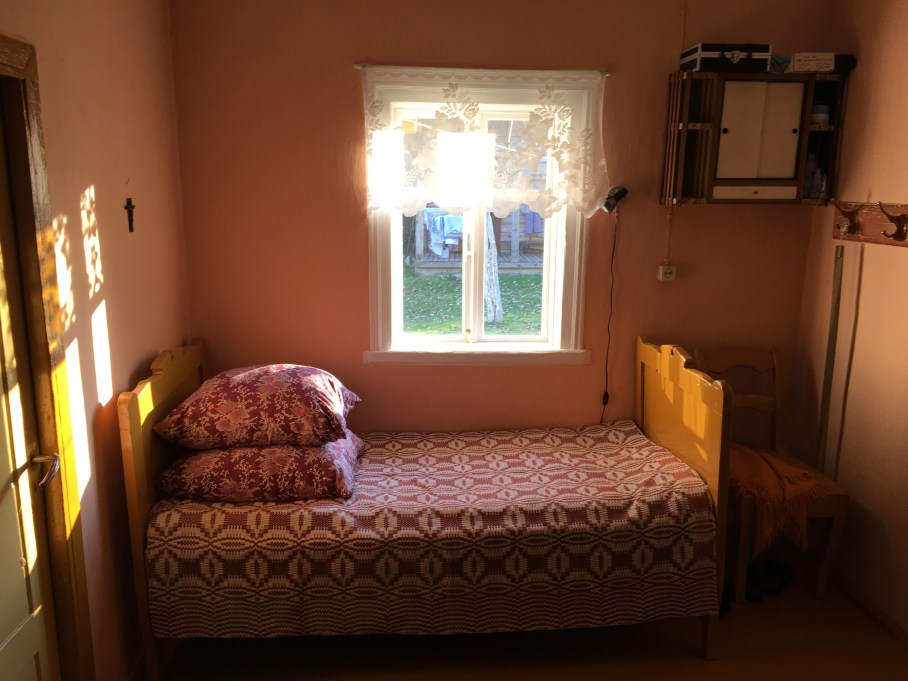
He even pointed out the bed he was born in.

img_8748

Vytas built his current home only since retiring in 2014. He was able to purchase the adjacent plot, which allowed him a reasonable amount of space.

img_8742img_8743

Vytas drove me back to Svencionys where I boarded a bus at 5:00.

I was very fortunate to have been invited, I otherwise might not have experienced a genuine rural household. It was a delightful day.

19 October 2016

Grabbed breakfast on Gediminas then walked to the Office of International Programs to print my application and supplementary documents for the Belarus visa.

Got the required photograph taken back on Gediminas before heading to my history class at 3:00. The lecture was incongruent as usual.

Tried to fall asleep early, was unsuccessful.

18 October 2016

Jumped rope and then traveled to city center.

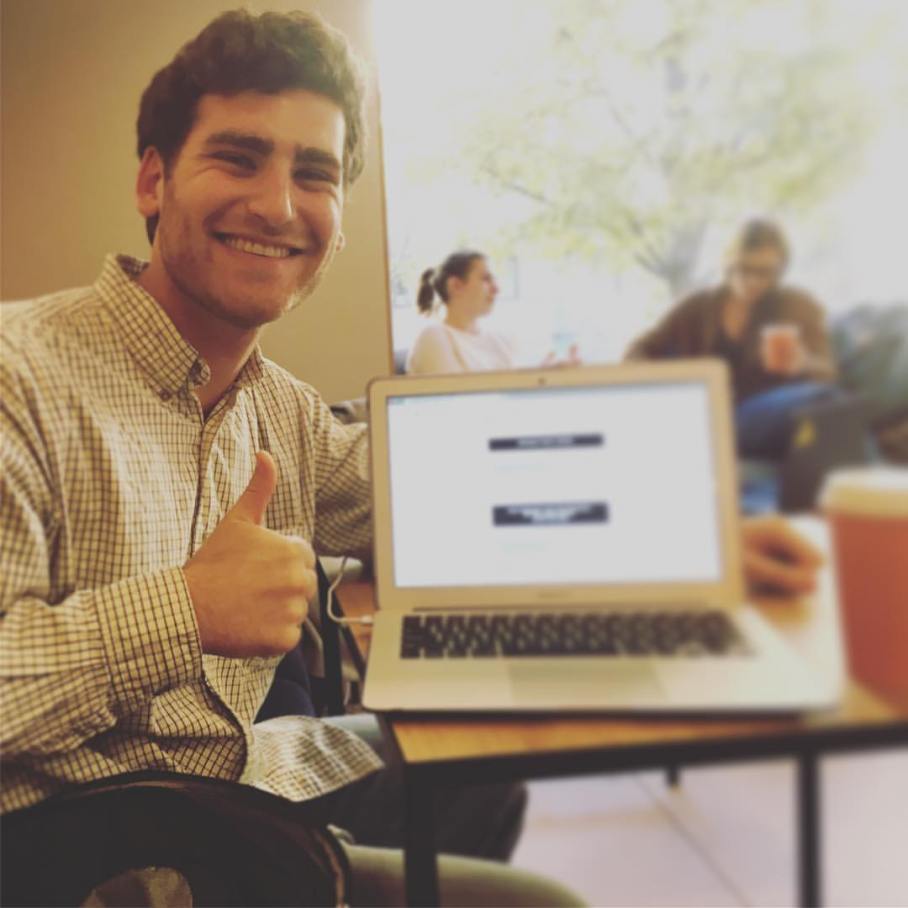
Received my electronic ballot by email last night. I was planning to just read the instructions, but got carried away. I was too excited to vote against Donald Trump.

14715676_10154081917823412_2974645269596829649_o

I don’t think many Americans can say that they cast their first vote by laptop in a coffeeshop in Vilnius, Lithuania.

15 October 2016

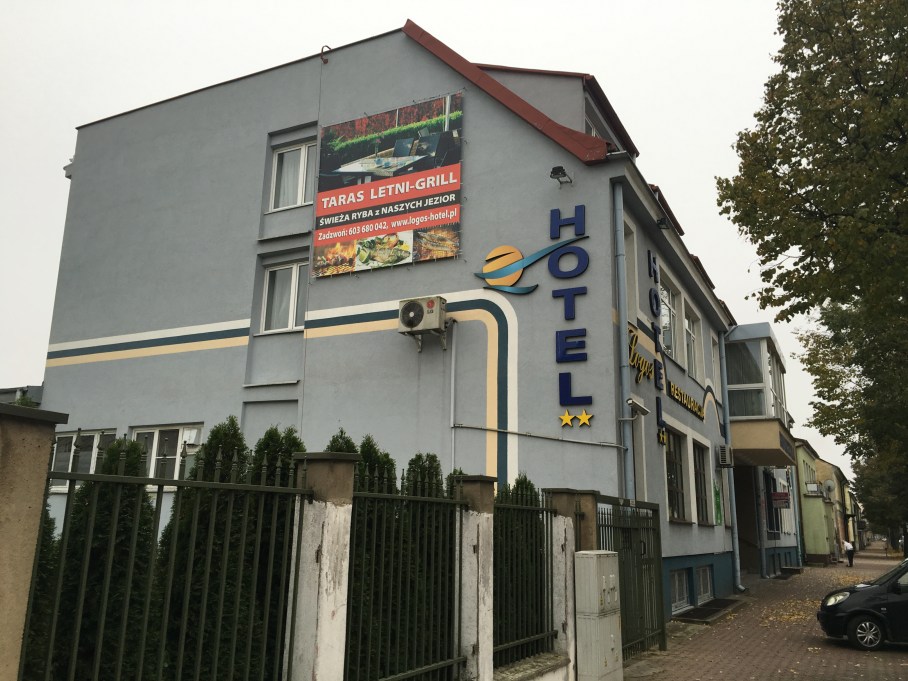
Kristiaan made immediately for the mountains, while I spent the morning in Suwalki. Thankfully, our hotel was located at the top of the thoroughfare- Tadeusz Kosciusko Street.
img_8396

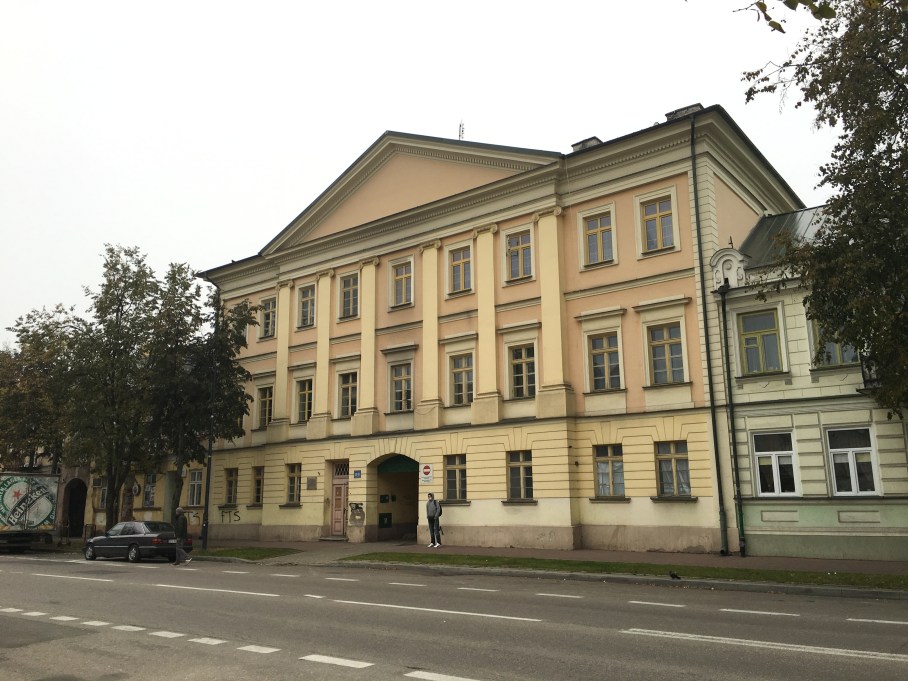
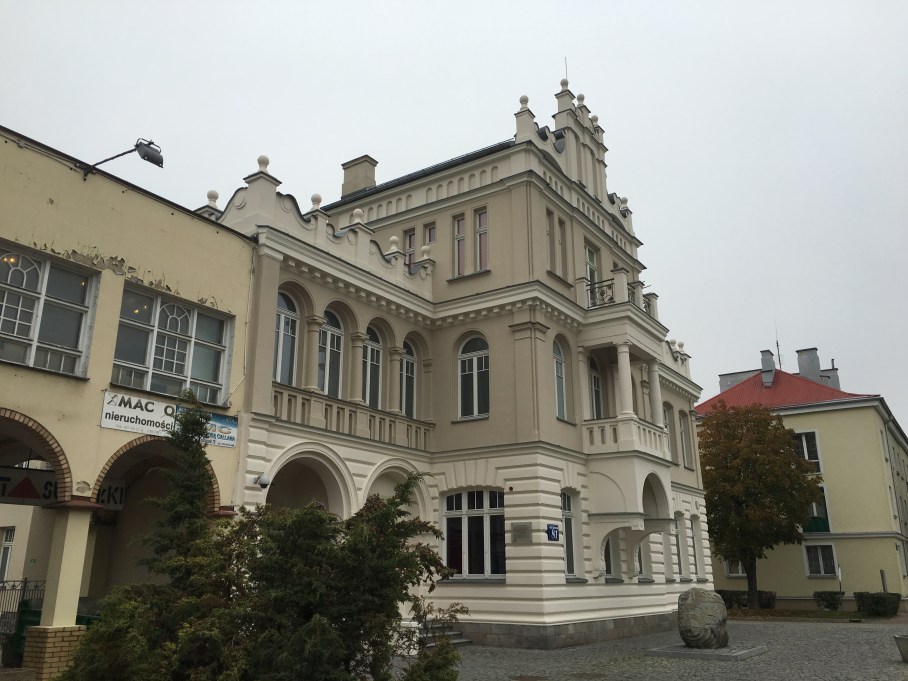
Designed in 1825, the town is of predominantly neoclassical style. Just across from our hotel stood one of the most impressive neoclassical buildings in Suwalki. It was designated the Russian field hospital in the 1830s and remained so during the early 20th century, when a garrison of 10,000 soldiers was stationed in the city.
img_8401

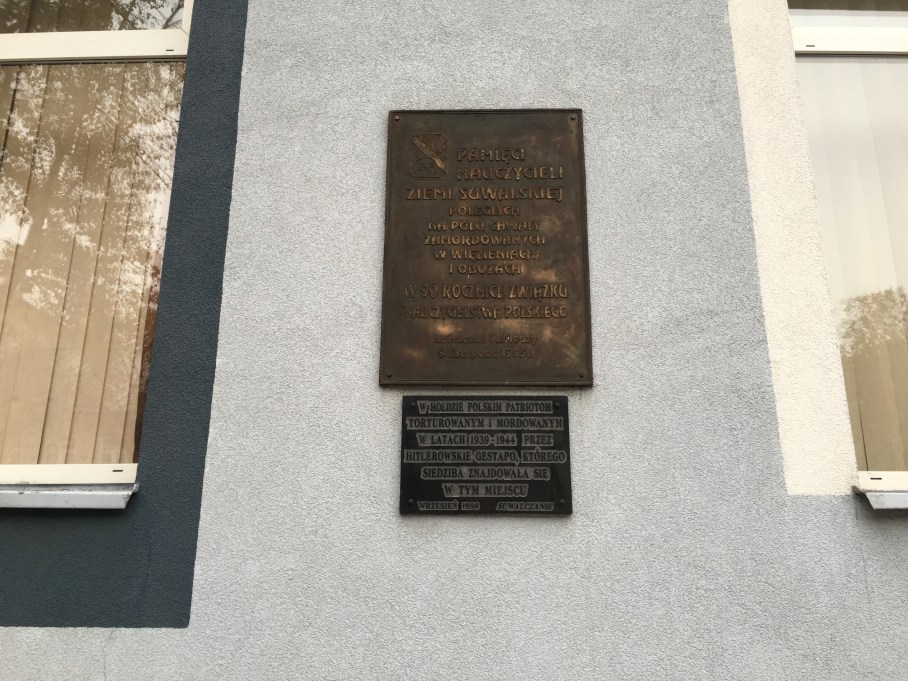
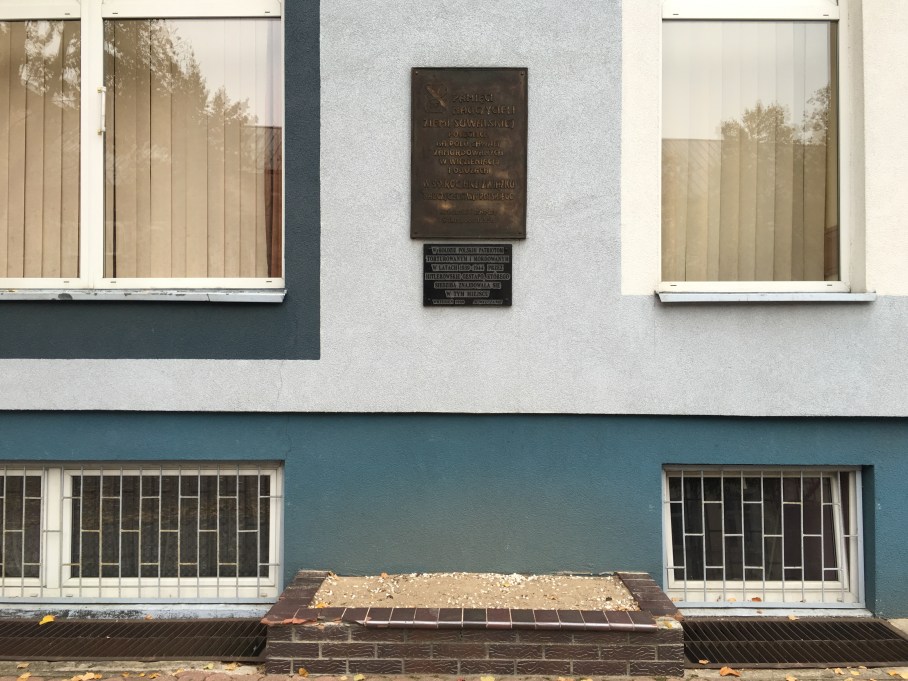
Walked back across the street to snag a photo, which is when I noticed the plaque on our hotel. It was in Polish, but I was curious enough to translate it. Google provided me with the following: In tribute to the Polish patriots, tortured and murdered in the years 1939-1944, by Hitler’s Gestapo whose headquarters were in this place.
img_8403

So I reacted in a couple different ways. On the one hand, I was disgusted that I had just slept there and I was angry at booking.com for not putting that important piece of information in their description of the hotel. On the other hand, there’s something poetic about a Jew being serviced in a place that once facilitated his destruction. But mostly disgusted.
img_8402

Continued down Kosciusko to the Suwalki Regional Museum, located in the former Citizens’ Clubhouse, built in the early 20th century. They only accepted zloty, but they let me in nevertheless. I didn’t realize that Poland has yet to adopt the Euro (they’ve belonged to the European Union since 2004).
img_8423

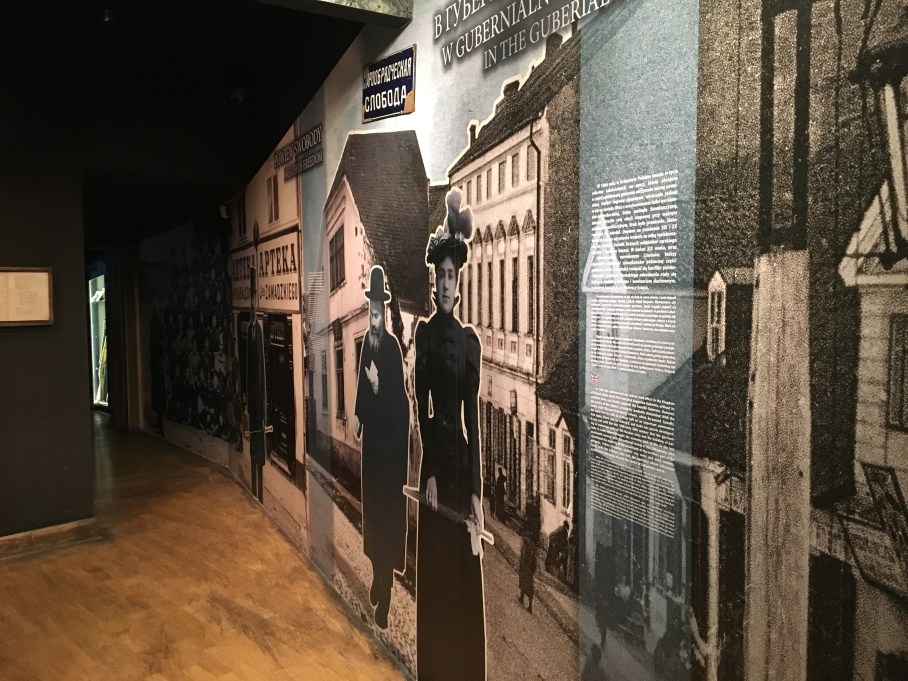
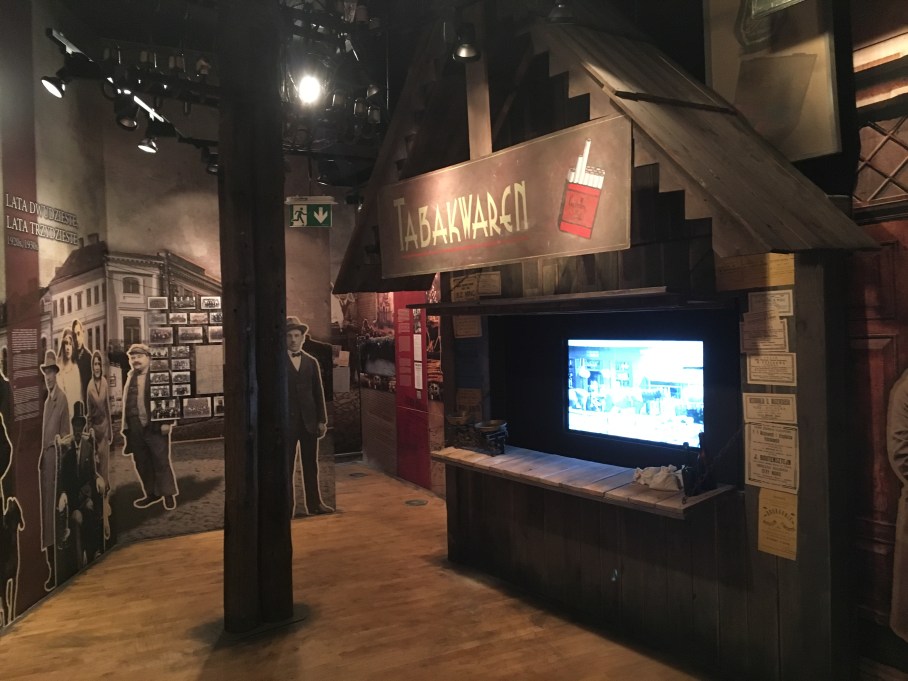
The exhibit was a piece of art. Honestly, the first time I’d appreciated or recognized the artistry that goes into building an exhibit.

img_8412

It explored the history of Suwalki since time immemorial. The region was originally inhabited by Yotvingians, a tribal group with ties to  Lithuanians and Prussians. I was beyond thrilled that the region was left uninhabited until the late 17th century. Less for me to understand.

img_8418

In 1667 King/Grand-Duke John II Casimir (last of three Vasa) granted this wilderness to the Camaldolese Order, a monastic community with origins in Italy. They built their headquarters on nearby Wigry Island, but spent more time building settlements than in prayer. One of their first settlements was called Suwalki, named for the region it inhabited. The new town grew fast as it lied on the main trade route linking Grodno with Kaliningrad (Koenigsberg) and Warsaw with Saint Petersburg.
img_8415

Suwalki was incorporated into the Duchy of Warsaw after Napoleon defeated the Prussians. Unlike his predecessors, Napoleon permitted Jews to reside in large cities- this is when my family arrived. Suwalki became the capital of Augustow Province in Congress Poland after his fall, and later the capital of Suwalki Gubernia following the complete incorporation of Congress Poland into the Russian Empire as a result of the 1863 uprisings. It was during this period that Suwalki underwent her finest development.
img_8419

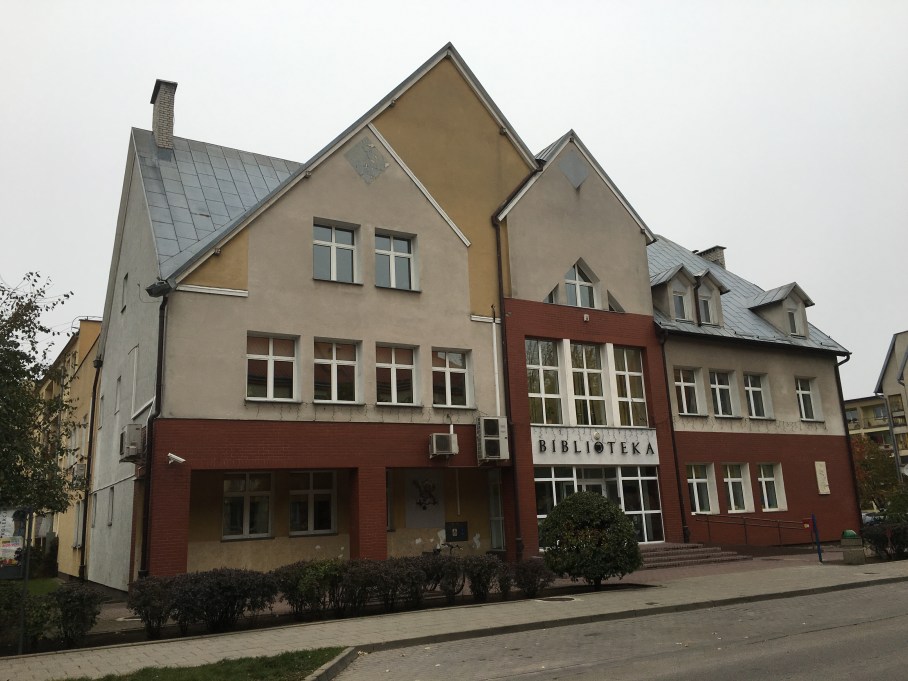
From the museum I strayed a couple blocks to a former prayer house, now inhabited by a public library.
img_8422

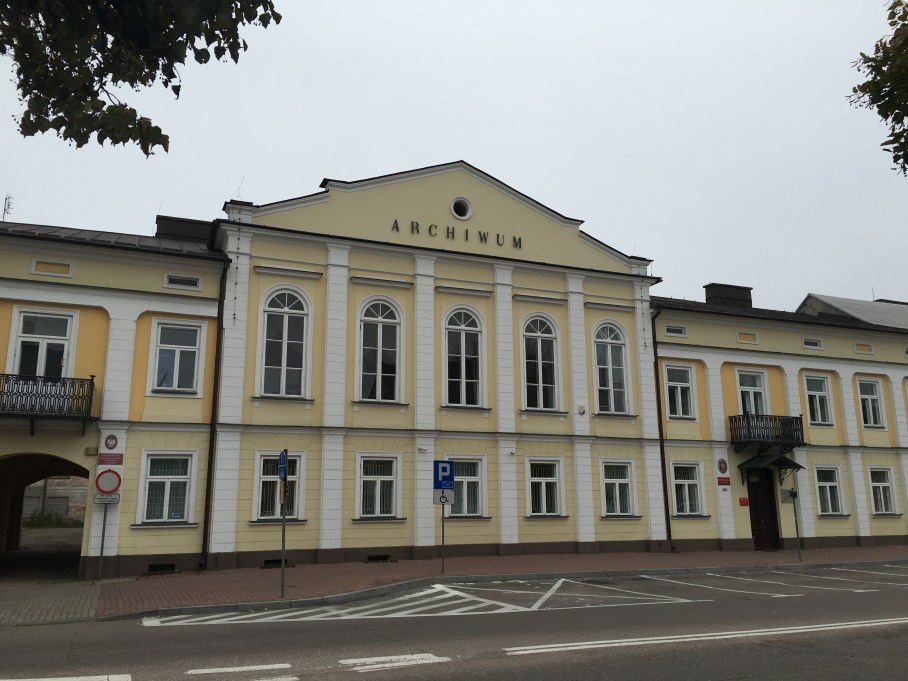
I returned to Kosciusko where I walked past the State Archives. Their digital resources have been invaluable in my research.
img_8427

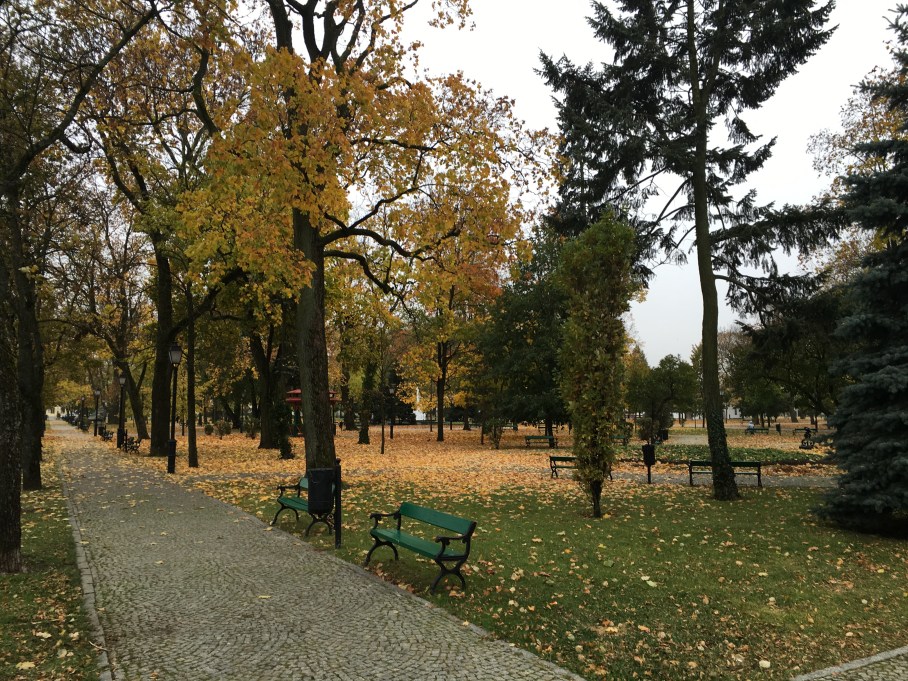
I finally reached the old market, now occupied by a ‘romantic 19th-century park’ as described in my guidebook.
img_8436

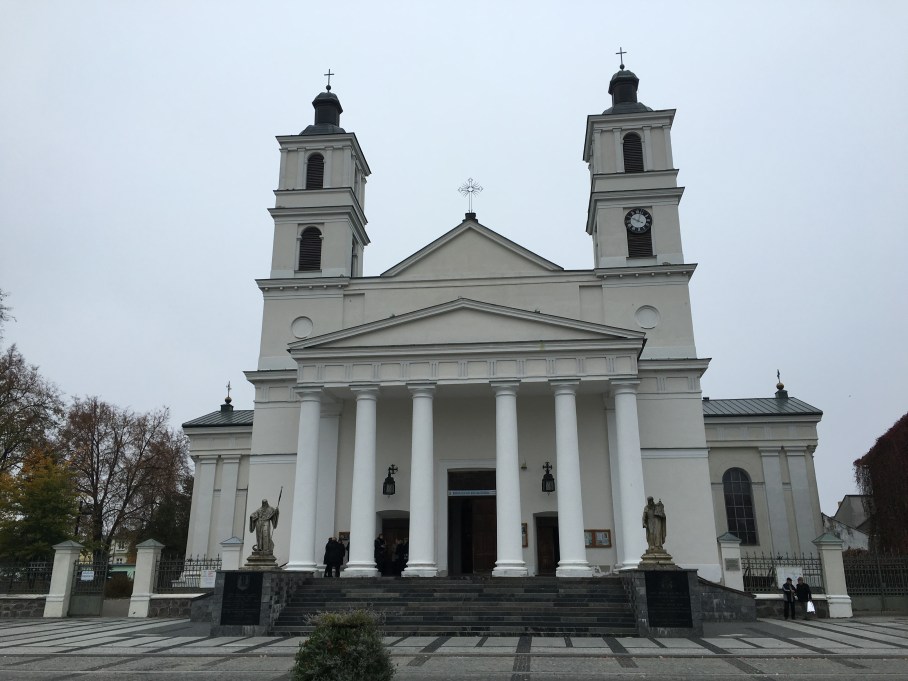
On one end of the park stood the neoclassic Cathedral of Saint Alexander.
img_8443

On the other stood the modest town hall.

img_8455

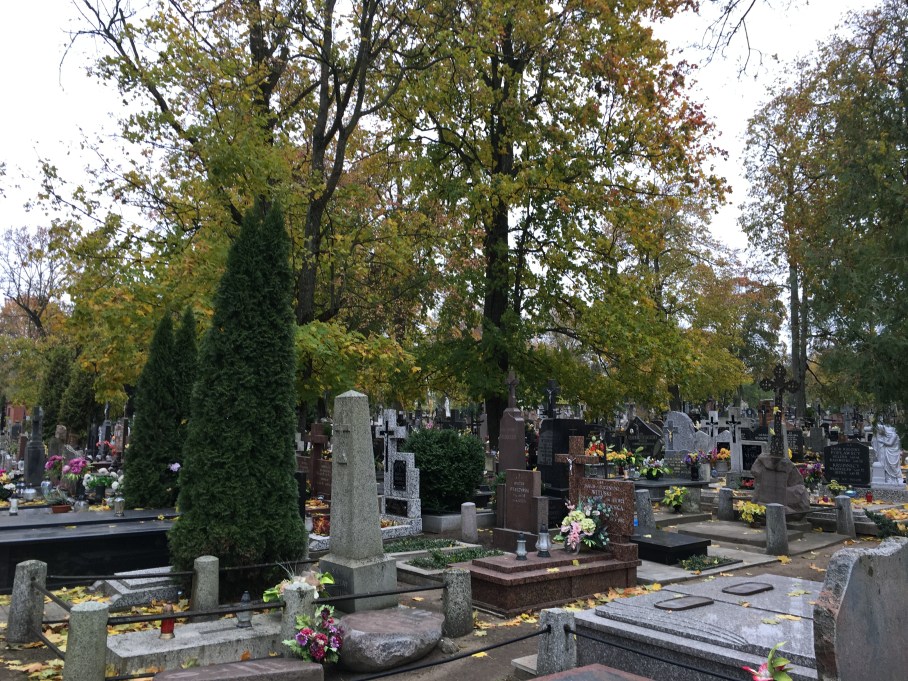
From there I walked across the Czarna Hancza River, which once divided Suwalki into two parts. Picked up a coffee on the way. I arrived at the cemetery by 10:40.
img_8507

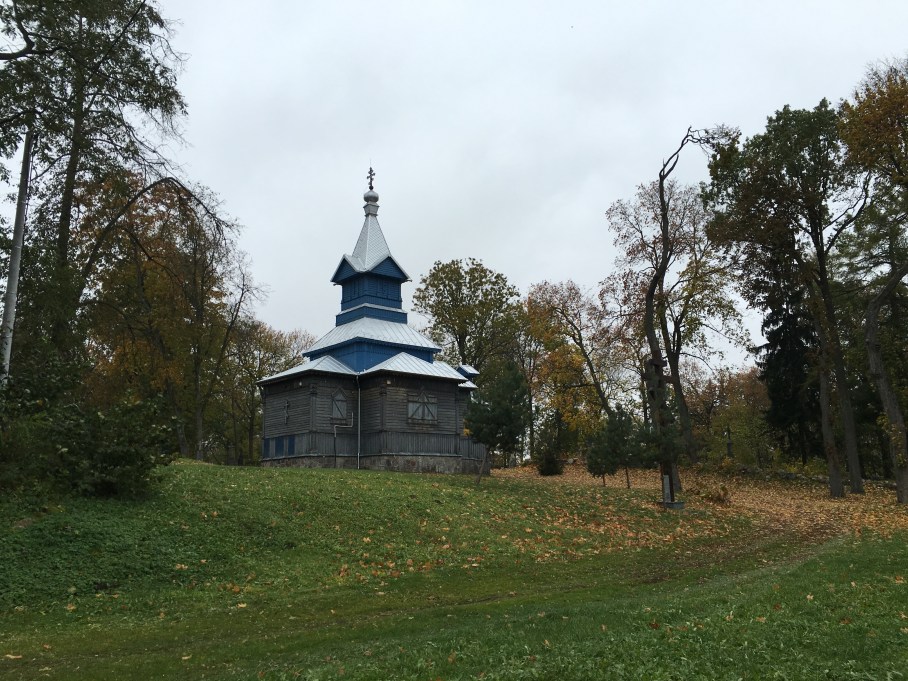
The cemetery is appropriately named the ‘Seven Faiths Cemetery Complex’ as it contains designated areas for interment by Roman Catholics, Old Believers, Orthodox, Lutherans, Calvinists, Jews and even Muslims. I ignorantly did not expect a Muslim presence in Suwalki, Poland…. Tartars, of course.
img_8500

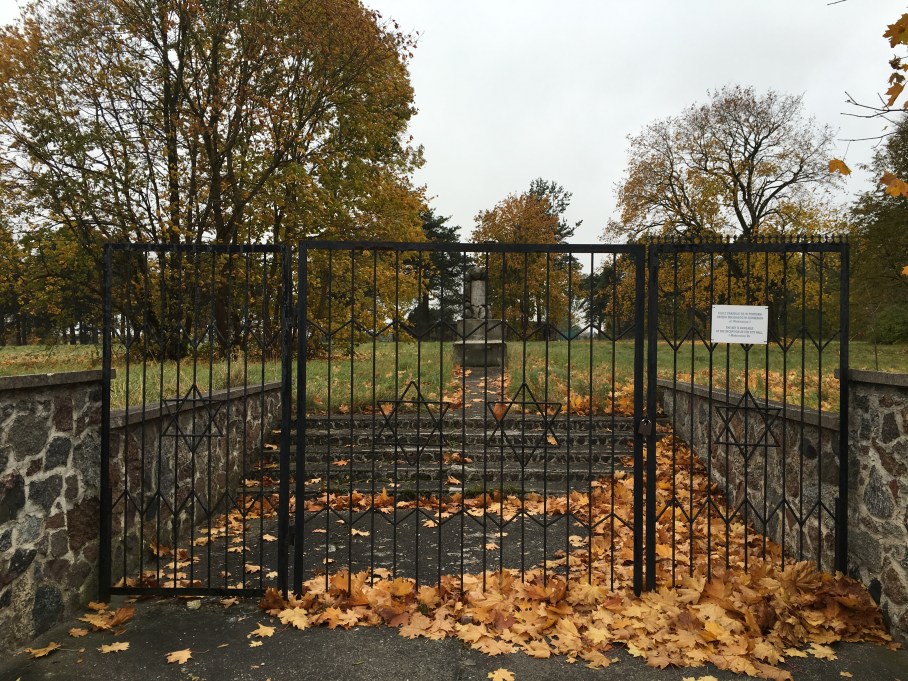
I read that there has recently been a good deal of vandalism in the Jewish section, presumably why it was locked. I looked both ways for cars and then hopped the fence.
img_8499

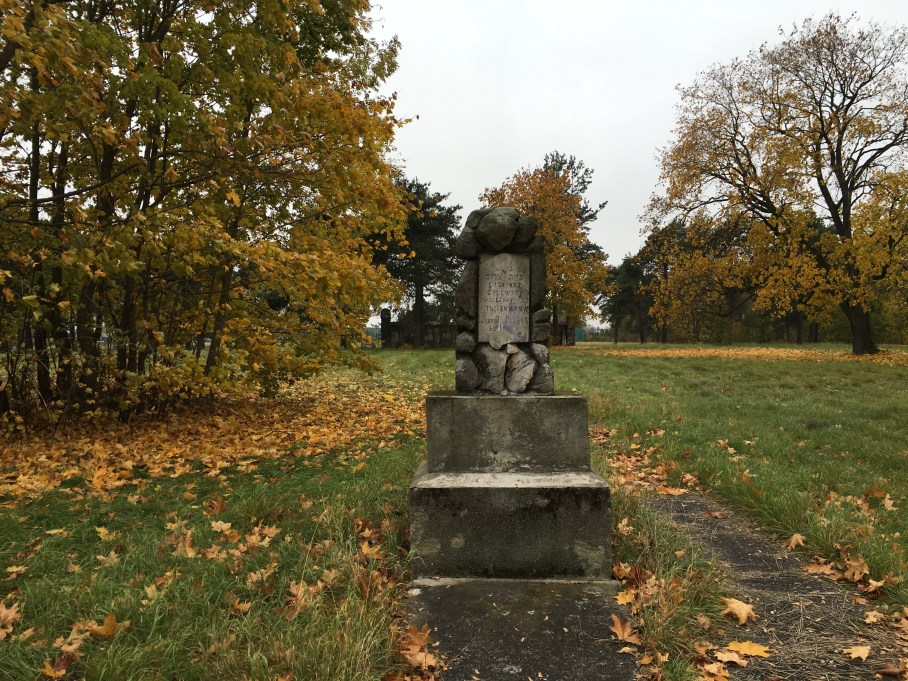
The Jewish section was expectedly destroyed by Nazis, but it stood out more than usual because all other sections were intact.
img_8498

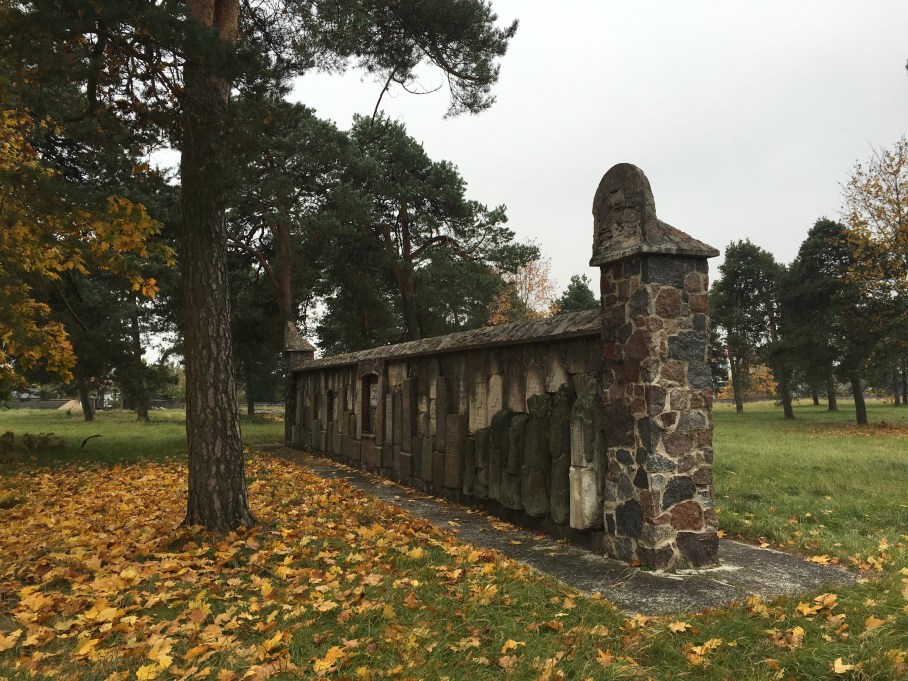
The central monument incorporated pieces of destroyed headstones. It was both haunting and beautiful.
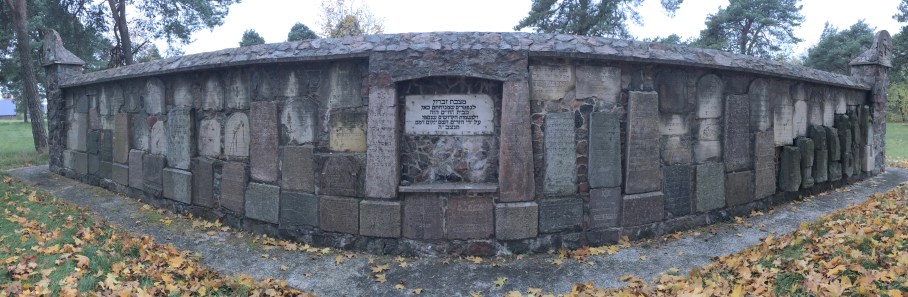
img_8466img_8472

I spent some time looking for family names, to no avail.
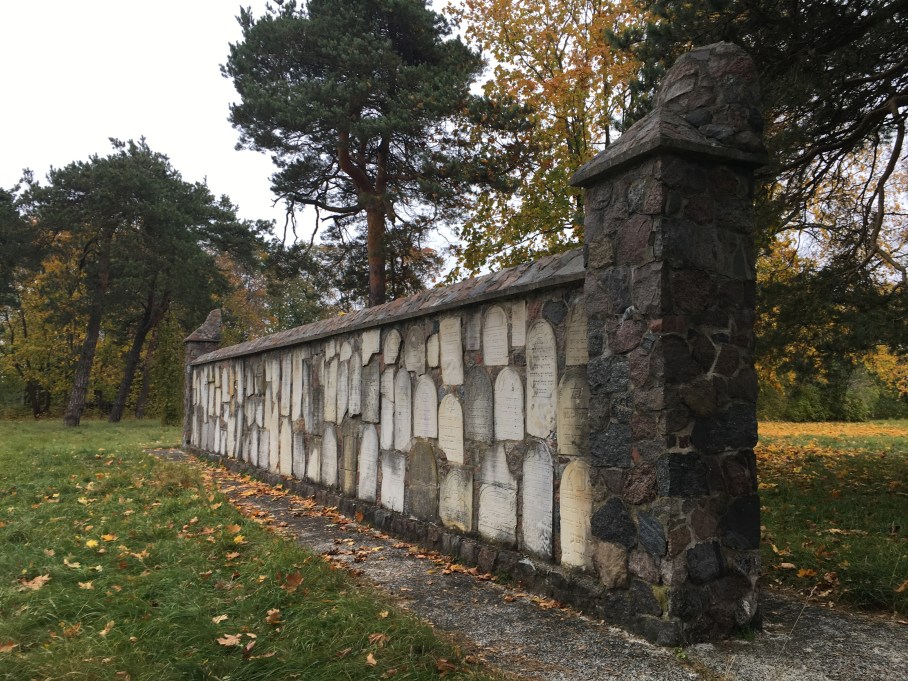
img_8481

The remainder of the cemetery was sparsely occupied. In one portion lied a row of nameless tombs. This is where I said Kaddish.
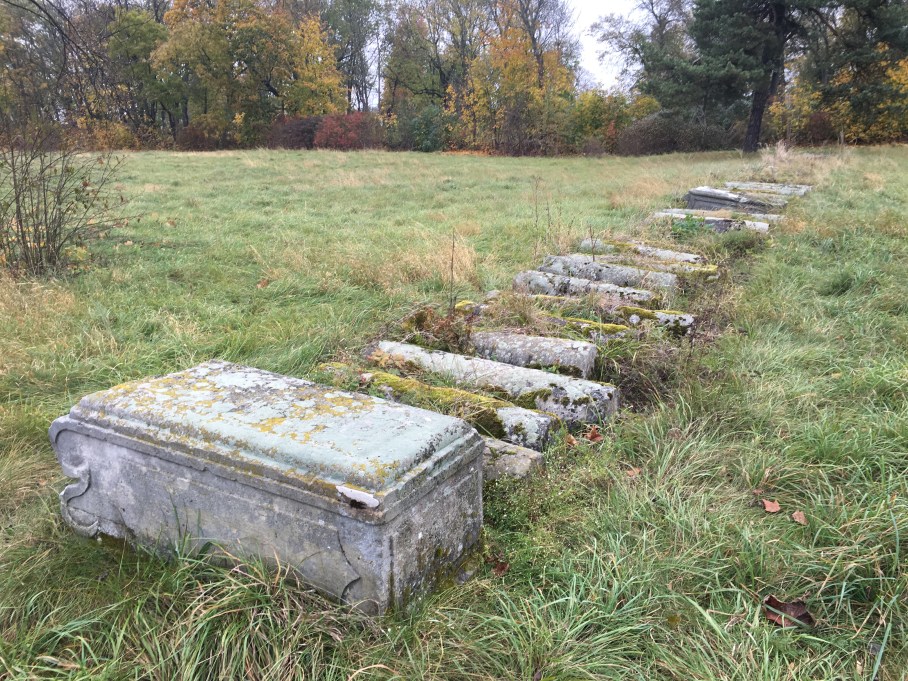
img_8485

At another corner I found the Adelson family plot. They were the last Jews of Suwalki.
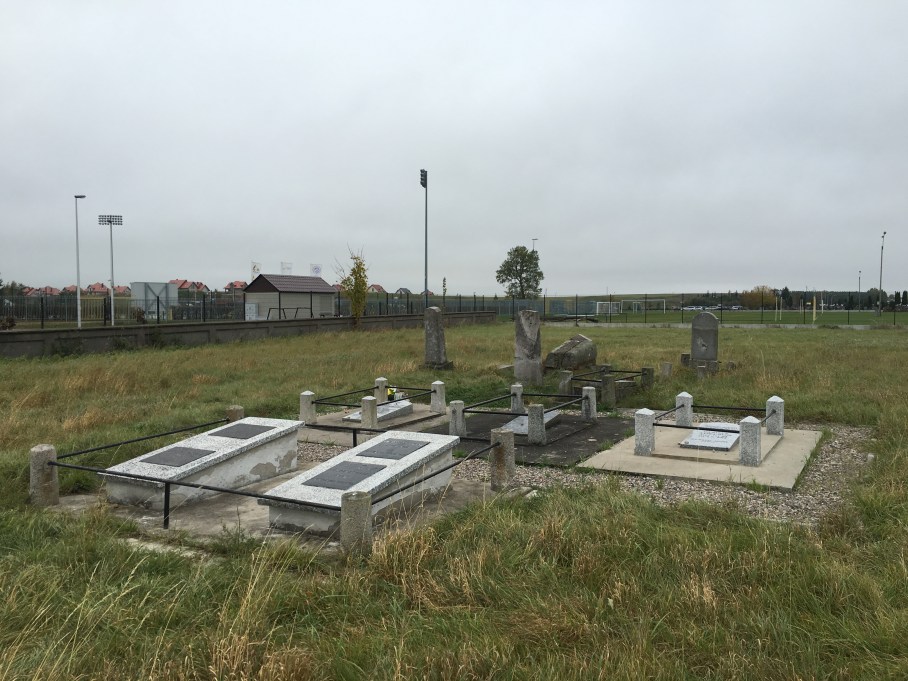
img_8492

I stumbled upon a collection of broken stones cemented in the ground. They must not have made the cut for the memorial.

img_8496

I passed a horse and buggy  on the way back to center.

img_8508

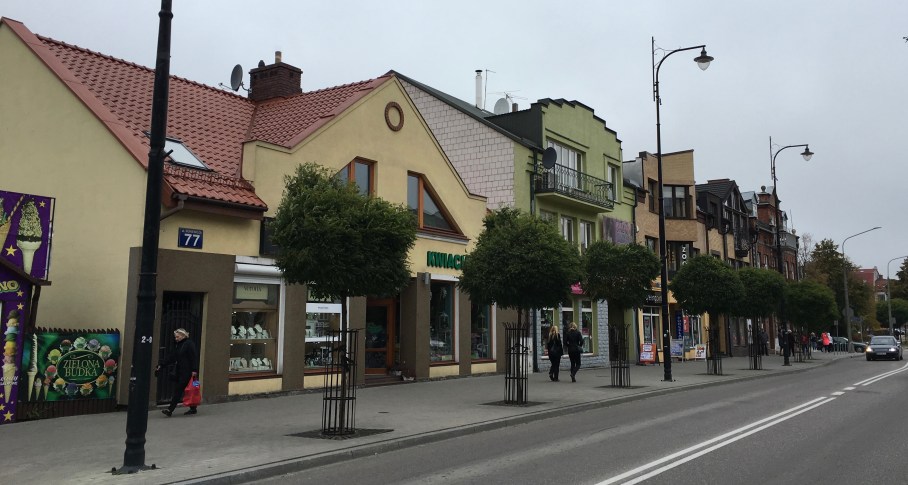
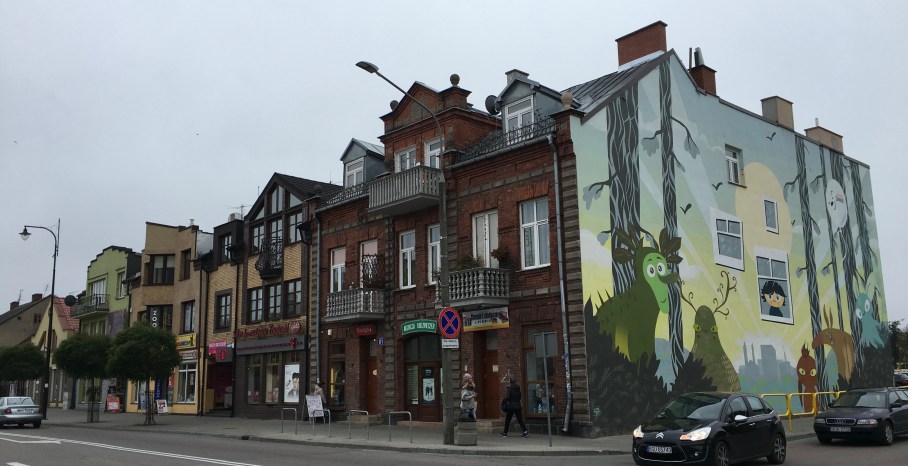
Walked one block past Kosciusko Street to Teofila Noniewicza Street. Once called ‘Jerusalem Street’, Noniewicza and her surroundings accommodated the vast majority of Jewish residents and structures.  An 1808 census recorded 44 Jews living in Suwalki, within thirty years they were the majority.
img_8557

The patriarch of the Avner family (and perhaps first to use the surname) was Leib Avner, born circa 1740. Along with his three sons (Joshua, Eliezer and Hirsch) Leib presumably moved to Suwalki soon after her incorporation into Napoleon’s empire. His grandson Isaac married a woman from Seirijai. Other descendants include Yehoshua Zeev Avner, a disciple of Rabbi Salanter and later of Rabbi Diskin. He served as an emissary to Israel in the late 19th century, where he was a founder of Yesud HaMa’ala colony. He was the author of an acclaimed discourse titled Tsir Ne’man. Yehoshua was the great-grandfather of Reuven Rivlin, the President of Israel.
img_8559

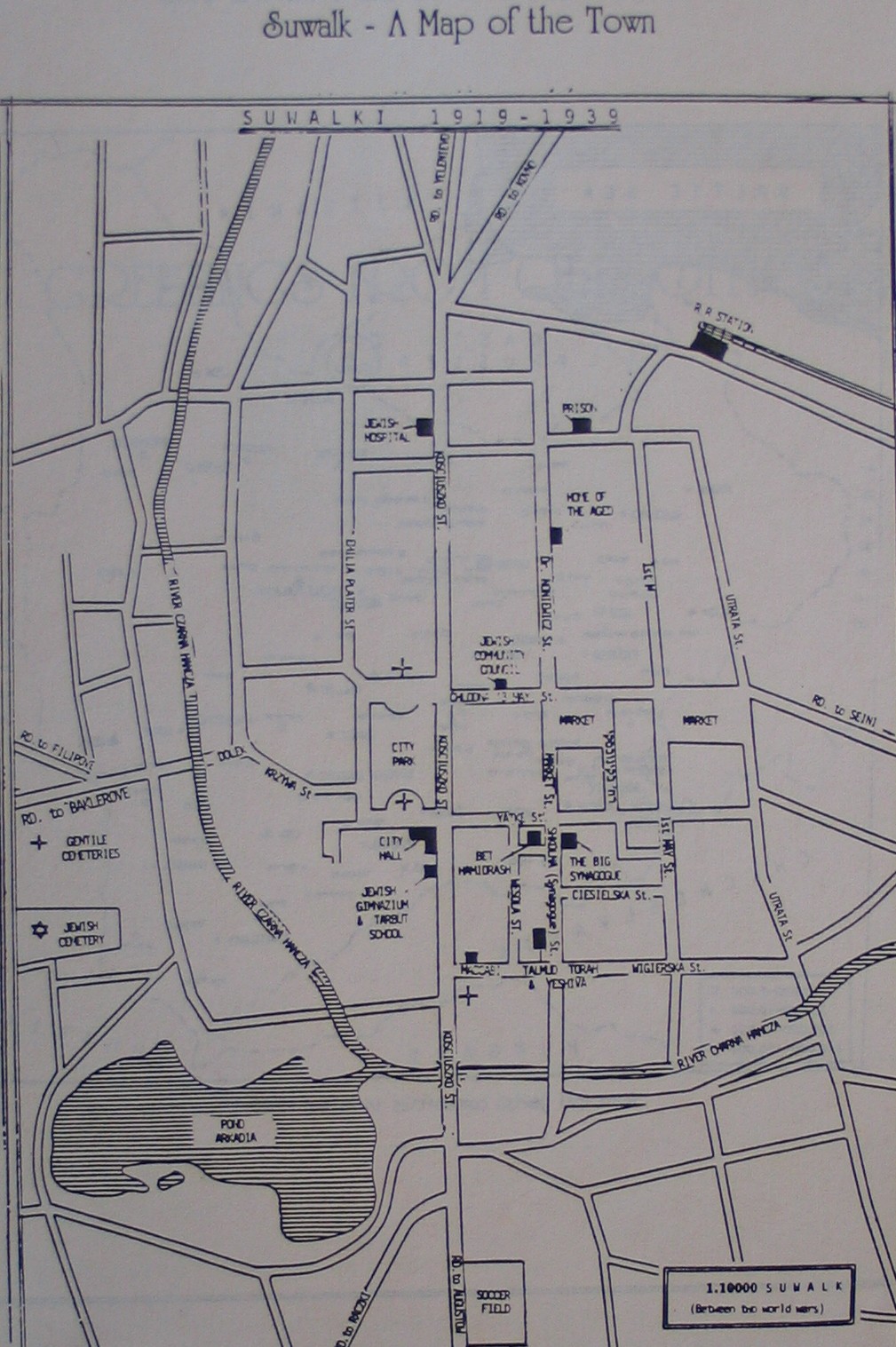
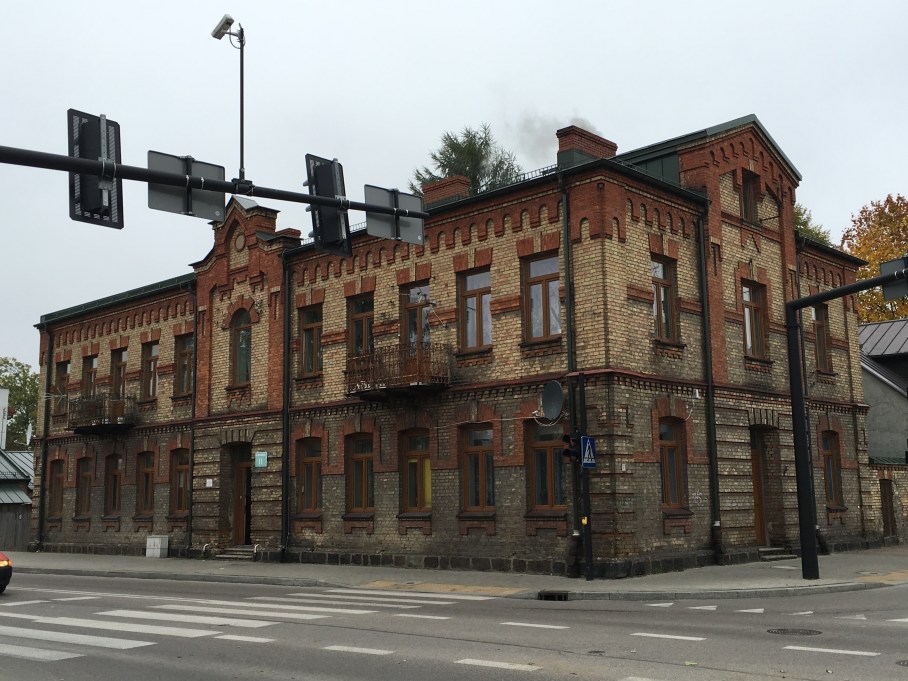
According to an interwar map that I found online, at the corner of Noniewcza and Wigierska stood the Talmud Torah and Yeshiva. There was no plaque, but I imagine this was the structure.
img_8518

Continued up Noniewcza and ventured to the left where I found the birthplace of the militant Zionist Abraham Stern: leader of Irgun, founder of Lehi, and namesake of the ‘Stern Gang’.

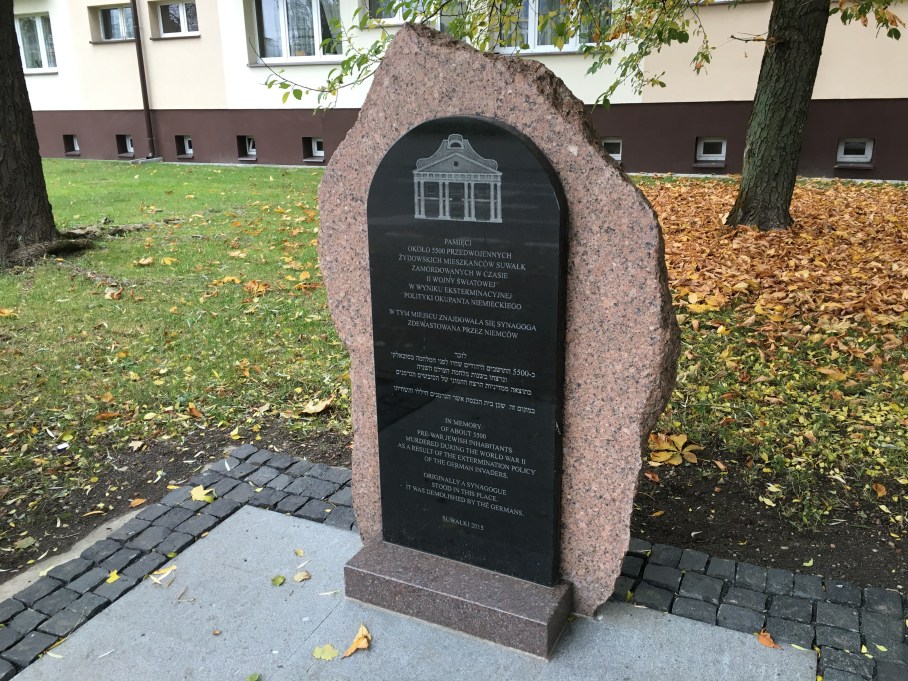
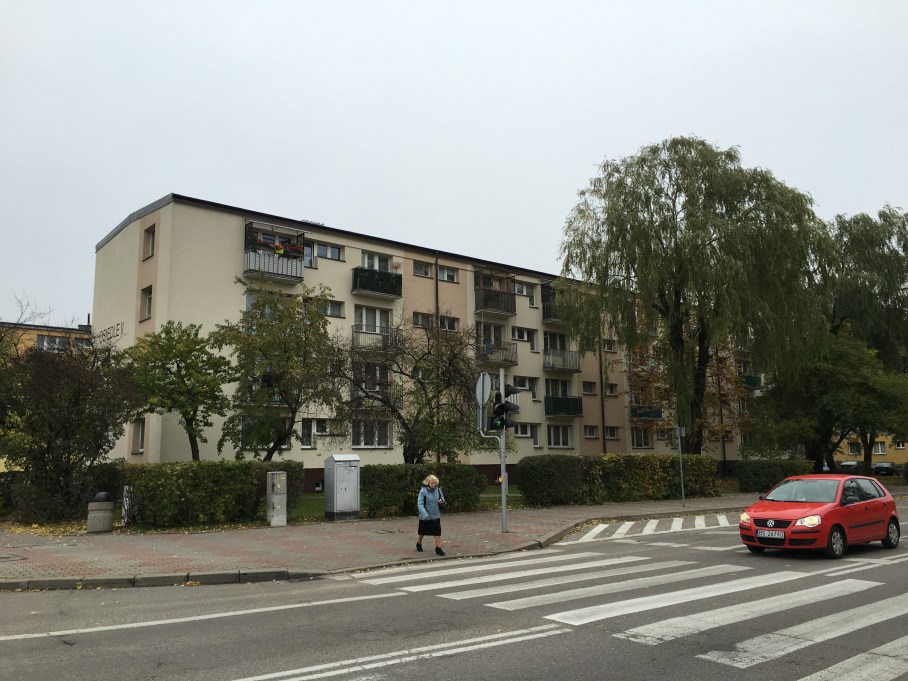
Back on Noniewcza I found the newly erected memorial of the Great Synagogue, built in 1820 and destroyed by Soviets. Across the street once stood the Beis Midrash.
img_8528img_8532

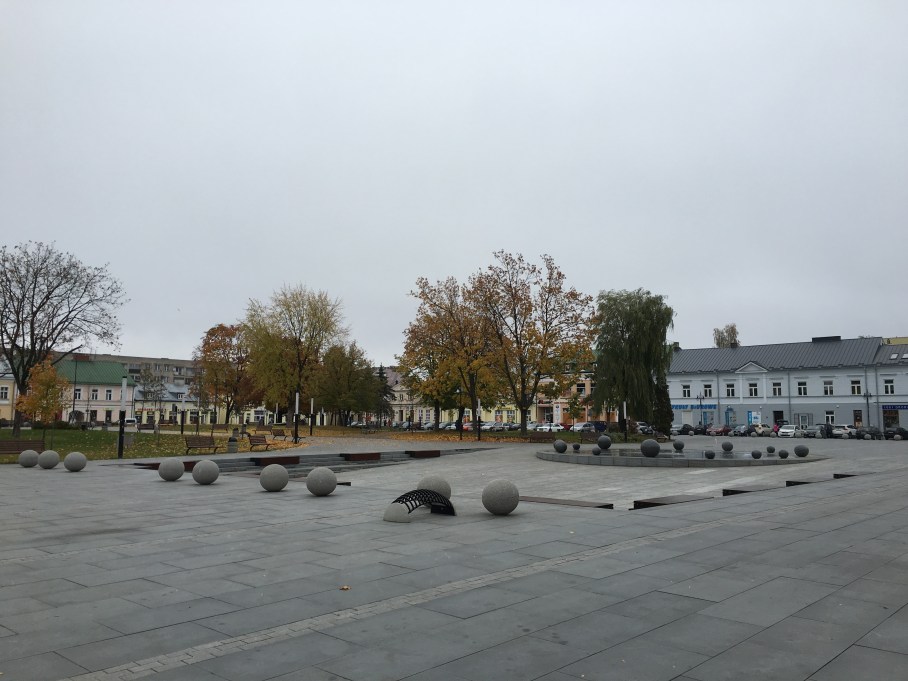
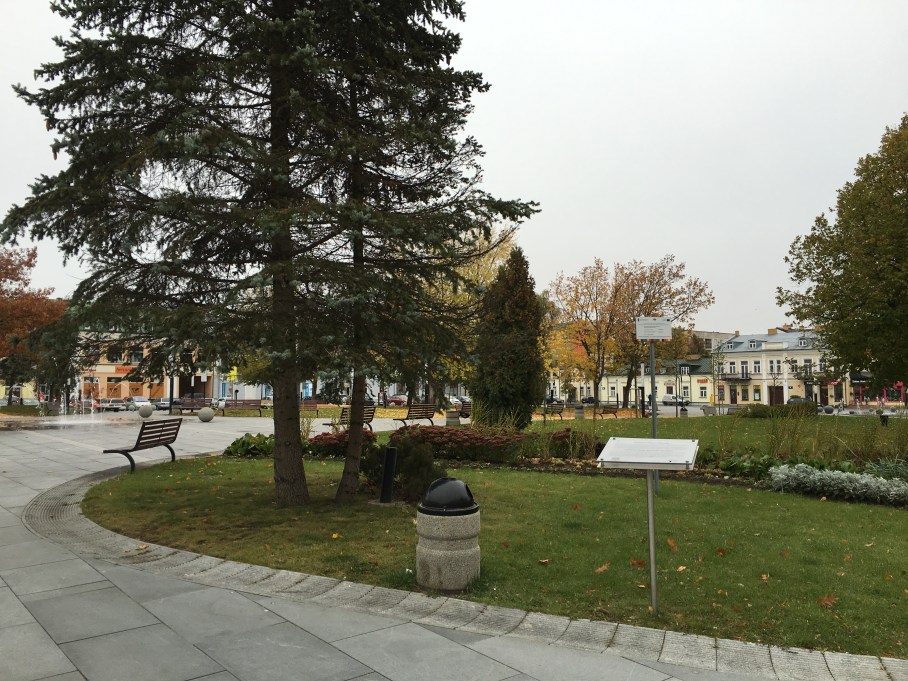
Further up the road I found the New Market, where my peasant ancestors probably sold their crafts.
img_8542img_8545

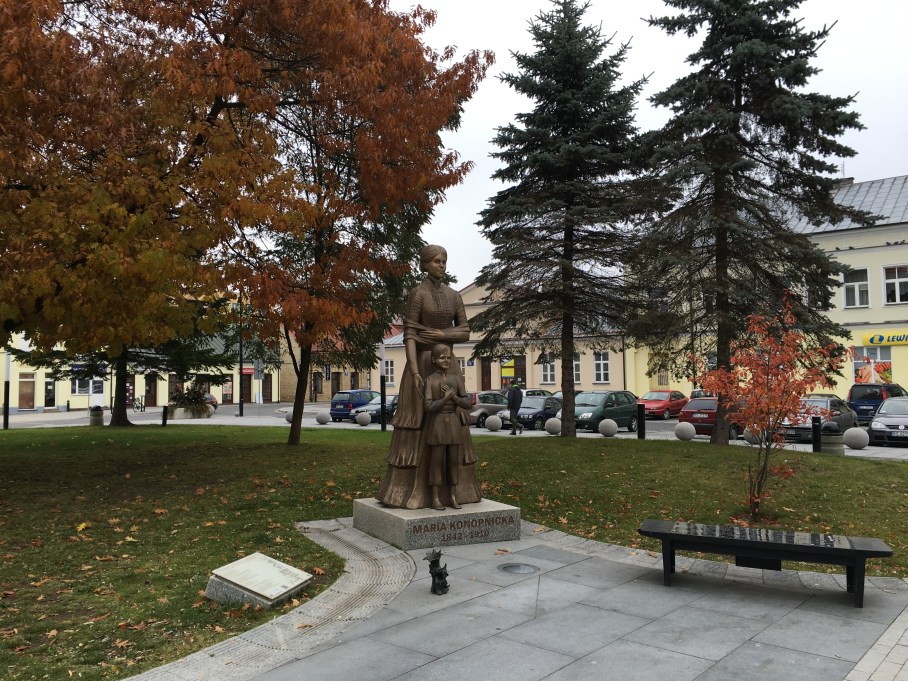
It now hosts a statue of Maria Konopnicka, a Suwalki native.
img_8551

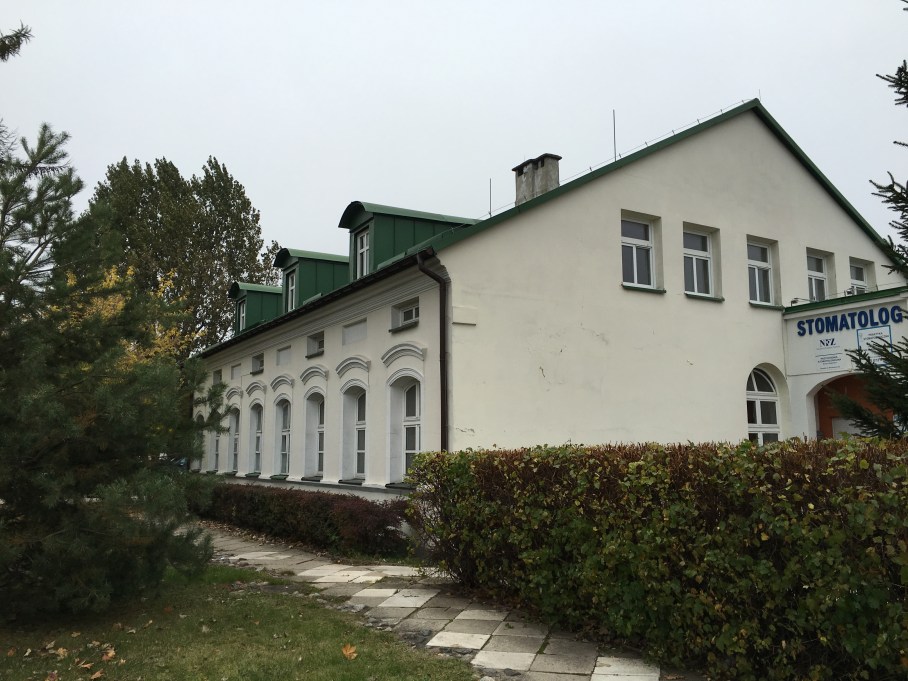
Further up the road I found the former Jewish Old People’s Home, now the Youth Center of Culture.
img_8561

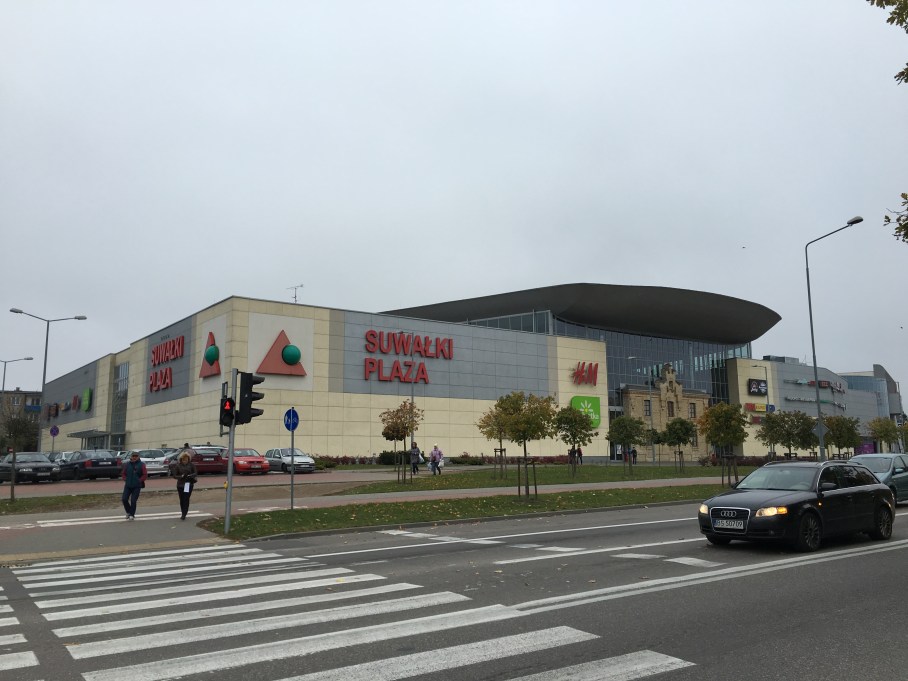
Got in touch with Kristiaan at noon, he had an unfortunate morning. He took the morning bus to Krzywe, but the tourist center was closed. He couldn’t rent a bike. He’d spent the last hour trying to hitch a ride in the freezing cold, without success. We decided that I’d take a taxi to him and continue on from there. Meanwhile, I couldn’t feel my hands or ears. I quickly went into Suwalki Plaza (shopping mall), which is sadly known as one of the city highlights. I bought gloves, a toboggan, and picked up lunch.
img_8562

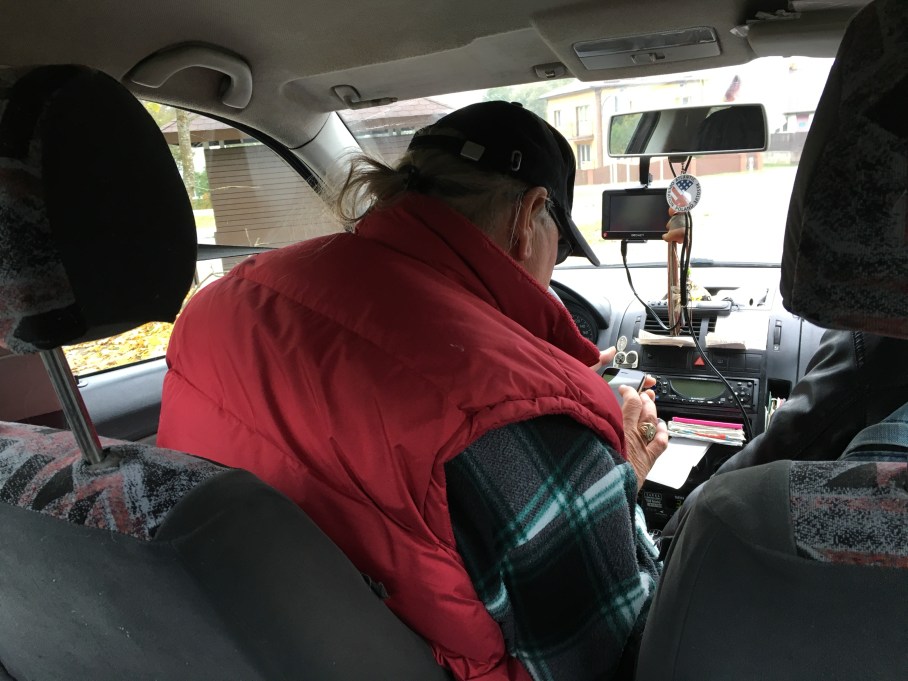
Walked to the bus station where I hailed a taxi to Krzywe. I initially told the driver (upon inquiry) that I was from Canada, but I clarified after he expressed his love for America. He’d spent twelve years there, but particularly loved West Palm Beach where he worked for three months. I told him that my grandparents lived there. He said his name was Rumwald, but that I could call him Ray. Ray and I picked up a frigid Kristiaan at the Krzywe bus stop, and then drove a couple minutes down that road per Ray’s suggestion.
img_8565

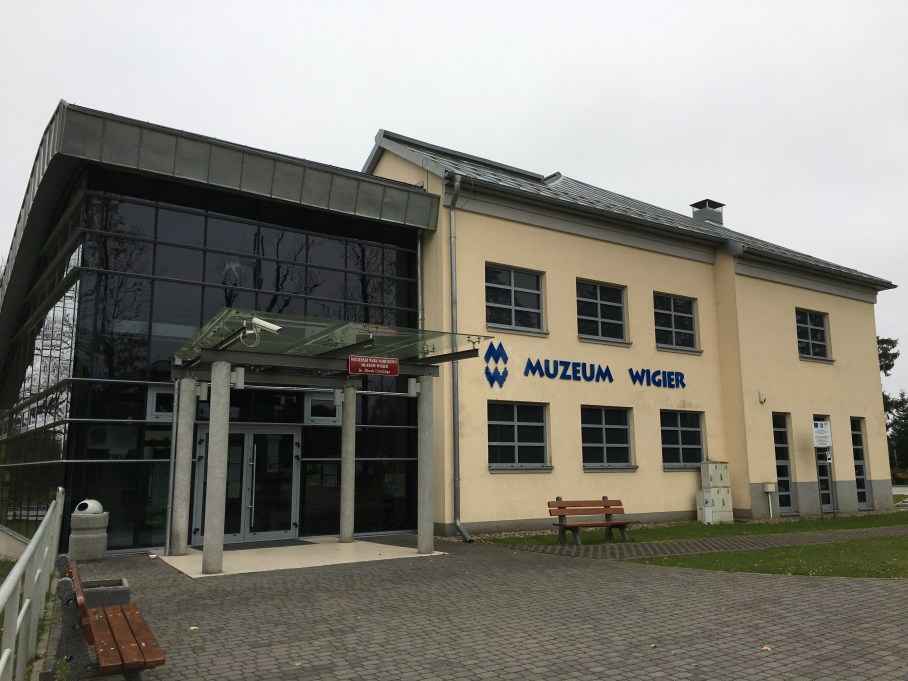
He dropped us at the Wigry Museum in Stary Folwark and then charged us an exorbitant amount for the ride. I’d thought he was my friend.
img_8567

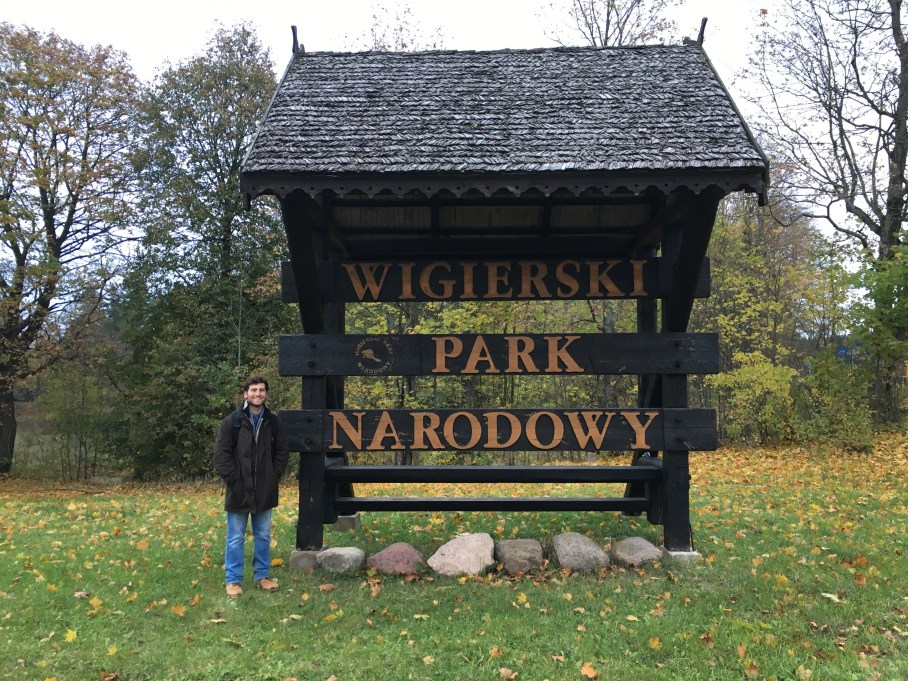
With the assistance of a ranger, Kristiaan and I built a hiking path through Wigry National Park. We started just outside the museum.

img_8568

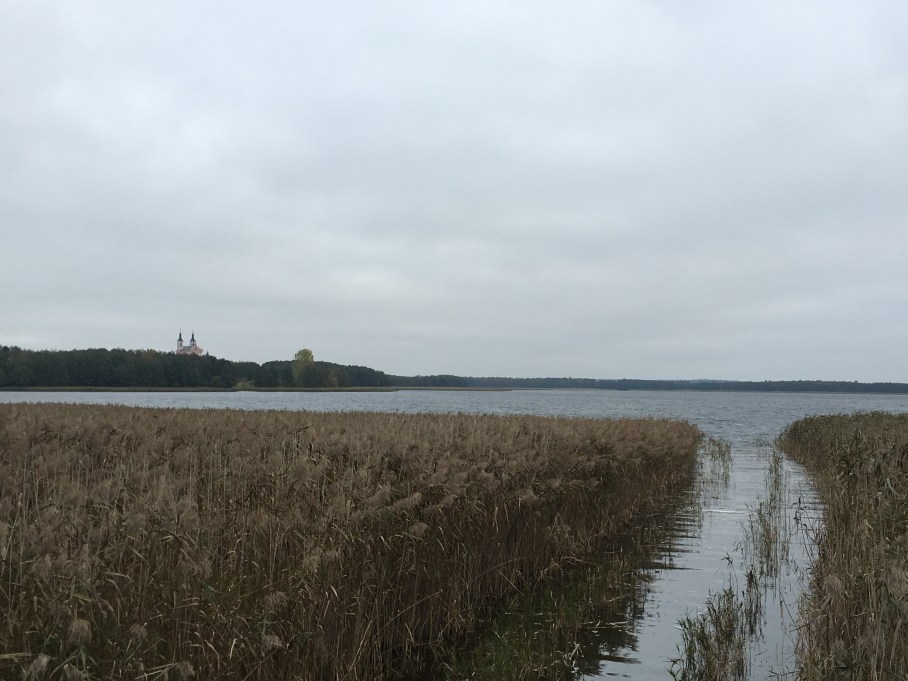
After briefly traveling in the wrong direction we made our way to Lake Wigry, the largest and deepest in the region.
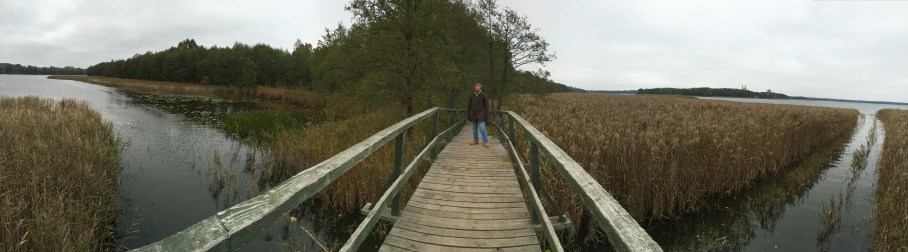
img_8580img_8584

We had an incredible view of the historic Camaldolese monastery on Wigry Island, built in the late 17th century.
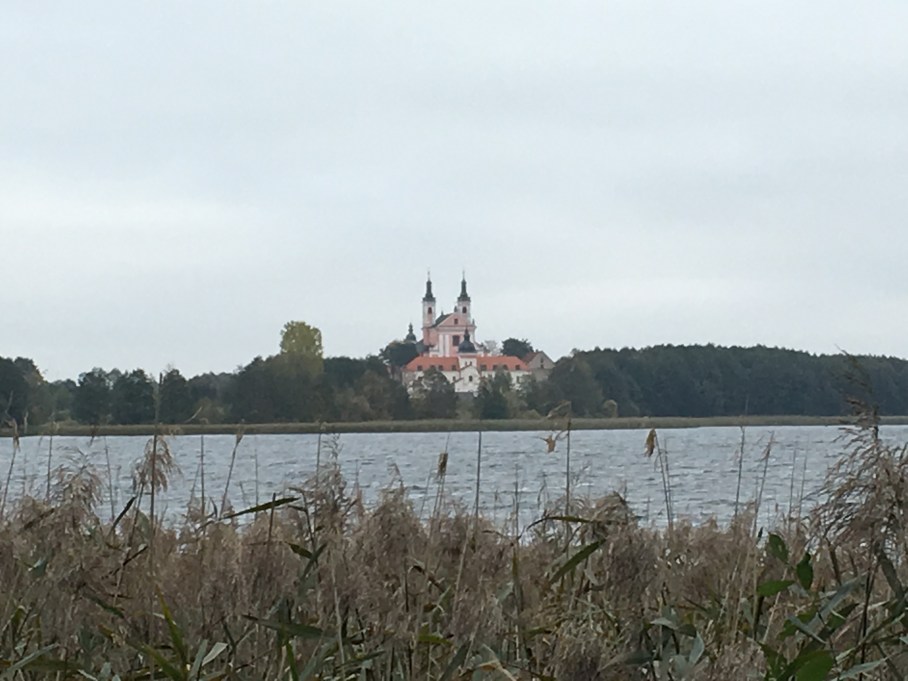
img_8585

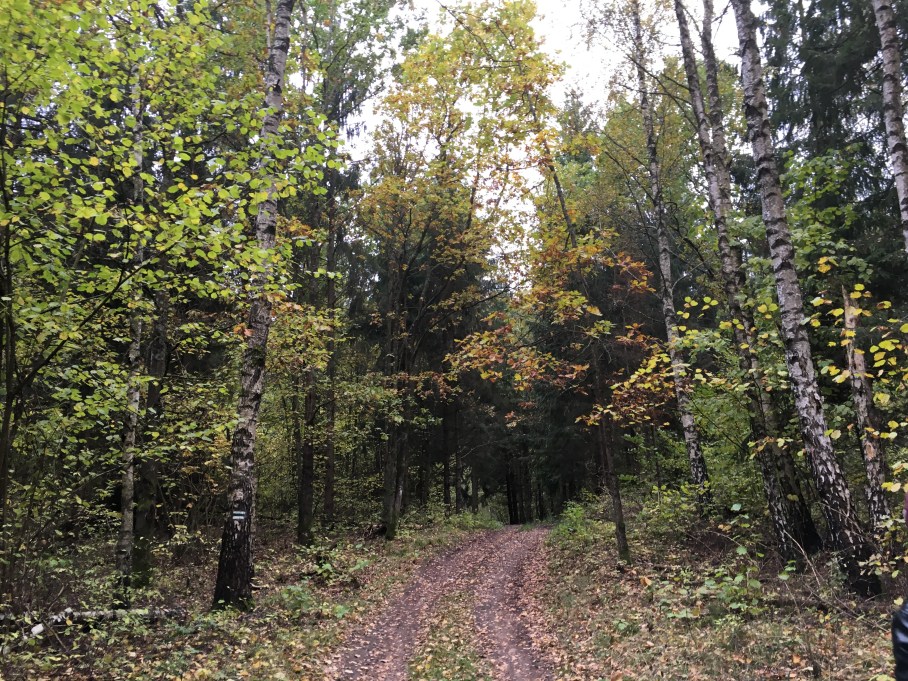
We continued along our path until we reached the wilderness. Wigry National Park encompasses the northern portion of Augustow Primeval Forest.
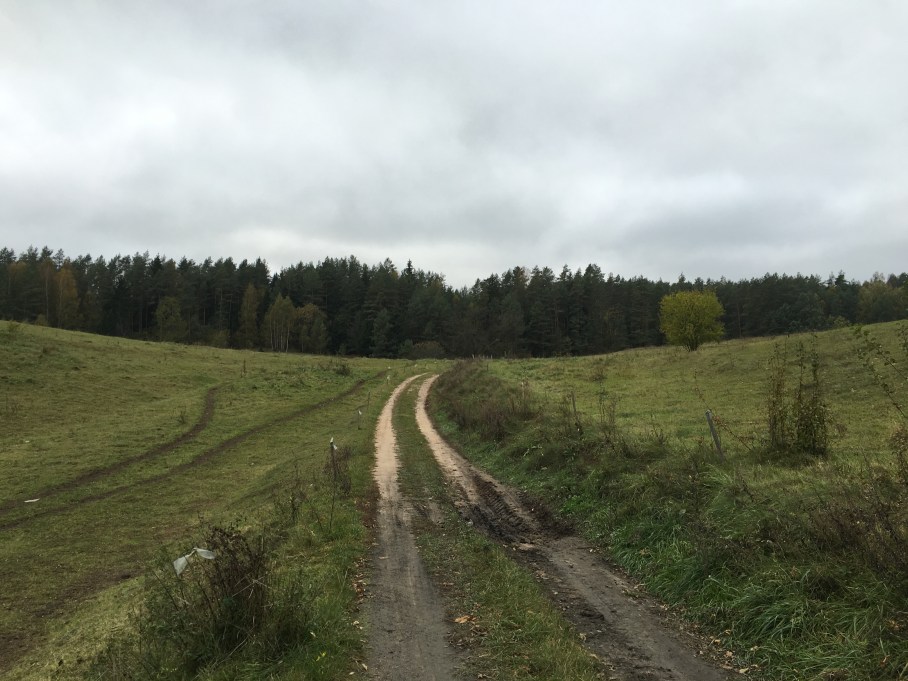
img_8590

An ‘old-growth forest’, Wigry has retained an impressive amount of biodiversity. In early times it was a favorite hunting ground of Polish royalty.  Kristiaan and I were hoping in particular to see a wild hog.
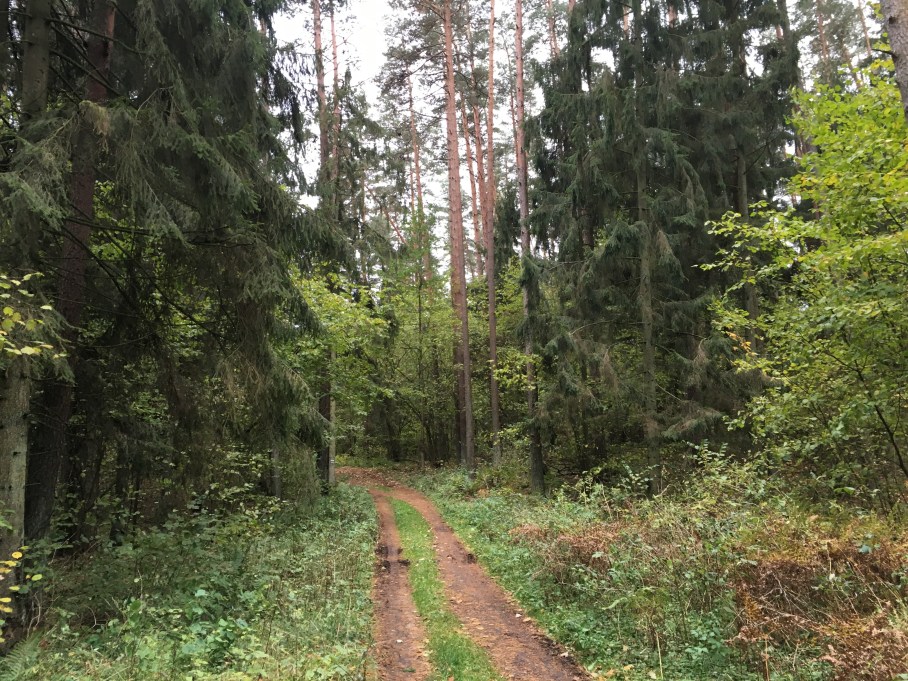
img_8595

The autumn colors were spectacular.

img_8594

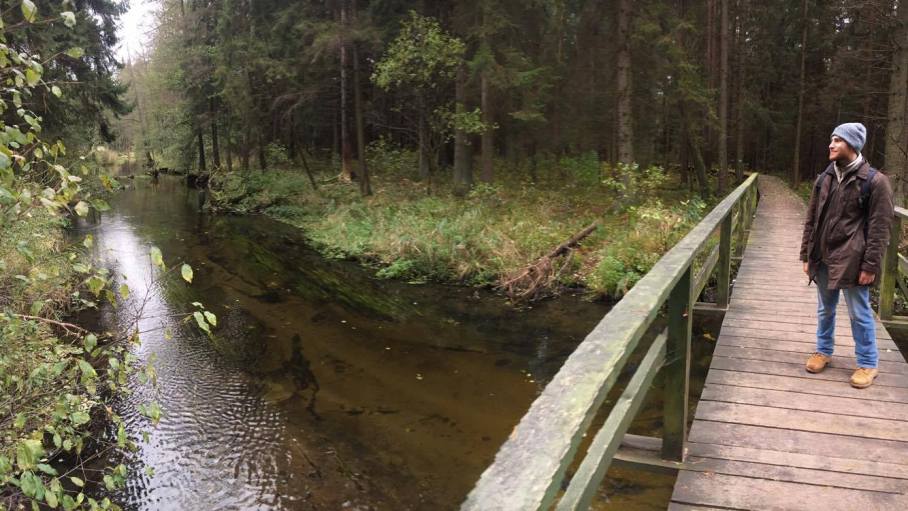
Kristiaan directed us to a river that he was interested in seeing. It did not disappoint.

img_859814689215_10211001530535873_1481449433_o

We trekked back through the forest until we reached Krzywe. We’d hiked at least ten miles. Waited until the bus picked us up at 5:00.
img_8607

Got off at Suwalki Plaza. I blogged for a couple hours and then we grabbed dinner- KFC and Subway.
Our bus left from the station at 7:50. We arrived in Vilnius just after midnight.