14 October 2016

Packed and rushed to class at 1:00. We learned about minority conditions in Latvia and Estonia. Estonia was even more homogenous than Lithuania during the interwar period, and remains so. In 1918 Jews accounted for less than half a percent of the entire population, and resided exclusively in Tallinn and Tartu. In stark contrast, Latvia was even more multicultural than Lithuania during the interwar period. At least a quarter of the population belonged to a minority group, half of whom were Russian. Jews accounted for five percent of the total population, and received at times parliamentary representation and a degree of autonomy. The community was wrought by conflict between the Yiddishists (proponents of Yiddish language and culture) and Hebraists (Zionists), as in Lithuania.

Had a coffee with Enola after class. I like this routine.

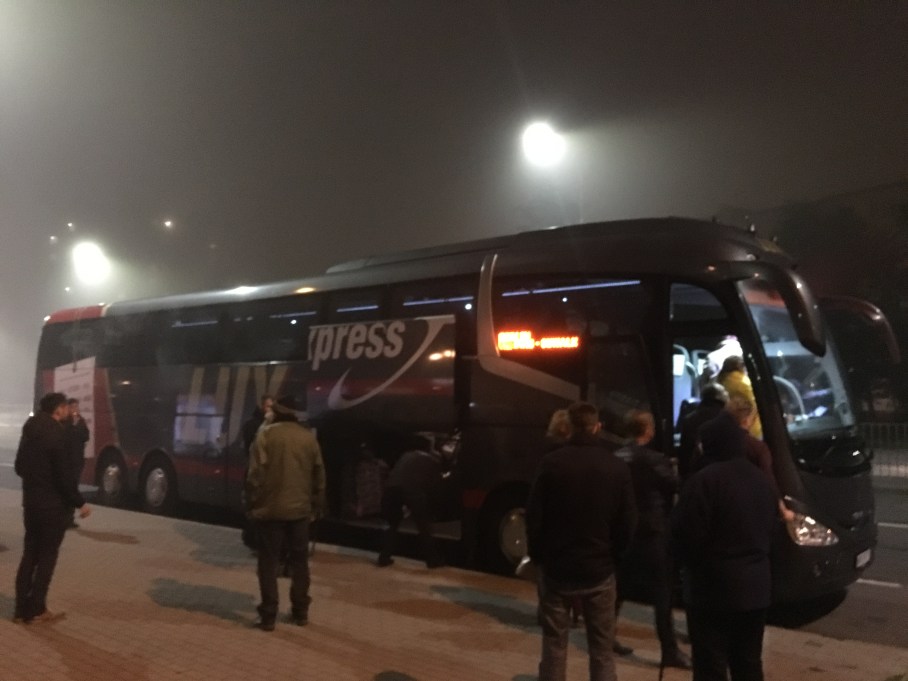
Rushed to the bus station at 3:15 where I met Kristiaan. We boarded a LuxExpress to Suwalki soon after. A few days ago Kristiaan invited me to join him on a weekend trip to a national park, I declined. I have too many towns to see in the relatively little time that remains. Curious nonetheless, I asked him where he intended to travel: 30km south of the border into Poland, a place called Suwalki, he said. I was ecstatic. It’s on my list.

The bus was comfortable- free wifi, outlets. I used the time to plot sights of interest (Jewish and otherwise) on my Google Maps.

img_8373

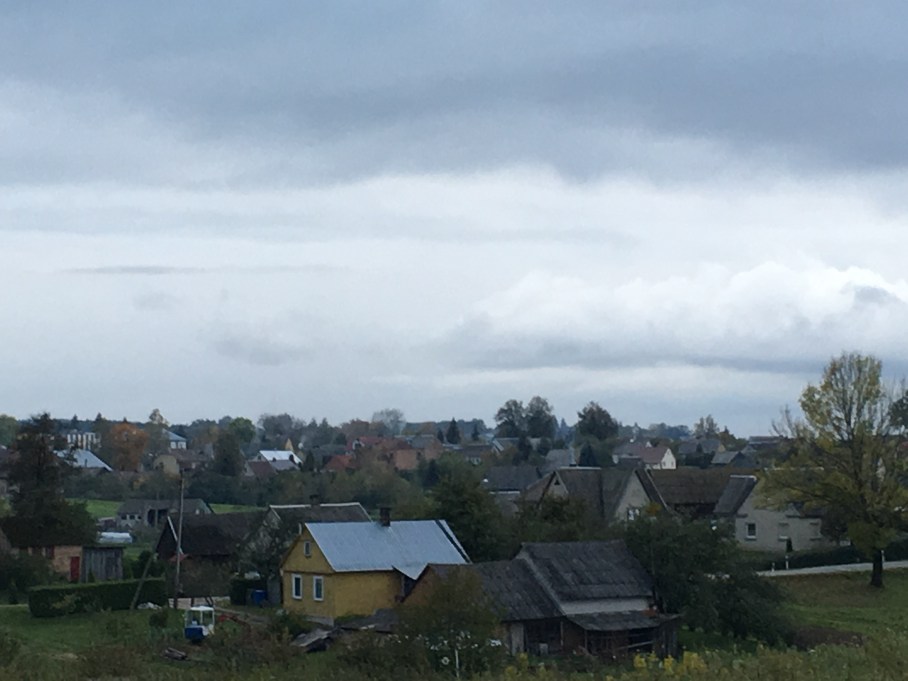
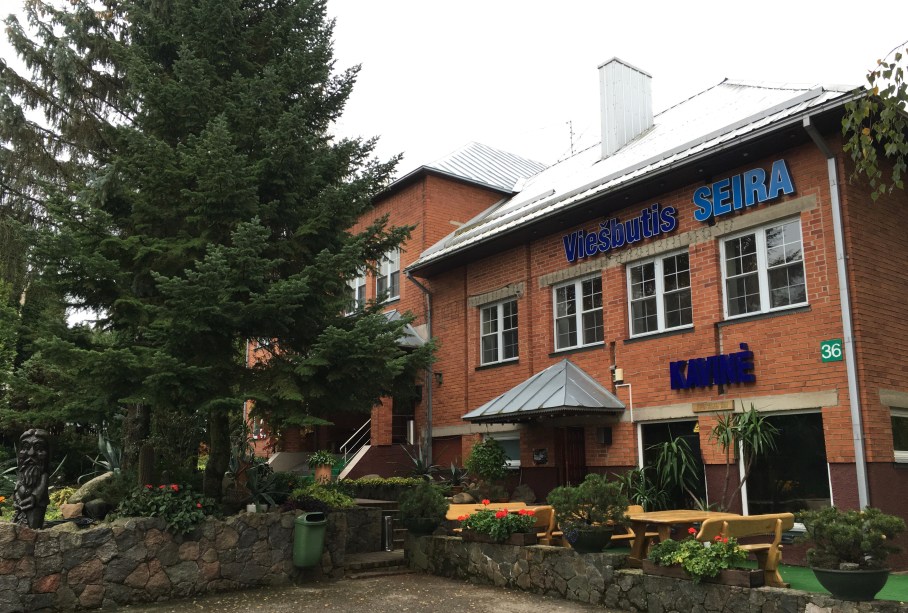
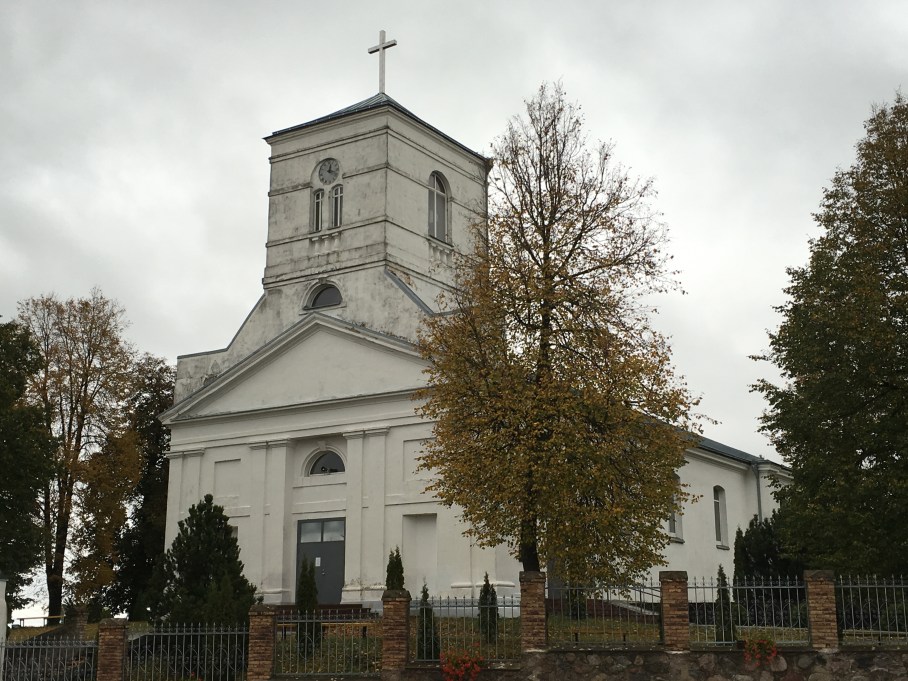
We arrived in foggy Suwalki at 7:00, having gained an hour.  We walked straight to the hotel, unpacked our things, and made our way to dinner.

img_8374

Dinner was cheap, delicious, and the portions were unexpectedly generous. I was so beyond satisfied.

img_8377

Picked up snacks before retiring for the night in my soft warm bed. I’m going to miss this semblance of comfort.

13 October 2016

Picked up lunch on the way to SEB Bank on Gediminas. Made transfers for my tuition and housing. Dropped off the receipt at the office of international programs.

Worked on my Belarus visa at Coffee Inn for the next few hours. Inquired with Regina for assistance. Appreciably anxious, it sounds like applications often get rejected.

11 October 2016

Quickly exercised before meeting Regina at the archives at 10:45. We scavenged through microfilm to find a connection between my Simelsohn family of Marijampole and the larger Simelsohn family of Vistytis, to no avail. I’m determined to make the connection before I leave Lithuania.

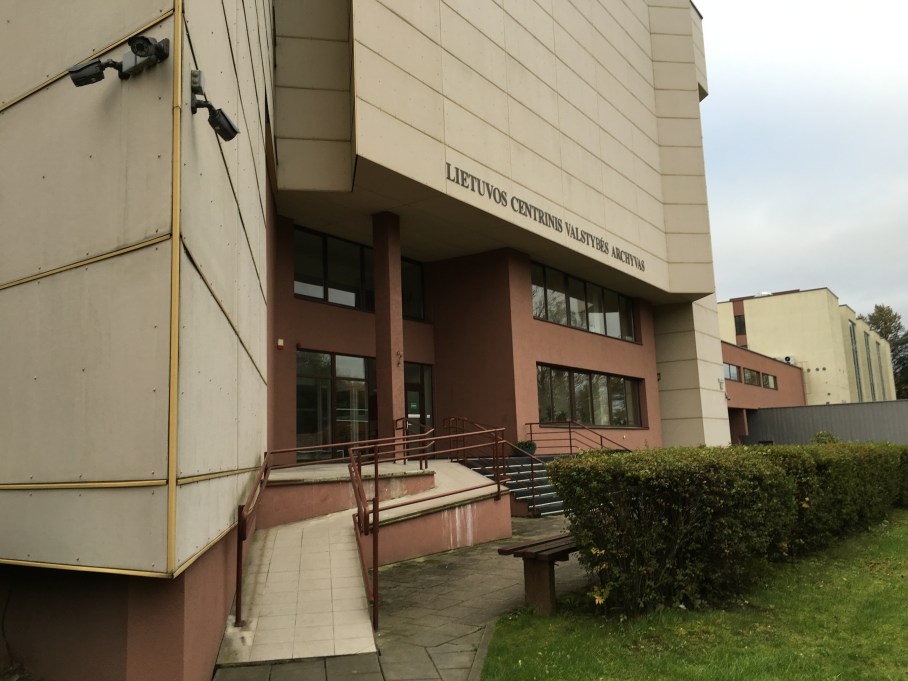
Around 2:00 we made our way to the Lithuanian Central State Archives on the other side of town. Whereas the Historical Archives hold all pre-war materials, the LCVA holds all post-war materials.

IMG_8366.JPG

Regina had ordered claims for damages caused by WWI for the town of Kudirkos Naumiestis. Didn’t find anything particularly useful.

Picked up dinner around 5:00 and then bussed home.

10 October 2016

Did my jump-rope routine this morning. Temperature has dropped real fast, probably not much more running for me.

Talked to Professor Girnius briefly after class, said he was on the way to meet with the ambassador of the European Union to discuss the results of the elections. The Christian-Democrats (conservative nationalists) ousted the Social-Democrats (corrupt socialists).

09 October 2016

Picked up Regina from her polling place at 7:45. Today are Lithuanian parliamentary elections.

We started our long drive to the north in the pouring rain. Thankfully, the roads were mostly empty at such an early hour on a Sunday.

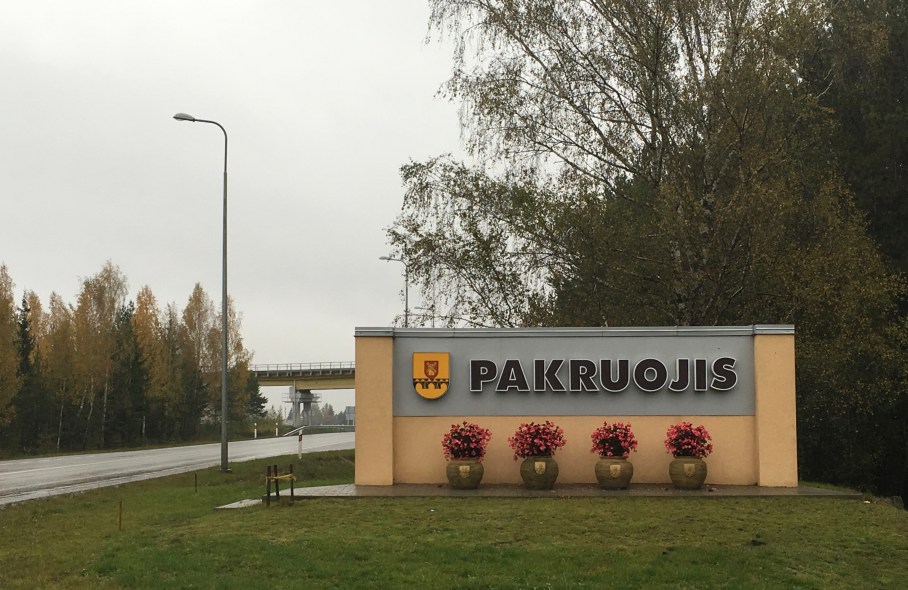
I insisted that we stop in Pakruojis, which was en route.
img_8113

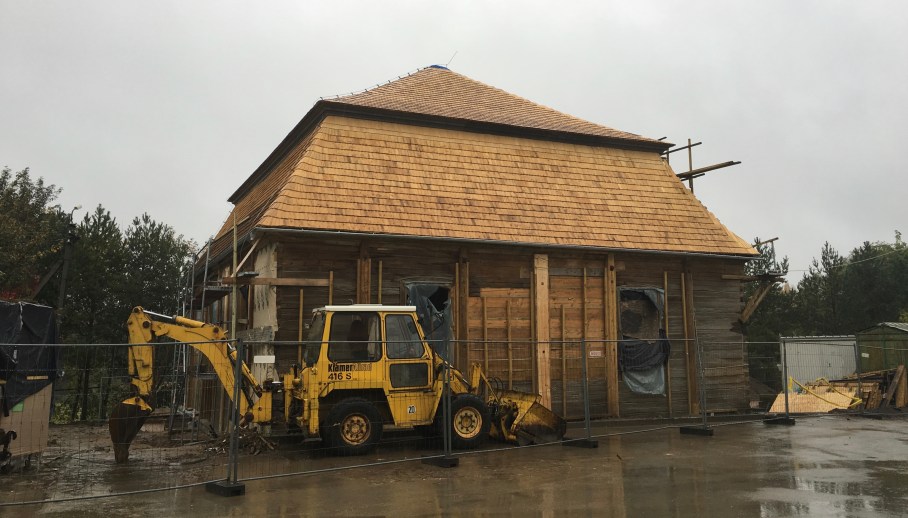
In Pakruojis stands the largest and oldest wooden synagogue in all of Lithuania.
img_8116

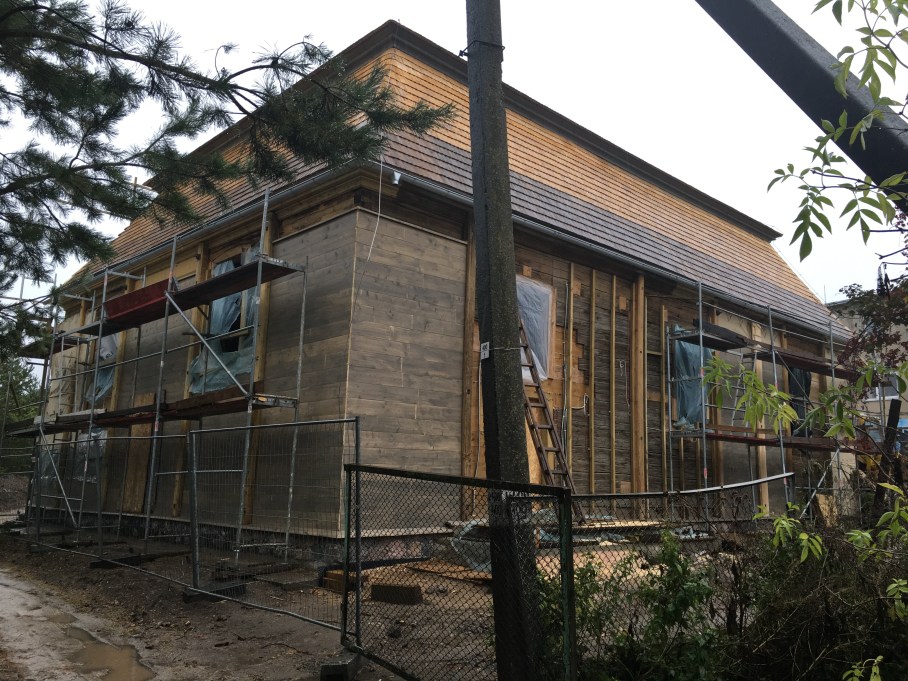
Built in 1801, it is also the only remaining synagogue of the traditional architectural style.
img_8119

I had Brenner relatives married in Pakruojis in the 1880s, probably in this synagogue.
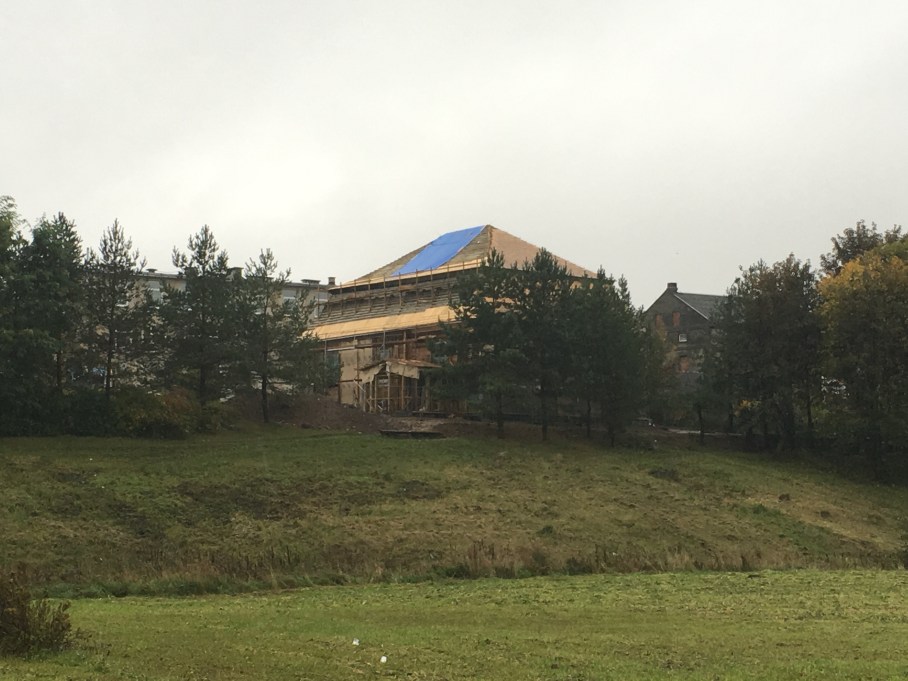
img_8122

From Pakruojis we started down a crummy road to our first shtetl stop, which evoked terrible memories of driving in Ukraine.
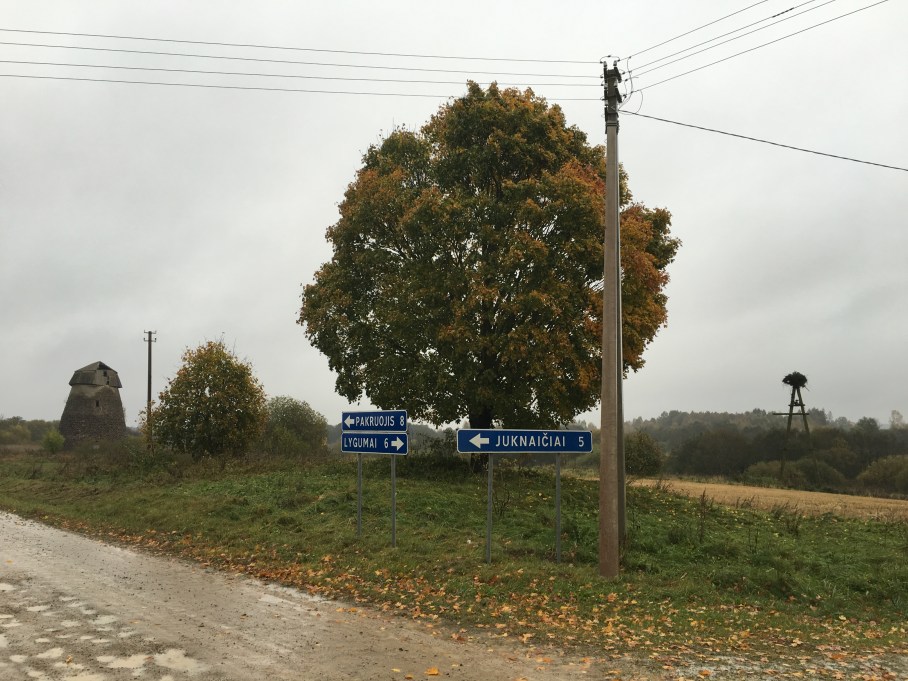
img_8129

Just after 11:00 we arrived in Lygumai, birthplace of Minnie Brenner.
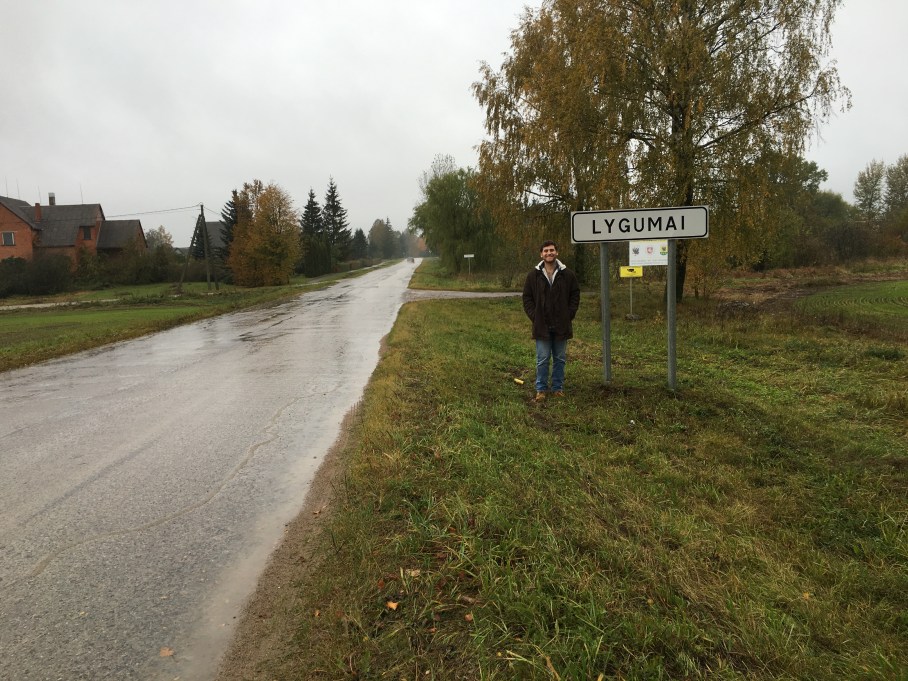
img_8131

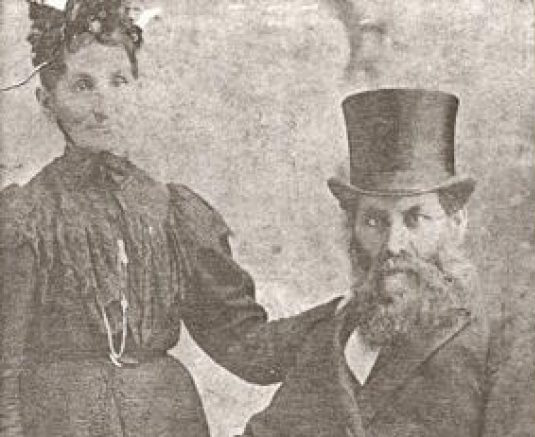
Her nephew was Victor David Brenner, whose initials grace the bottom of Lincoln’s right shoulder on every US penny.
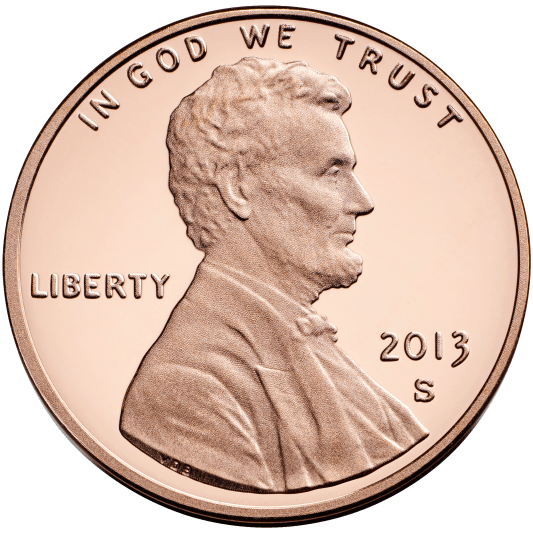
us_one_cent_obv

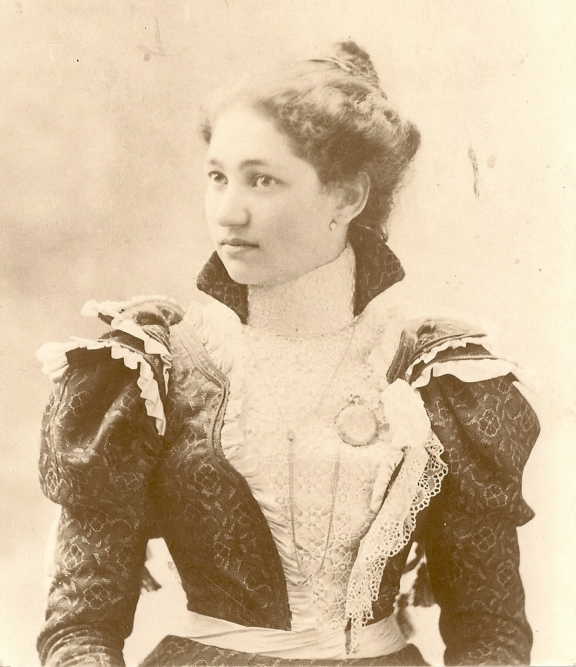
Minnie married Moses Smulson (c. 1870) with whom she raised five children in Riga, Latvia. One daughter was the grandmother of my Nana.
cropped-11755150_10153106230833412_6764156121326989204_n

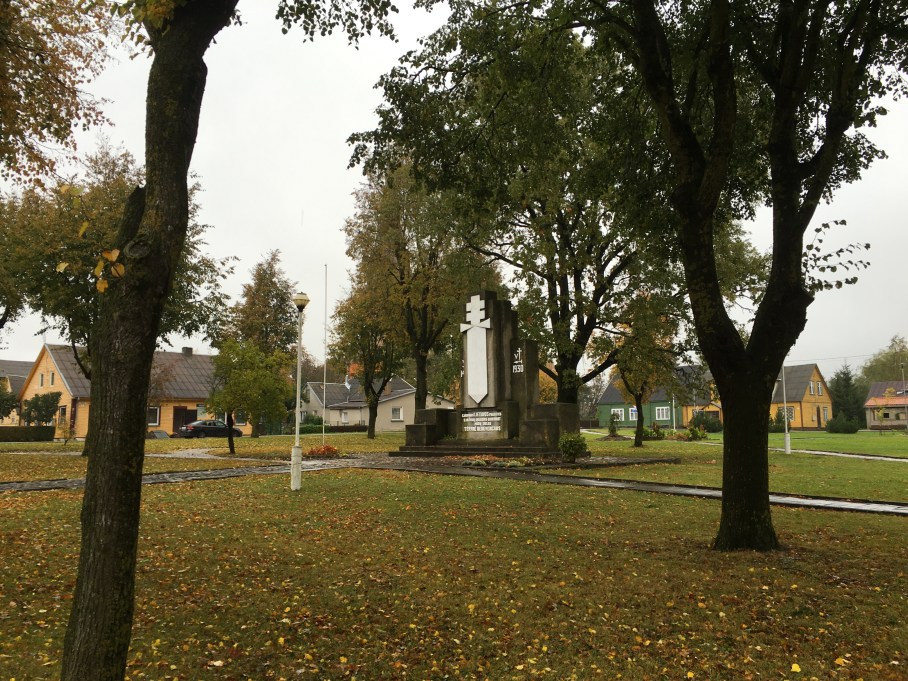
I was unimpressed by town square, but perhaps it was just the weather or my utter exhaustion.
img_8148

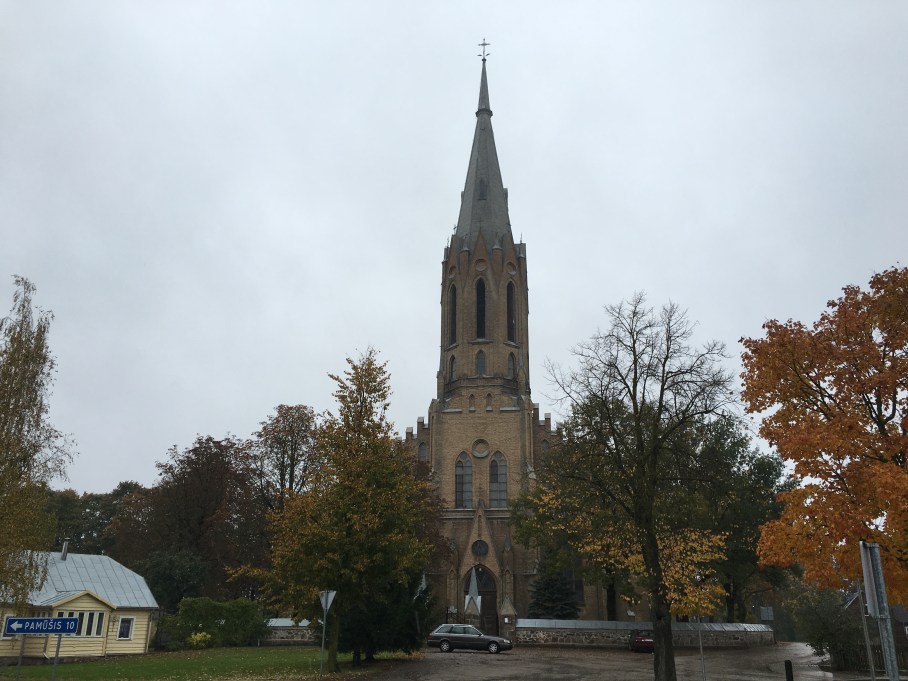
The tall gothic church sure caught my attention though.
img_8133

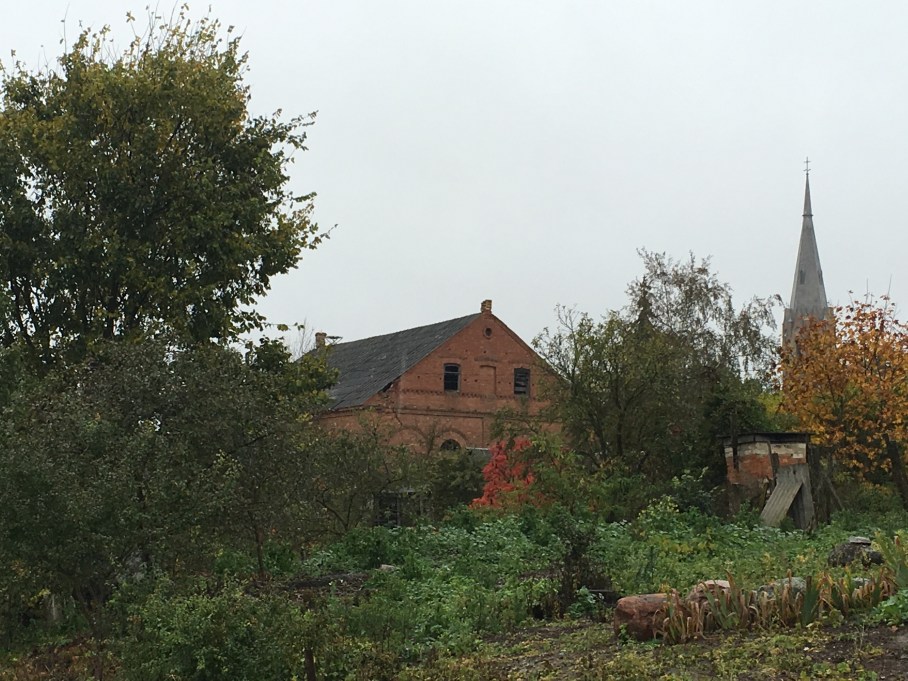
The inactive synagogue stood just off of town square.
img_8142

It was built in the late 19th century, used as of late for grain storage.
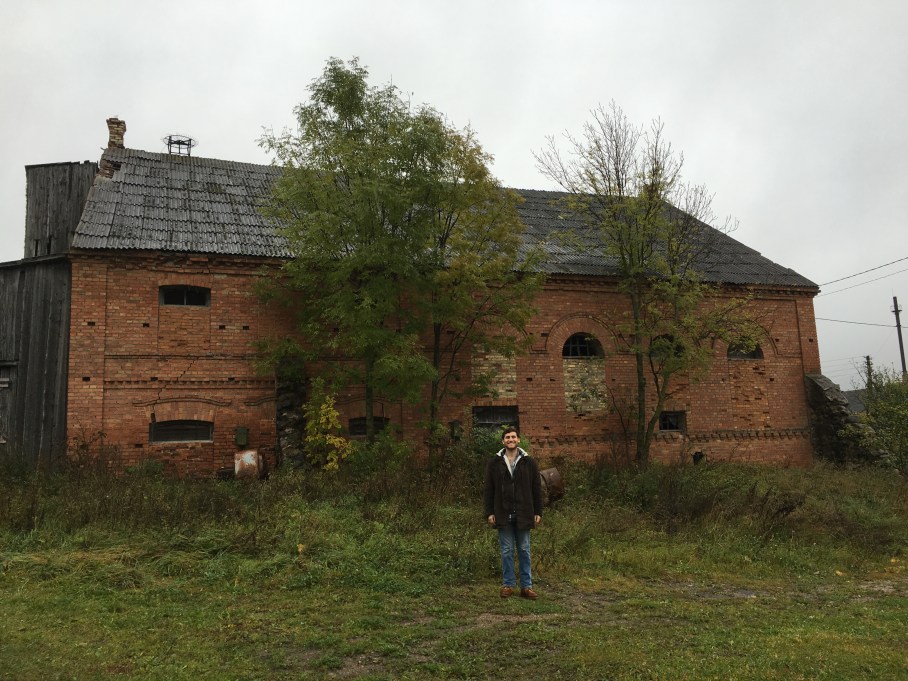
img_8143img_8146

Regina pointed out a pre-war Jewish home just outside the synagogue.
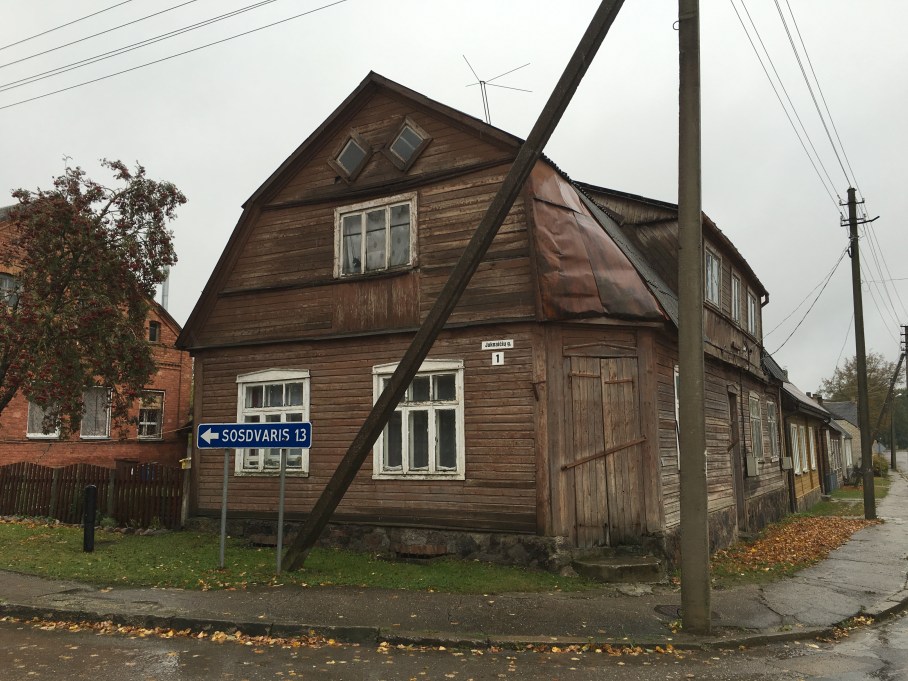
img_8147

Regina brought along a list of internments that she prepared with a client fifteen years ago, which we spent some time reorganizing (by location) in order to make additions easier. We then made our way to the village nearest the cemetery, just outside the city. Regina knocked on doors in the pouring rain to find the precise location while I waited comfortably in the car. We drove as close to the cemetery as we could, but it was on the other side of a massive turnip farm.
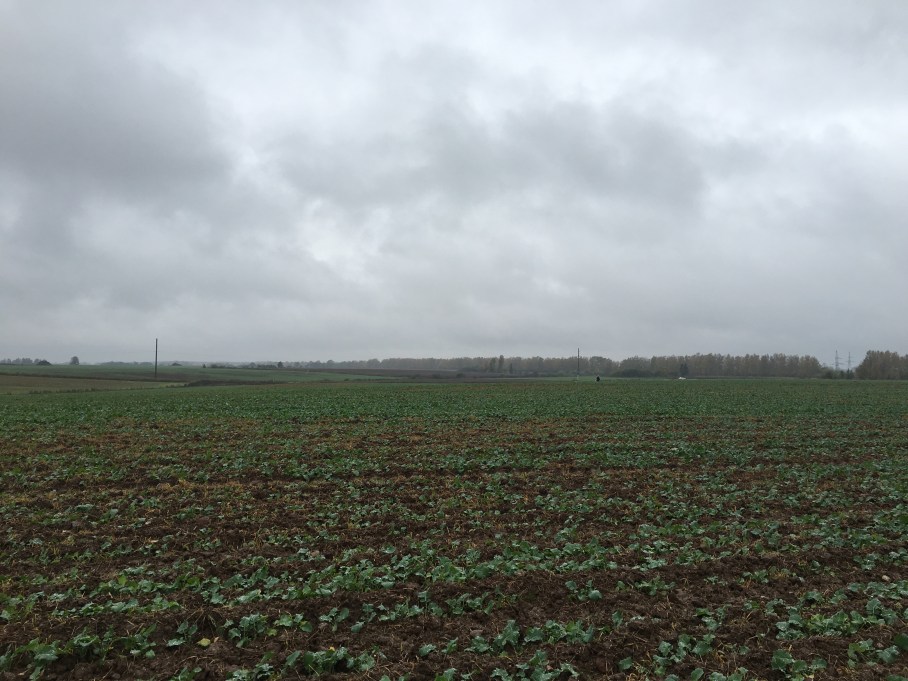
img_8177

We trudged determined through the mud until Regina recognized the location, hidden by trees.

img_8179

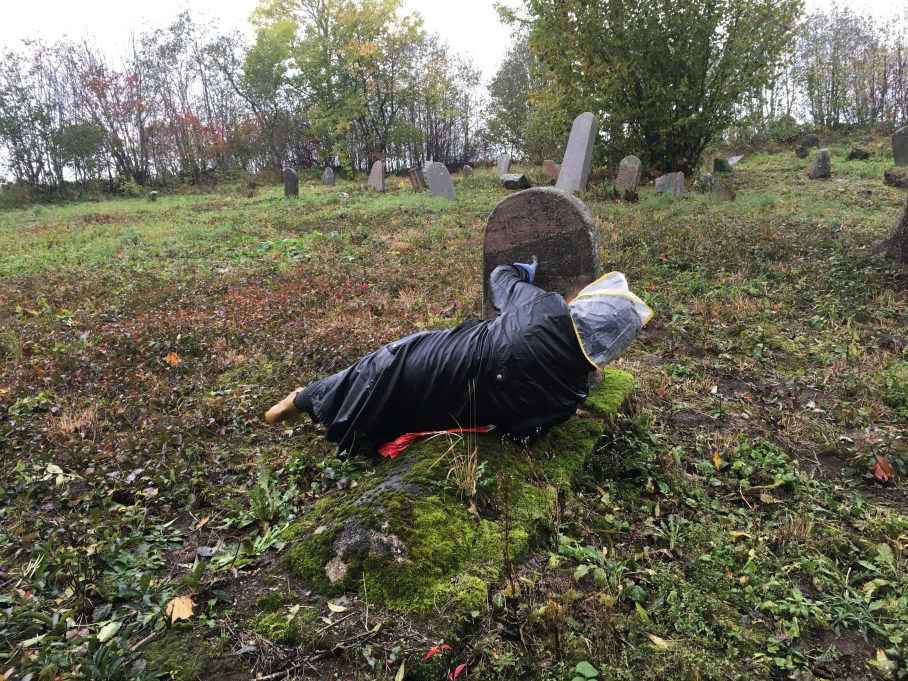
By the time we arrived I was soaked, frigid, uncomfortable, but Regina immediately plopped down in front of headstone A, completely unfazed by our journey or the elements. She has clearly been through much worse.
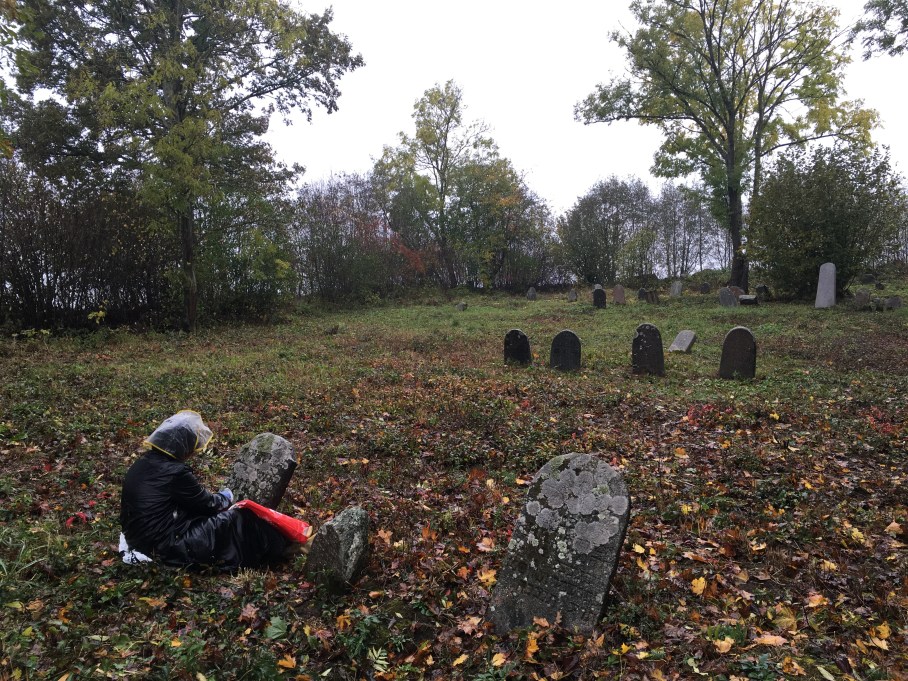
img_8153

I was exhausted just watching her transcribe.
img_8163

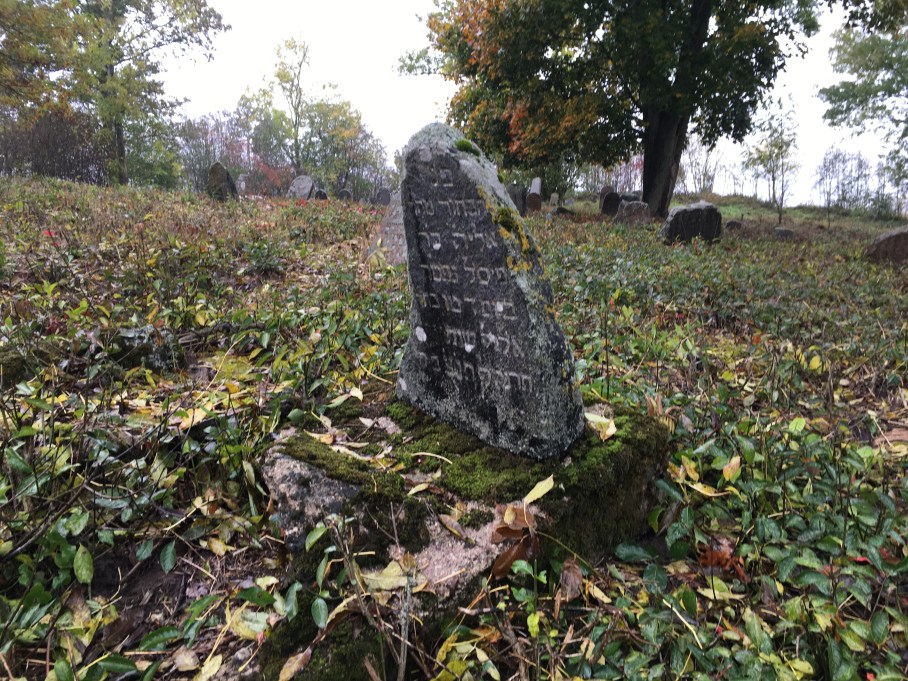
I occasionally crouched down and pretended to assist, but I was honestly useless.
img_8168img_8175

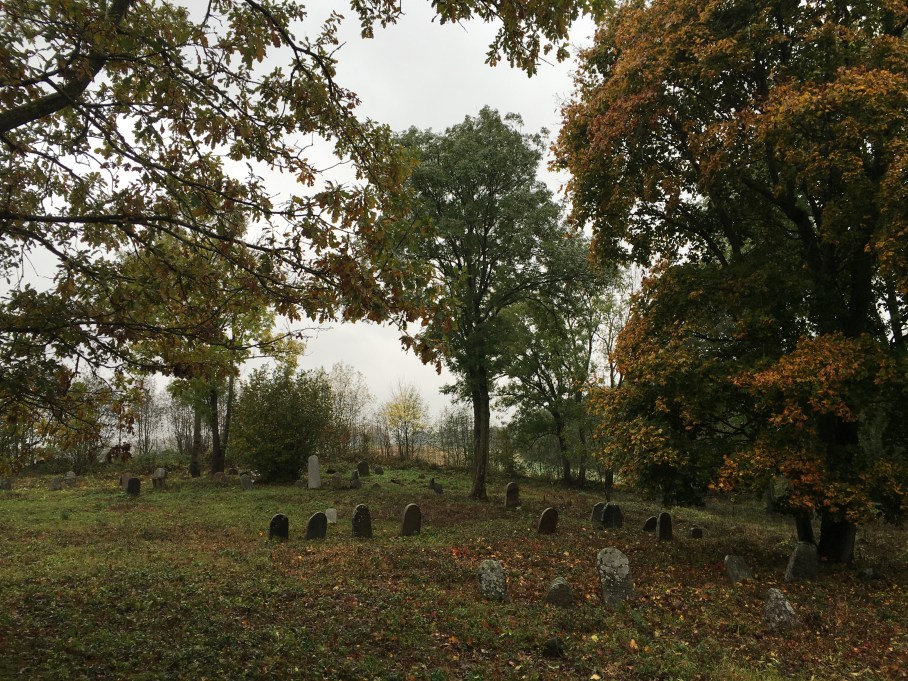
I tried my best to appreciate the moment. The cemetery was uniquely forested and remote.
img_8170img_8165

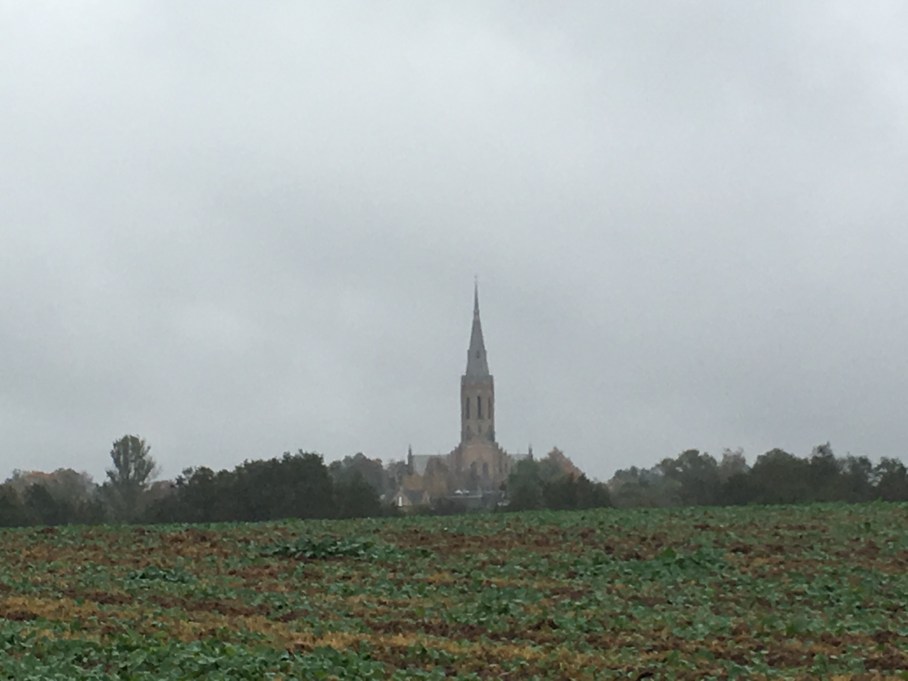
We trudged back through the mud and rain to reach the car. I was a mess by the end of it.
img_8182img_8184

We drove straight for the regional hub of Siauliai to fill up the car. I intend to return- it is the fourth largest city in Lithuania and the base for visiting the famed Hill of Crosses.

From Siauliai we headed south to Baisogala, hometown of Moses Smulson. Born Moshe Hirsch Schmuelov in 1838, Moses was a hairdresser in Riga. Upon immigrating to Chicago by way of Baltimore in 1894, he somehow found a job as a Rabbi. With a full stomach and renewed energy, we arrived at 4:00.
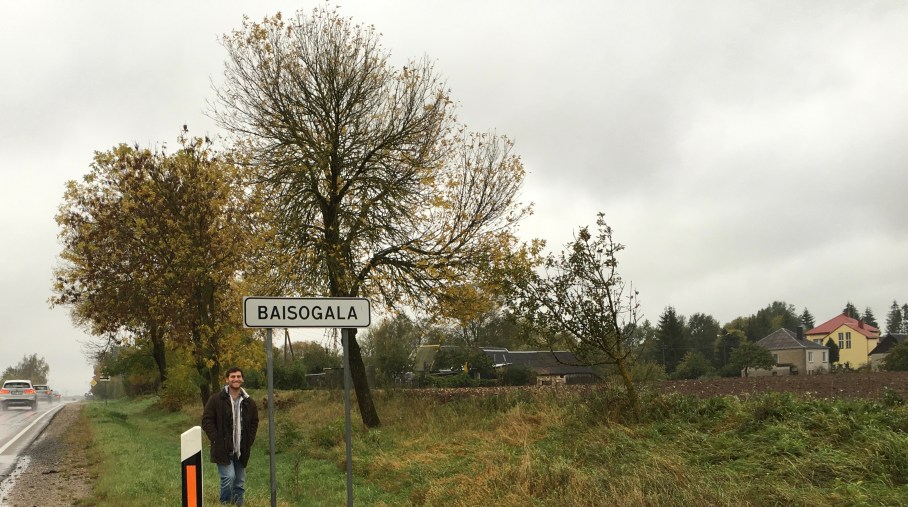
img_8187

Regina didn’t recall the location of relevant sights, so she asked around city center, always starting with laba diena (good day). We were directed to a dirt path near the estate, and found more assistance along the way.
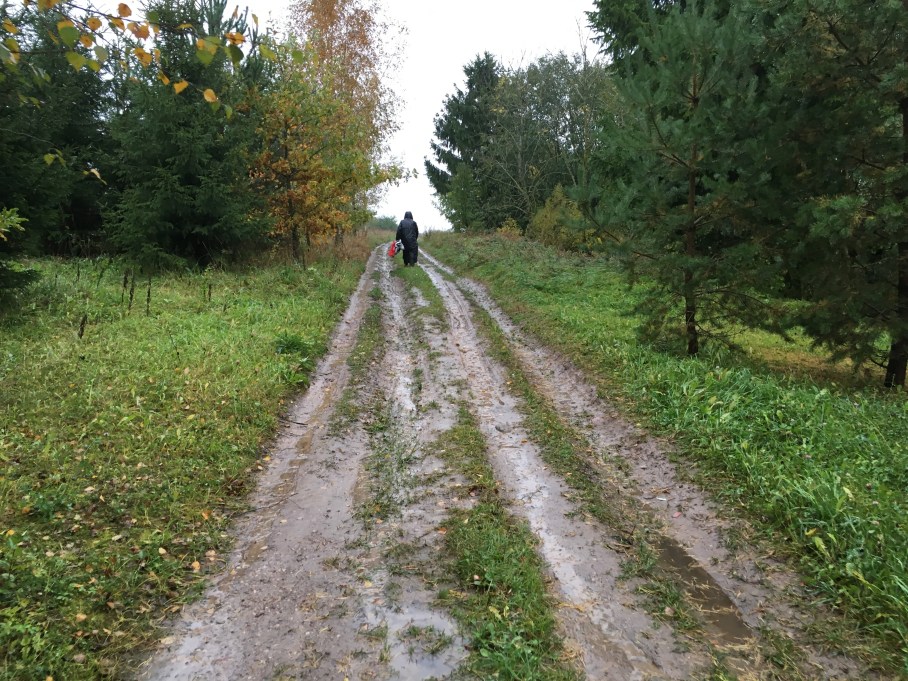
img_8194

We walked along the Kirsinas stream to the cemetery.
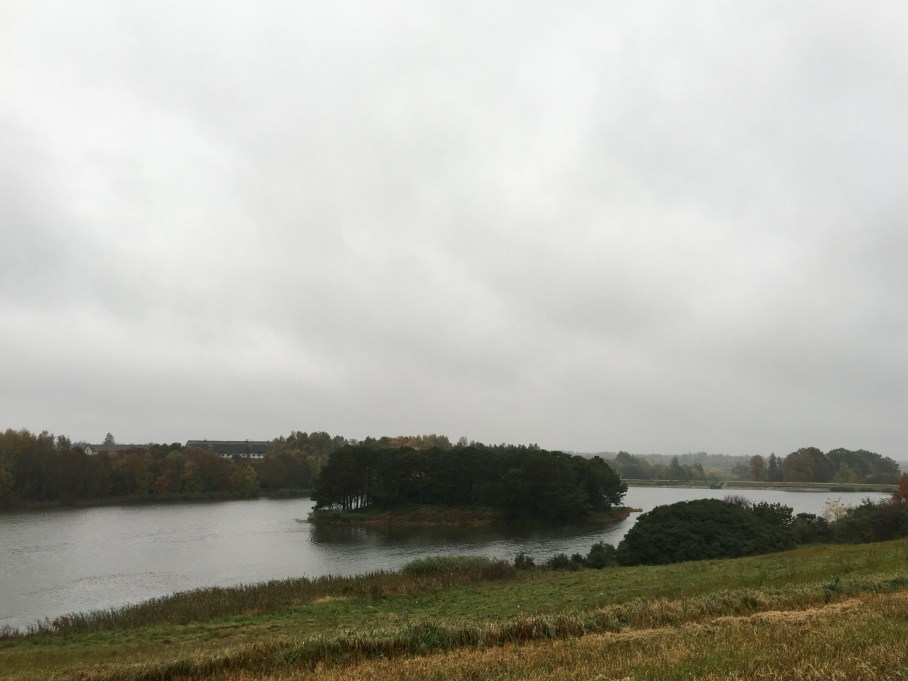
img_8197

A small marker indicated the entrance.
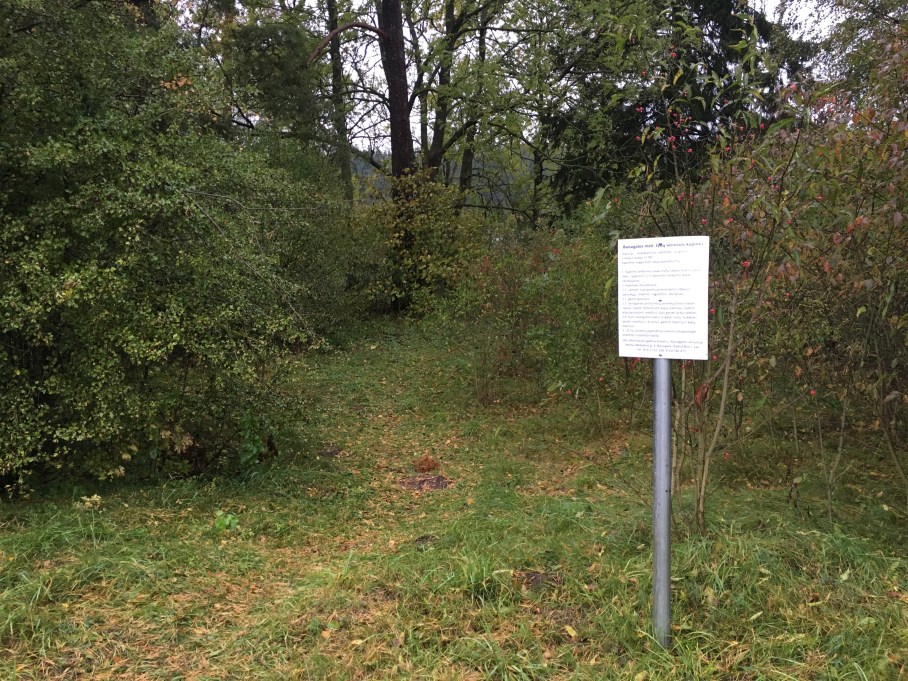
img_8201

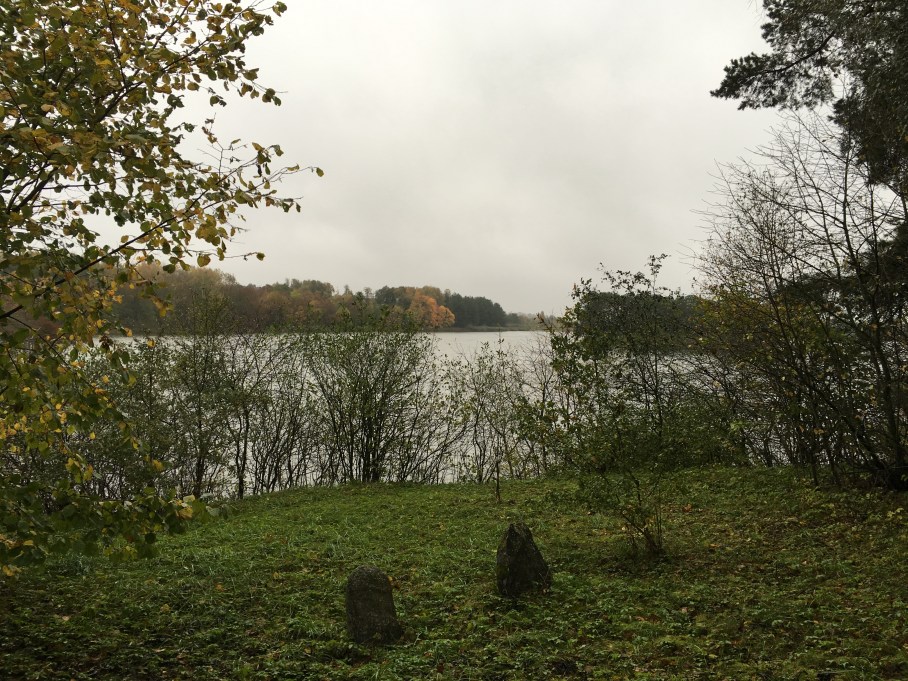
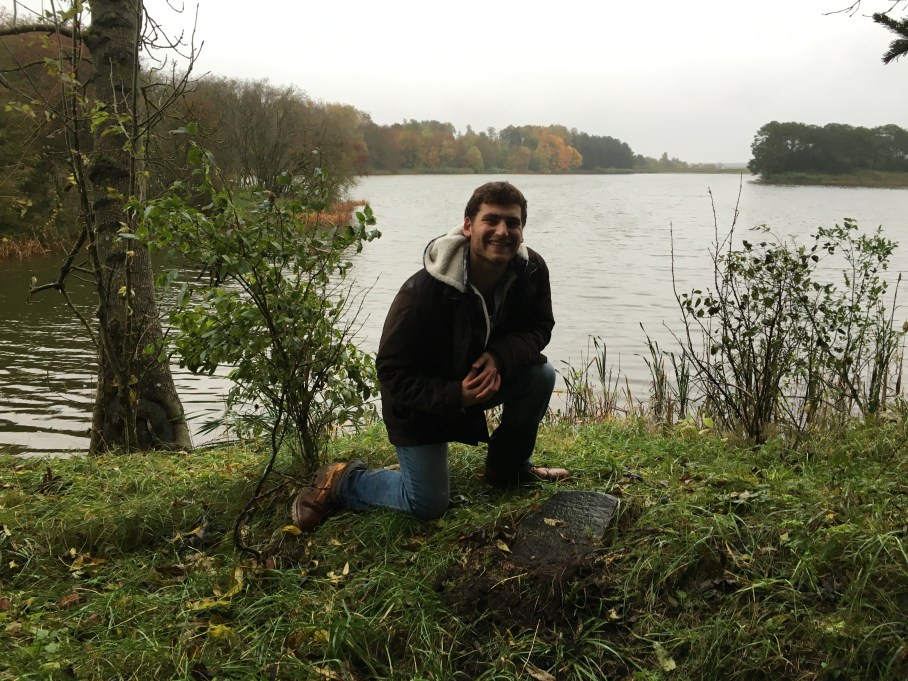
The vast majority was likely submerged, but what remained rested serenely along the waterside.
img_8207

It lied in stark contrast to the Lygumai cemetery- calm, clear, peaceful.

img_8202img_8213

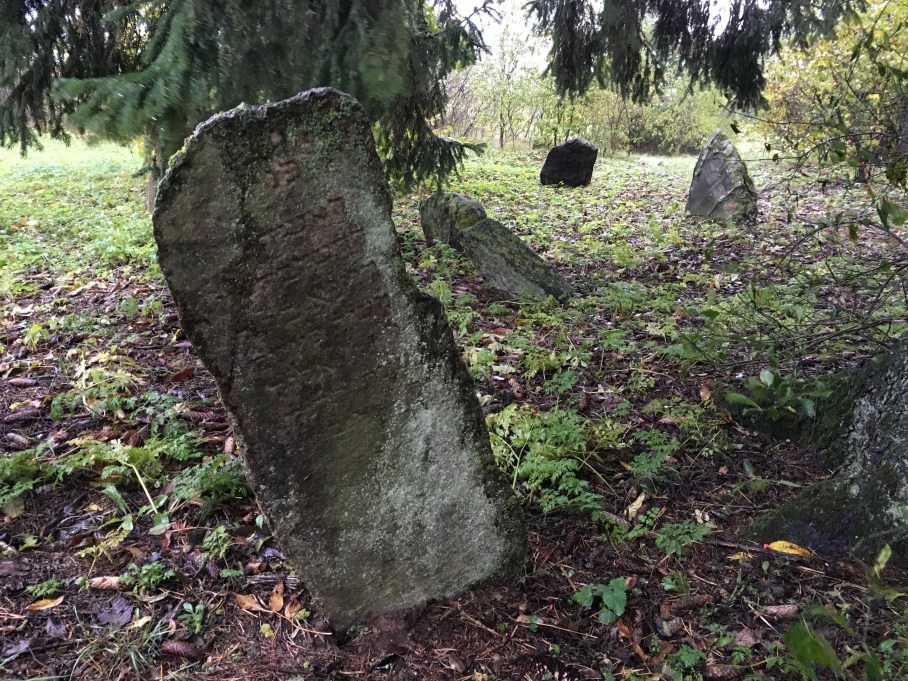
Maybe twenty stones were visible, of which about half were readable.
img_8218

Regina recorded some names while I took in the scenery.
img_8221

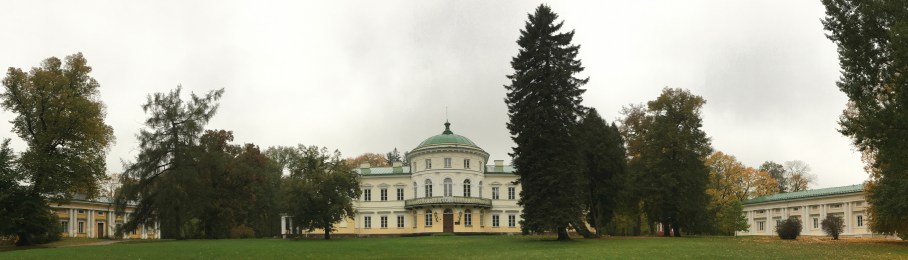
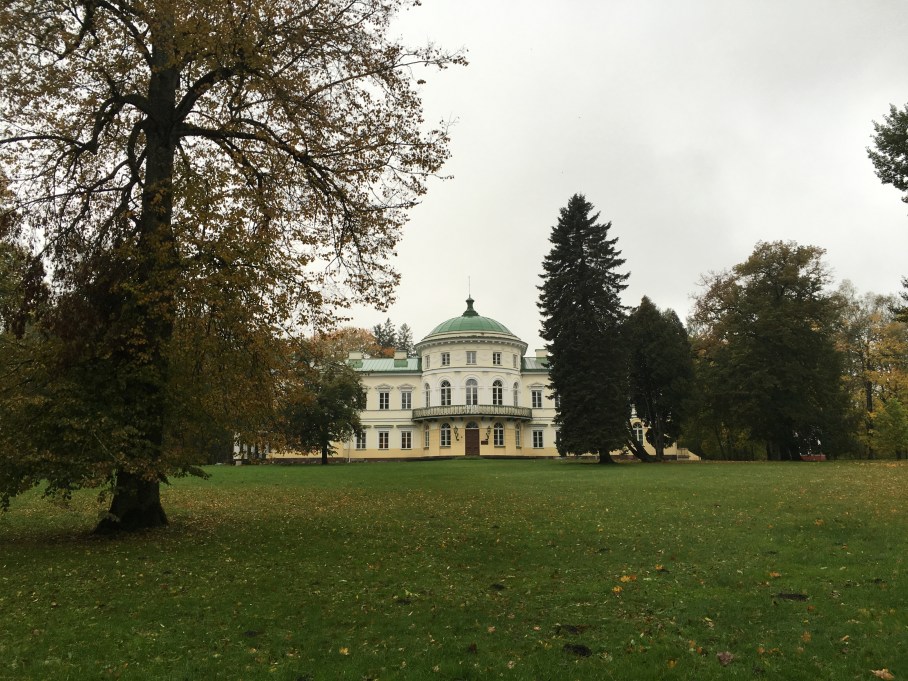
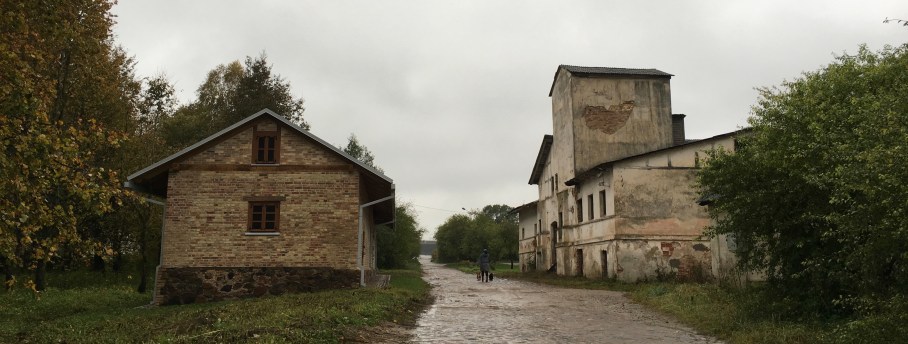
En route to city center we enjoyed the massive estate. Built as a noble residence in the late 18th century, the property flourished after being purchased in 1830 (along with the city) by a colonel of Napoleon Bonaparte-  Joseph Komar.
img_8226img_8228

The estate included various buildings that extended well beyond the main complex.
img_8192img_8225

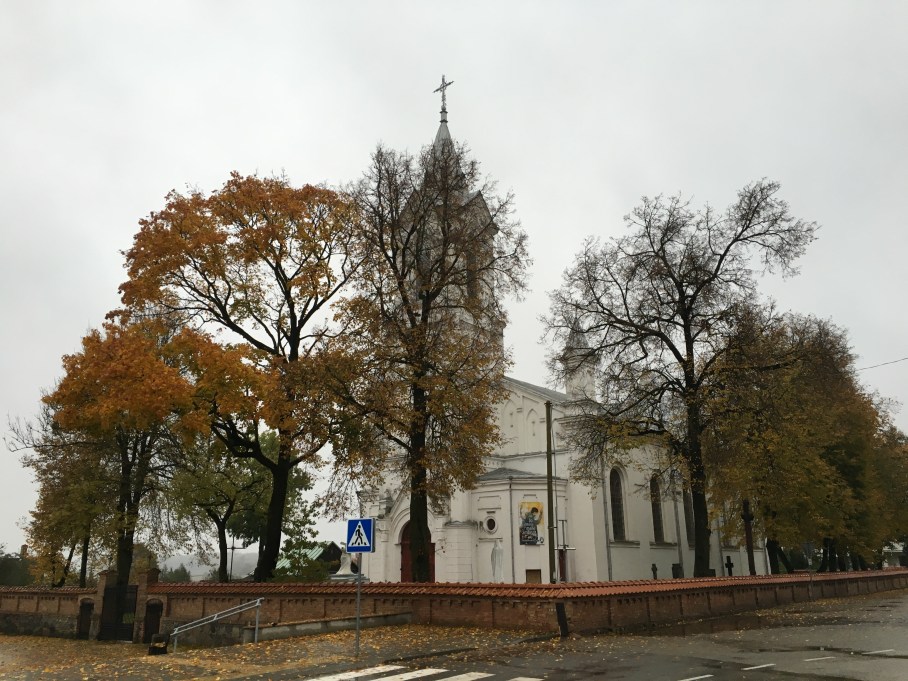
Regina ventured off to find the town historian, whose son we’d earlier inquired with. Meanwhile, I enjoyed the central square. The church was built by the Komar family at the end of the 19th century.
img_8235

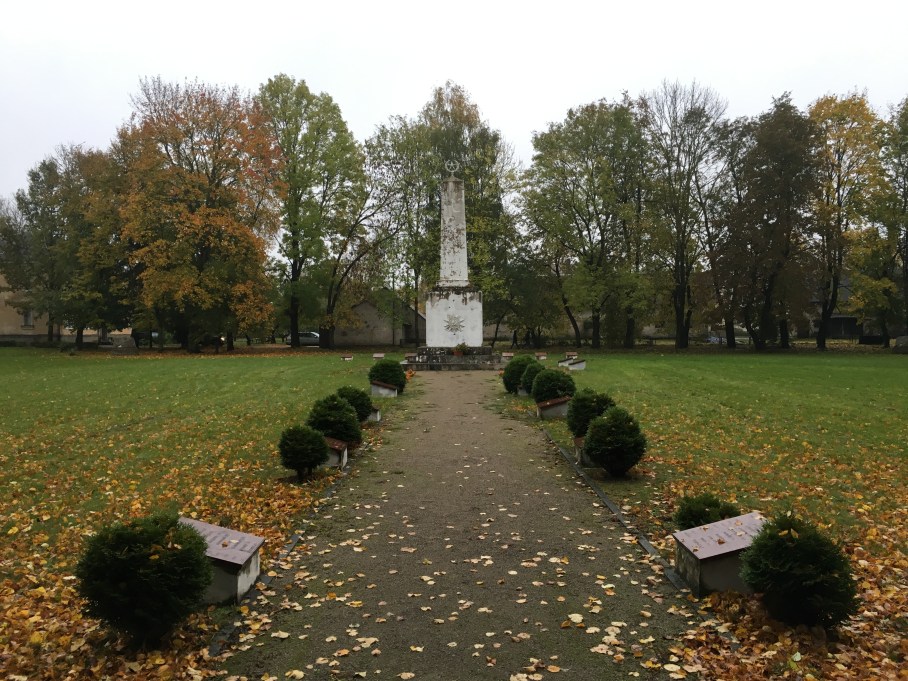
The historian directed us to the ruins of the synagogue, but we could not find them. Instead, we visited the Soviet memorial to fallen soldiers of WWII.
img_8236

With that, we headed back to Vilnius. Regina sang a good portion of the drive.

08 October 2016

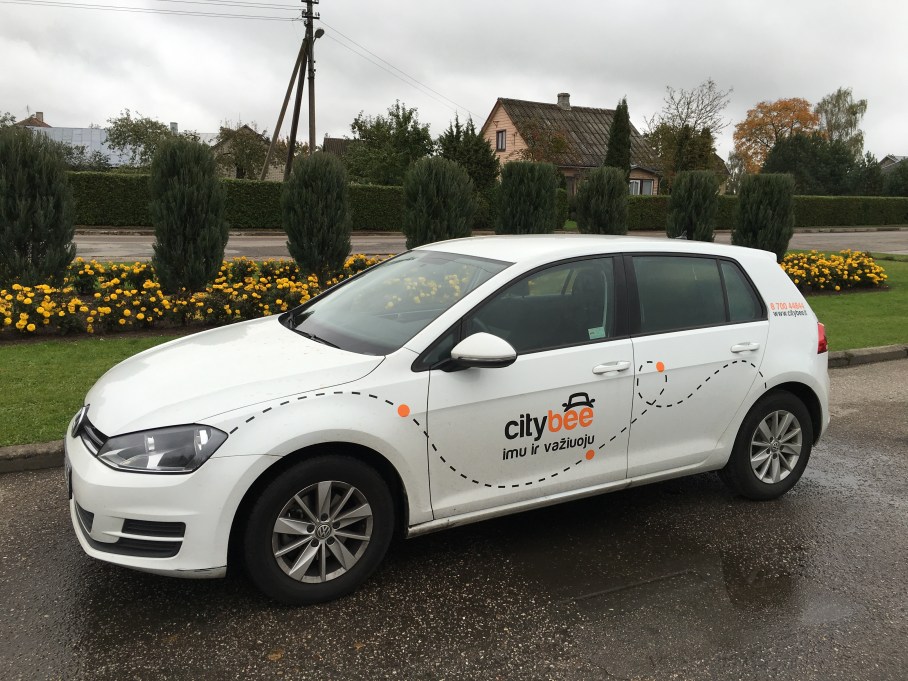
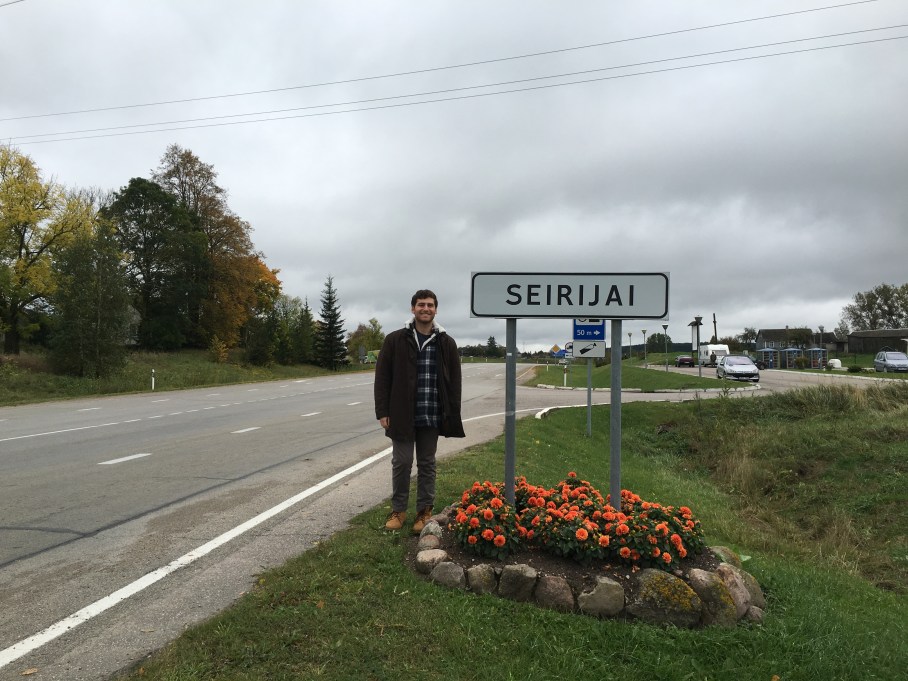
Found a CityBee rental parked alongside Polocko Street. Unlocked the car with my phone and found the key inside- unreal. Picked up Regina from her home at 9:00 and began the drive to Seirijai, located near the border with Poland and within the boundaries of Meteliai Regional Park.

img_7989

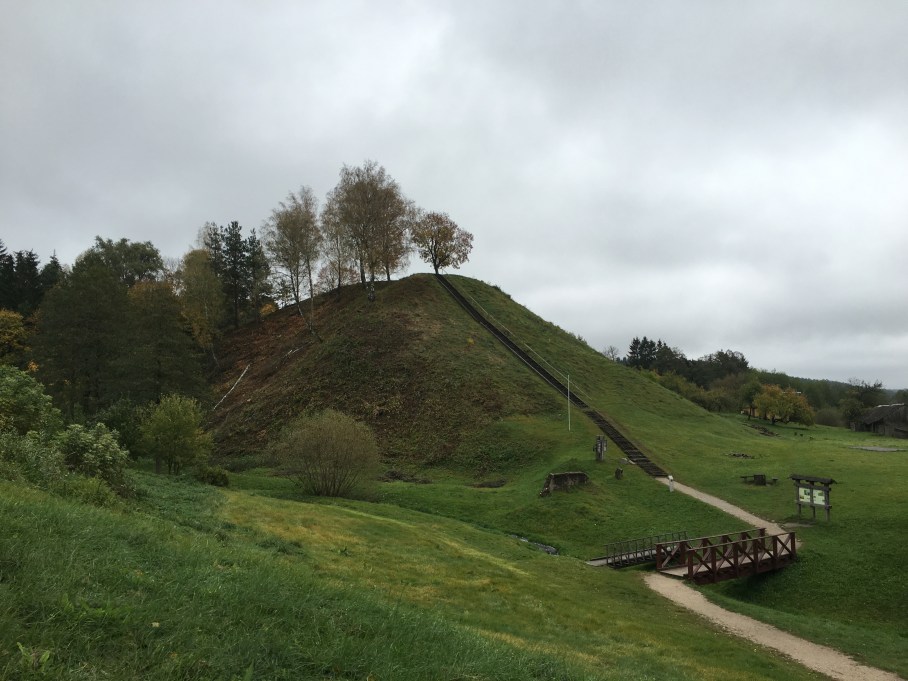
En route we found ourselves in the ancient city of Merkine, located at the confluence of the Merkys and Neman Rivers.

img_7969img_7977

Of great importance during the early history of the Grand Duchy, all that remains of the wooden castle is the imposing mound on which it stood.

img_7974

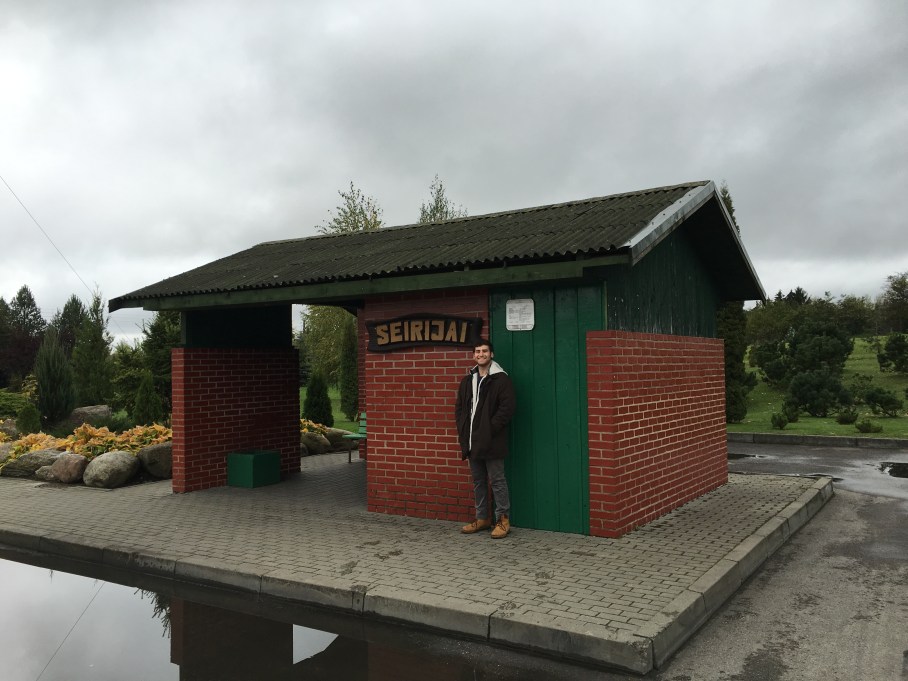
We arrived in Seirijai just before noon.

img_7985

Sarah Snider nee Avner (grandmother of my grandfather) was born there in 1879- the youngest of ten children. In 1897 she immigrated to Rochester and in 1898 she married Hyman Snider. There is a picture of her holding my mother.

989919fc-df5e-47a1-8d9d-ed178049263a

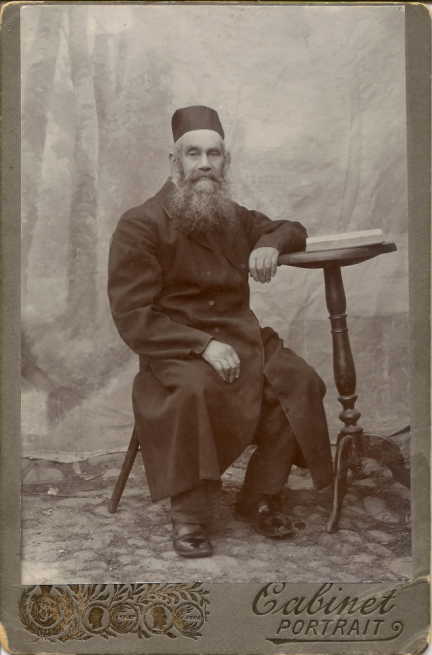
Her father was Ari Leib Avner, born to Isaac Avner of Suwalki and Tamara Ivry of Seirijai. A talmudic scholar, Ari Leib lived in Seirijai until 1915 when he was expelled to Mogilev Gubernya in modern-day Belarus. Many Litvaks suffered a similar fate, as bigotry dictated that they’d collaborate with the encroaching German army.

283a77f3-82d9-44e2-a959-ec084b00eebd

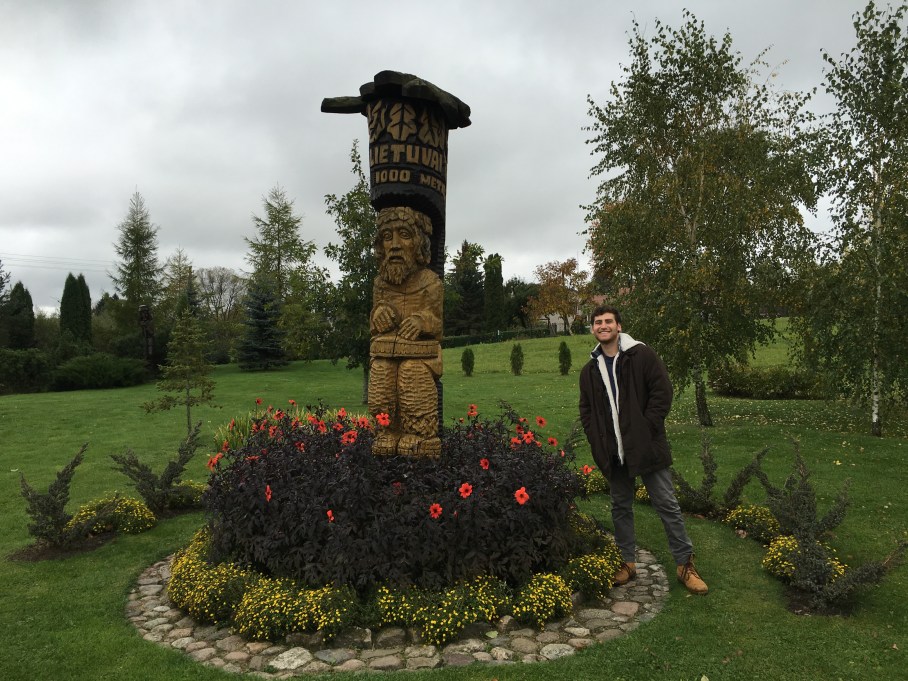
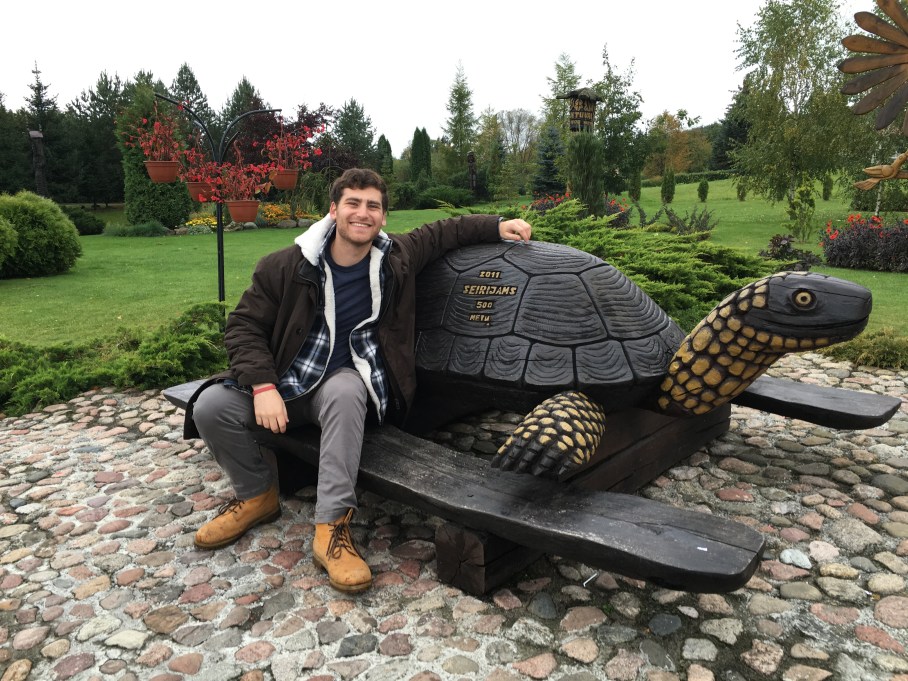
Surrounding the bus-stop stood a colorful park filled with ornate wooden sculptures, funded presumably by the municipality.

img_8002

One sculpture commemorated the 1000 year anniversary of Lithuania, a reference to her first mention in the Annals of Quedlinburg (1009), which describes a German evangelist (Saint Bruno) murdered by Lithuanian pagans.

img_8006

Another sculpture honored the 500 year anniversary of Seirijai.

img_8003

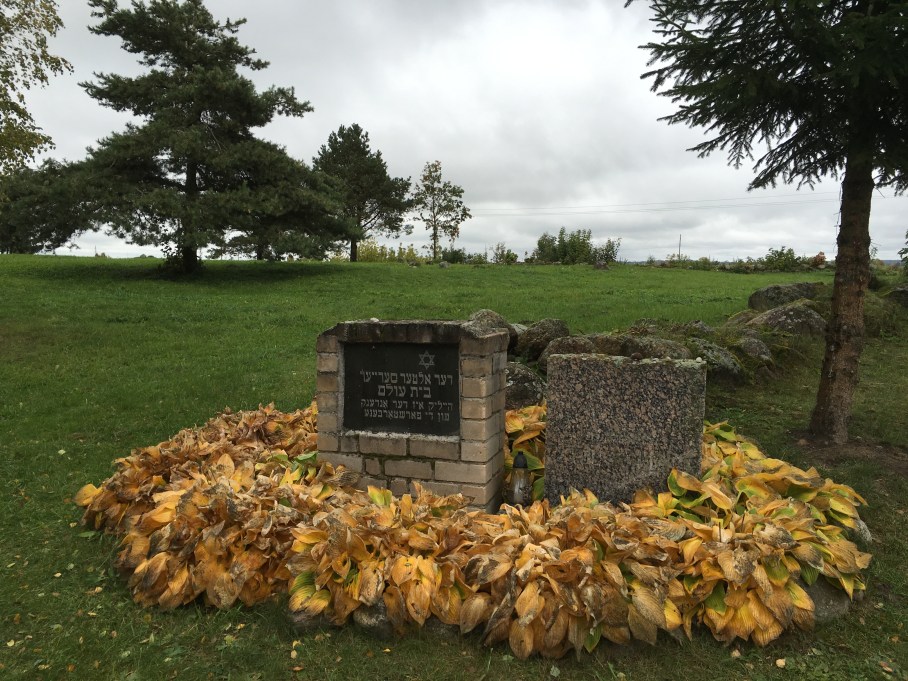
We immediately made our way to the Jewish cemetery.

img_8007

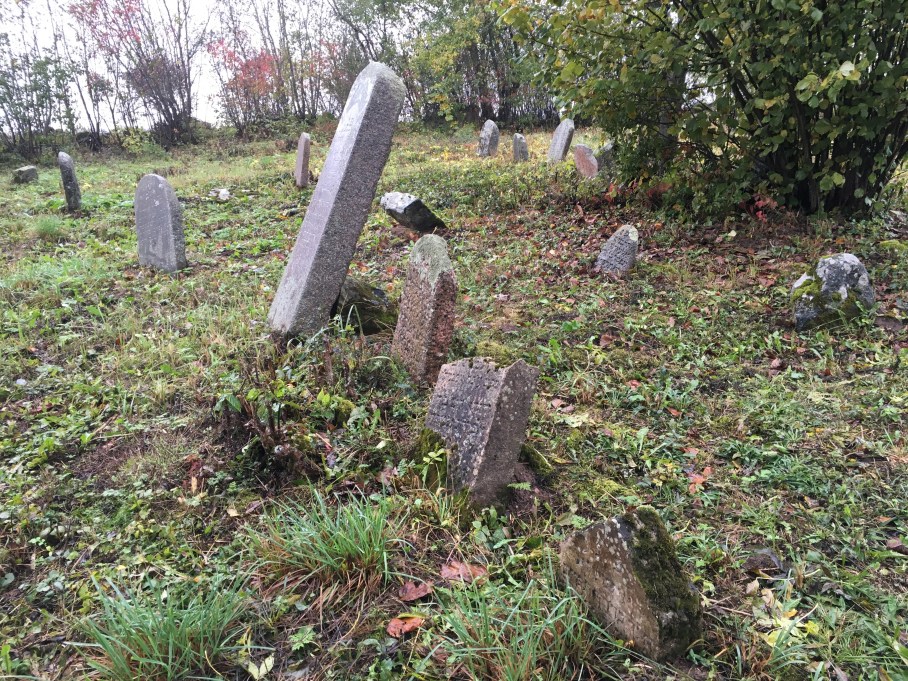
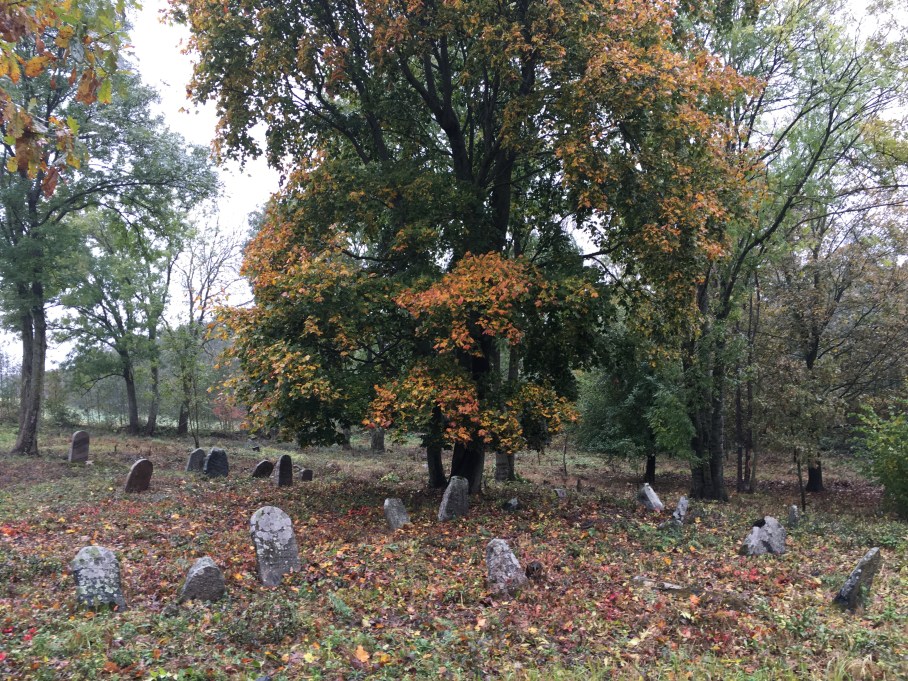
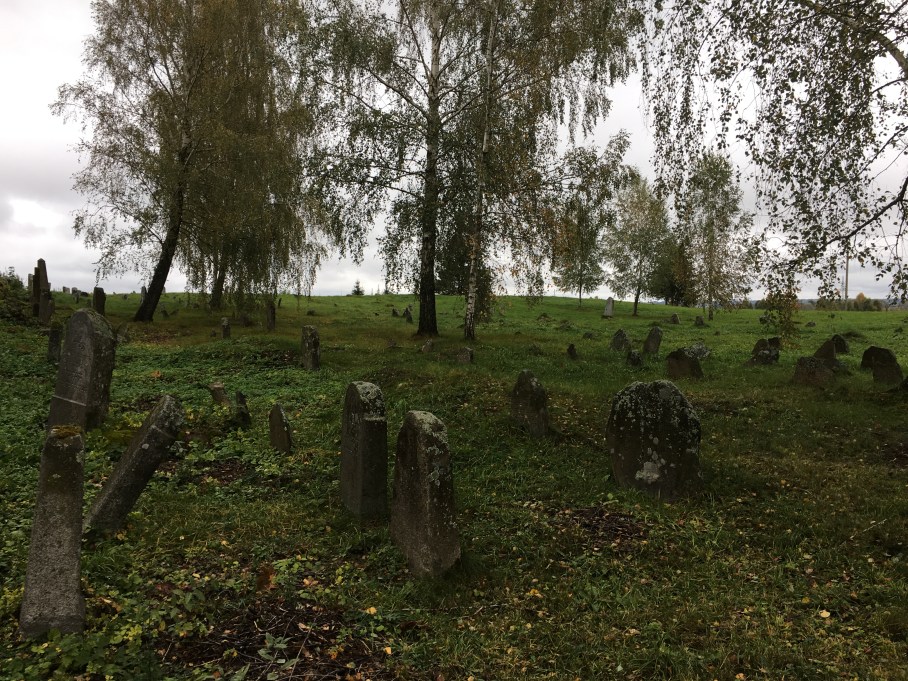
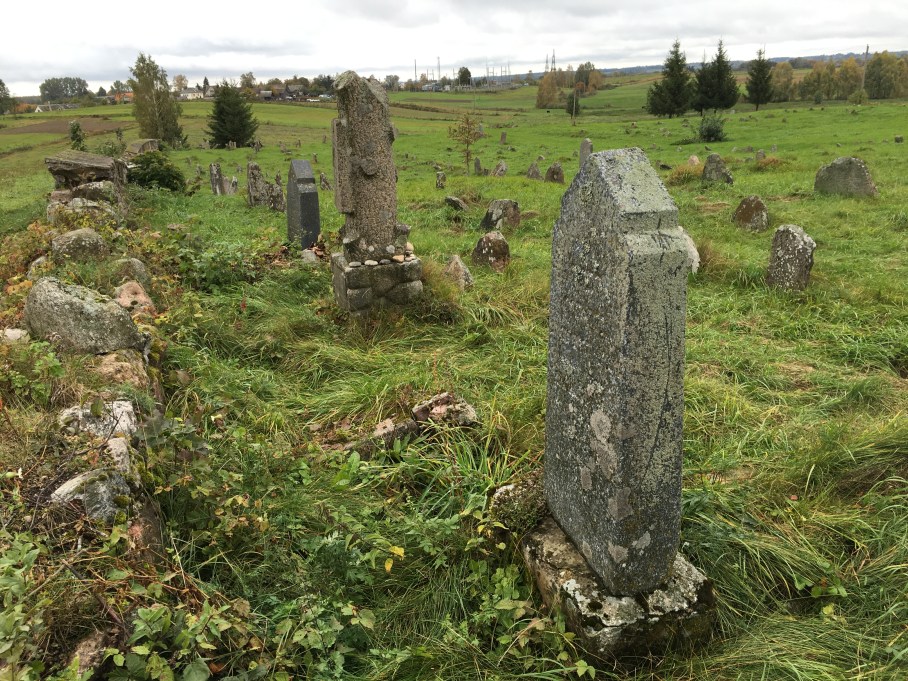
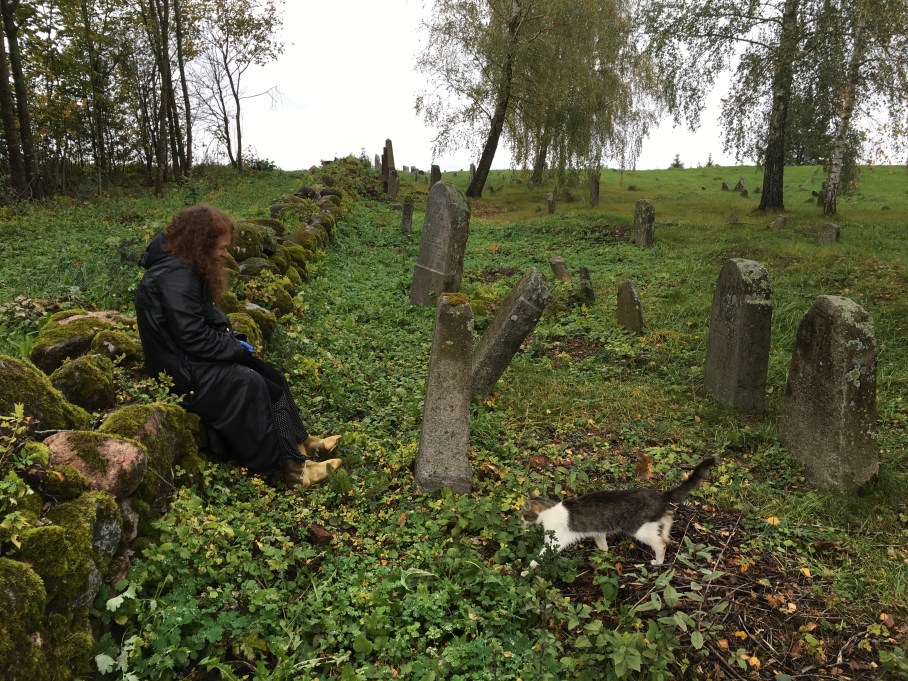
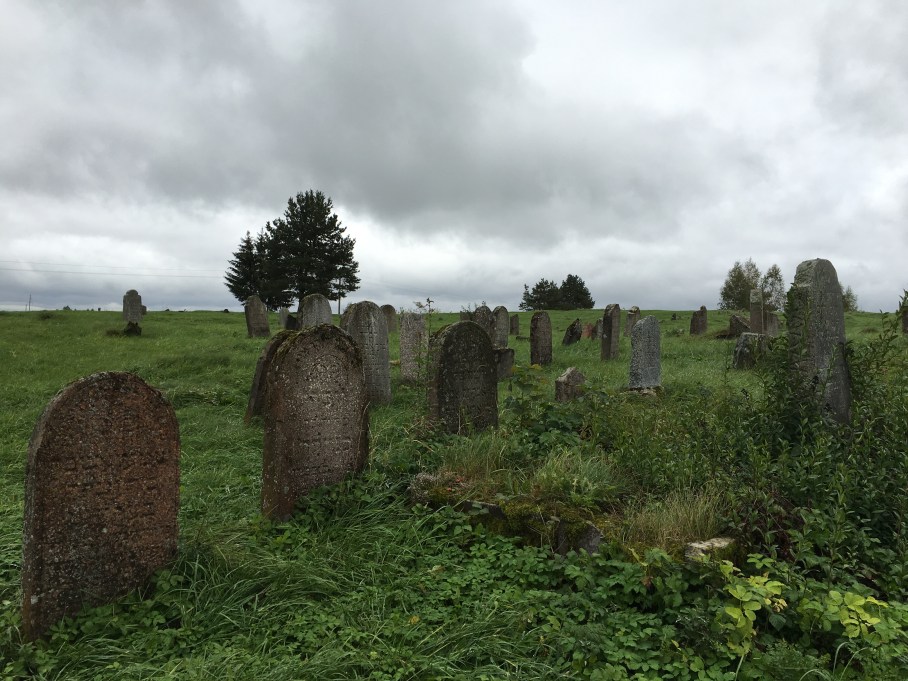
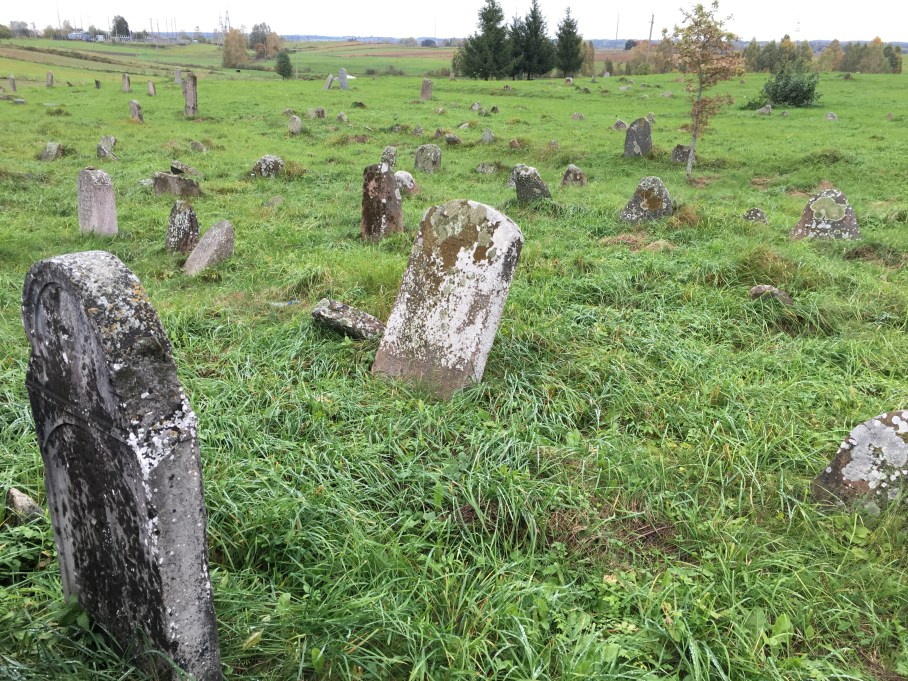
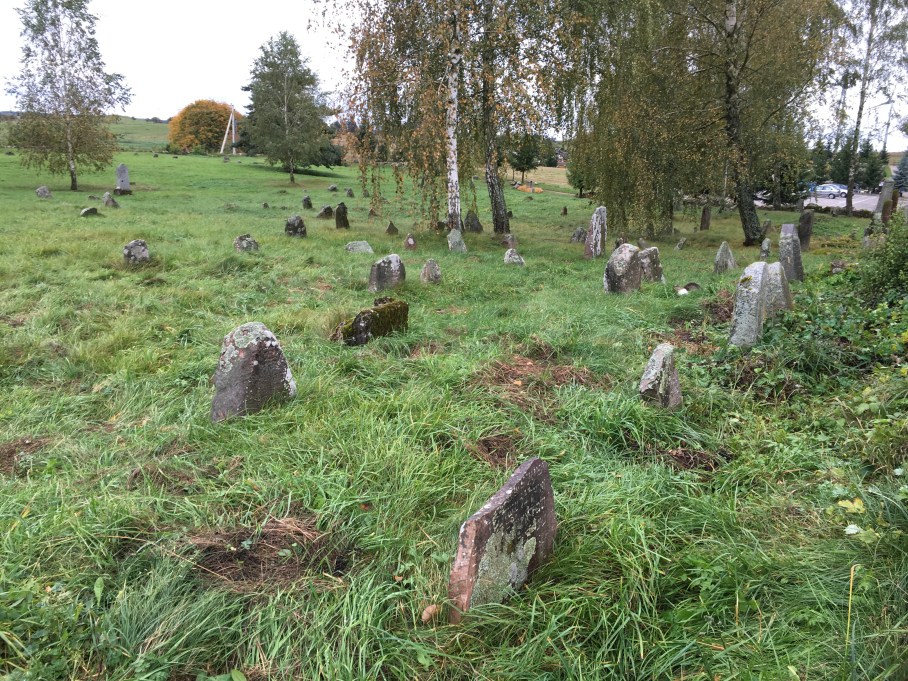
I was so accustomed to finding emaciated cemeteries, destroyed by Nazis and decayed by time, that I was shocked to find an abundance of headstones in a relatively well-groomed plot.

img_8012

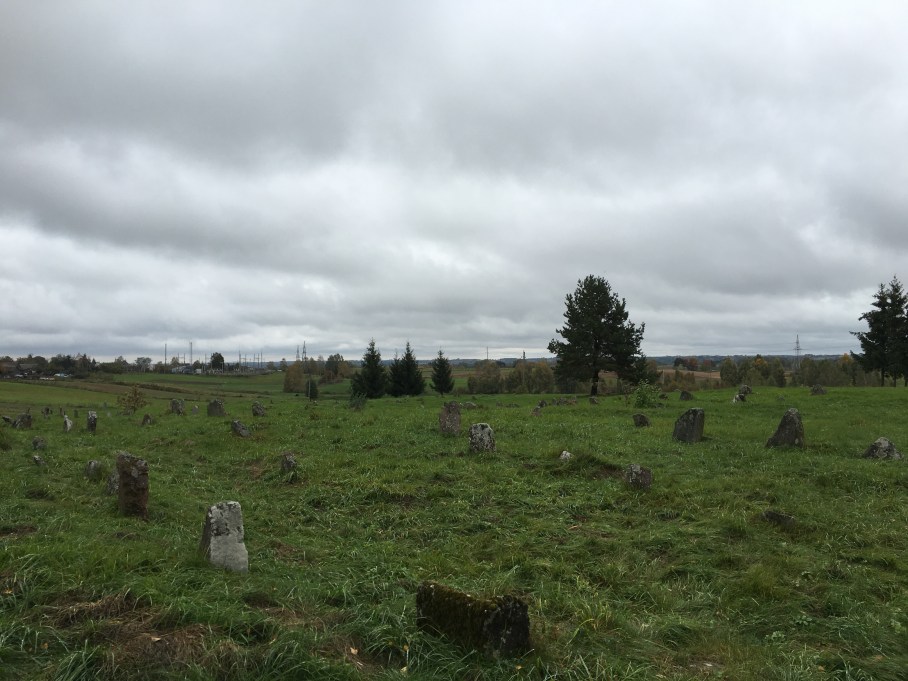
The vast majority of stones occupied the front half, perhaps 300 or so. The sparsely occupied back portion was likely scavenged by the Christian community for repurpose in their adjacent cemetery during Soviet times- why would Jews ever return to Lithuania?

img_8026

Further differentiating the cemetery from others was the relatively visible organization of stones, which allowed us transcribe them in an orderly fashion.

img_8029

We started in the corner nearest the entrance and made our way to the opposite end.

img_8019

The size, date, and condition of stones varied immensely.

img_8036

I was continuously amazed by Regina’s ability to decipher inscriptions, exposed to the elements sometimes for centuries.

img_8032

I occasionally lifted stones, sometimes to find the letters imprinted on the soft earth.

img_8090

At the end of Row A there was a spectacular view of the city.

img_8105

After transcribing Row B in the opposite direction, we headed to city center hungry and frigid for tea and chocolate.

img_8049

We then drove to the site of the former synagogue. All that remains is the foundation.

img_8058

Per usual, the cathedral stood in close proximity to the synagogue.

img_8065

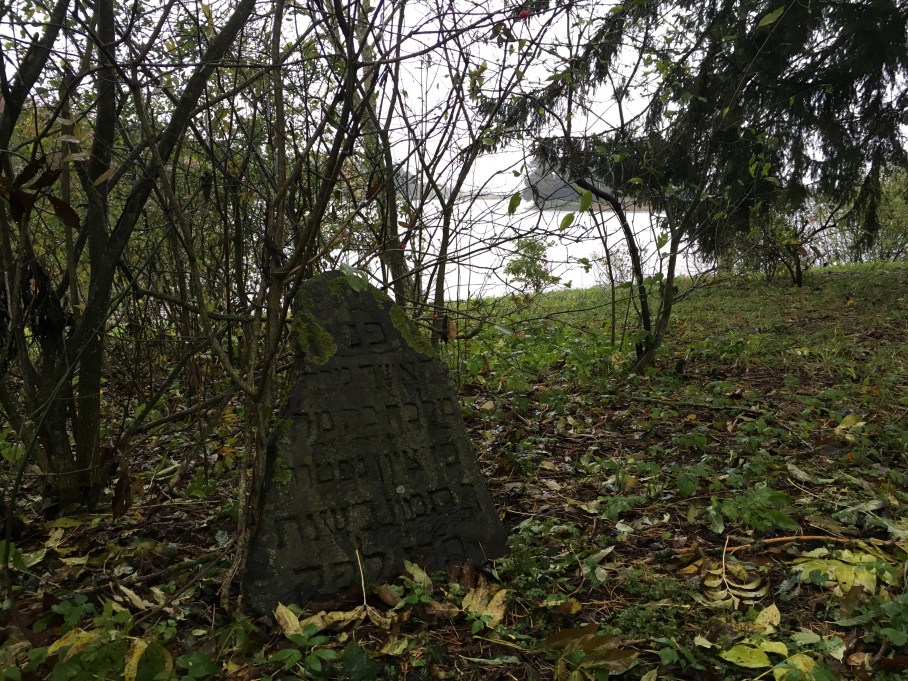
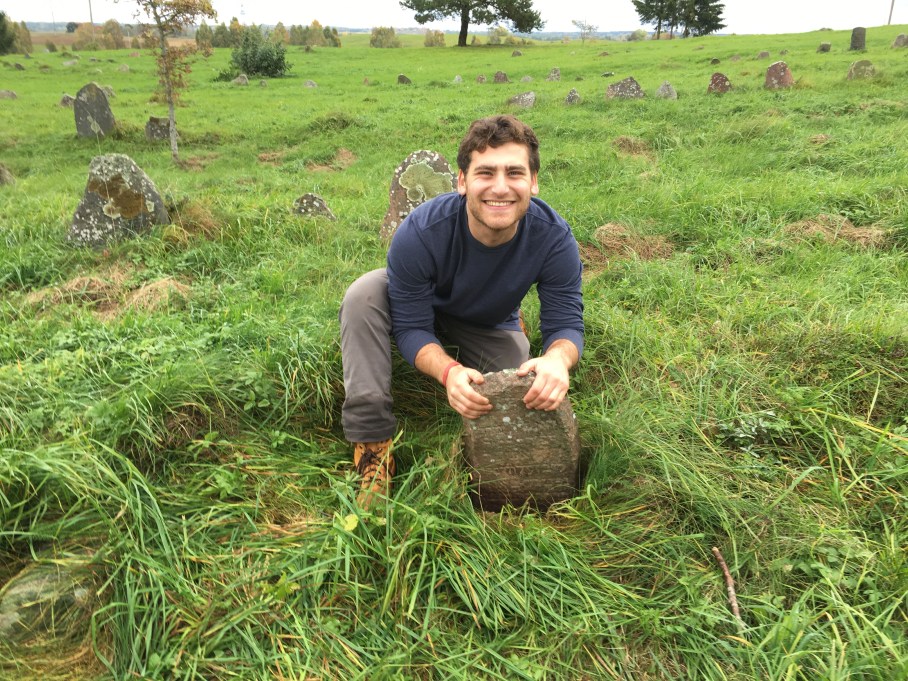
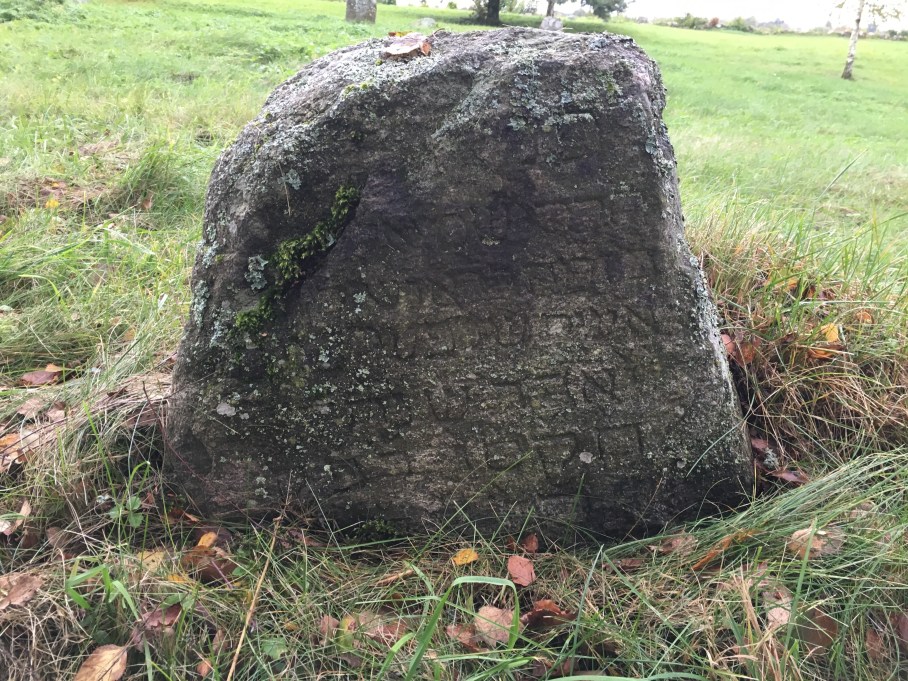
We returned to the cemetery just before 3:00 to resume our work. Midway through Row C I pulled back a thin, tilted stone, that we might have otherwise ignored. Regina read the following :

…האשה מרת–דבורה בת ר–דוב אשת ר–ליב זעלוורסקי

I thought the name sounded familiar so I pulled out my handy-dandy iPhone to find my tree. I asked Regina if she could decipher a death year, and I will never forget the moment she said 1875. It was exactly what I wanted to hear. Deborah Zelversky was a sister to Tamara nee Ivry. She is my great-great-great-great-great-aunt. It was the first tangible testament to my heritage in the old country. It was an out of body experience.

img_8080

Deborah was the third of six children, born to David Ivry in 1804. Her son married Tamara’s daughter (first-cousins, indeed) and their grandson was Sir Leon Simon– author of the Balfour Declaration.

With a newfound energy we decided to forgo our second intended shtetl stop and instead dedicate our day to deciphering headstones.

img_8028

Although we didn’t find anymore relatives, we found a stone dating from 1806 when Seirijai was still occupied by Prussia, a year before she was occupied by France.

img_8097

The first few rows contained about 5o stones each, about 40 legible each. In total we transcribed 7 rows, maybe 200 stones in total.

img_8102

With that, we collected four bags of apples and made our way back to Vilnius.

07 October 2016

Was still very much recovering from last night during class. We learned about tensions between the Polish minority and ethnic Lithuanians during the interbellum, which apparently persists. Somehow managed to ask a few questions.

Went for coffee with Enola after class. It was delightful.

Unfortunately my Passat wasn’t available with Enterprise, so I Ubered to CityBee (on the other side of Neris River) to register for their car rental service- it’s incredible. They pay for gas, pick-up/drop-off anywhere on the street, use your phone to reserve and unlock the car.

Made pasta carbonara with Dimo and Daniel and then made Dimo watch Borat.  Was shocked he hadn’t seen it. It’s generally the only reason young Americans know of Kazakstan. Apparently it was banned there.

06 October 2016

Returned to the archives with Regina today- significantly less fruitful. She’s so great, but really taking a toll on my wallet.

Did my jump-rope routine and then traveled with Daniel, Kristiaan, Dimo and Koe-Ki to the ‘Beer Library‘ in Old Town. Were soon joined by a larger group including Enola, Robbin and Jan.

At midnight we walked to the infamous Salento night club, which I’d been trying to avoid since I arrived. It is surely the most popular club among Erasmus students. Glad I had the experience, can’t say I’ll go back.

05 October 2016

Near reception there’s an open room with mats and benches, brought my weights down there and jumped rope. Or is it jump-roped? Thought about this on my walk to class, which was yet again useless. Was able to develop some statistics though regarding my ancestry: Dad is over half Belarusian, Mom is over half Lithuanian.

Went to Coffee Inn on historic Pilies Gatve, which has become my go-to cafe. Spent a few hours building an incredible itinerary for Dads trip. Talked to him on the walk home, he’s headed to Desert Trip music festival. I’m extremely jealous.