03 December 2016

Woke up early to exercise, but the gym had been closed for nine months. Booking.com will not hear the end of this.

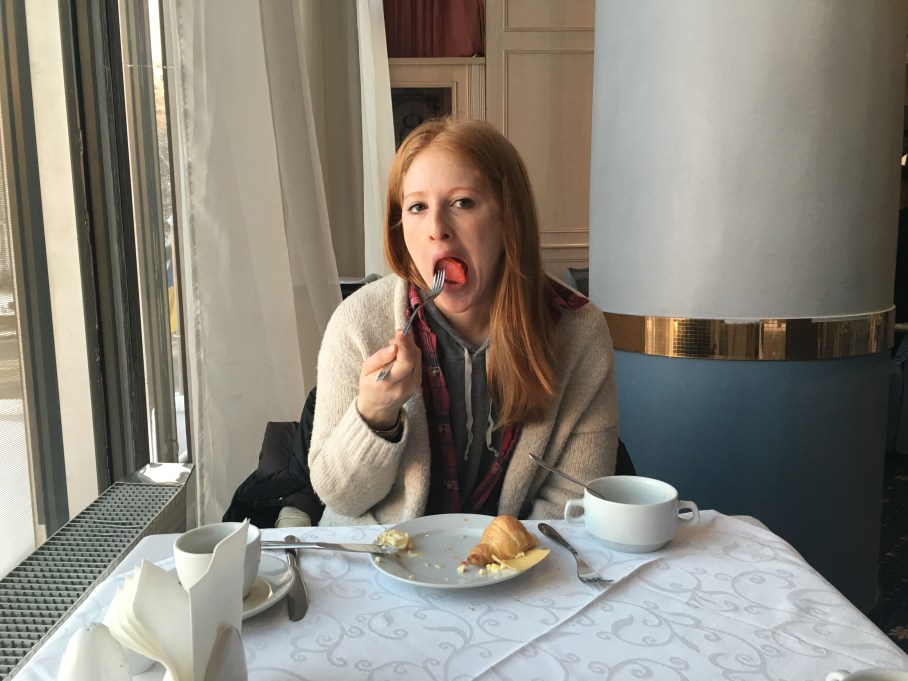
After a nice breakfast we met our guide in the lobby.
img_2378

I’d arranged our tour with Darina Privalko, founder of JUkraine- a ‘Jewish Studies and Travel Center’. Our guide was Aleksandra Kirsanova, one of many who have graduated from Darina’s training course for tour guides. Throughout her tour Aleksandra stressed the interconnectedness of Jewish and general histories of Ukraine.

We started just outside our hotel, which stands near the Dnieper River at the top of Khreshchatyk- the main thoroughfare of Kiev since construction in the 19th century. It lies in the valley between Old Town (northwest) and Lypky, the government quarter (southeast). Khreshchatyk runs parallel to Volodymyrska, the main thoroughfare of Old Town, which lies up a steep hill.

img_2381

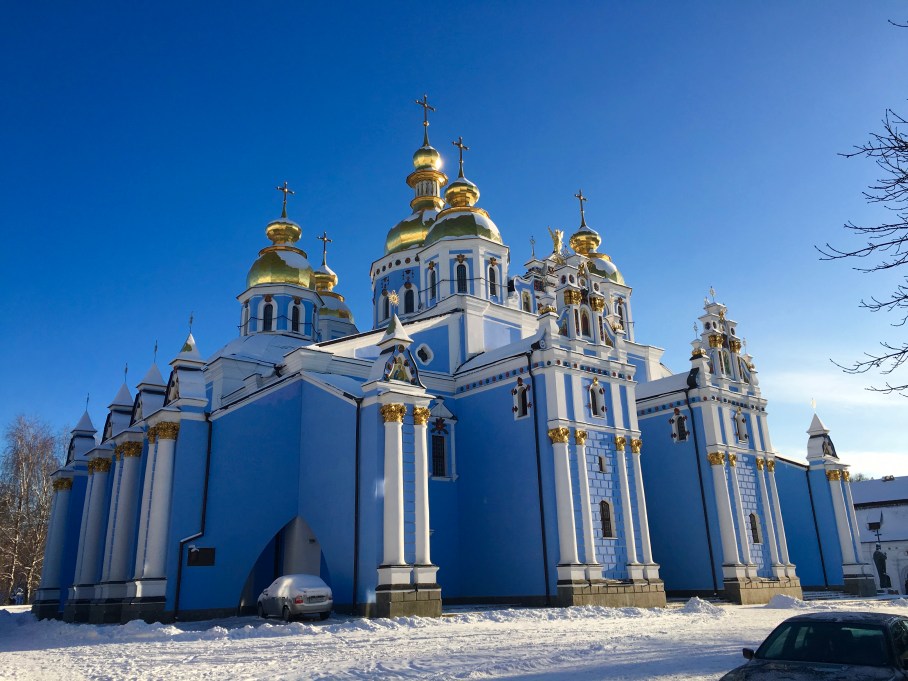
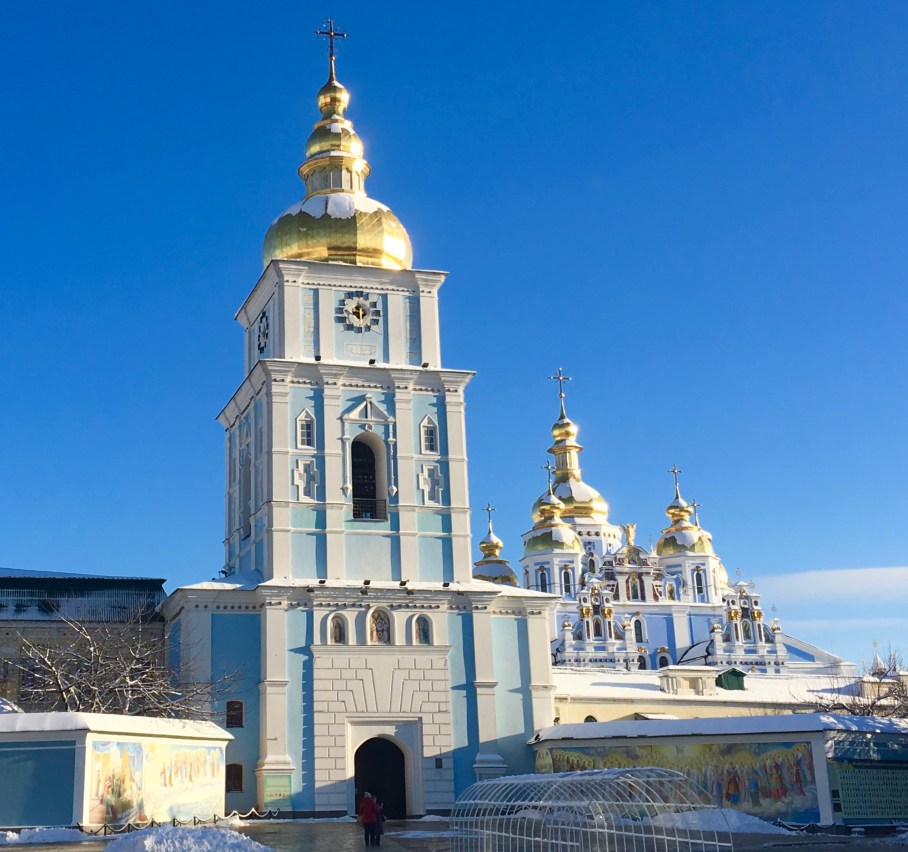
At the top of Volodymyrska stands the impressive Saint Michael’s Golden Dome Cathedral, commissioned by Sviatopolk II (grandson of Yaroslov I) who reigned over the Kievan Rus from 1093 until 1113.
img_2383

It was destroyed by the Soviets and rebuilt in 1999.
img_2390

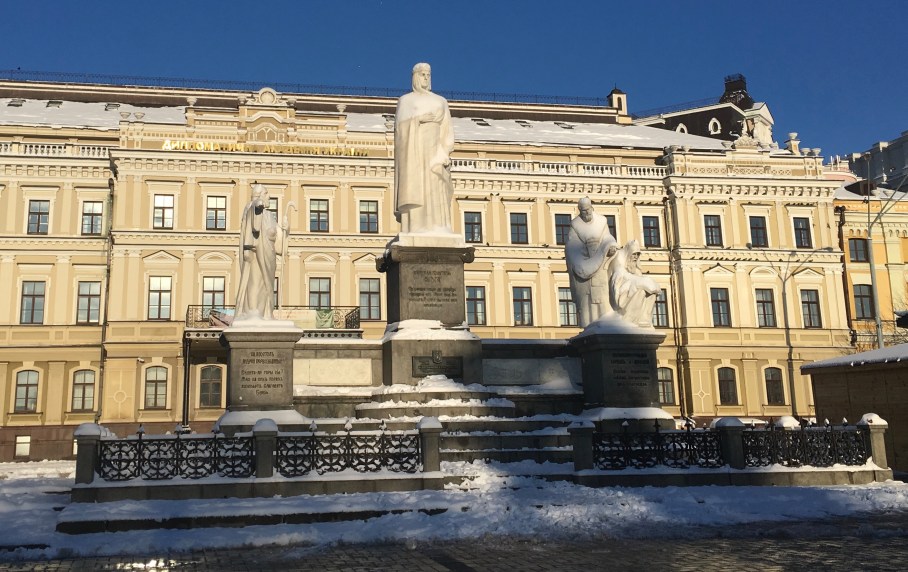
In front stands a statue of Saint Olga (r.945-962) who was the first ruler to adopt Christianity, which was mandated by her grandson Vladimir I (r.980-1015). Olga was preceded by her husband Igor (r.912-945) whose father was Rurik (r.862-879), founder of the Rurik Dynasty. Rurik’s successor was Oleg (r.880-912) who moved the capitol from Novgorod to Kiev, which he’d conquered from the Judaized kingdom of Khazaria. A mid-tenth century letter found in the Cairo Geniza testifies to the Khazarian origin of Kiev’s earliest Jews.
img_2394

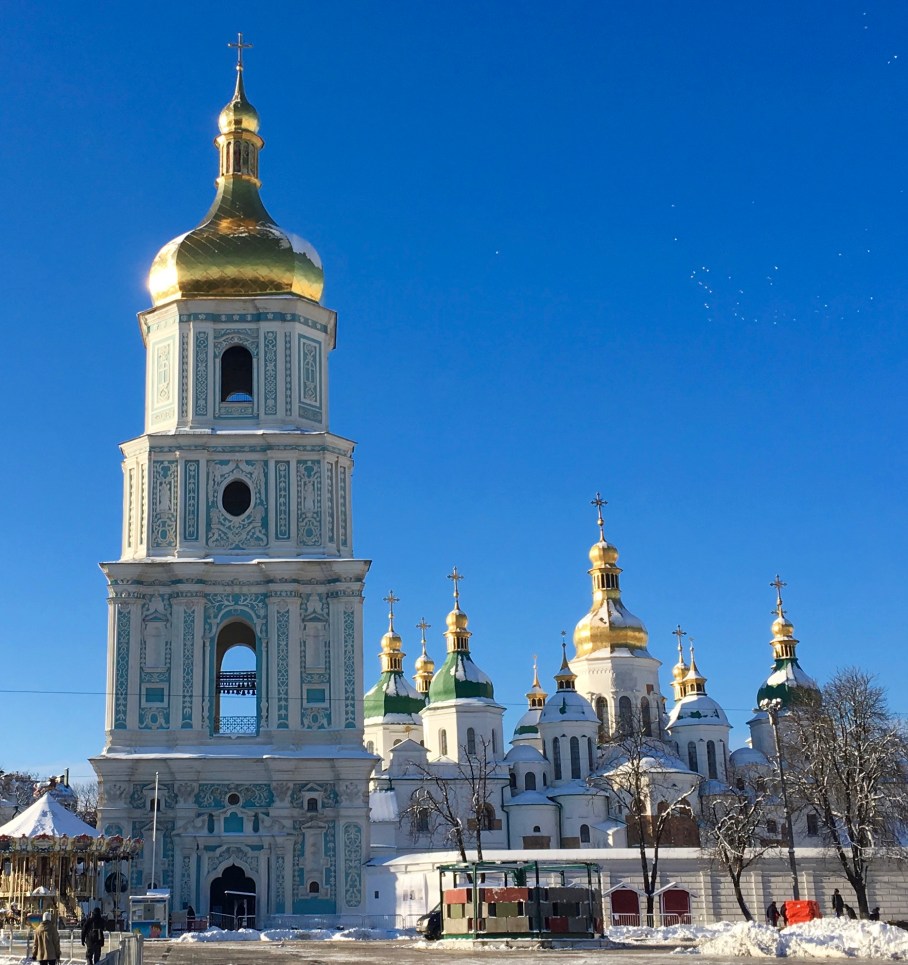
It was a short walk down Volodymyrska to Saint Sophia’s Cathedral, commissioned by Yaroslov I (son of Vladimir I) who reigned over the Kievan Rus from 1019 until 1054. It is a UNESCO World Heritage Site.
img_2400

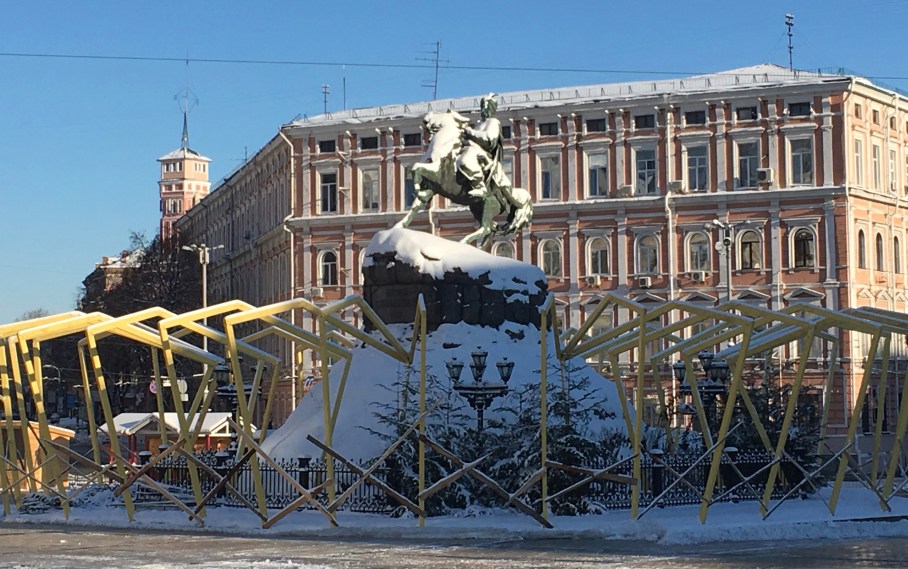
In front stands a statue of Bohdan Khmelnytsky (1595-1657) who organized an uprising against the Polish-Lithuanian Commonwealth, which had gained control of the region from the Mongol Empire in the 15th century. He is glorified by Ukrainians as a nationalist hero despite instigating the massacre of tens of thousands of Jews across Ukraine.
img_2407

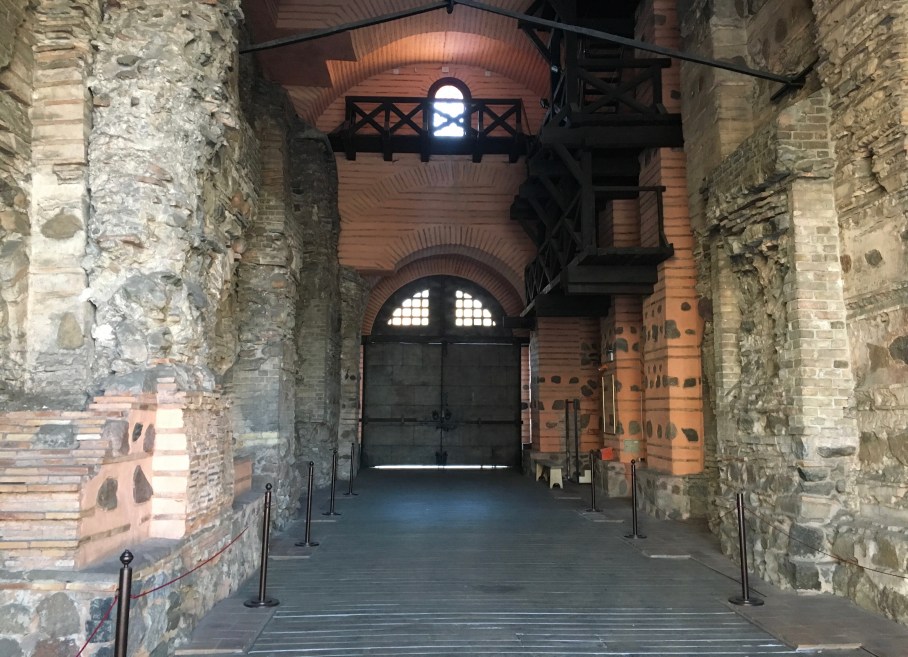
We continued down Volodymyrska to the Golden Gate, the only gate that remains of the three embedded into the city wall during the reign of Yaroslov I. Another gate was called the ‘Jewish Gate’, testament to the presence of Jews in young Kiev. Alas, the early Jewish community was decimated by the Mongol Invasion in the 13th century.

img_2426

The current structure was rebuilt in 1982 atop ruins of the original gate, completed in 1024.
img_2422

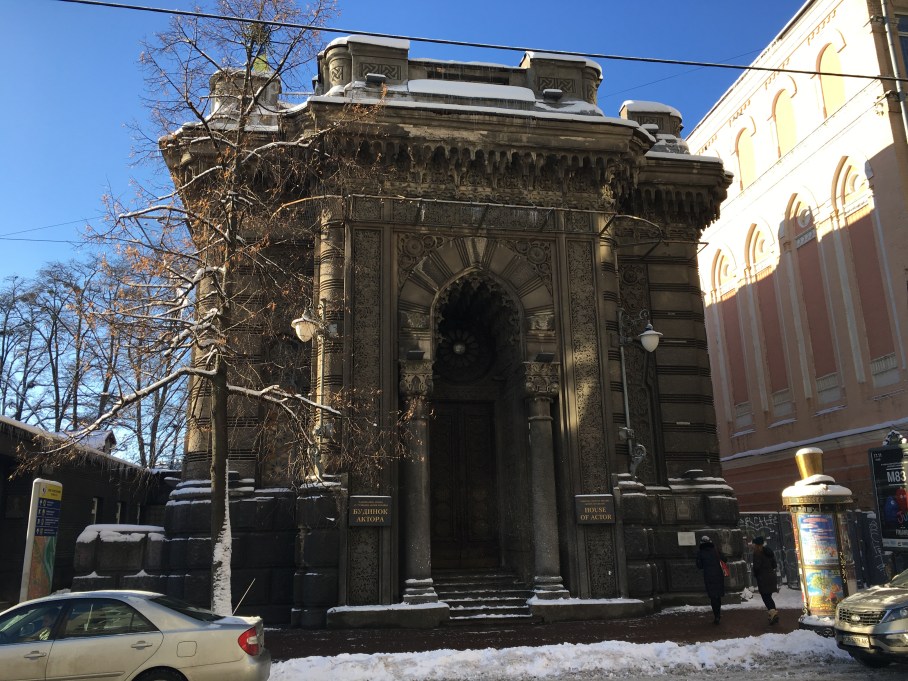
Nearby stands a Karaite synagogue (Kenesa). Built in the Moorish style between 1898 and 1902 for the 300 person Karaim (Turkic Karaite) community, it is considered to be one of the most remarkable buildings in Kiev.
img_2433

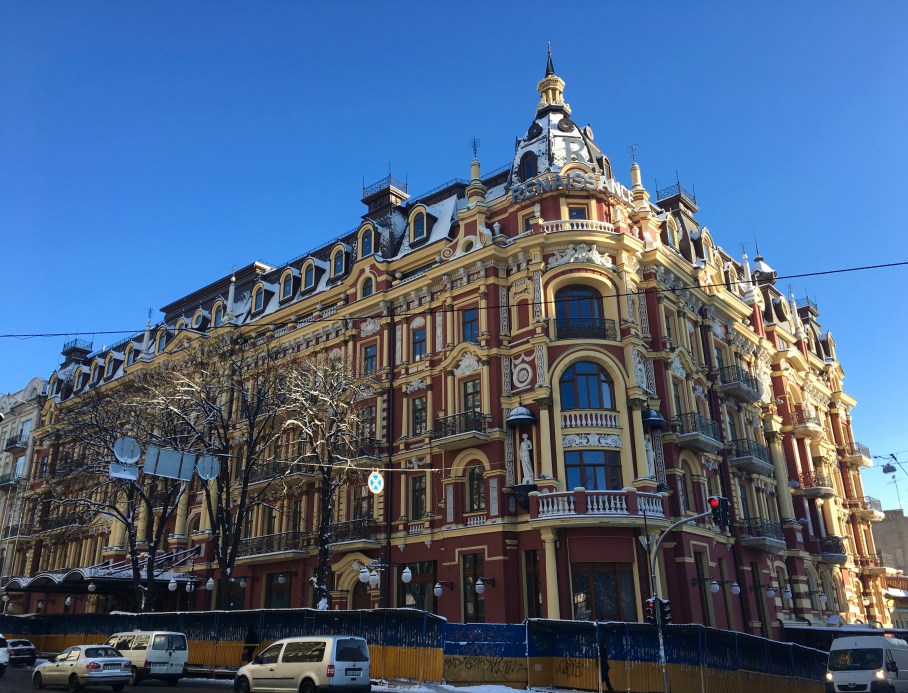
As we continued our pleasant stroll down Volodymyrska, Aleksandra pointed out three buildings of secular importance.
img_2415

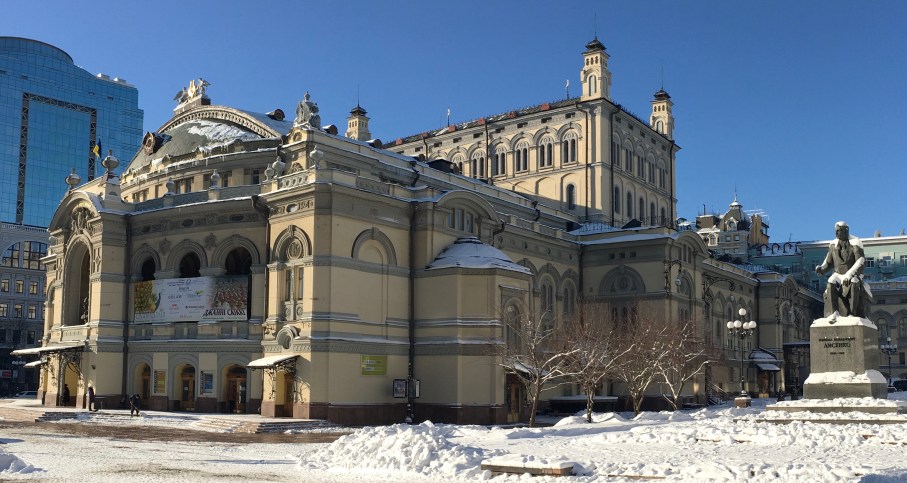
(1) The  National Opera House of Ukraine was constructed in Neo-Rennaisance style in 1901. In 1911 the Russian Prime Minister, Pyotr Stolypin, was killed there during an intermission by Dmitry Bogrov- a Jewish revolutionary.
img_2443

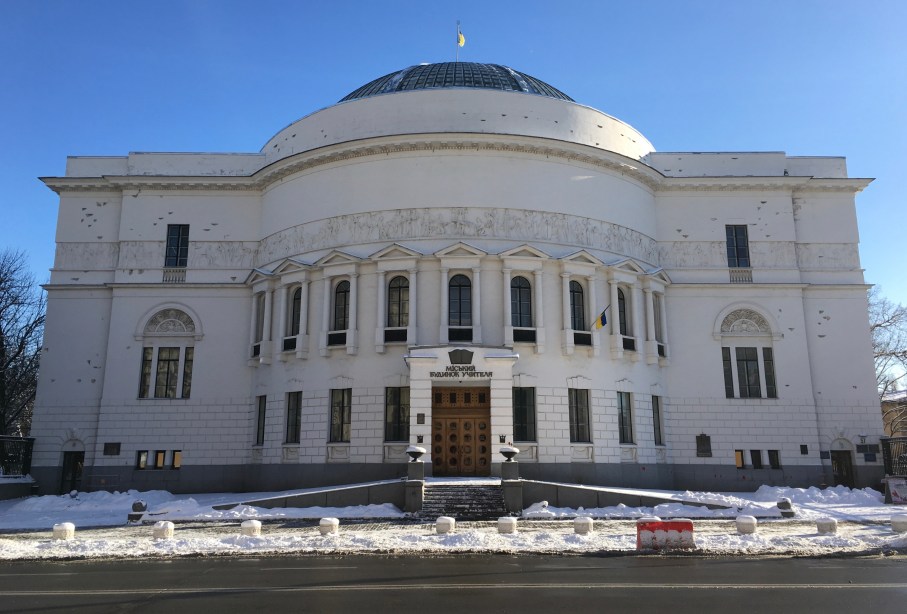
(2) The Teacher’s House now occupies the building where the short-lived Ukrainian People’s Republic was based between WWI and Soviet occupation in 1921.
img_2448

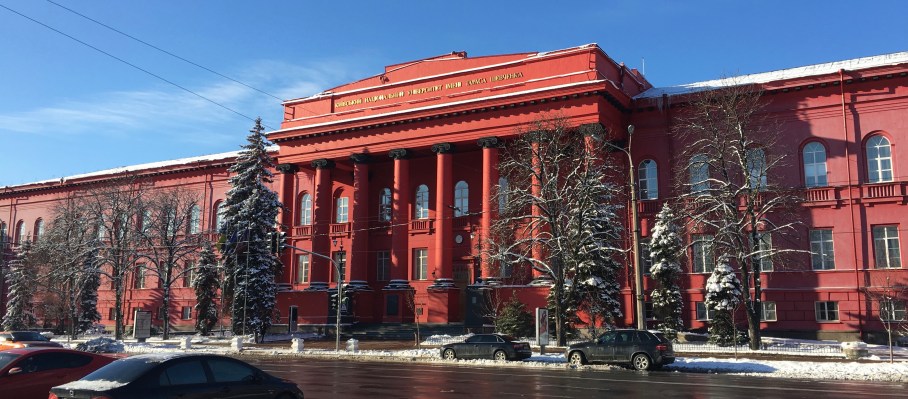
(3) The Taras Shevchenko National University of Kiev was established in 1834. It was one of the top three universities in the Soviet Union (including Moscow State University and Saint Petersburg State University) and is the top university in Ukraine.
img_2456

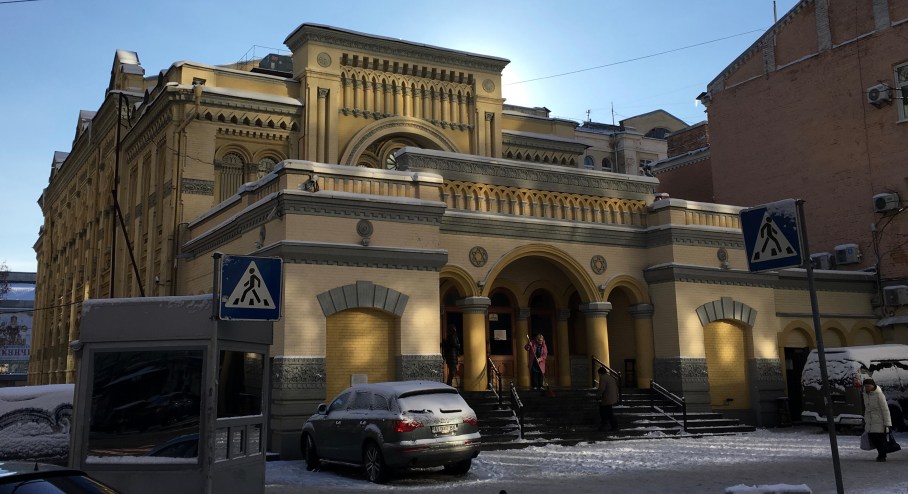
At 11:30 we walked back down the steep hill to bottom of Kreshchatyk, which runs into the Lybed District of Kiev. After centuries of intermittent expulsions, Jews were finally allowed to settle in Kiev on a permanent basis per invitation from Tsar Alexander II in 1861. Alas, they were only allowed to reside in two districts- Lybed was one of them. Within two years the Jewish population was over 3,000. The community had grown by more than ten times when Lazar Brodsky, a sugar magnate and one of the wealthiest Jews in the Russian Empire, endowed the construction of a central synagogue in 1898. Used as a puppet theater in Soviet times, the Brodsky Synagogue resumed her original purpose in 1992. She serves the Chabad Hasidic community of Kiev.
img_2471

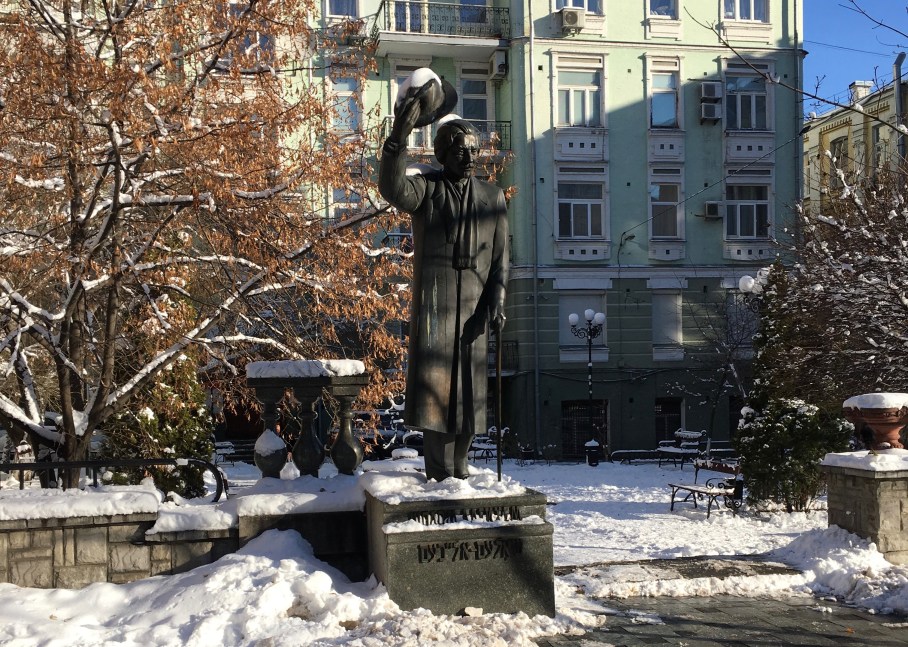
Nearby stands a statue of famed Yiddish writer Shalom Aleichem. He lived from 1887-1905 in Kiev, where in 1894 he published his first story about Tevye the Dairyman (later adapted into Fiddler on the Roof).
img_2461

It was a short walk to the site where the childhood home of Israeli Prime Minister Golda Meir once stood. Born Golda Mabovitch in Kiev in 1898, she immigrated at age eight to Milwaukee where she resided until leaving for Palestine in 1921.

img_2479

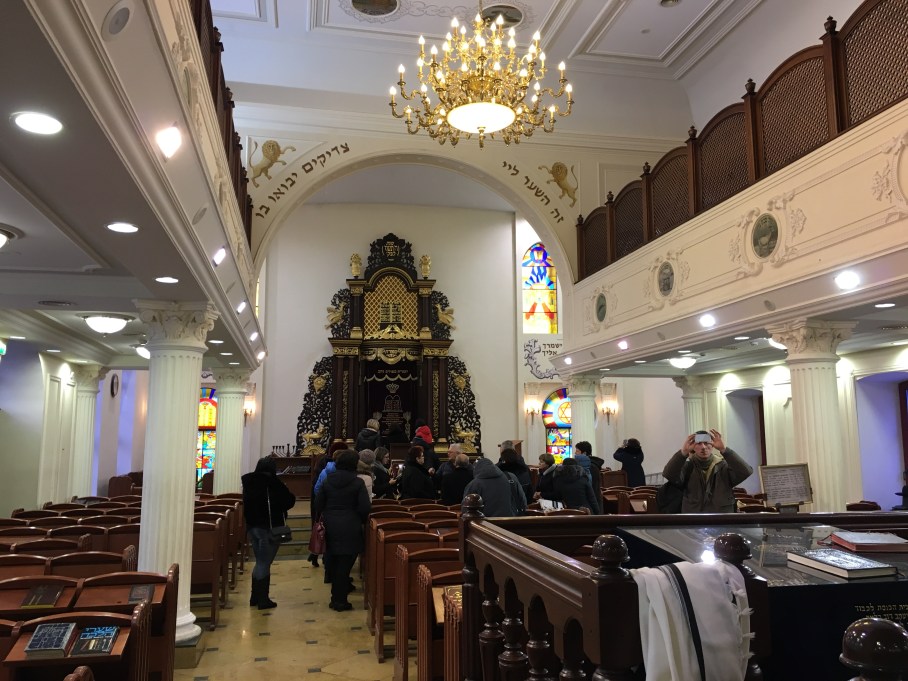
At noon we taxied beyond the top of Old Town to Podil District, the second area where Jews were allowed to reside and home to Kiev’s other active synagogue-the Great Choral Synagogue.

img_2481

Built in the Neo-Moorish style in 1895, it serves the Karlin-Stolin Hasidic community of Kiev.
img_2488

Aleksandra pointed out other Jewish heritage sites in Podil including a prayer house and Talmud Torah.  Twenty thousand Jews remain in Kiev.

Our tour of Podil concluded at the Church of the Intercession, which stands behind the belfry of the dismantled Church of St. Nicholas the Good. Alexander Glagolev served the latter. A Russian Orthodox priest, Glagolev intervened in the 1905 pogroms on behalf of the Jewish community. He later served as an expert witness in the defense of Menachem Beiles, accused of blood libel in 1913. Alexander’s son, Alexi Glagolev, served the former church. Alexi hid Jews and prepared false baptismal certificates for them during WWII. He was honored as a Righteous Among the Nations by Yad Vashem in 1991.
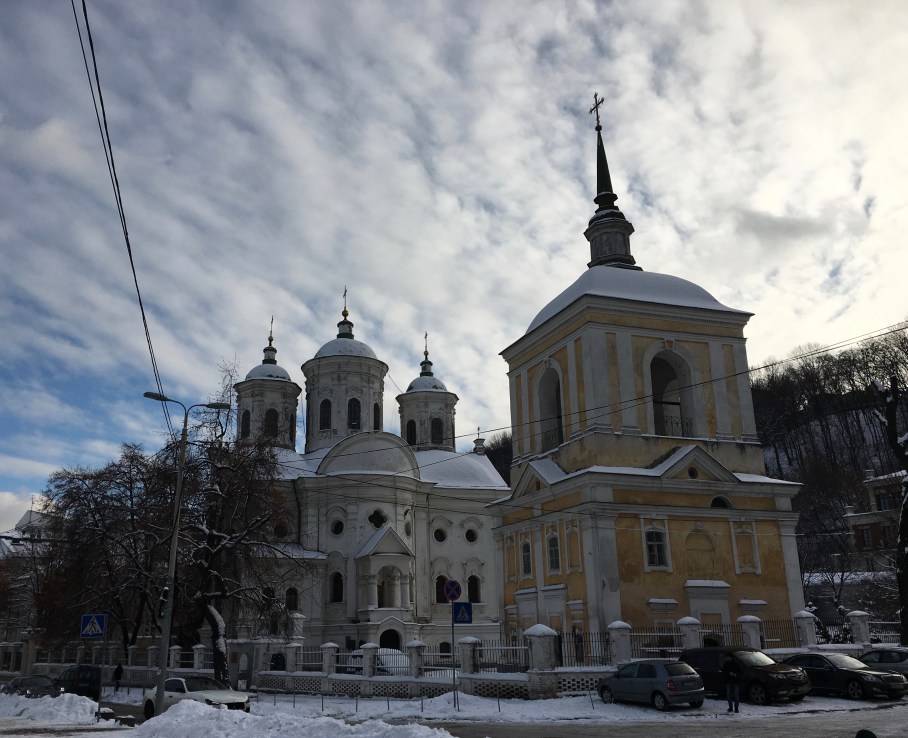
img_2520

We then walked up Andrew’s Descent, the steep road that winds for 2,500 feet down from Old Town to Podil District. A major tourist attraction, it draws vendors year round.

Aleksandra joined us for vareniki and borsch. We learned that she was born in Chernivtsi, which I visited only a few months ago.

Saint Andrew’s Church imposes from the top of Andrew’s Descent. Built in the mid-18th century at the behest of Empress Elizabeth of Russia, it was intended to supplement her summer residence in Kiev. Elizabeth died before it could be completed.
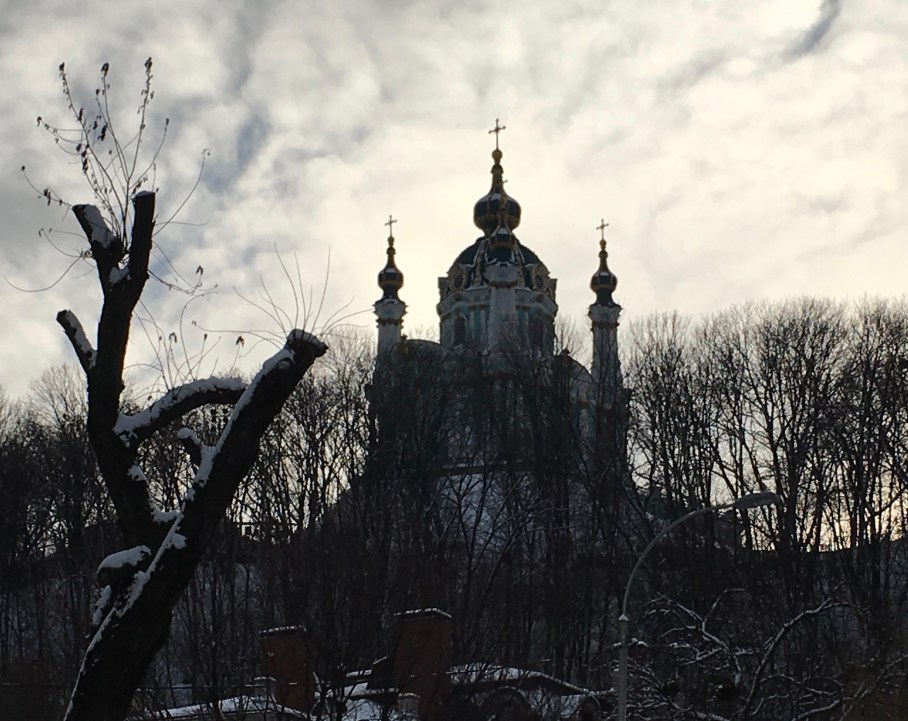
img_2523

En route to Babi Yar, Aleksandra pointed out the corner where all Jews (who hadn’t fled to the interior of Russia) were ordered to gather on September 29, 1941. A few days prior, a mandate had been posted around the city: All Yids of the city of Kiev and its vicinity must appear on Monday, September 29, by 8 o’clock in the morning at the corner of Mel’nikova and Dorohozhytska streets (near the Viis’kove cemetery). Bring documents, money and valuables, and also warm clothing, linen, etc. Any Yids who do not follow this order and are found elsewhere will be shot. Any civilians who enter the dwellings left by Yids and appropriate the things in them will be shot.
img_2535

We parted ways with Aleksandra upon arrival. Samantha and I began our tour at 3:15. It was a haunting walk to the memorial in front the ravine where 33,771 Jews were massacred by the German SS and local collaborators on September 29 and 30, 1941.

img_2541

Jewish men, women and children were ordered to undress and then lay atop the previously murdered. They were systematically shot dead by machine gun fire. Over 100,000 people were executed in the ravine at Babi Yar during the war.
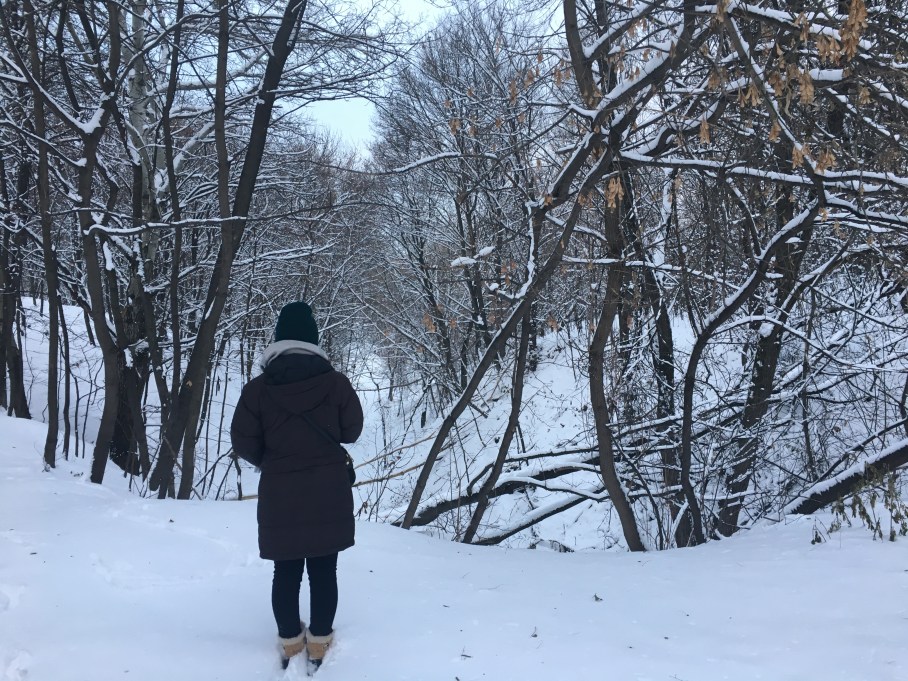
img_2552

Samantha and I walked around the full length of the ravine and back, which took some time.

img_2559

Near the entrance to the park stands a memorial to the thousands of children killed at Babi Yar.

img_2562

Emotionally and physically exhausted, Samantha and I took the colorful subway back to Kreshchatyk at 5:00.
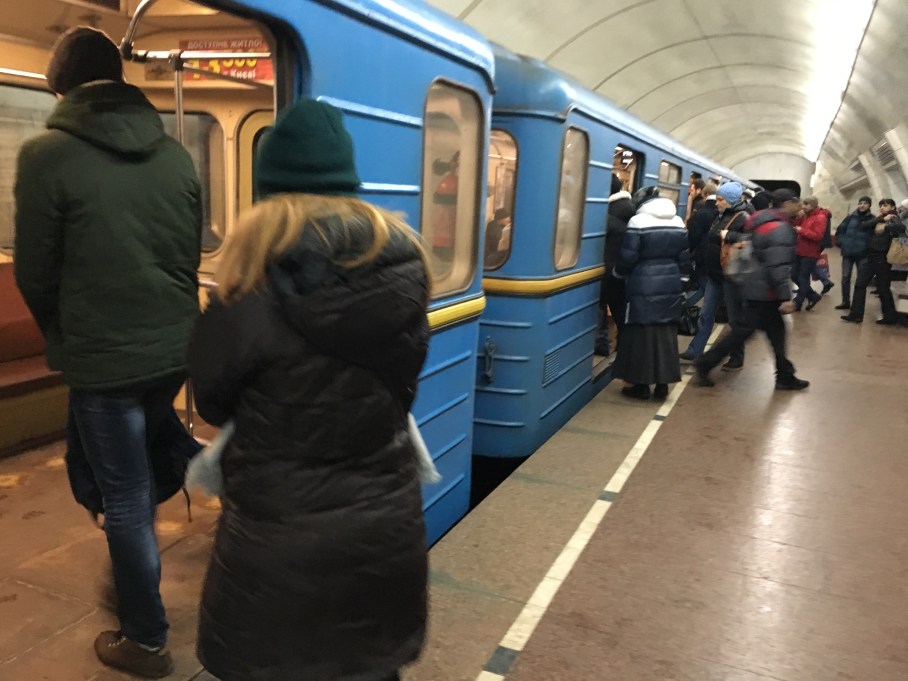
img_2565

We were determined to visit a couple more essential sites. We started at the central square of Kiev known as Maidan. It has been the traditional site for political rallies since Ukraine gained independence in 1991. Most recently it was the site of the Euromaidan protests of November 2013, when thousands gathered in response to the rejection of an EU association agreement by President Yanukovych. A violent response to the peaceful protest sparked the 2014 Ukrainian Revolution. By February  more than 100 protestors had been murdered by government forces, mostly in Kiev’s center. President Yanukovych was ousted and exiled later that year.
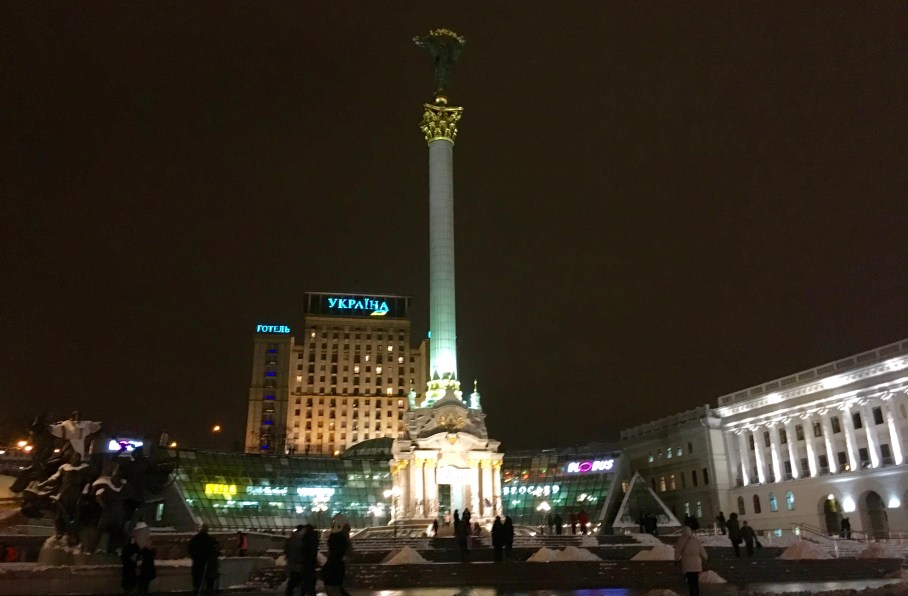
img_2571

The road adjacent Maidan is lined with memorials to the ‘heavenly hundreds’ killed during the revolution.

img_2586

We walked up the steep hill from Kreshchatyk to Lypky, the government district. We visited Mariinsky Palace, which stands behind the Ukrainian parliament building. Mariinsky Palace was the intended summer residence built for Empress Elizabeth of Russia in the mid-18th century. After her death it was frequented by Catherine the Great and later reconstructed by Tsar Alexander II.
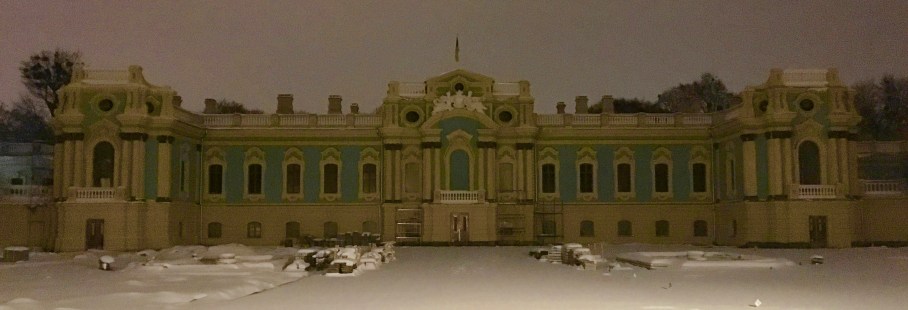
img_2593

With that, we finally journeyed back to the hotel. It was a privilege to watch Samantha share family information with her grandparents, for whom it was obviously emotional.
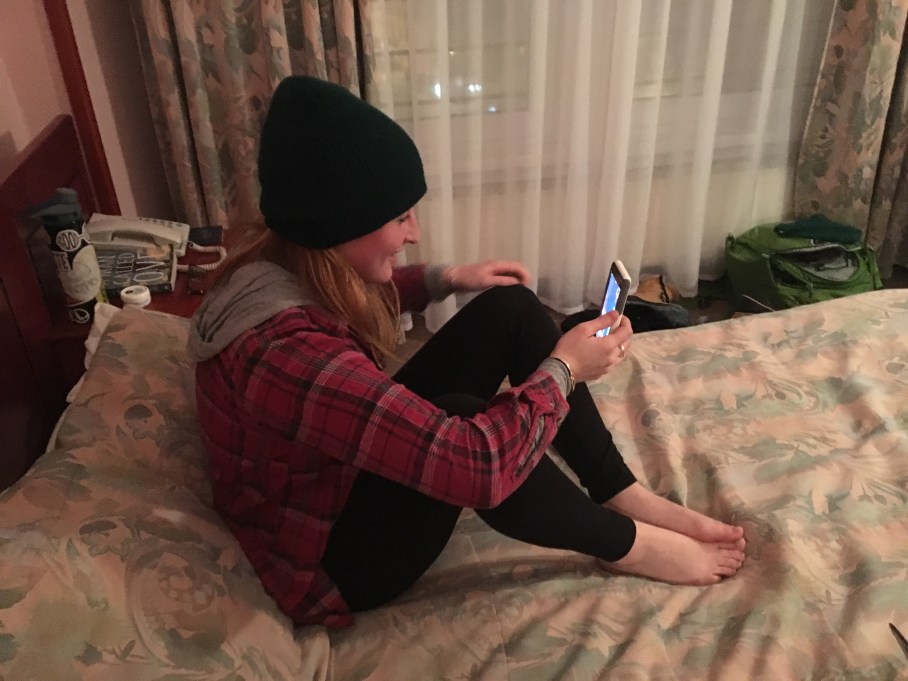
img_2596

We had a delicious dinner at the hotel restaurant.

img_2600

Talked at length with our friends Yitzi Peetluk and Lauren Saag before going to sleep.

02 December 2016

By 8:45 we were at CoffeeInn, which I feel obligated to show visitors since I spend so much time there. Gossiped about mutual friends over breakfast before Samantha began her tour of Vilnius.

Meanwhile, I scrambled to finish my paper and build a powerpoint presentation from scratch. Threw together some pictures and was off by 12:30 to print my paper. Unfortunately, the baristas didn’t have any recommendations for nearby print-shops so I rushed to the International Students Office. Of course, they were closed. Booked it to the library downstairs without the student ID required to enter. The receptionist kindly printed my ten-page paper, I was beyond thankful.

Arrived at class with only a few minutes to set up my presentation. I rambled for thirty-five minutes about Litvak history and the extinction of Litvak identity (outside of religious circles). I thought it was the poorest presentation I’d ever given, so I was shocked to receive a 10 (out of 10) on spot.

After enduring two more presentations I rushed to the bell-tower where I met Samantha. She’d toured the entire castle complex and even made time to trudge through the snow to the synagogue. I was extremely impressed with all she’d accomplished, her pace much quicker than Dad’s. We chugged the German beer that she’d kindly gifted me en route to the airport.

Had lunch before boarding the plane to Riga at 4:30. Blogged.

Customs was a breeze, boarded the plane to Kiev at 6:15. Blogged.

Taxied 30 minutes from Boryspil International Airport to our luxurious hotel in the heart of Kiev.

img_2362

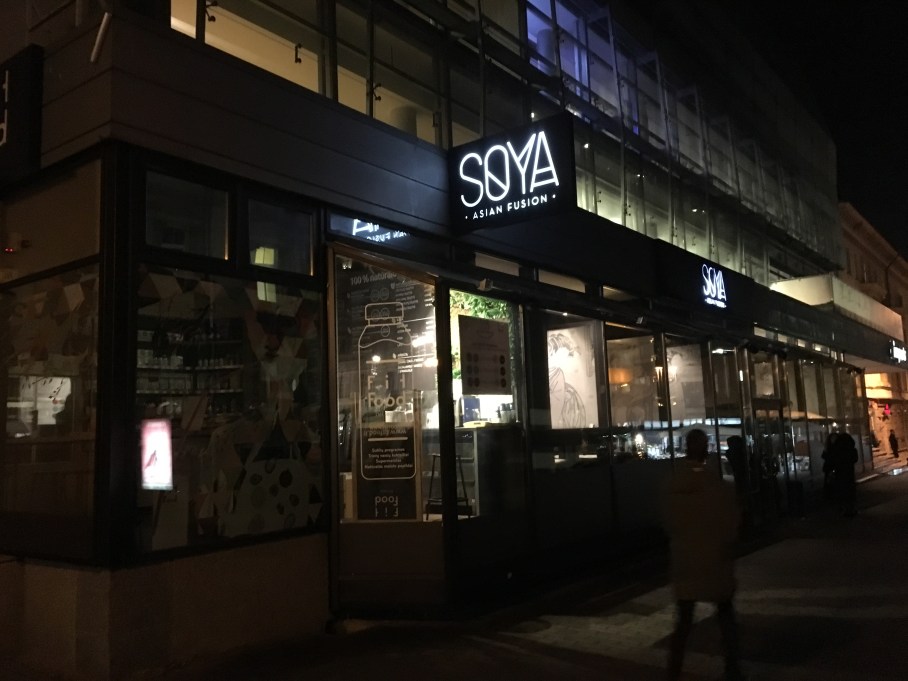
Enjoyed a surprisingly tasty combination of Japanese and Ukrainian dishes for dinner.

img_2365

01 December 2016

Jumped rope and packed before checking into the hotel on Gediminas where I worked on my paper.

Left for the airport at 4:00 where I met my good friend Samantha Notowich. She is spending the year as a JDC fellow in Berlin where she engages the young Jewish community.

Samantha asked me to look into her ancestry about a month ago. I discovered that she was of half-Ukrainian heritage, which served as a useful means for convincing her to accompany me to Kiev (via Vilnius). We dropped our things at the hotel where I shared some interesting findings.

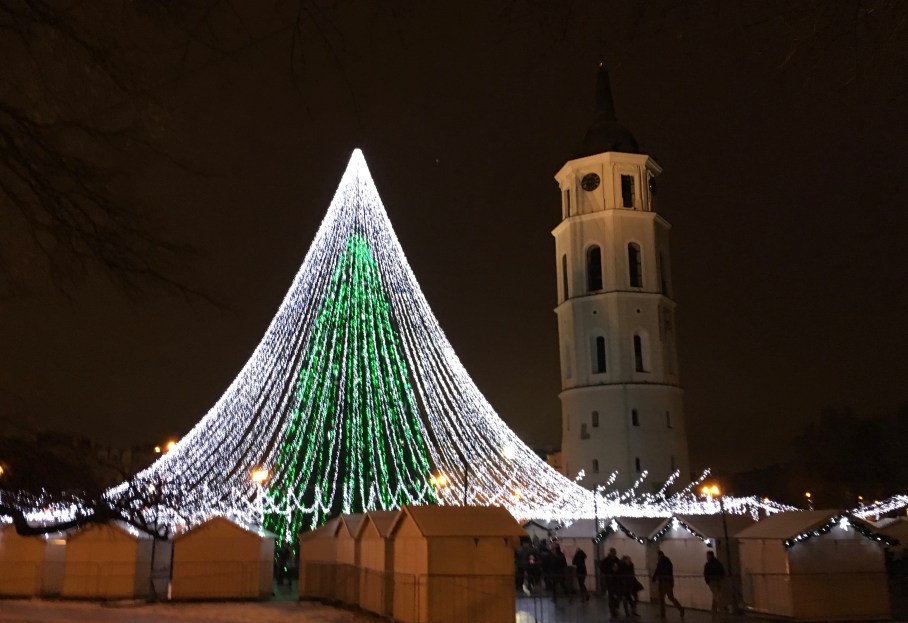
Walked through the Christmas market in Gedimino Square on the way to dinner.

img_2320

We were joined by Amit at a traditional restaurant on Pilies. I couldn’t have asked for better company.

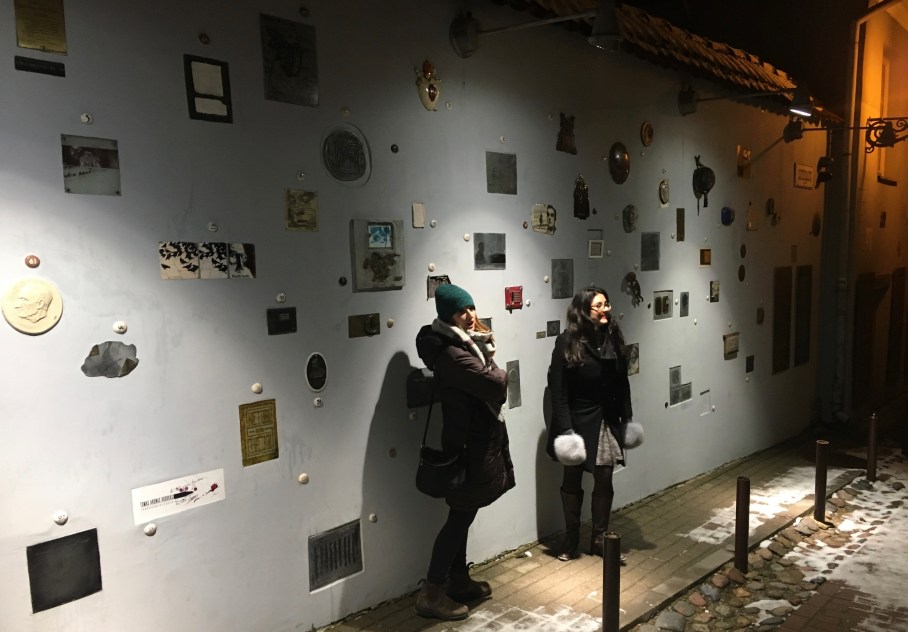
Amit walked us down Literature Street, which was once home to Vilnius’ most prominent writers. A memorial now stretches down an alleyway wall.

img_2334

We enjoyed some Dutch Pancakes at the Christmas market before parting ways.

img_2350

Samantha and I caught up over drinks on Gediminas. Her familiar face has definitely alleviated my stress.

30 November 2016

Bussed to CoffeeInn on Gediminas where I worked on my paper about Litvaks in America for my National Minorities course.

After my history class I worked more on my paper at CoffeeInn on Pilies.

Picked up dinner on the way home.

28 November 2016

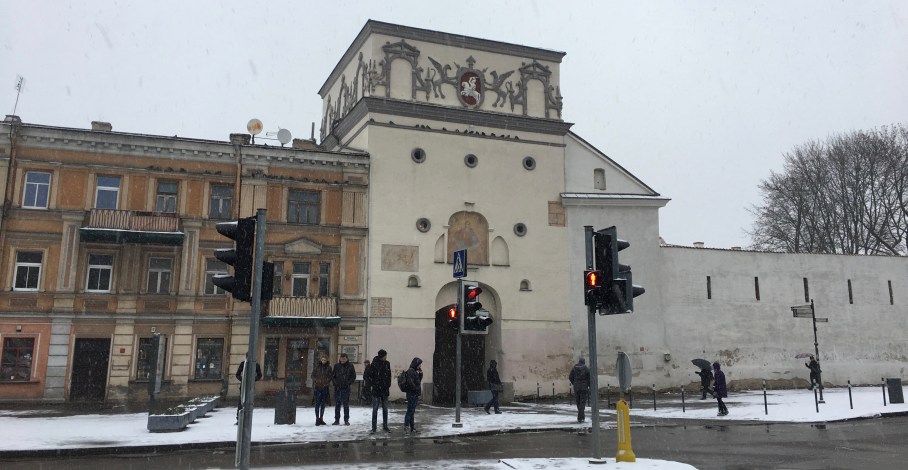
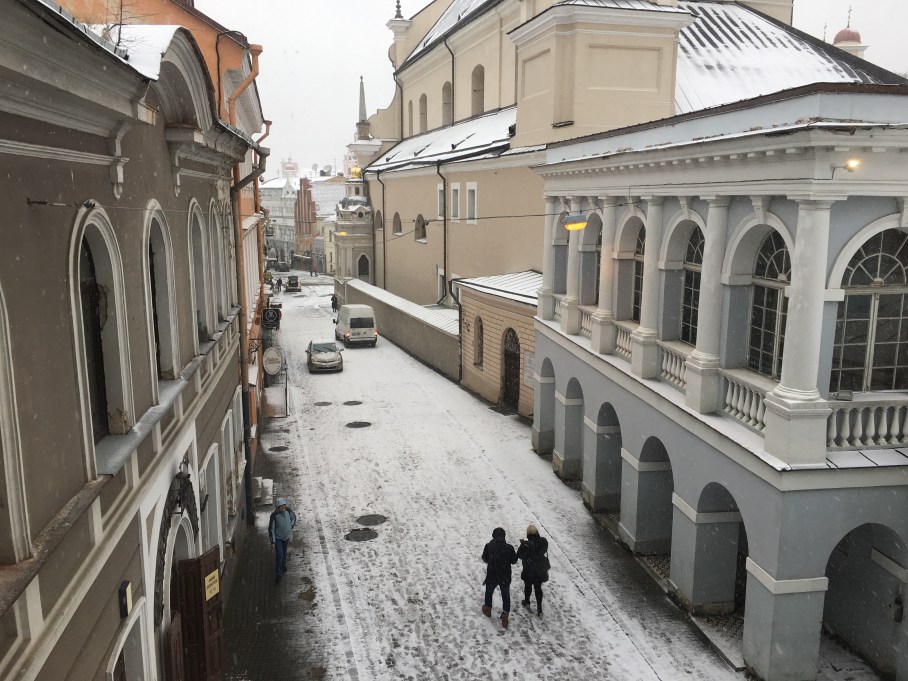
Jumped rope and then bussed to class so as to avoid trudging through the snow. The bus put me just outside the Gates of Dawn, which I’d been meaning to visit.

img_2257

Completed in 1522, the Gates of Dawn is the only gate remaining of the nine once embedded into the city wall.

img_2264

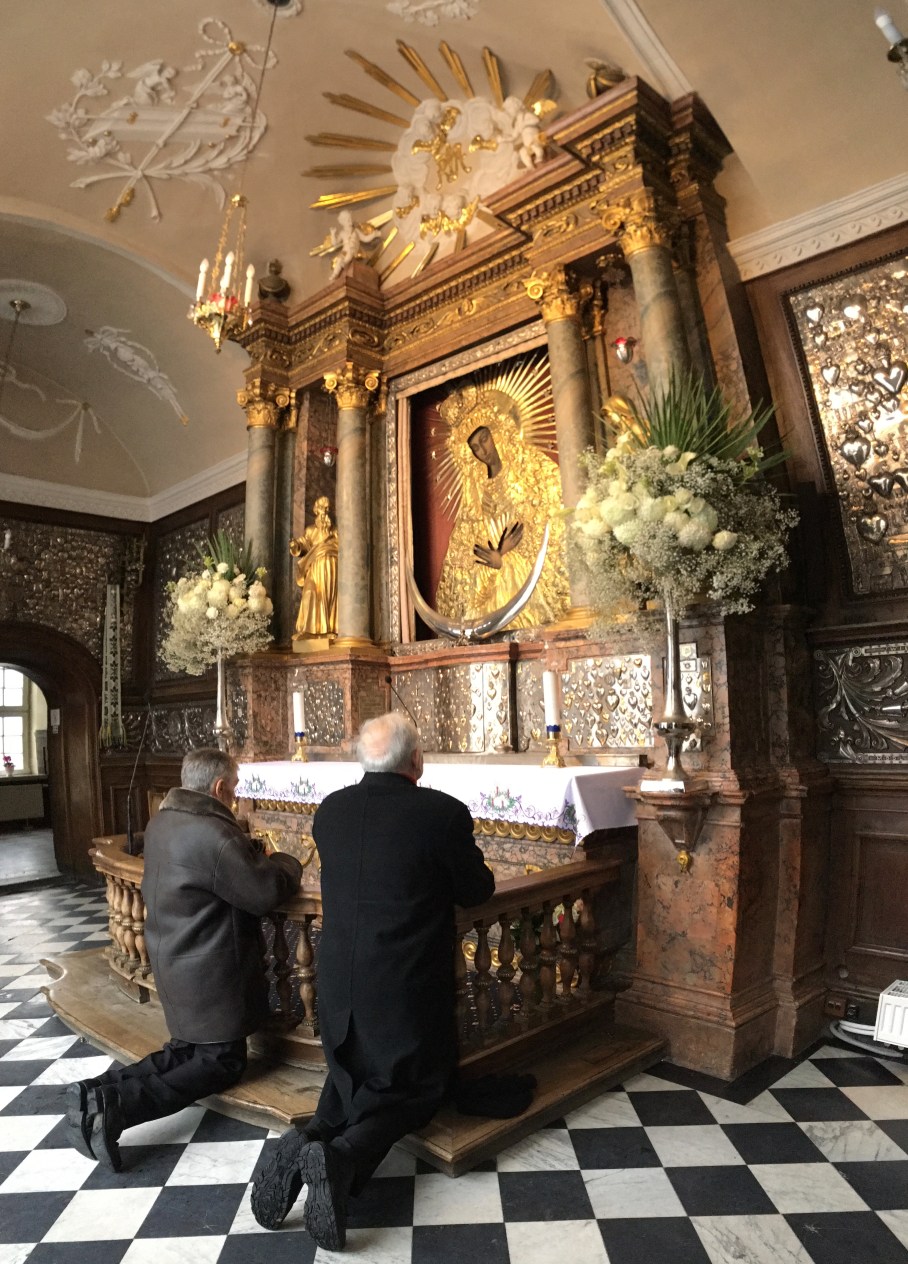
Per custom, an image of the Virgin Mary was enshrined atop the gate. Painted around 1630, Our Lady of the Gate of Dawn is venerated by Catholics and Orthodox alike. It was visited by Pope John Paul II in 1993.

img_2269

Walked to class where we learned about multiculturalism and later about human shields.

img_2270

27 November 2016

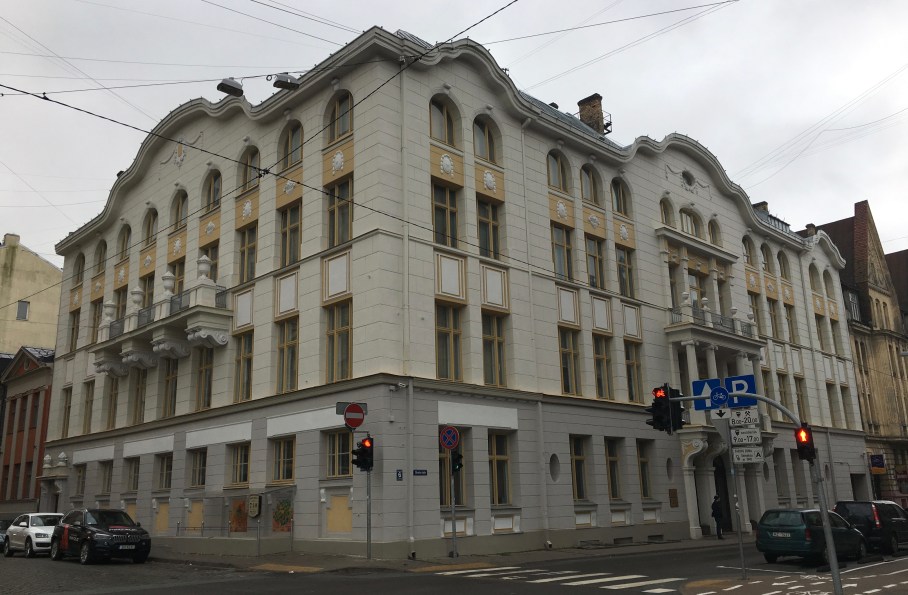
I started my tour of Jewish Riga at the Community Center on Skolas Street. Constructed in 1913 it originally accommodated various Jewish organizations, a Jewish theater, a Jewish library and served as the preeminent venue for Jewish functions (Jews were excluded from town guilds). After regaining independence the Latvian government returned the premises to the Latvian Society for Jewish Culture (LSJC), who in turn allotted the property to the Riga Jewish Community (RJC). Having resumed her original purpose, the building now hosts the Jews in Latvia Museum. Alas, it was closed for a student gathering. I overheard the young people speaking in Russian and I even saw one boy wearing a ‘Make America Great Again’ hat- testament to the Russian persuasion of Jews in Eastern Europe (as in Vilnius).

img_2052

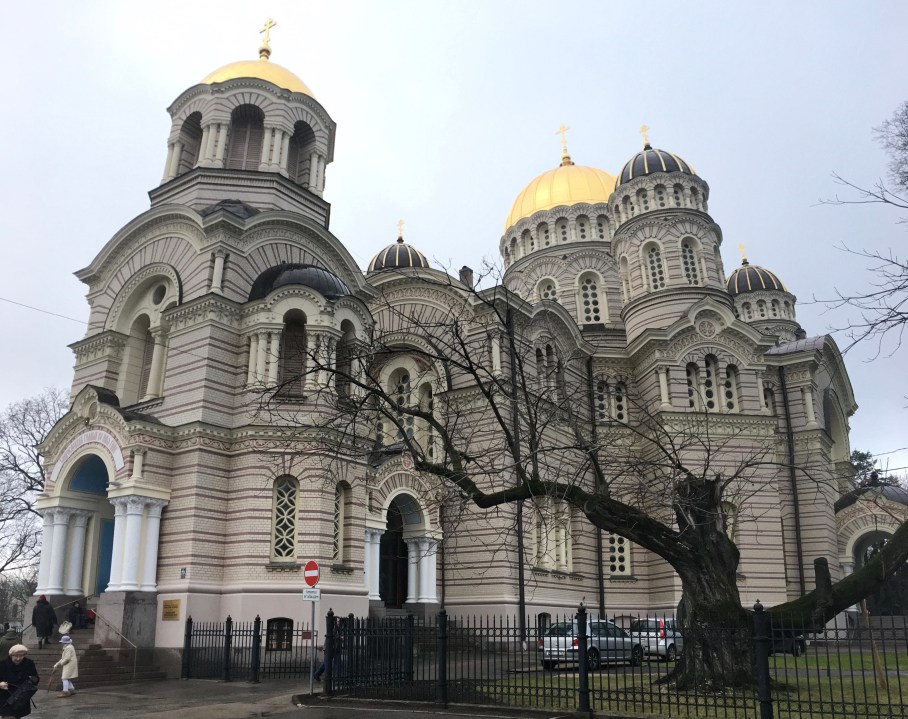
Passed the astonishing Roman Catholic Nativity Cathedral (1876) en route.

img_2053

Took a short bus ride to the Old Jewish cemetery located in the suburban Moscow District. Jews first settled in Riga on a permanent basis with the Polish occupation during the Livonian War (1558-1583); however, the first Jewish burials were not allowed until 1725- when the Old Jewish Cemetery was established.

img_2054

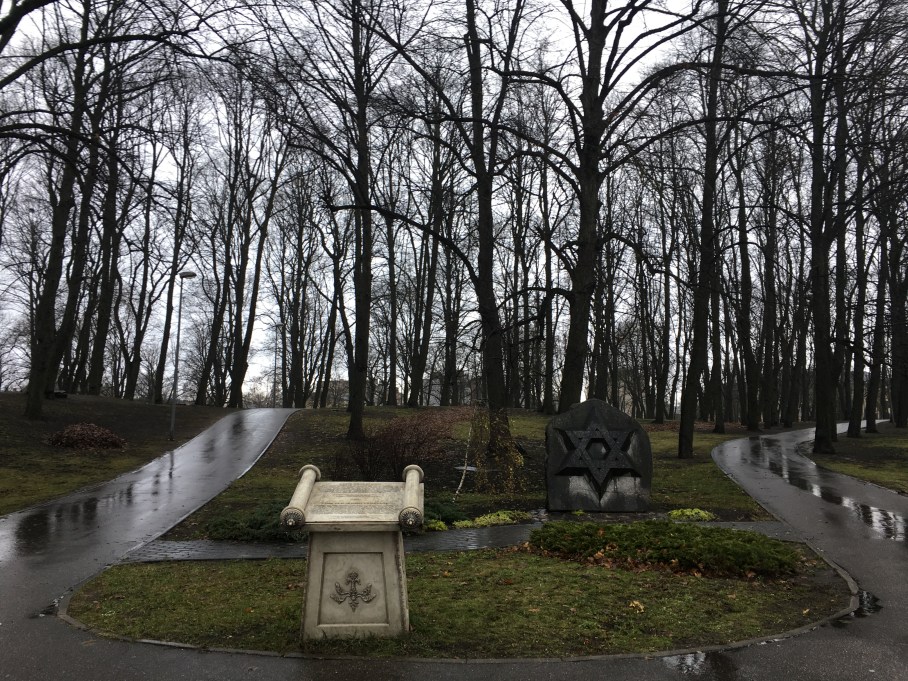
Headstones were removed during the Soviet occupation, and in 1960 the Communists Brigades Park was established therein. The only evidence of her original purpose are two monuments that stand near her entrance.

img_2062

It is an otherwise hideous park.

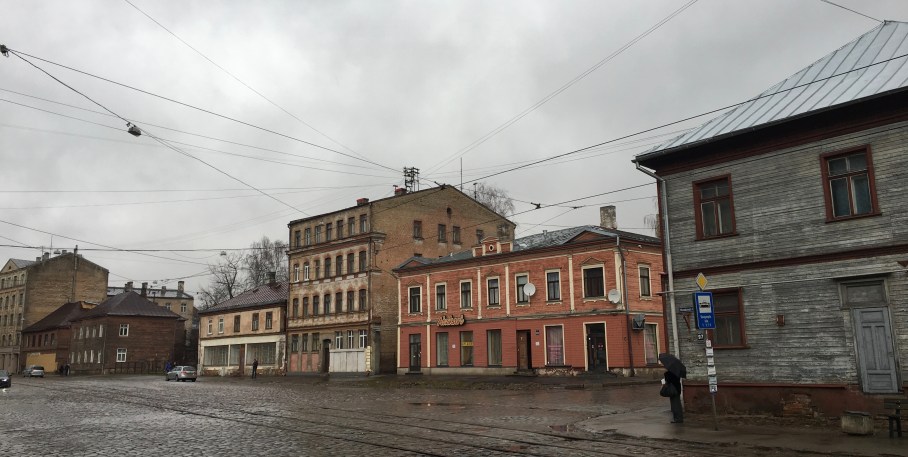
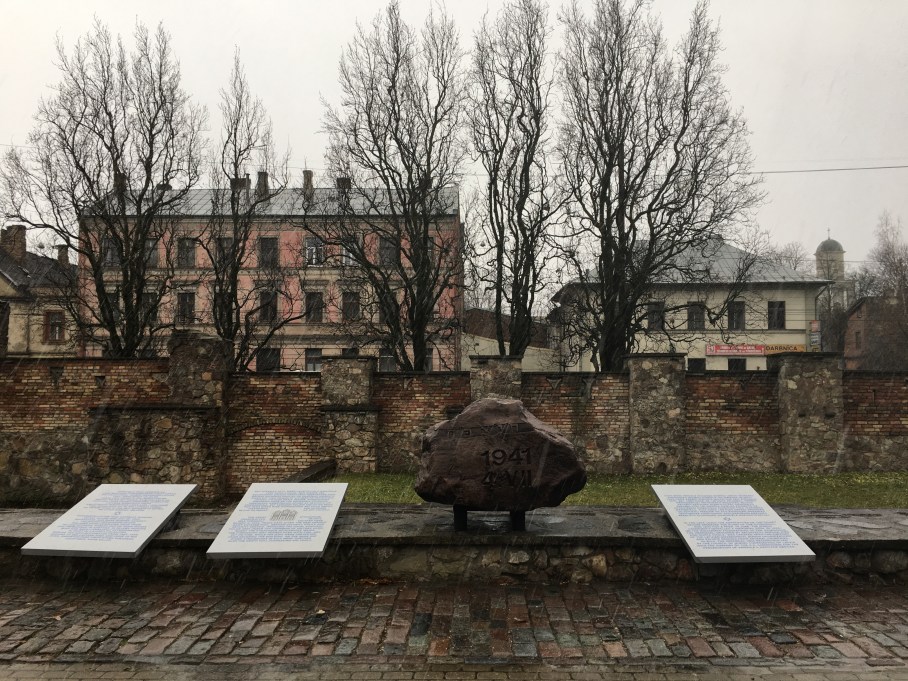
To reach Old Town I walked through the Moscow District, which was once designated the Riga Ghetto. While a quarter of Riga’s Jews scrambled to the interior of the Soviet Union in the months before the Nazis arrived, the 30,000 remaining were forced into the ghetto in October of 1941. Only a few thousand survived the massacres of early December in the Bikernieki and Rumbula forests. The dead were replaced by some 20,000 transports from Western Europe, who in 1943 were shipped to their deaths in concentration camps. Roughly 50,000 ghetto inhabitants perished during the Holocaust.

img_2080

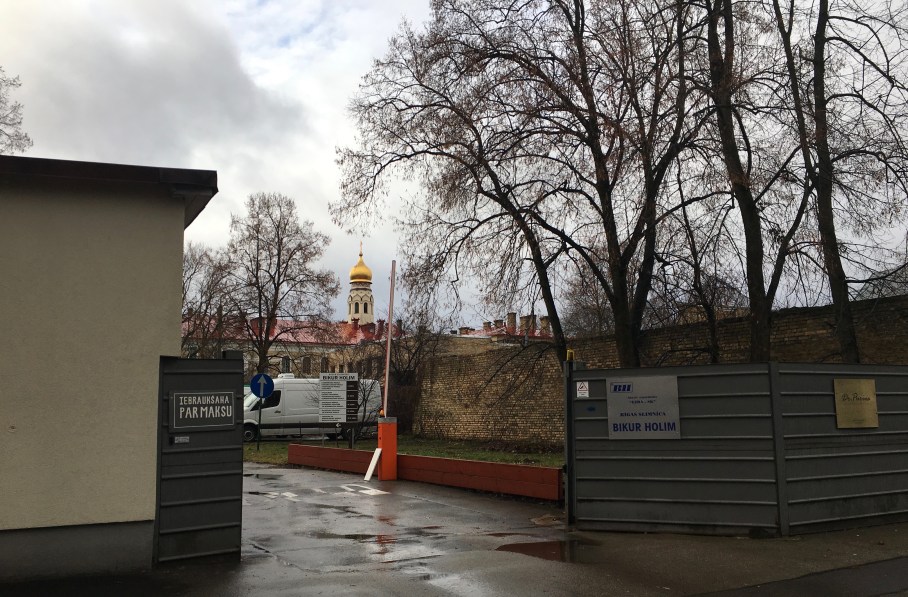
I was surprised to find a sign that read ‘Bikur Holim’ (Hebrew for ‘heal the sick’). Turns out it was a Jewish hospital established in 1924 that still serves its original purpose.

img_2077

Finally reached the Great Choral Synagogue just after noon. Constructed in 1871 it was the largest and grandest in all of Latvia.

img_2130img_2107

Her establishment would have coincided with the arrival of my great-great-great-grandparents, Moses Smulson and Minnie Brenner, originally of the Siauliai region in Lithuania. It was in Riga that the Smulsons (who then went by Shmuelov) bore and raised five children, including my grandmother’s grandmother, Lena Weisbond nee Smulson. Lena immigrated with her parents to Baltimore in 1891.

lena-smulson-weisbond

In July of 1941 some 400 Jews were led into the synagogue. Grenades were thrown inside and the synagogue, with her occupants, burned to the ground.

img_2126img_2111

A memorial to the victims was erected adjacent earlier this year.

img_2104

A nearby monument honors Zanis Lipke (1900-1987) who used his position in the Nazi military to smuggle Jews from the ghetto. Roughly one quarter of the 200 Jews from Riga who survived the war attribute their lives to Lipke’s efforts.

img_2100

By then the falling snow had thickened and my hand was entirely numb from neglecting my glove in order to take pictures. Was excited to reach the Riga Ghetto and Latvian Holocaust Museum, but was disappointed to find an outdoor exhibition.

img_2137

Used an indoor display to warm up. It traced the history of the Armenian Genocide. Raphael Lemkin, who coined the term genocide for the United Nations Convention, noted that ‘a strong parallel may be drawn between the extermination of the Armenians by the Turks and the extermination of the Jews by the Germans’.
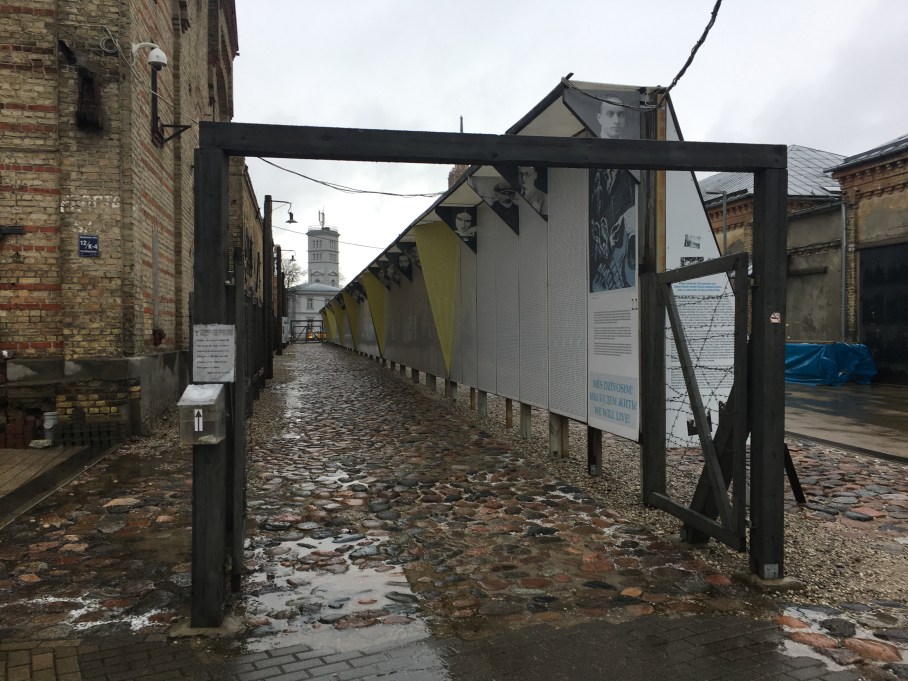
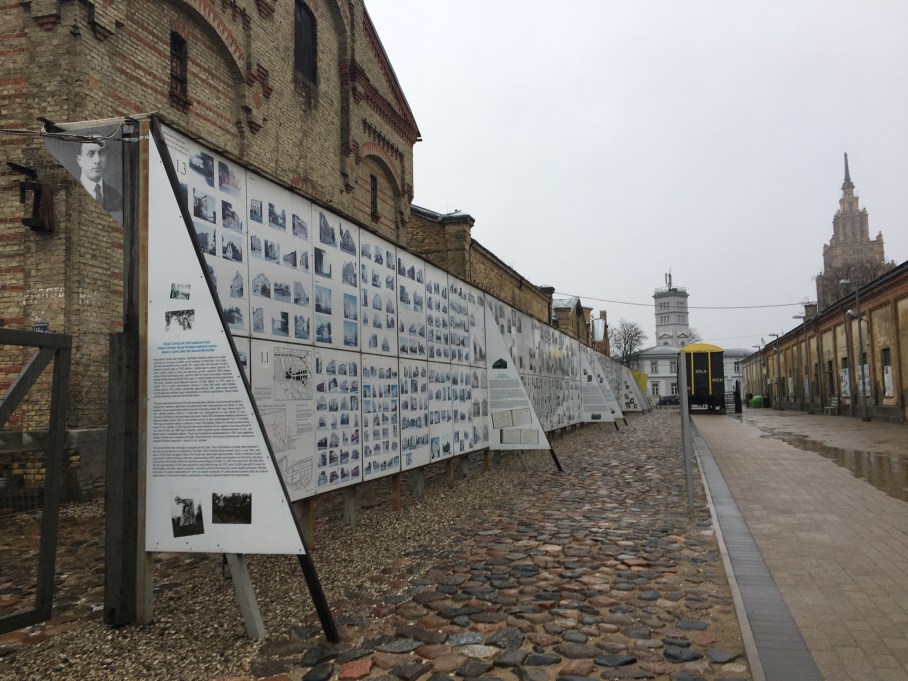
The main exhibition features a double-sided display structured along a path intended to replicate a typical street in the ghetto.

img_2183

One side offered a detailed chronology of Jewish life in Latvia through the Holocaust, the other listed victims.

img_2186

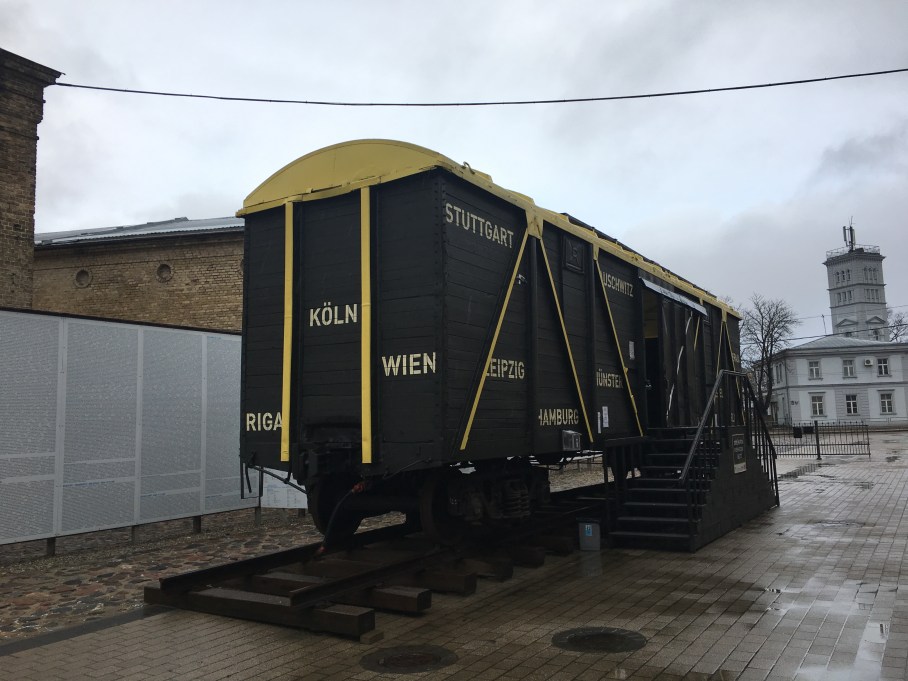
Towards one end stands a cattle car used to transport Jews to and from the ghetto.

img_2189

It contained an exhibit about the transport from Berlin.

img_2193

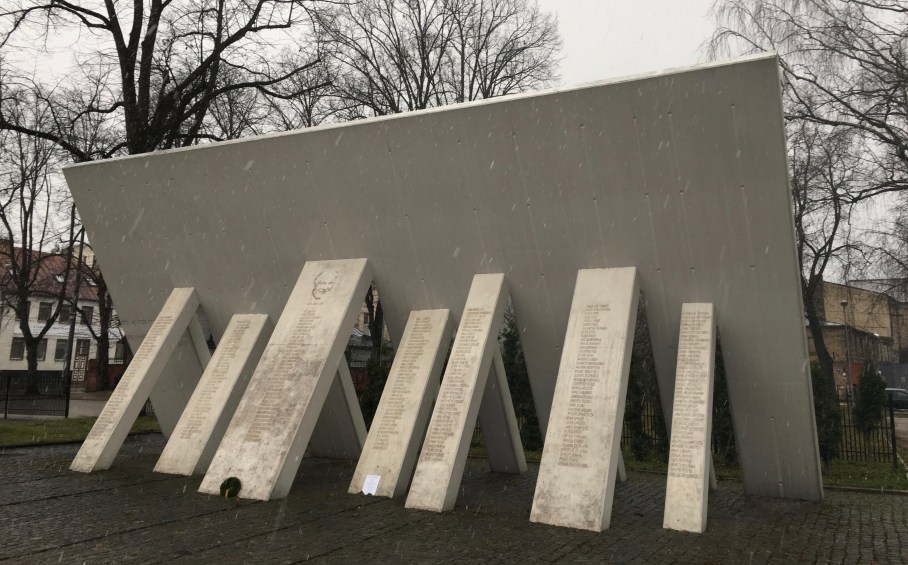
At the other end stands a memorial to the 70,000 Latvian Jews massacred by the Nazis.

img_2185

Adjacent stands a factory where ghetto inhabitants were marched each day to serve as forced labor.

img_2217

Behind the memorial stands a home transplanted from the ghetto in recent years. It housed thirty inhabitants during the war.

img_2196

The bottom floor holds impressive models of the incredible synagogues that crowded Latvia before the war.

img_2200

The top floor recreates the conditions of a typical ghetto residence.

img_2209

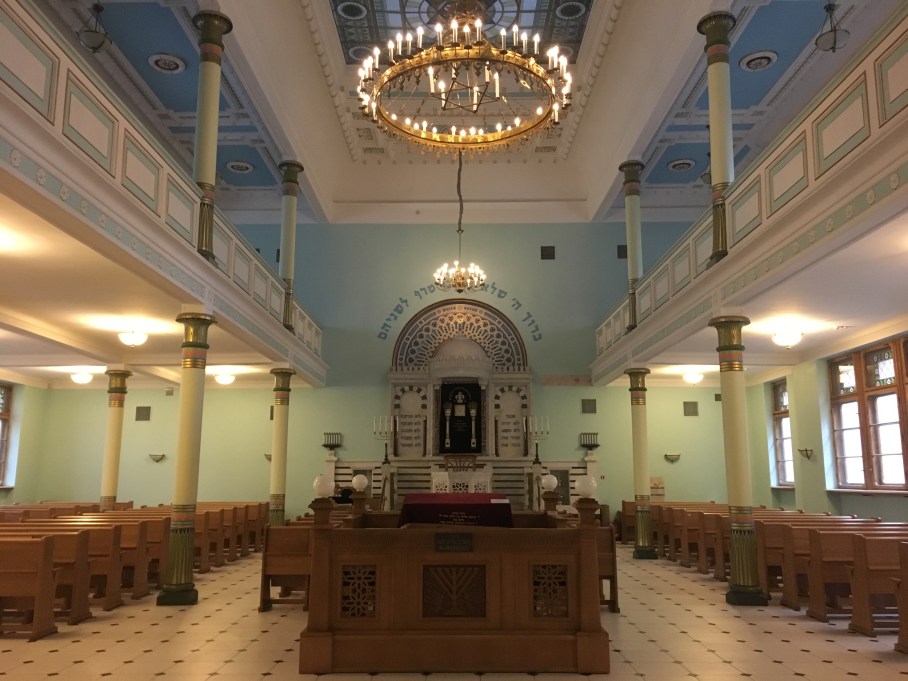
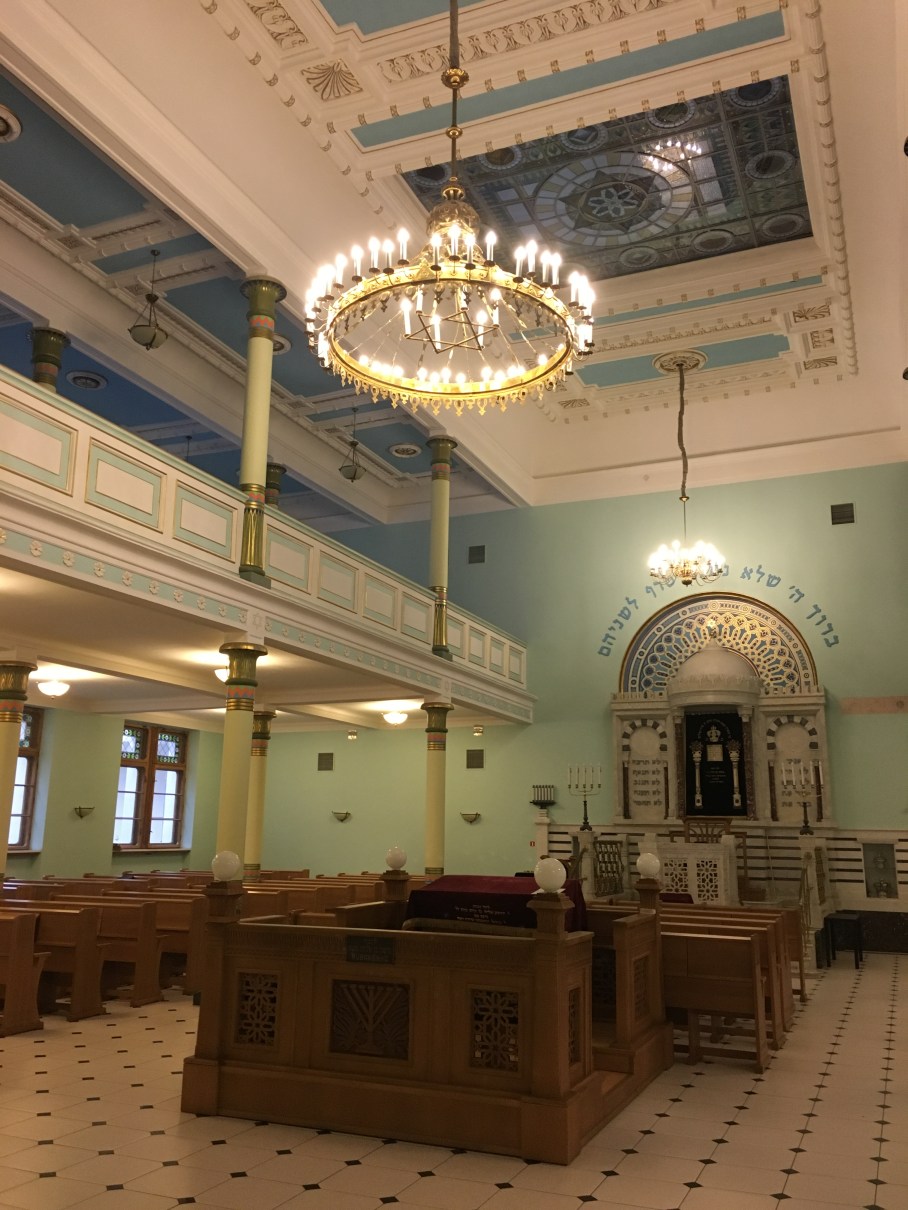
Made my way from the museum to the only synagogue in Riga that survived the war. Located in the heart of Old Town, it was feared that burning her would threaten adjacent properties.

img_2220

Built in 1905, the Peitav Shul serves the 12,000 strong Jewish community of Riga.

img_2233

Designed in Art Nouveau style it is surely one of the most beautiful synagogue interiors I’ve seen (along with the Temple Synagogue in Krakow).

img_2251

The original torah scrolls miraculously survived the war inside the Aron Kodesh.

img_2241

With that I made my way to the bus station where I ate lunch and blogged. Also had time to vent to my parents.

Blogged on the bus, arrived in Vilnius at 9:00.

26 November 2016

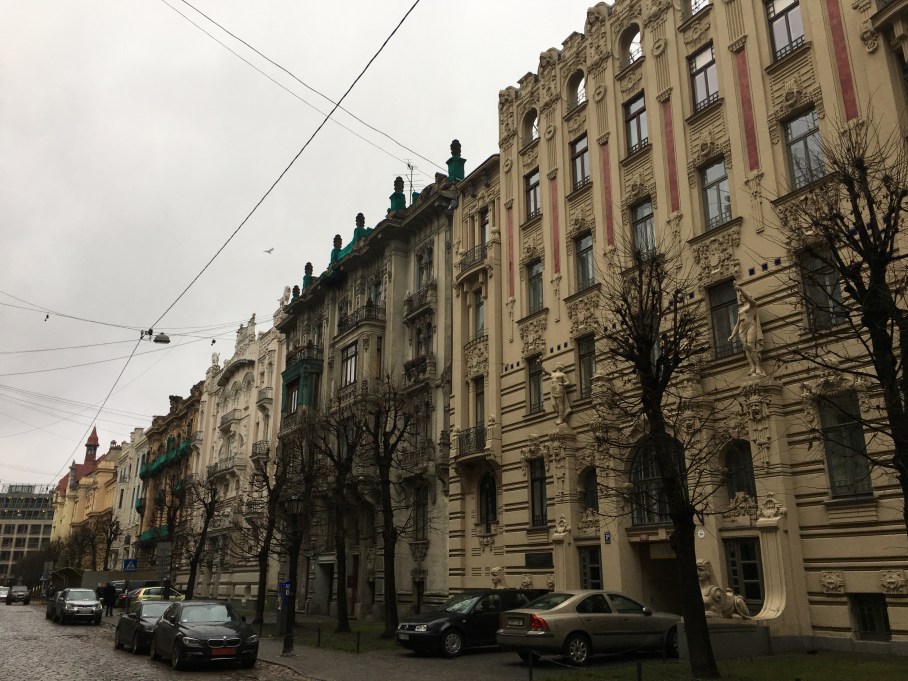
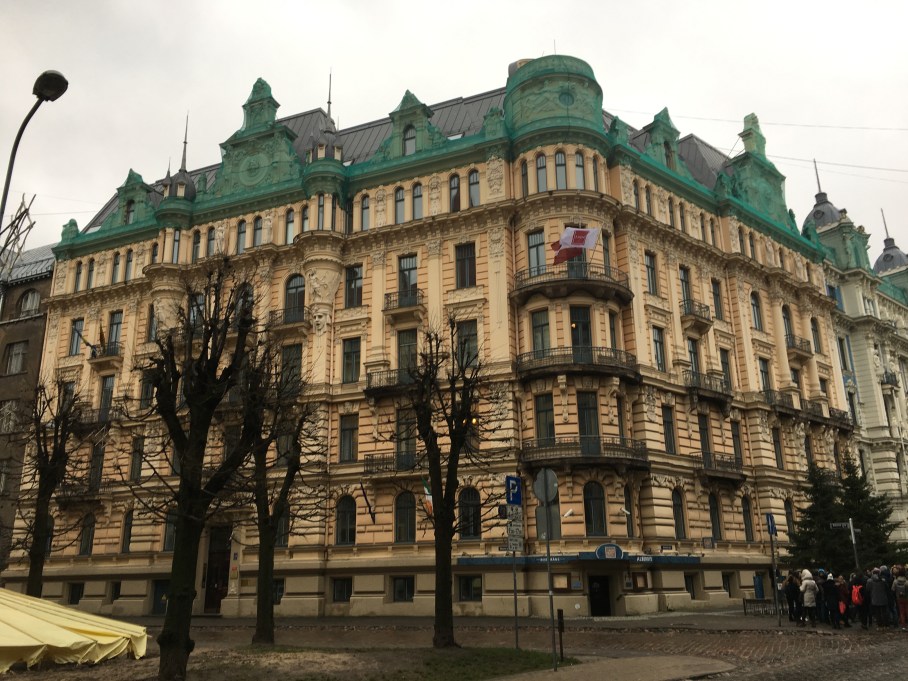
Riga underwent her most rapid period of economic and demographic growth between 1897 and 1914, which coincided with the height of Art Nouveau. With over a third of her structures built in that style, Riga has the highest concentration of Art Nouveau buildings anywhere in the world. Nowhere is it more apparent than on Alberta Iela (Albert Street), which lies one block from my hotel. I started my tour there at 10:30.

img_1722

The most illustrious apartment buildings were designed by Riga’s most prolific architect, Mikhail Eisenstein, who was of Jewish ancestry.

A plaque indicated the childhood home of Sir Isaiah Berlin, also Jewish.

img_1724

The Art Nouveau Museum stands at the end of the street.

img_1749

To reach Old Town I crossed the old moat, which once protected Riga from invaders. It now functions as a canal with pleasant parks on either side.

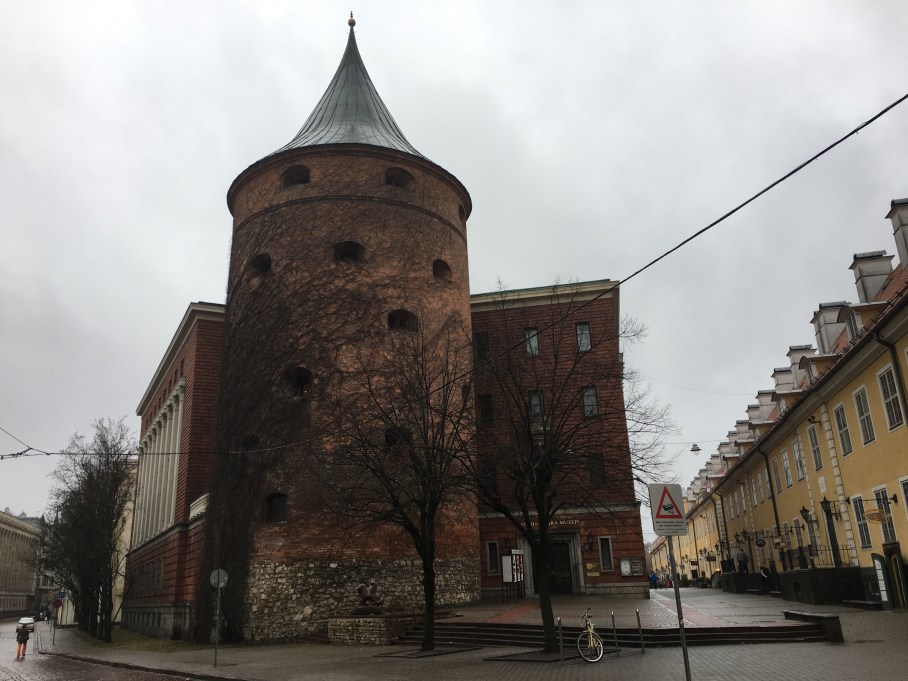
I started my tour of Old Town at the Powder Tower. It was part of the fourteenth century fortifications, but rebuilt after destruction and subsequent conquest by the Swedes in the seventeenth century. The Swedes stored gunpowder inside. It now houses the Latvian War Museum.

img_1762

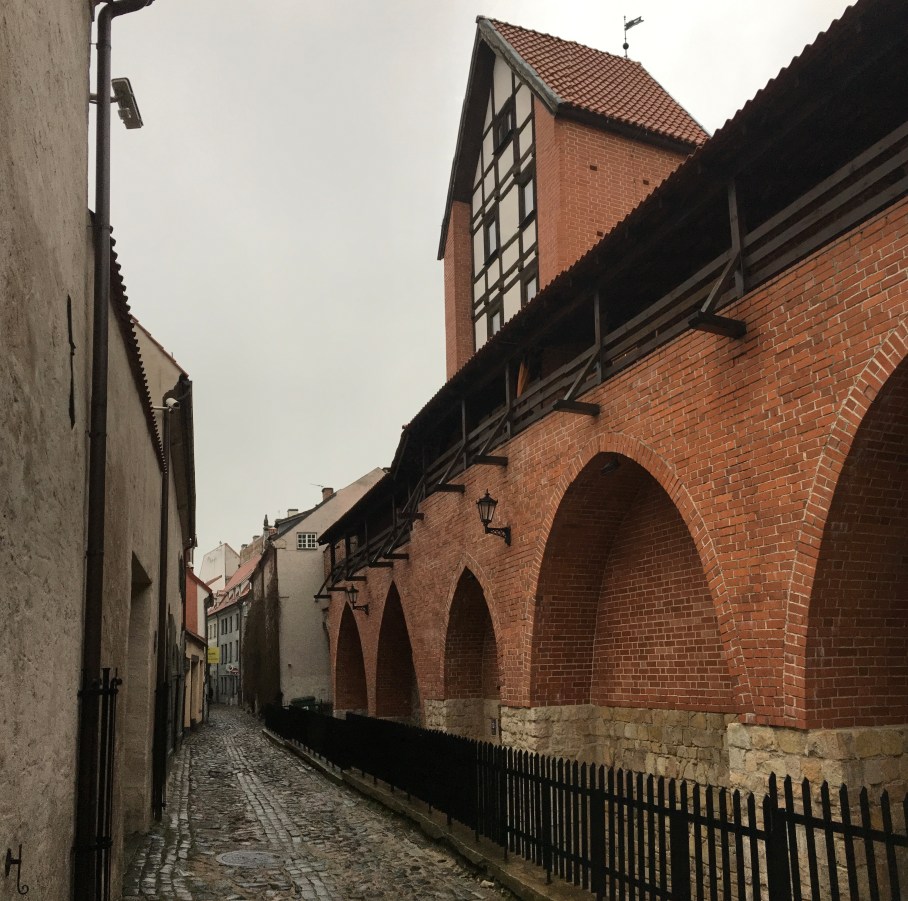
Nearby stands the only preserved portion of those original fourteenth century fortifications. The city wall was constructed by the Livonian Order, who founded Riga in the 13th century and ruled over it until their decimation in the Livonian War (1558-1583). Their capital of Riga was lost to the Polish-Lithuanian Commonwealth.

img_1774

The Swedes captured Riga and the surrounding region in 1621, thus rejoining it with their Livonian holdings in Estonia. The Swedish Gate was built into the city wall in 1698 to provide access to soldiers’ barracks.

img_1780

The James Barracks served their original purpose throughout Russian occupation, which lasted from the Great Northern War of the early-18th century until the fall of the Soviet Union.

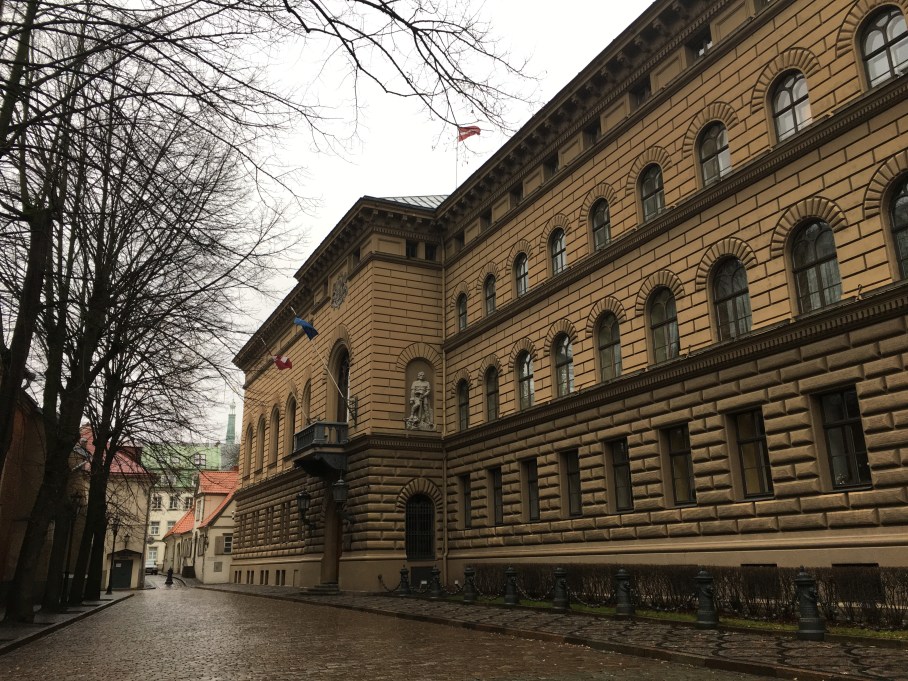
A short walk down a narrow cobblestone alleyway leads to Saint James Cathedral and the adjacent building of the Saeima (parliament of Latvia).

img_1796

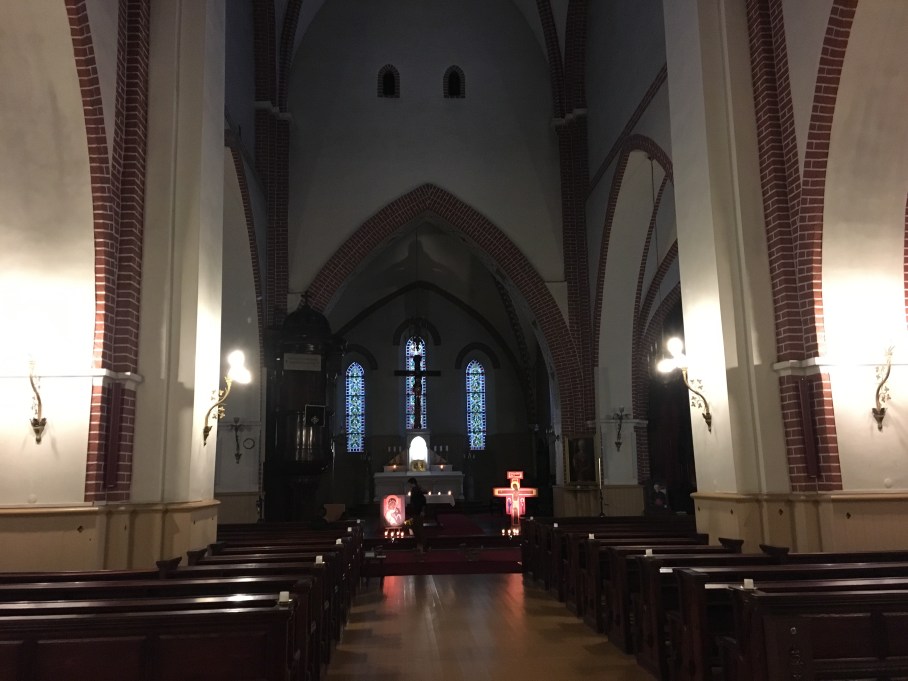
The Cathedral was constructed in 1225, soon after the city’s founding. Over the centuries it functioned under the various religious denominations of Riga’s various occupiers: Roman Catholic, Lutheran, Jesuit, Russian Orthodox.

img_1784

It now serves her original purpose as the Roman Catholic cathedral of Riga.

img_1799

The Saeima has a right-wing populist orientation at present.

img_1790

Further down stands the Three Brothers, the oldest complex of dwellings in Riga. The oldest dates to the late-fifteenth century. They are remarkable only in their longevity despite their otherwise unremarkable purpose and appearance.

img_1801

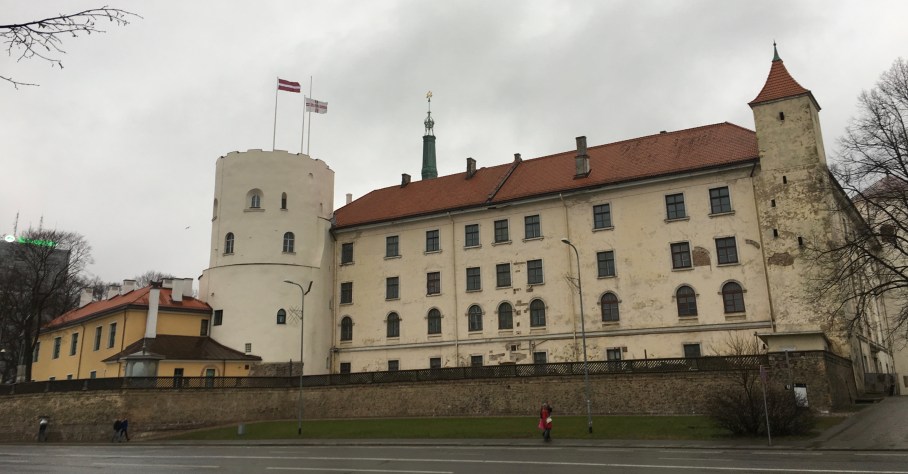
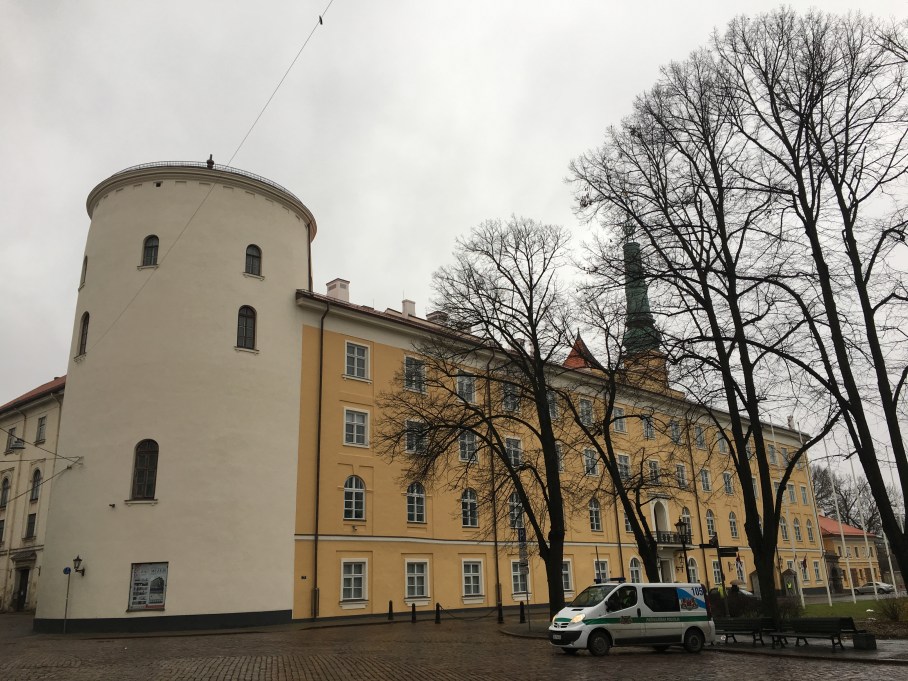
Another cobblestone alleyway leads to the Riga Castle, built in 1330. From her construction until the Livonian War she served as the residence of the Master of the Livonian Order. She served administrative purposes under subsequent rulers as well.

img_1824

Riga Castle served as the residence of Latvian Presidents during the interwar period and again since the dissolution of the Soviet Union.

img_1813

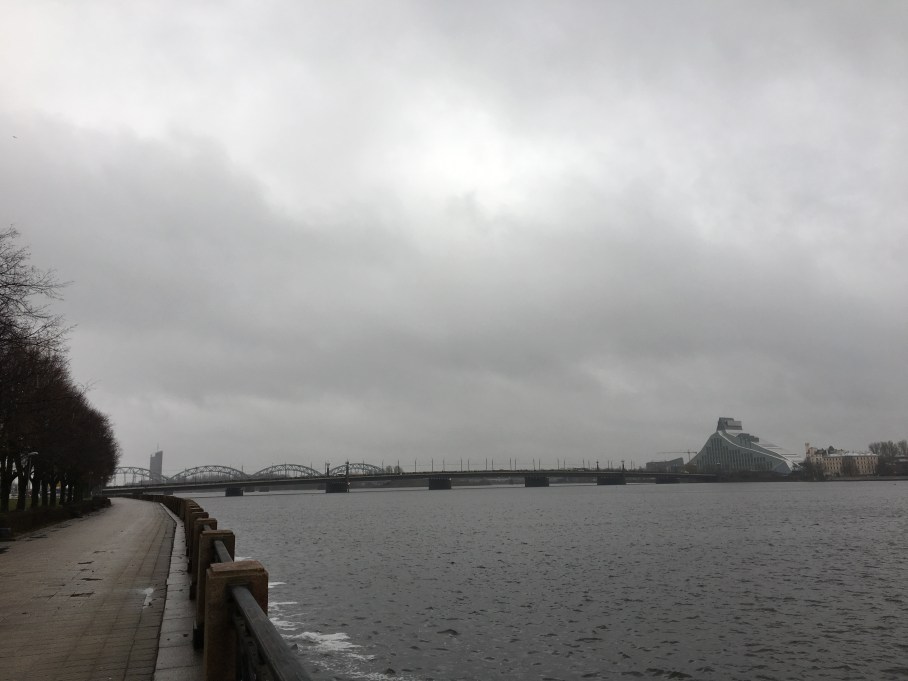
The Castle lies along the River Daugava, which enabled Riga to flourish as a center of trade.

img_1819

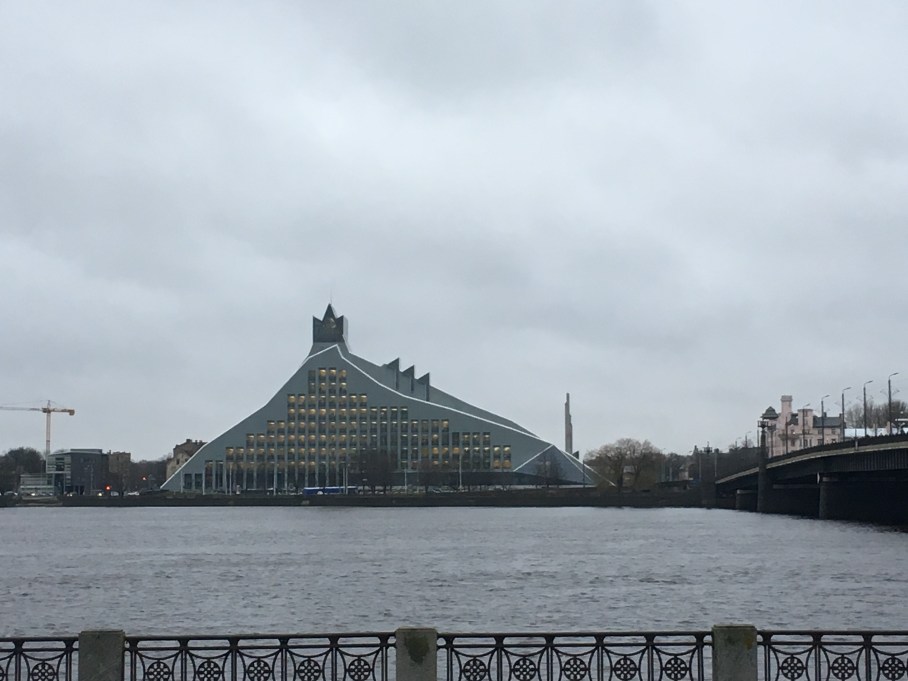
Across the river stands the impressive National Library of Latvia, constructed in 2008.

img_1987

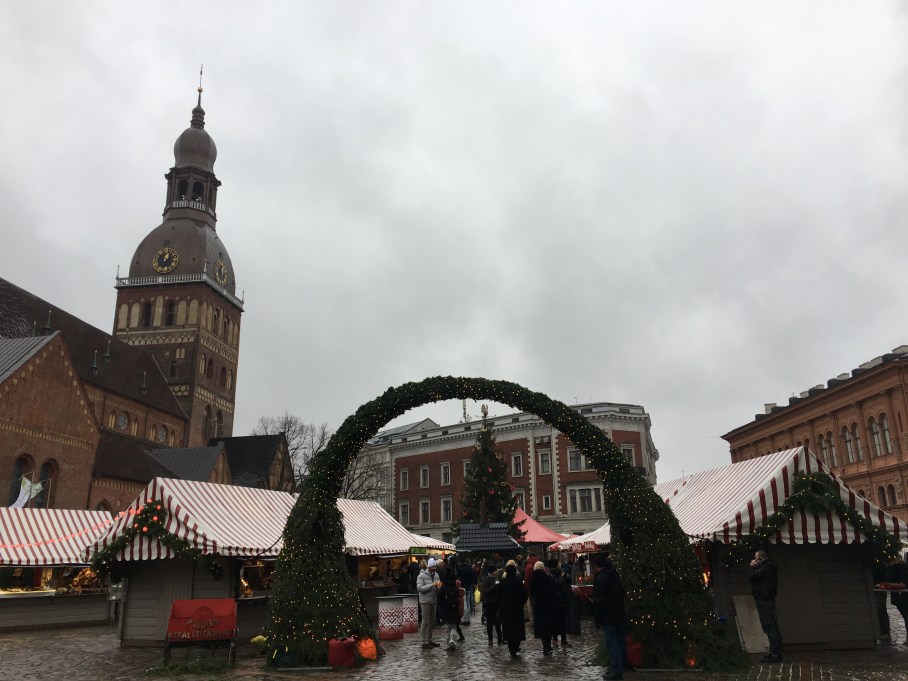
After a short walk south I found myself at a bustling Christmas market, between the Art Museum Riga Bourse and the Dome Cathedral.

img_1837

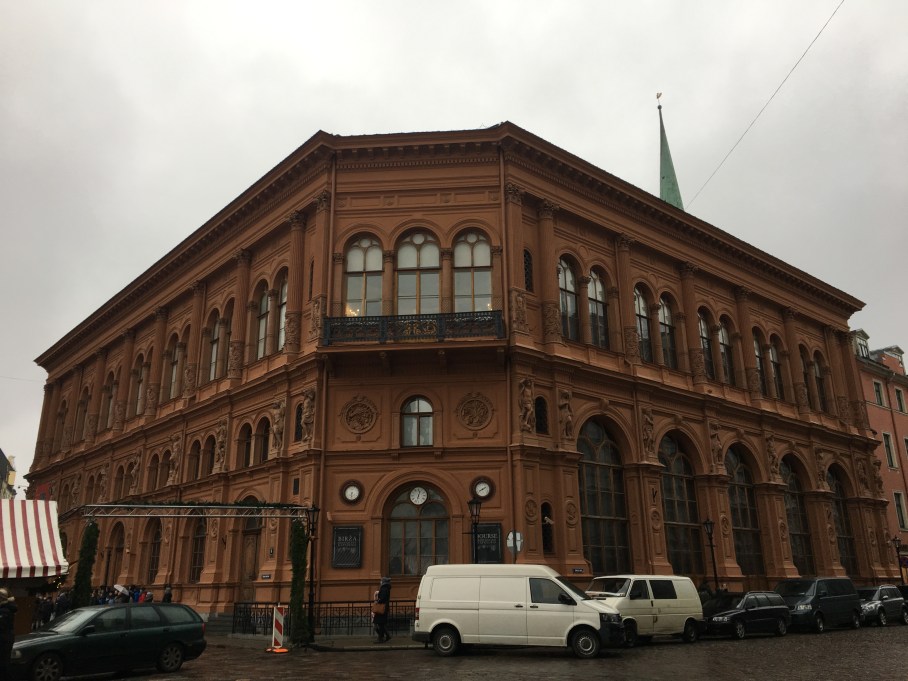
The Art Museum Riga Bourse was founded in 1920 to house the most extensive collection of foreign art in Latvia. The building was constructed in 1852 for the Riga Stock Exchange.

img_1864

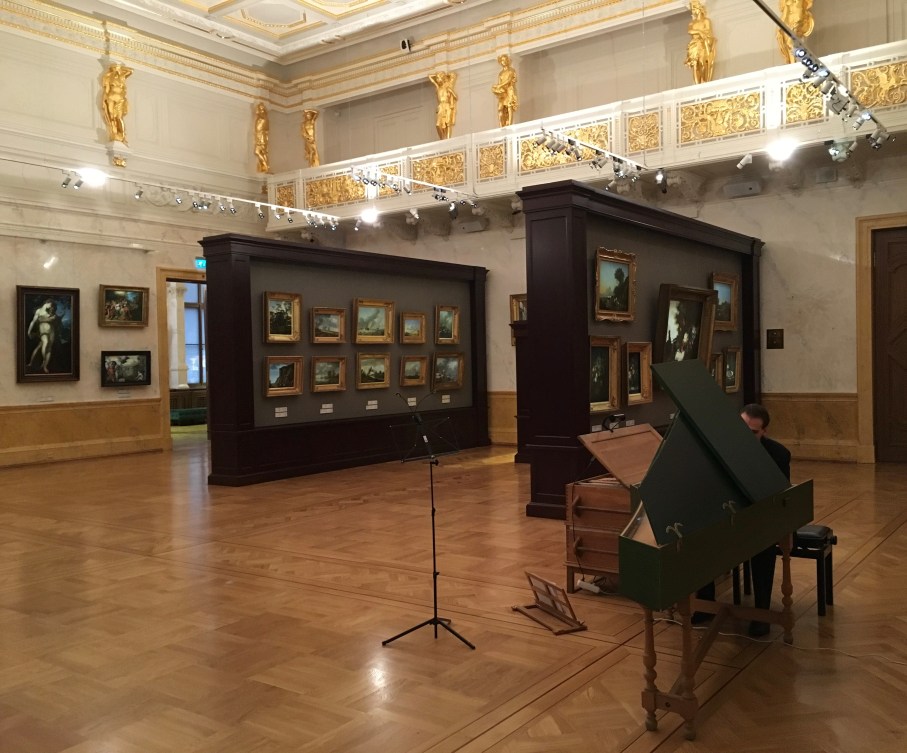
I spent time in the two permanent exhibitions. The top floor houses the Western Gallery, per usual I particularly enjoyed the Dutch art. I dipped into the Oriental Gallery before leaving.

img_1872

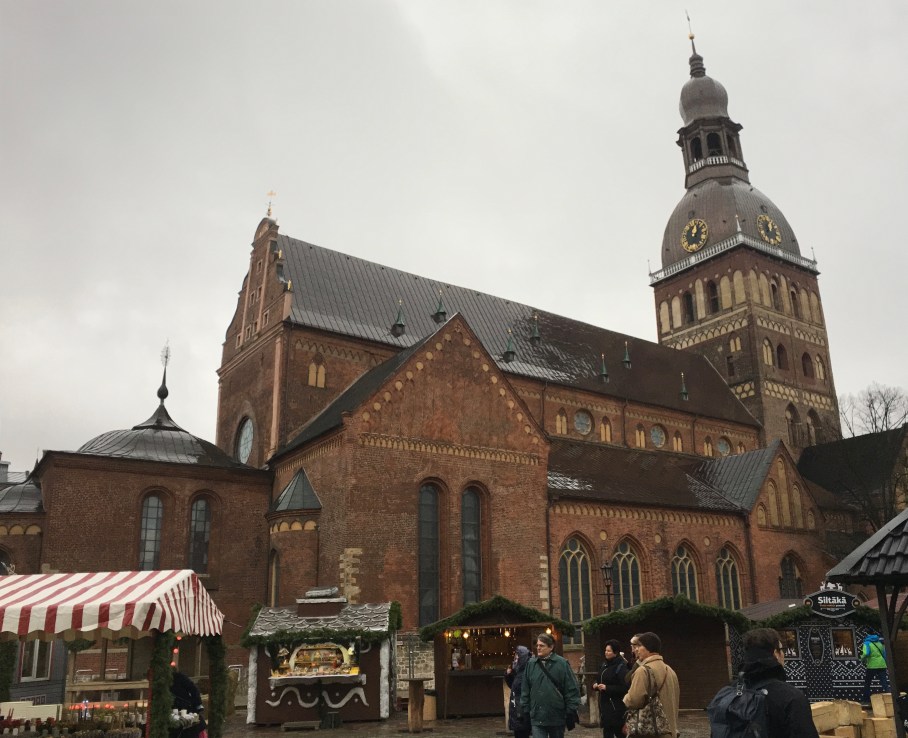
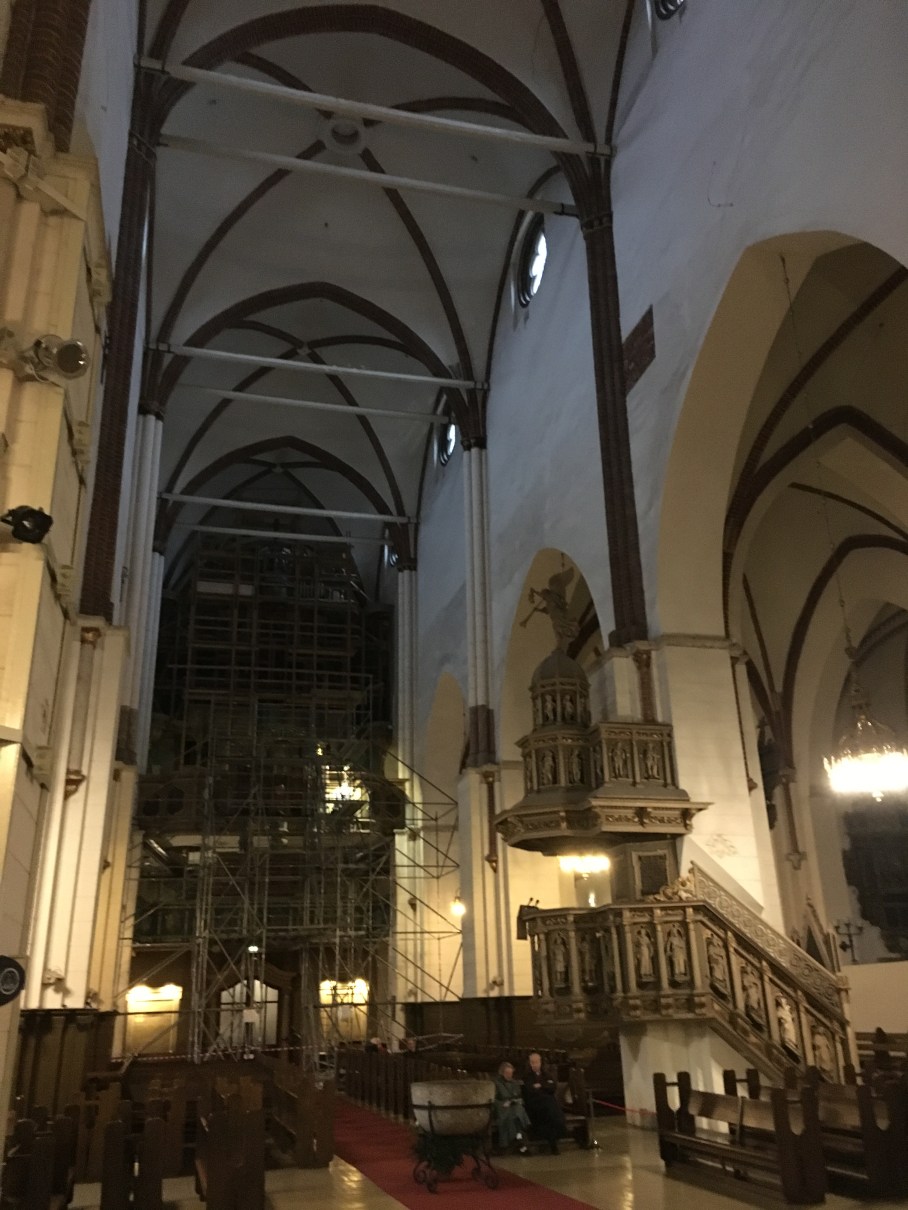
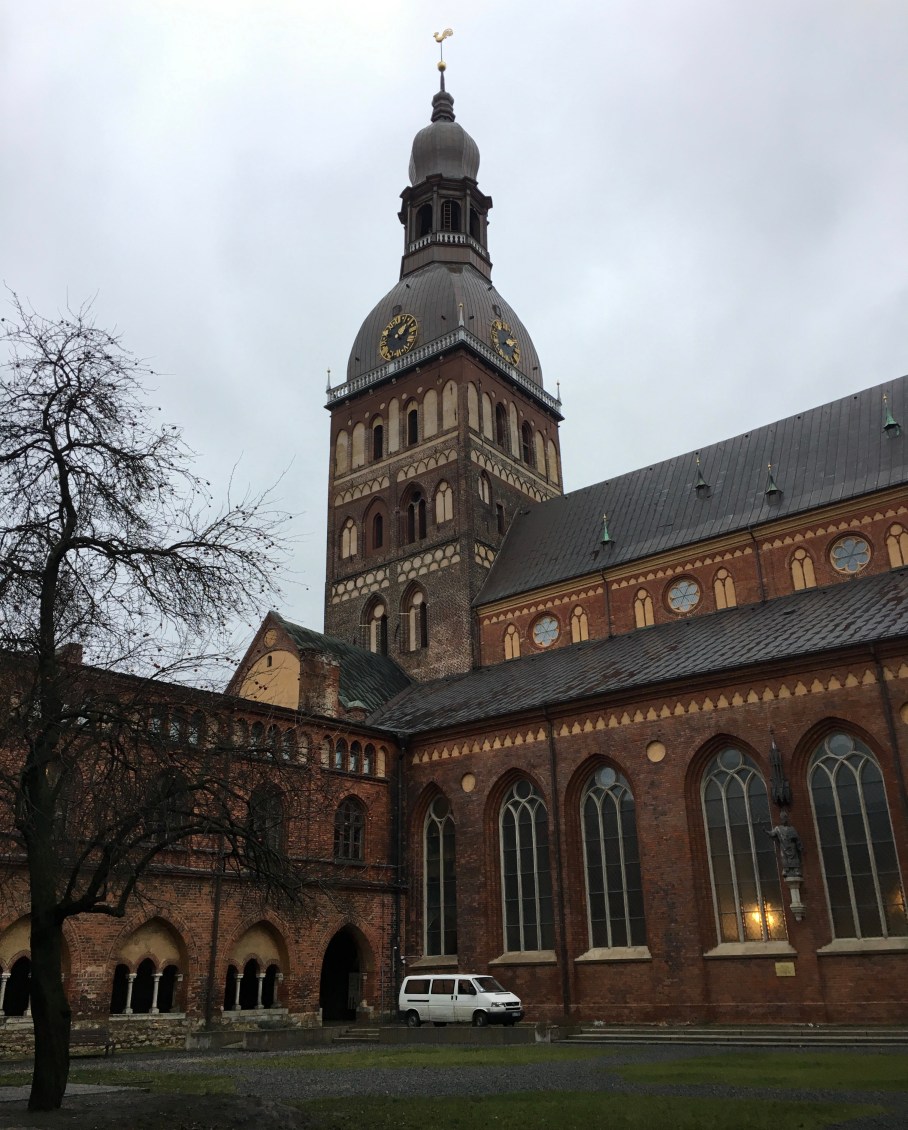
The Dome Cathedral was built in 1211 by Albert, Bishop of Riga. Born in Germany in 1165, Albert was offered the title of Bishop of Riga by his uncle, an Archbishop in Bremen, provided he could conquer and convert the pagan tribes.

img_1851

With the support of a crusader force, Albert successfully conquered the region in 1201. Albert established a military order so as to protect his holdings- the Livonian Brothers of the Sword. The Bishop of Riga would serve as both the religious and secular ruler of Riga under the suzerainty of the Livonian Order until Polish occupation.

img_1890

Polish occupation coincided with the Reformation, which took a firm hold in Riga where the German nobility still reigned. Lutheranism spread throughout the region and remains the largest religious denomination in Latvia to this day.

img_1897

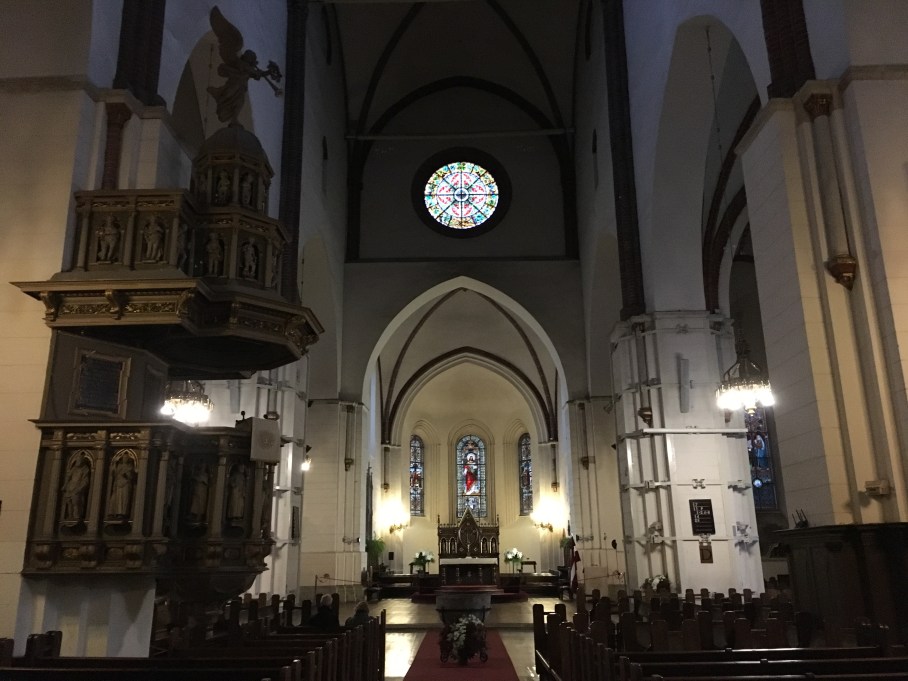
The Dome Cathedral serves as the Lutheran cathedral of Riga and remains the seat of the archbishop.

img_1910

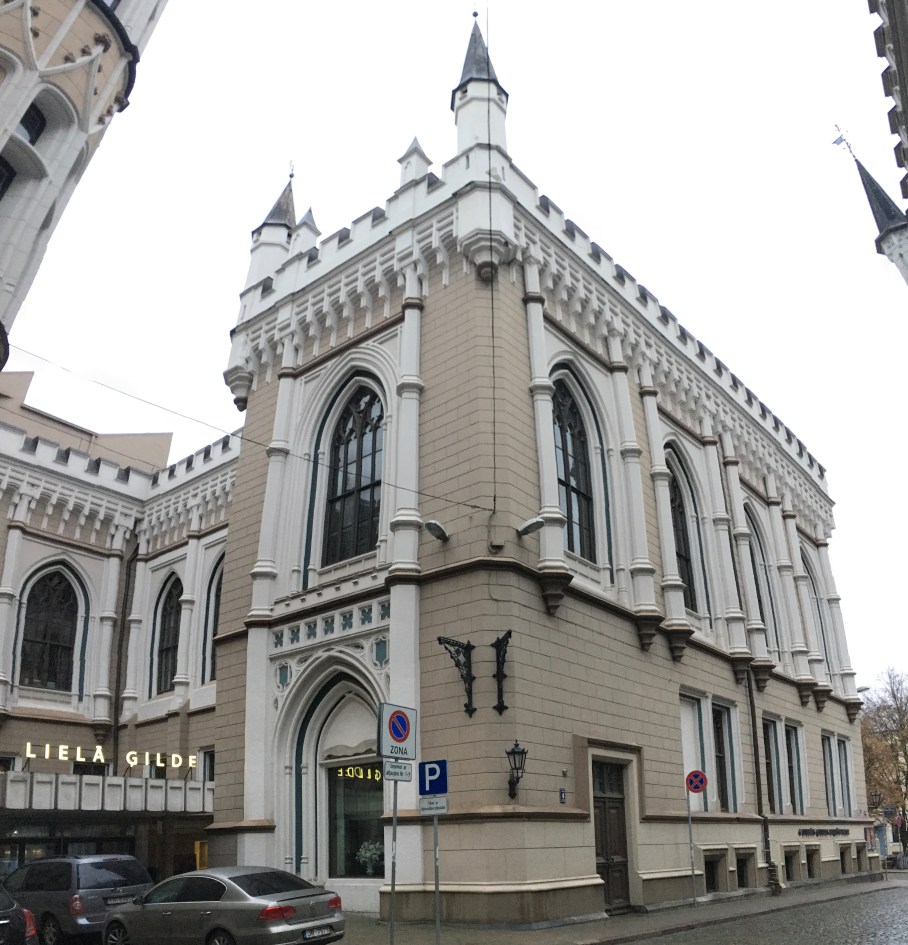
Next I visited the Great and Small Guilds, which stand on the edge of Livu Square. Like Tallinn, Riga was a base of Hanseatic tradesmen who had significant influence over town administration and social affairs. The Great Guild was built for the merchant community in 1384 and now serves as home to the Latvian Symphony Orchestra.

img_1923

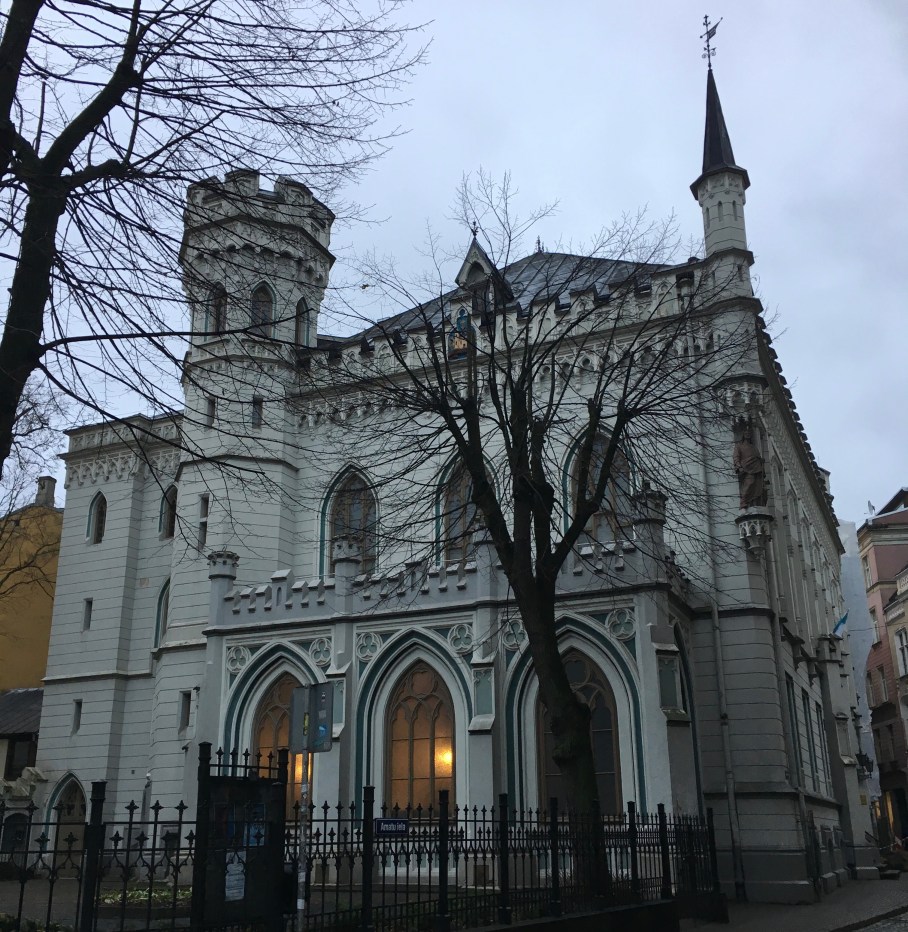
The Small Guild served the city’s craftsmen and artisans.

img_1926

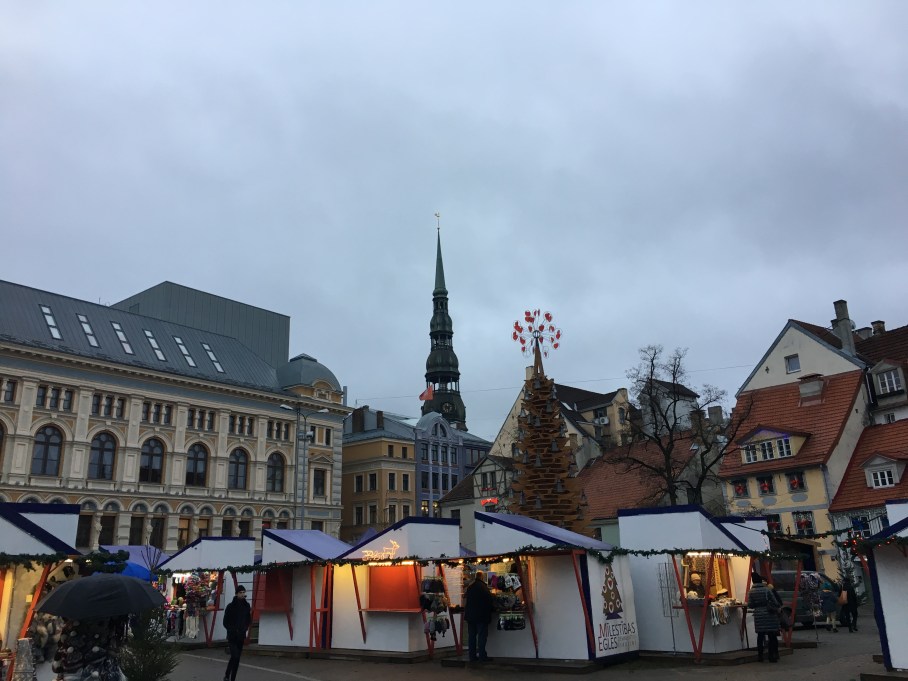
Found another Christmas market in Livu Square. Have already seen Christmas markets in Tallinn and Vilnius as well. Christmas obviously comes early in the Baltics.

img_1936

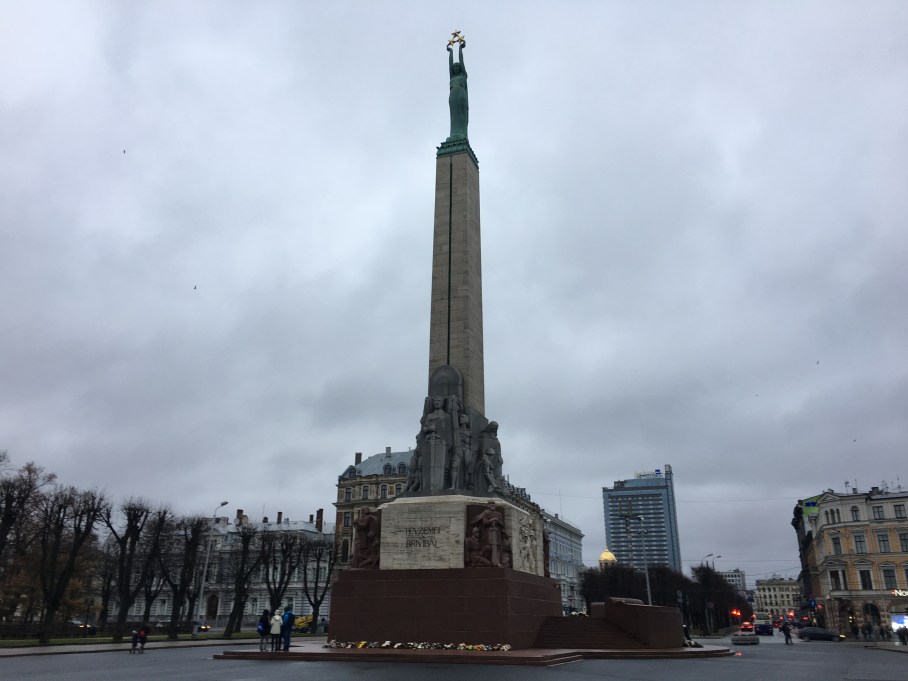
Made a short walk towards the canal to see the Freedom Monument. Identical in purpose to the Victory Column in Tallinn, it honors the soldiers killed while fighting for their independence from the newly established Soviet regime in Russia (1918-1920).

img_1945

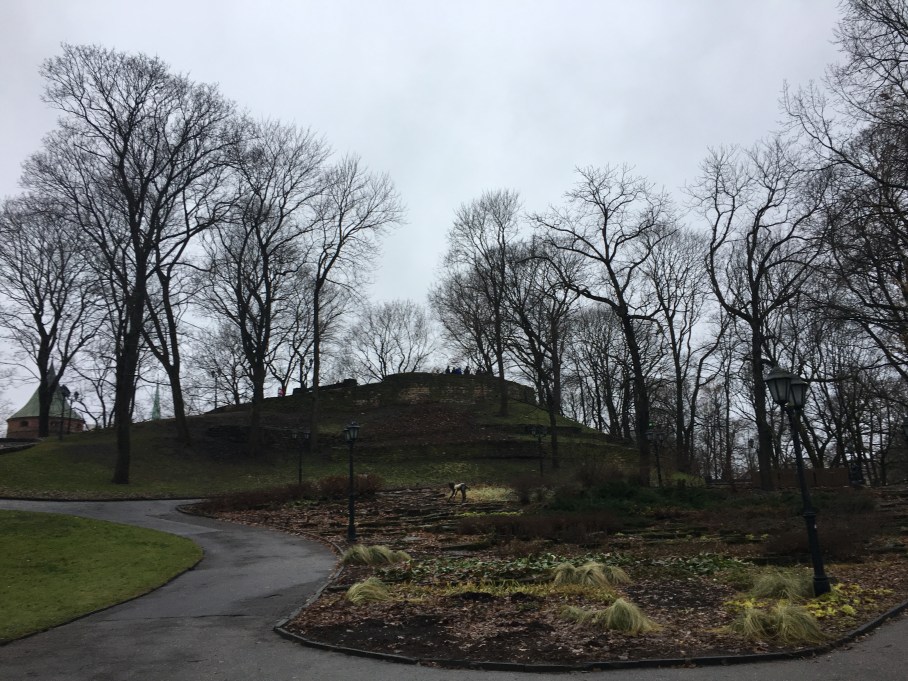
Adjacent the monument and along the canal lies Bastion Hill, created in the mid-19th century to replace dilapidated fortifications. Within her romantic confines lies a memorial to the five Latvians killed by Soviets soon before their reclamation of independence in 1991.

img_1950

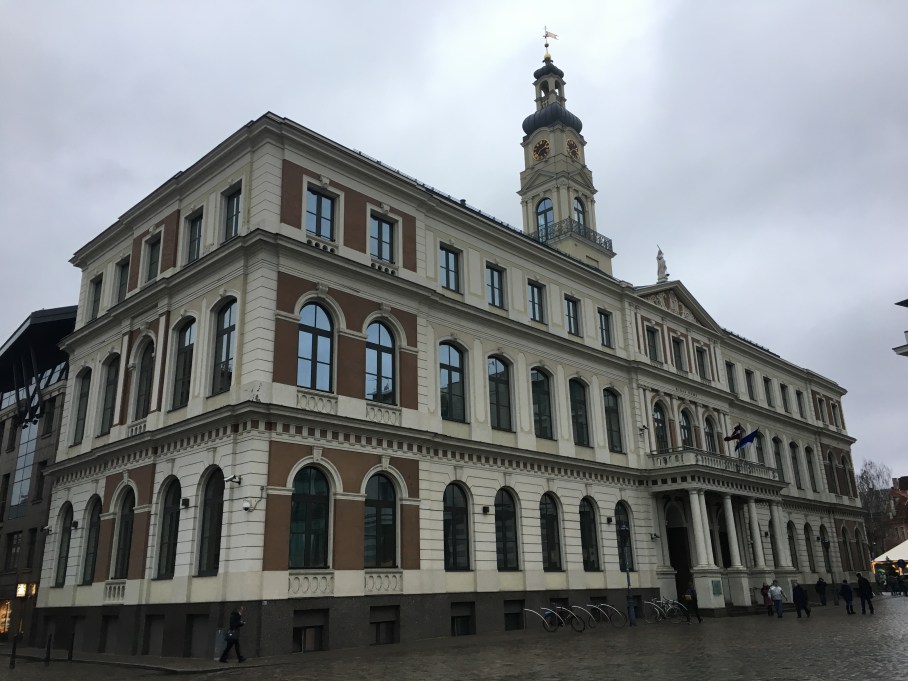
Walked to the southern portion of Old Town to find Town Hall Square. At one end stands the Town Hall, the seat of city administration since 1334. The building was destroyed by Nazis and rebuilt only in 2003.

img_1959

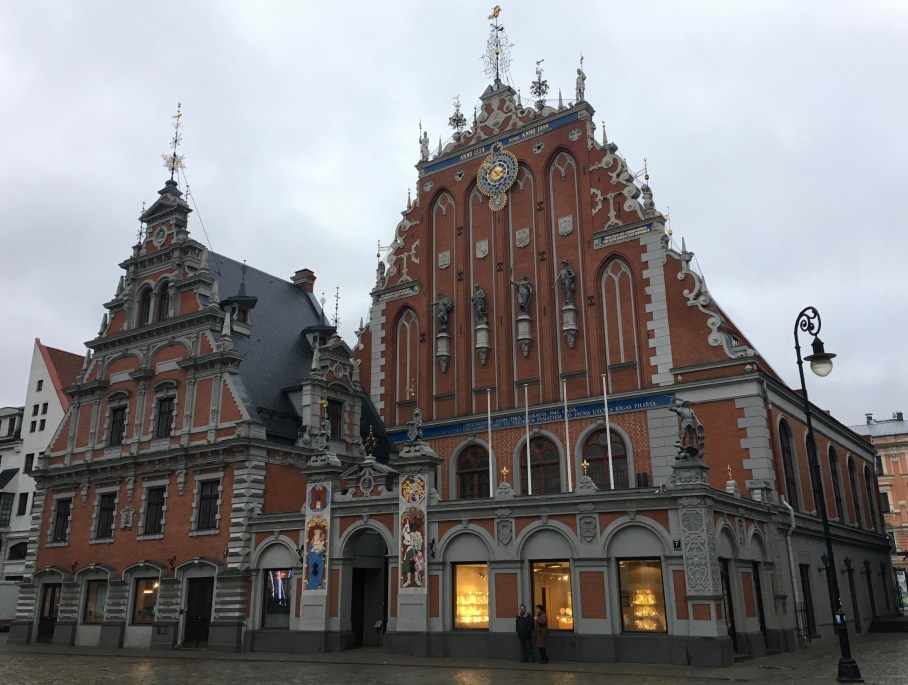
Opposite stands Riga’s most magnificent landmark, the House of the Blackheads. It was built in 1344 for the Brotherhood of the Blackheads, a Hanseatic guild for unmarried merchants. Embellishments over the following centuries, when it served as Riga’s most prominent venue, resulted in an elaborate Gothic facade. It was bombed to ruins by the Nazis, reconstruction finished in 1999.

img_1973

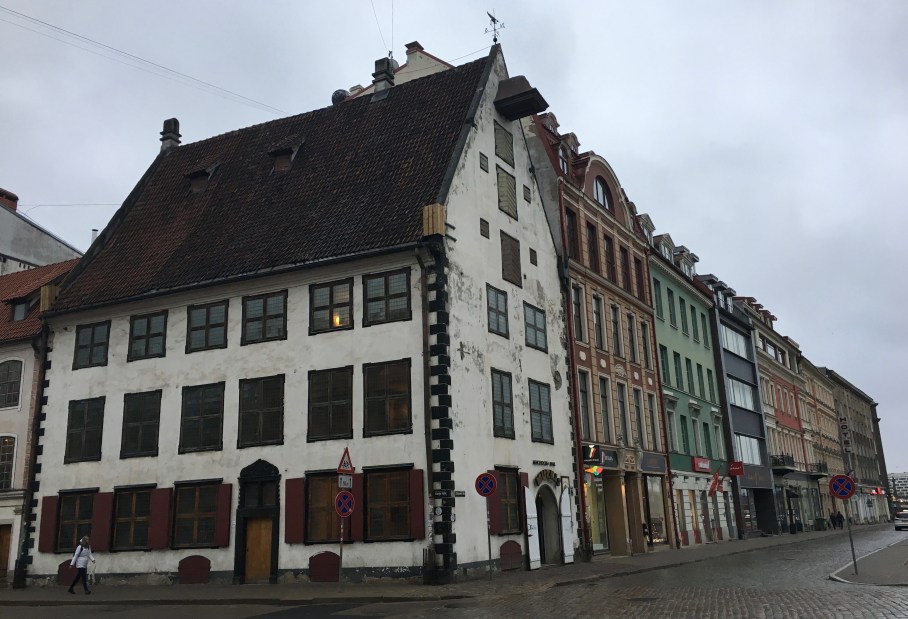
I dipped briefly into the Metzendorff House to see how German nobility lived in the 17th century.

img_1996

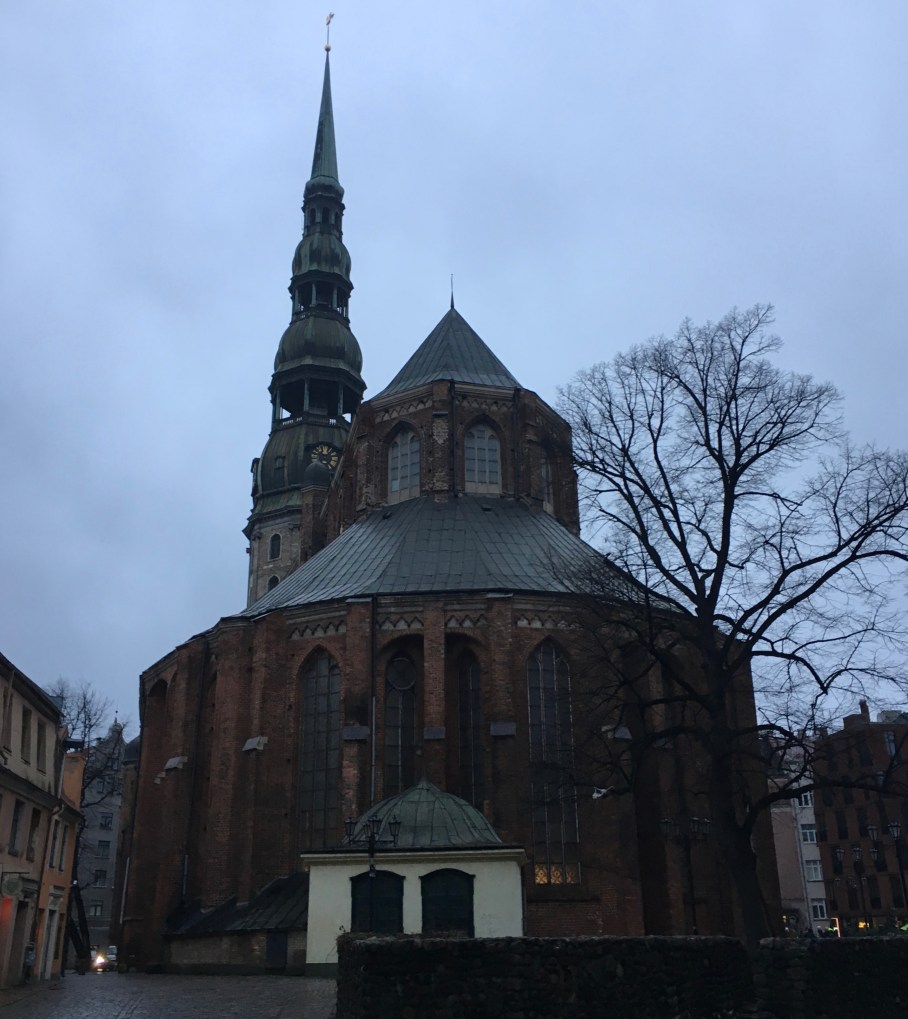
Riga’s tallest spire rests just around the corner atop Saint Peters Church.

img_2003

Much of the original foundation from 1209 still stands inside.

img_2039

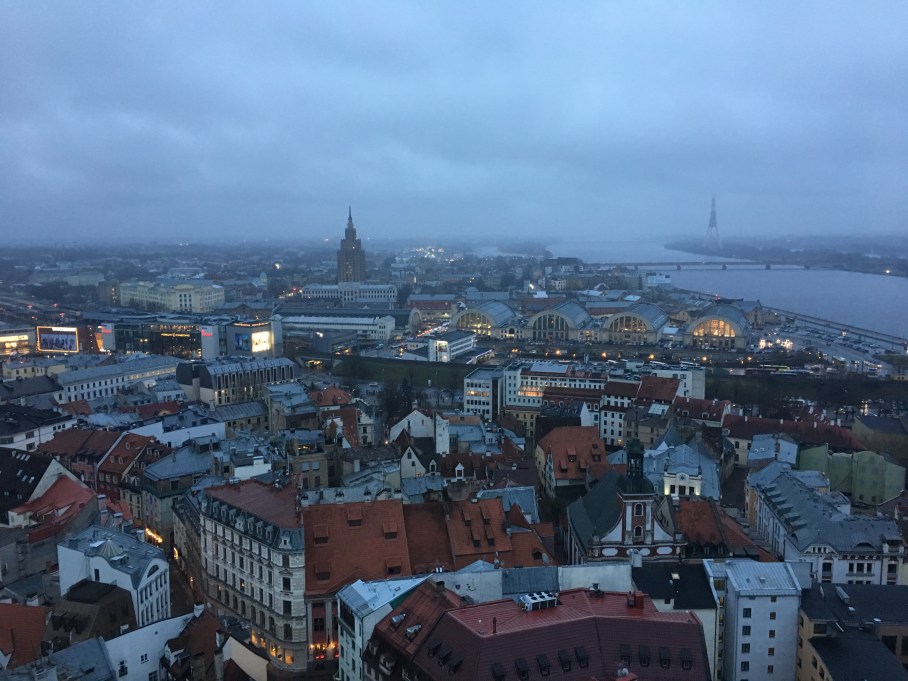
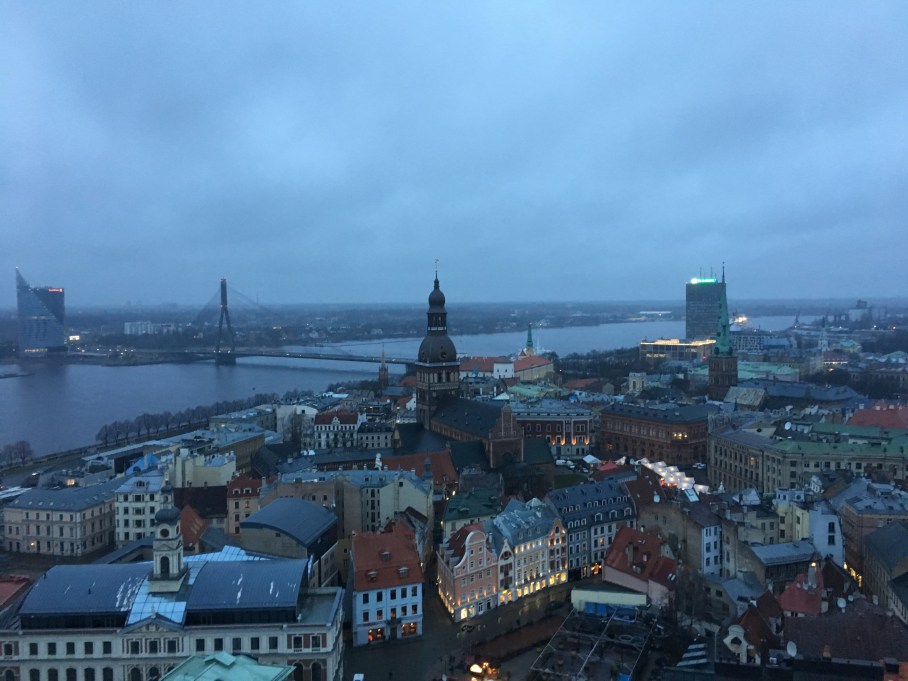
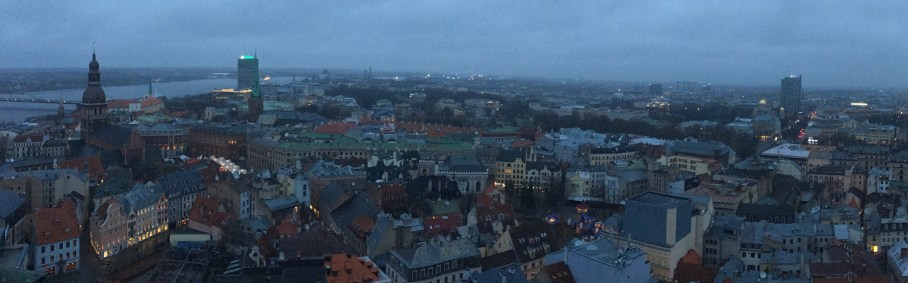
Her tower provided some incredible views of the city and surroundings.

img_2007

Rebuilt multiple times after multiple disasters, the tower assumed her present shape in 1967.

img_2020img_2012

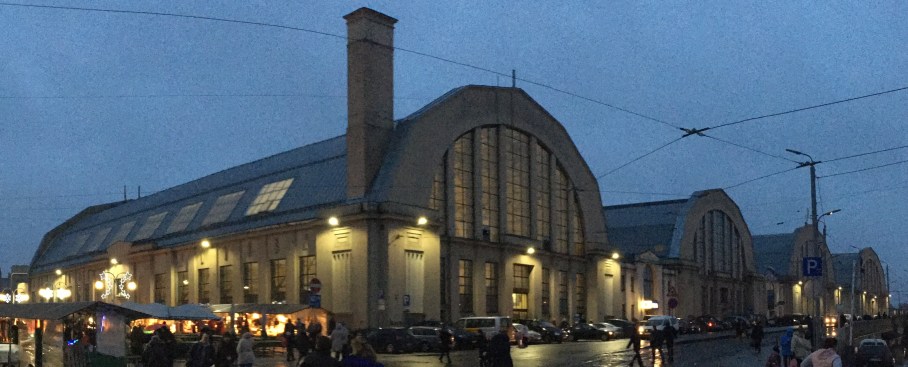
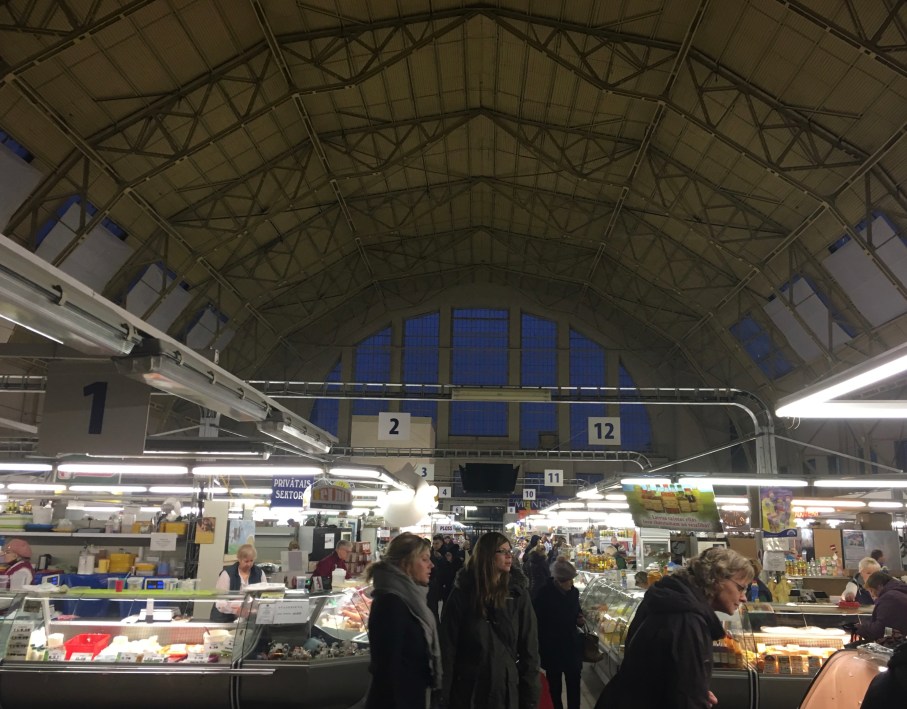
Traveled south of Old Town to the Central Market as the sun went down. At the time of construction, during the interbellum, it was the largest market in the world. Vendors surrounded the five constituent buildings, which are repurposed Zeppelin hangars.

img_2045

The interior was unimpressive except for the crowd.

img_2046

Picked up dinner on the way back to my hotel.

25 November 2016

Jumped rope before class. Worked on my paper until the bus left.

The drive took four hours. The bus was packed. Talked to my extended family, they’re together for Thanksgiving.

Arrived in Riga at 10:30. Taxied to the hotel where I built my itinerary.

24 November 2016

Started on my paper for National Minorities, writing about Litvaks in America.

Finally caught up with Kristiaan over a delicious dinner at Soya (Asian fusion). It’s been hard finding time to socialize between traveling, blogging and classes.

img_1708