04 October 2016

Was invited to the Lithuanian State Historical Archives by Regina. Located on the west end of the city, the Archives is the central repository for records dating from the 13th century until the interbellum. This includes most records relevant to my genealogical research.

Ate a quick lunch at the nearby bus stop where two transport officers were stationed. They boarded each bus to check for tickets, and each time at least a couple young people were escorted off to pay a fine. I haven’t paid for a ticket yet.

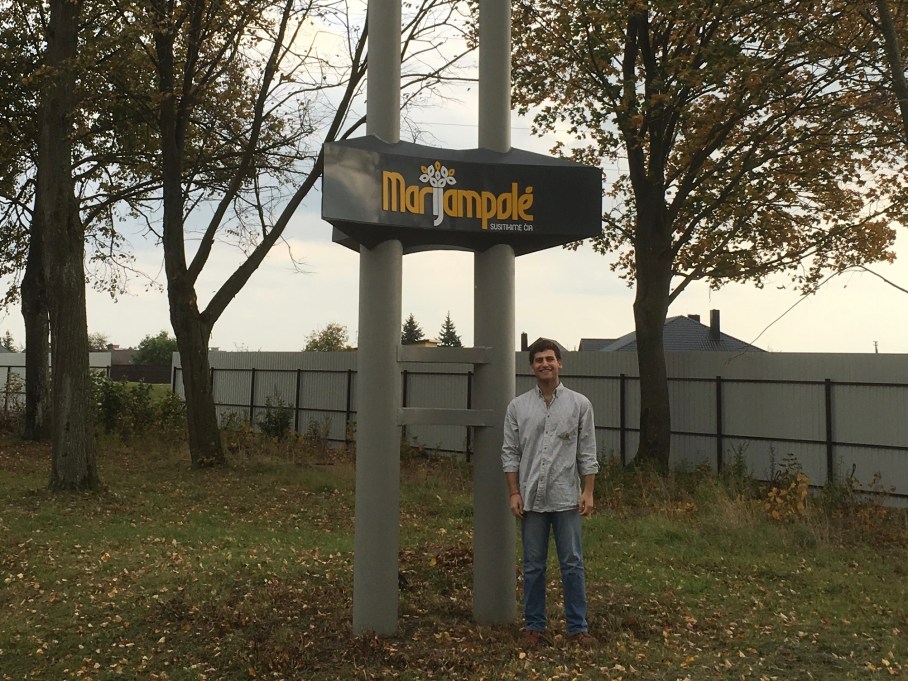
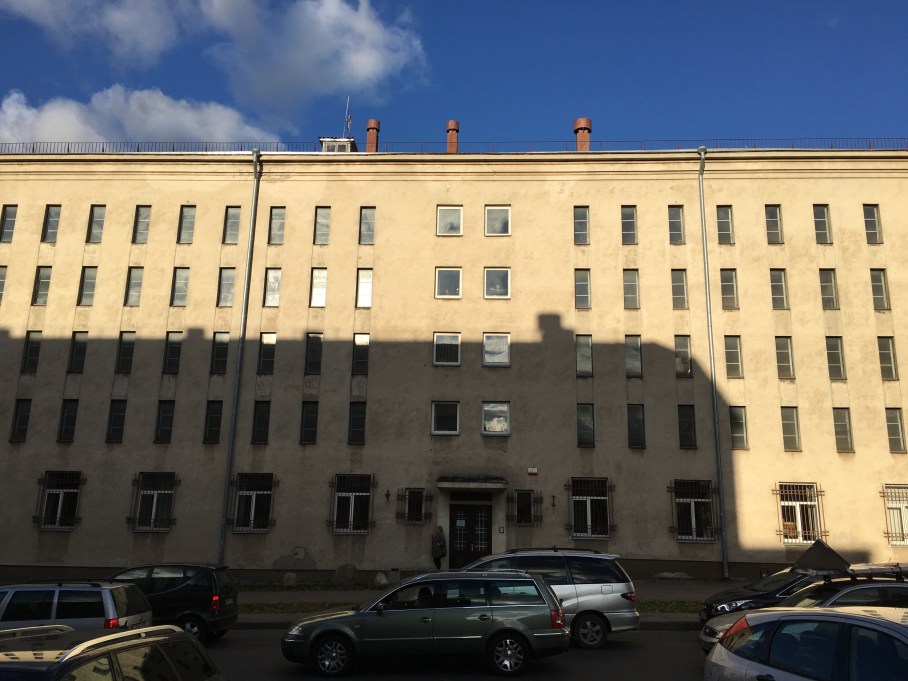
The Archives are located in an unattractive soviet-era building, not unlike my dormitory. I was directed to the reading room where Regina had already ordered an armful of volumes relevant to my research in the two towns that we visited on Sunday: Kudirkos Naumiestis and Marijampole.

img_7942

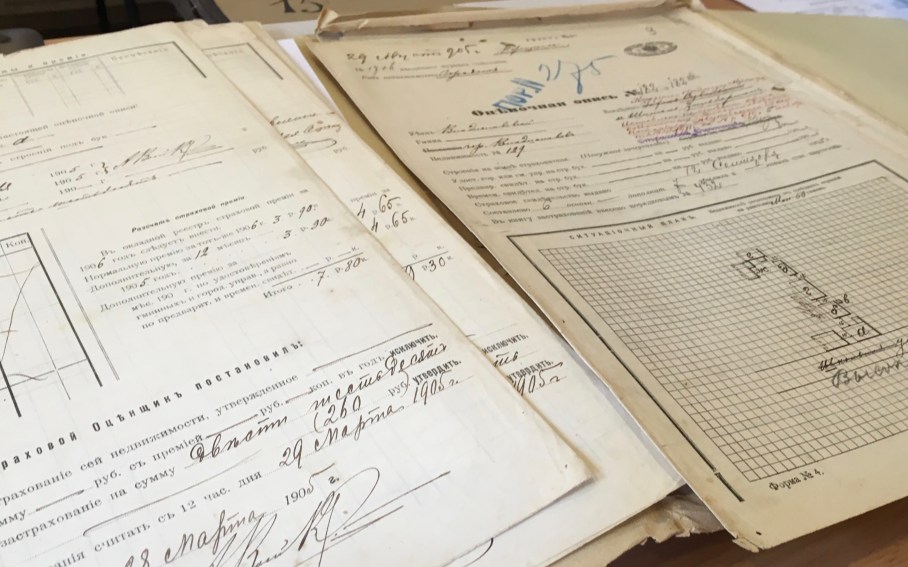
We started by examining insurance records of Kudirkos Naumiestis from the early 20th century. Russians occupied Lithuania at the time, so all records were in cyrillic. I took Russian for almost an entire semester last year before dropping out. Fortunately, the only thing I retained from the course is how to read cyrillic.

img_7917

Alas, time has taken quite a toll on the records and I never really mastered my script… Regina patiently instructed me as I tried desperately to read names. There is so much I want to learn from her.

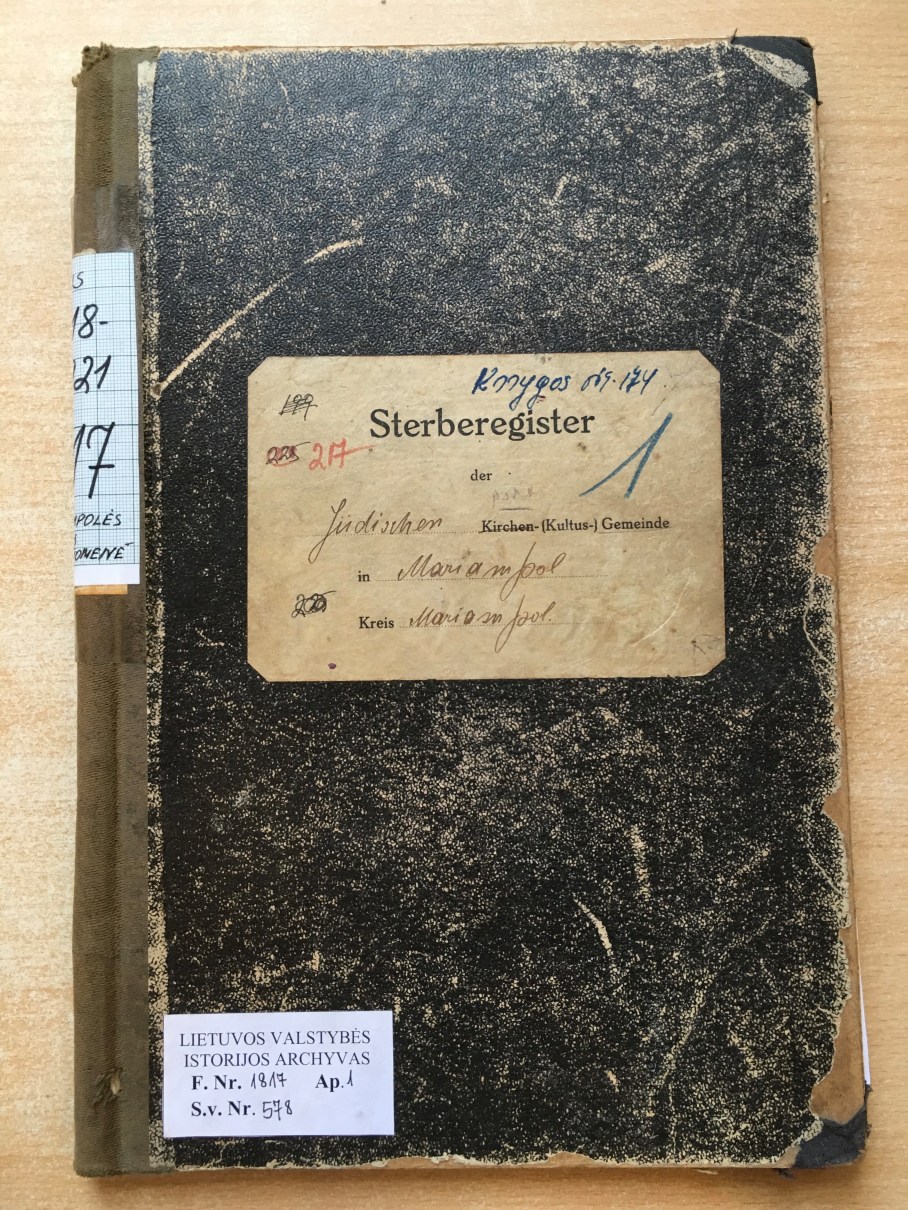
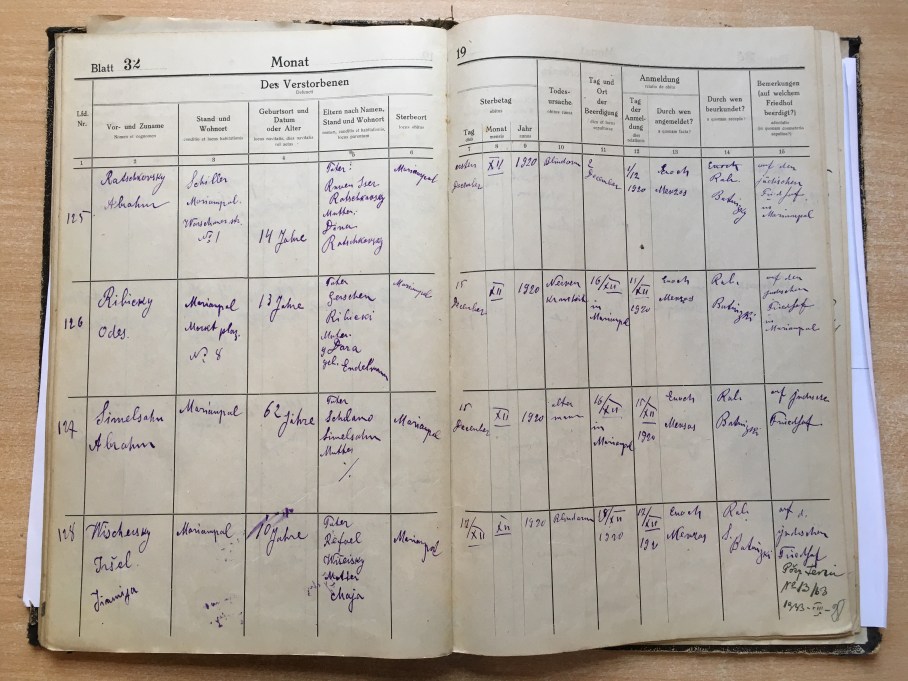
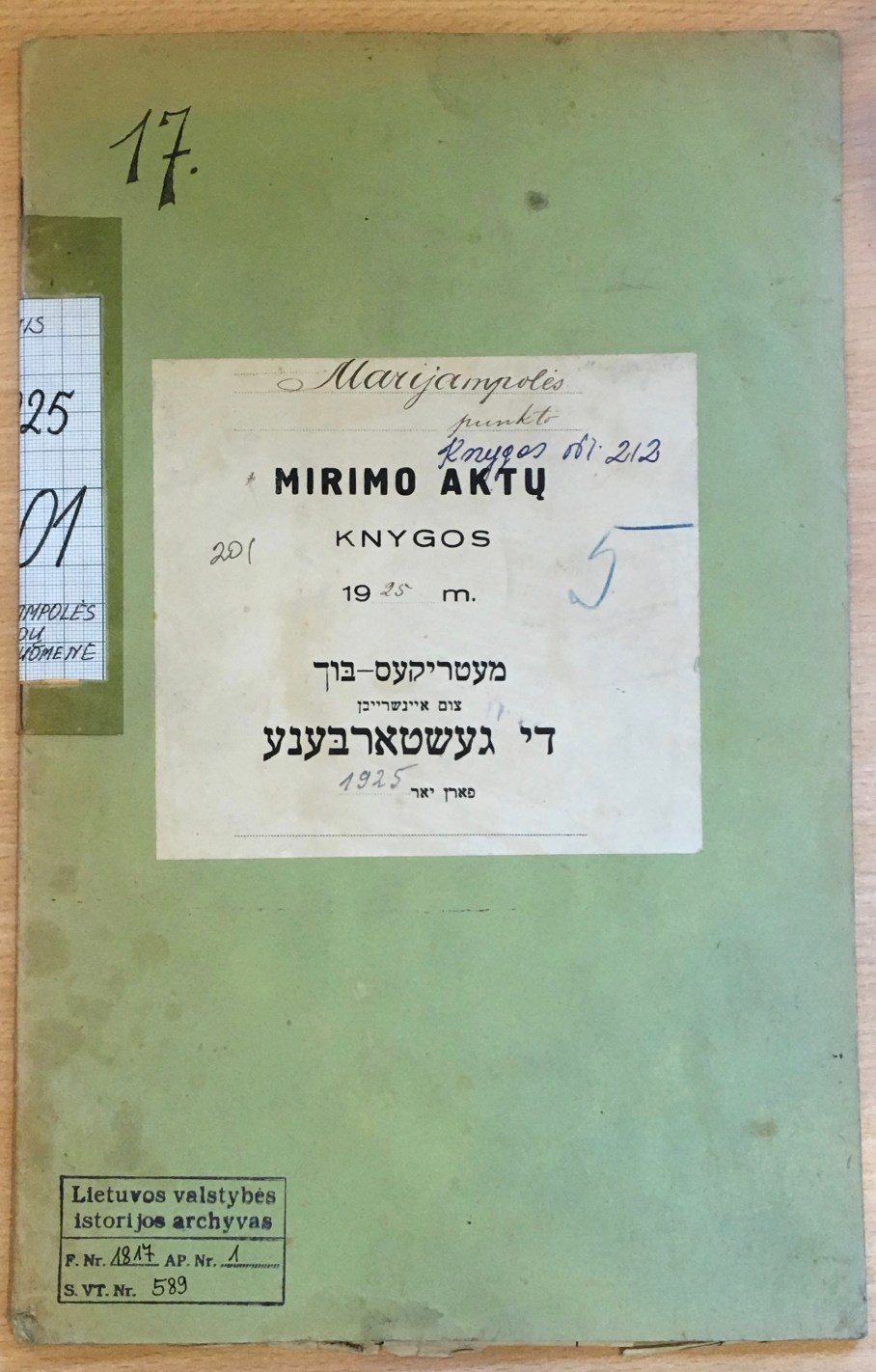
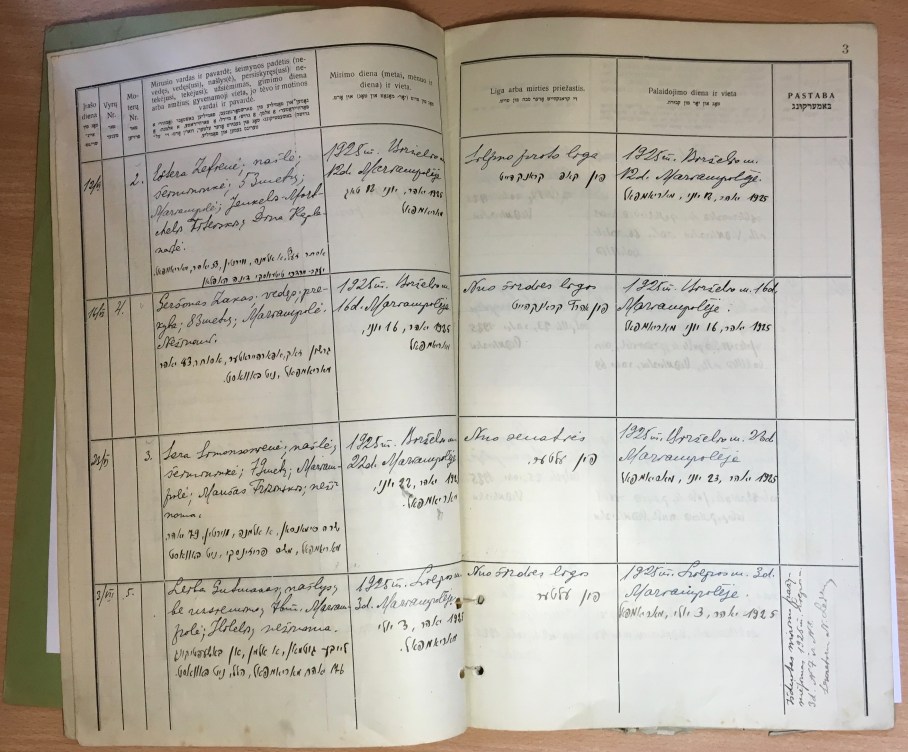
No Schneiderowitz’ in the records unfortunately, so we moved on to Marijampole death records from the early interwar period. Germany occupied Lithuania during the war, and then provided assistance in their struggle against Russian incursions, so the first few volumes are in German. Within a few minutes I had found a record that I’ve been struggling to find for years: the death record of my great-great-great-grandfather, Abraham Simelsohn. He died in Marijampole on 15 December 1920, only two months after Lithuania gained her independence from Russia.

img_7939img_7937

Soon after I found the 1925 death record of Abraham’s wife: Sarah nee Frezynski. The record was in Lithuanian.

img_7922img_7925

Having struggled through three languages and two occupiers, a real journey through time, I ordered more records and made plans to return to the Archives with Regina on Thursday.

Took the bus home- no ticket.

03 October 2016

Long run this morning, best time yet: <8:00/mile.

Had both Morality courses. Really need to get back to doing the readings…

Mexican for lunch and dinner.

02 October 2016

Drove my rental to the other side of the river where I picked up my tour guide for the day: Regina Kopilevich. I met Regina at the various functions hosted by Dovid Katz at the Jewish Cultural and Information Center. Little did I know that she was the preeminent Jewish heritage tour guide in the country. Regina entered my car with arms full of books, maps, records. Needless to say, this is precisely the experience I was looking for.

Our destinations for the day were two towns in the far west of the country (Suwalki Region), so we had quite a drive. All the while, Regina entertained me by searching her records for traces of my family, reading memoirs of shtetl inhabitants, and providing historical insight into the towns.

Our drive took us through the interwar capital of Kaunas, which rivaled Vilnius at times as the epicenter of Litvak life. While the outskirts were largely rebuilt after the war, the old town was beyond beautiful. I definitely want to visit again when I have more time, maybe next weekend.

Our first shtetl stop was Kudirkos Naumiestis, which until the interwar period was called Wladyslawow. The town received Magdeburg Rights (town privileges) in 1643, which Regina explained was very early on. It was named for Wladyslaw Vasa, King of Poland and Grand Duke of Lithuania. The town was known colloquially as New-Shirvint or New-Sakai.

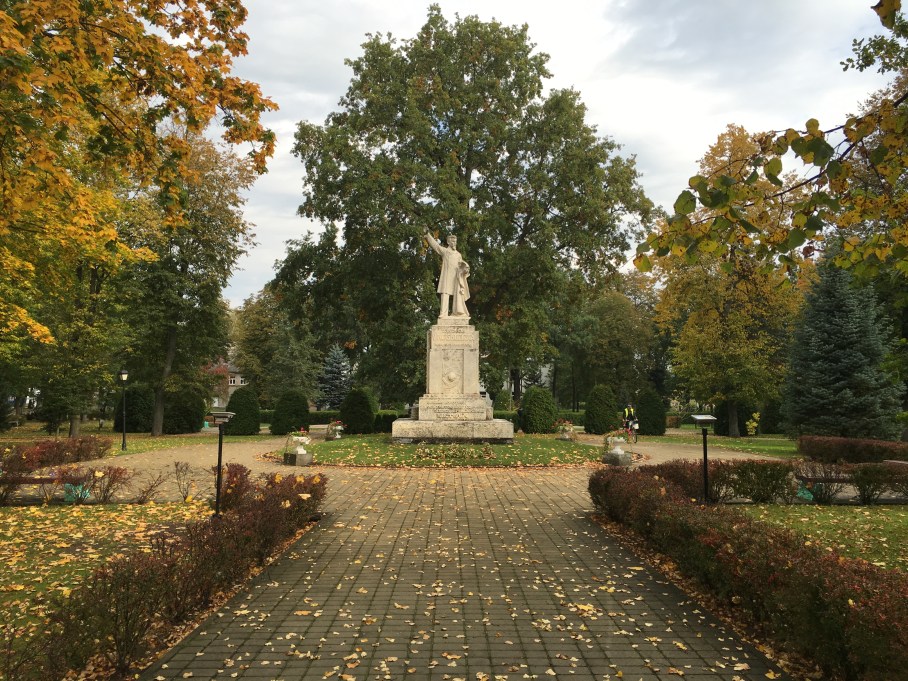
After stopping for a quick lunch we made our way to the central square, inhabited by a statue of Vincas Kudirka, Lithuanian patriot and town namesake. Kudirka resided in the town for a brief period and is buried there. I remarked that it was probably my petulant ancestors, with whom he contemporaneously resided in Wladyslawow, who made him the staunch Jew-hater he was.
img_7683

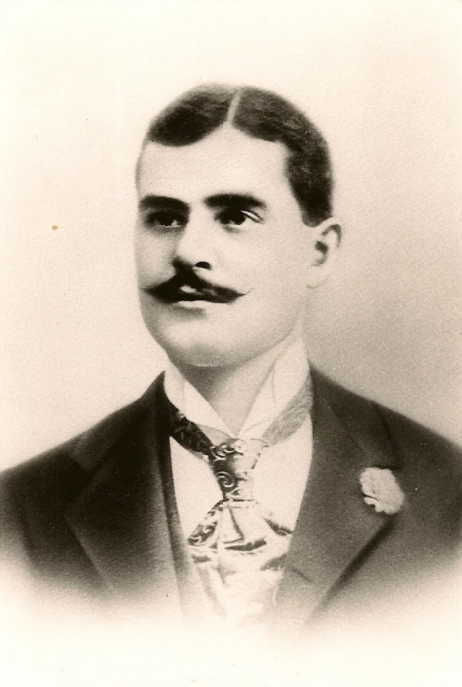
The maternal grandfather of my maternal grandfather (who genetic lore would dictate I receive my hair from) was born Chaim Schneiderowitz in Kudirkos Naumiestis in 1874. He immigrated to Rochester, New York twenty years later and assumed the name Hyman Snider. Along with his father and two brothers, Hyman was a butcher. I have traced his paternal line to one Mordechai (Mortchel) Schneiderowitz, born circa 1750.
aa320495-3452-45ea-a1b1-326f0f062e6b

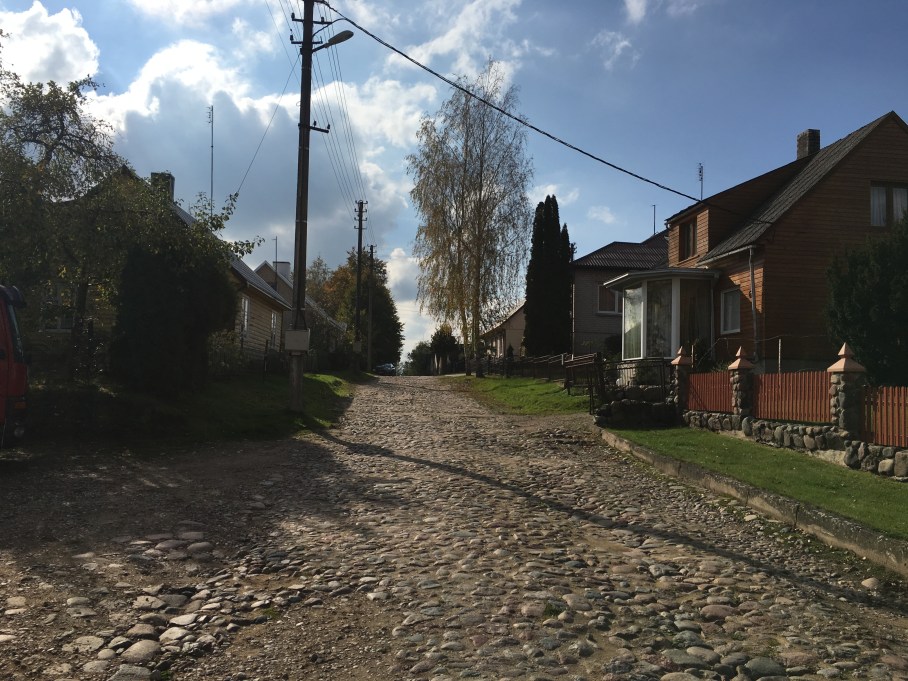
From city center we traveled to the cobblestone road where the synagogue complex once stood. I literally followed in the footsteps of my ancestors.
img_7737img_7734

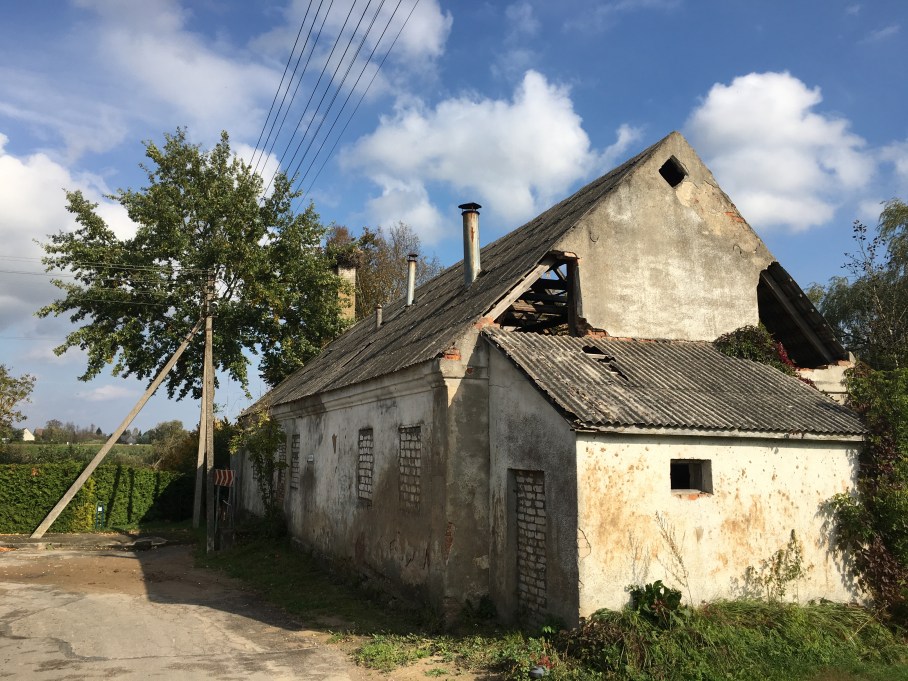
The only part of the complex still standing was the bathhouse.
img_7720

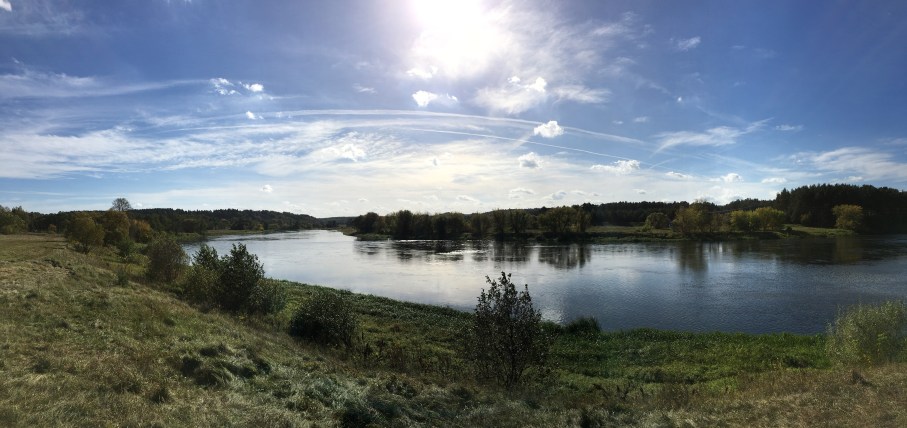
Immediately behind the bathhouse was the Sesupe River.

img_7724

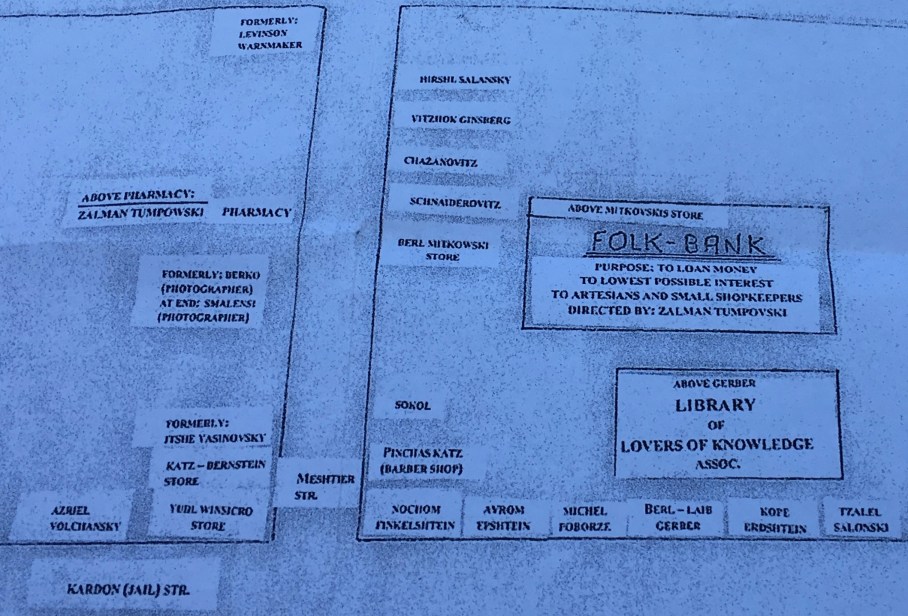
One of the many treasures that Regina brought on our journey was a map drawn by a Jewish expatriate of Kudirkos Naumiestis. It lists the home of every Jew from the early 20th century. Surely enough, I found Schneiderowitz.

img_7732img_7712

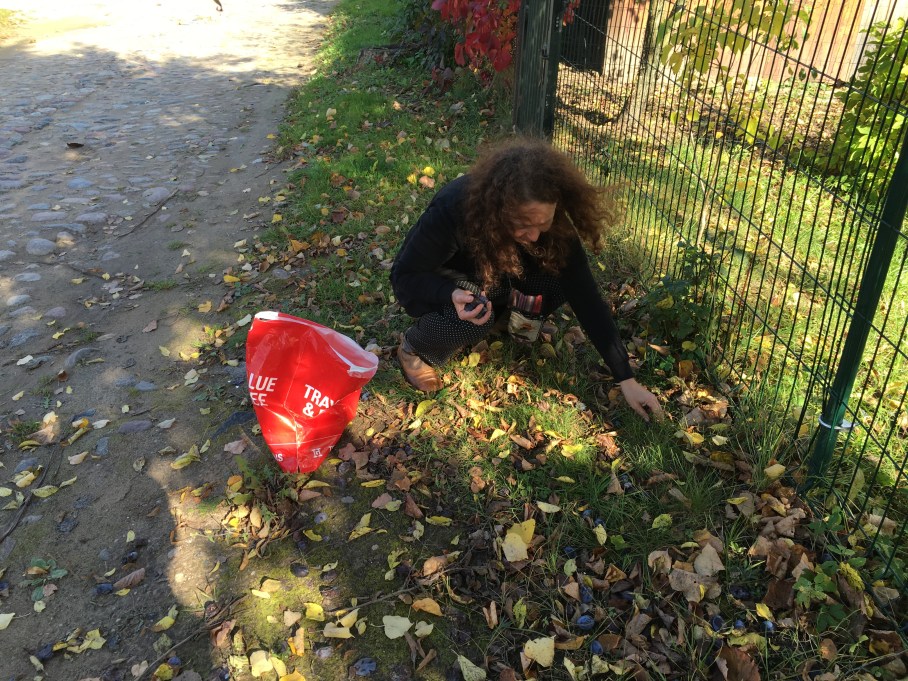
Regina spotted a plum tree along the cobblestone road. We scavenged for ripe ones, they were the most delicious plums I’ve ever tasted.
img_7738

We traveled to the site of the Schneiderowitz home to find it was destroyed during the war just like the vast majority of homes.
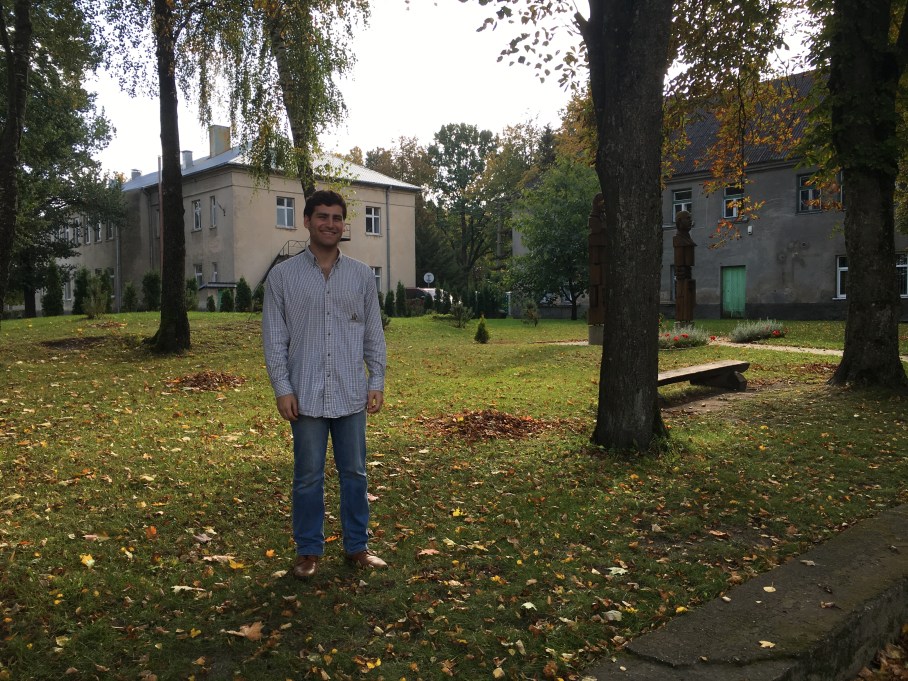
img_7757

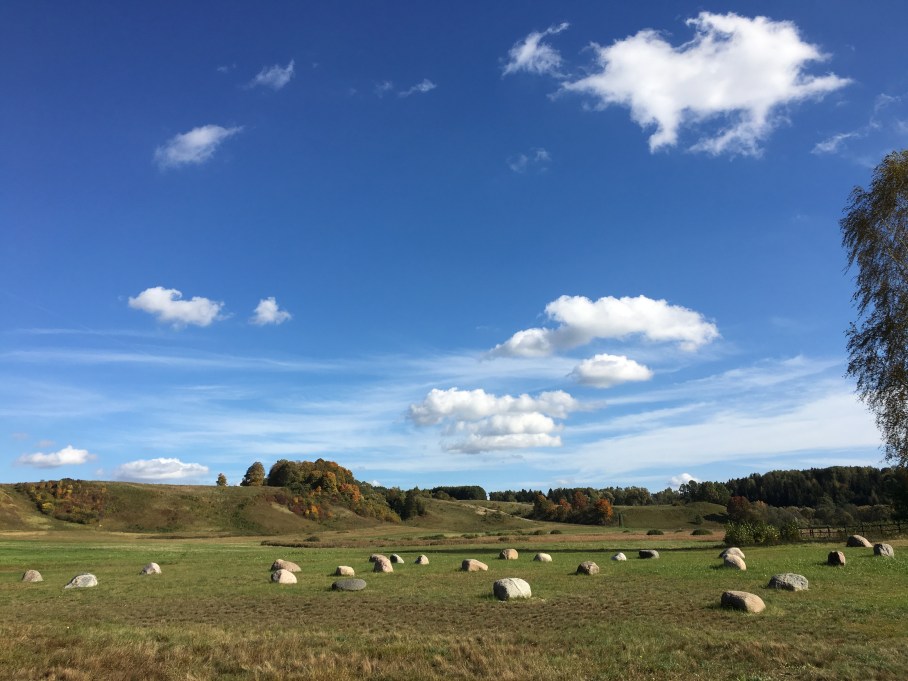
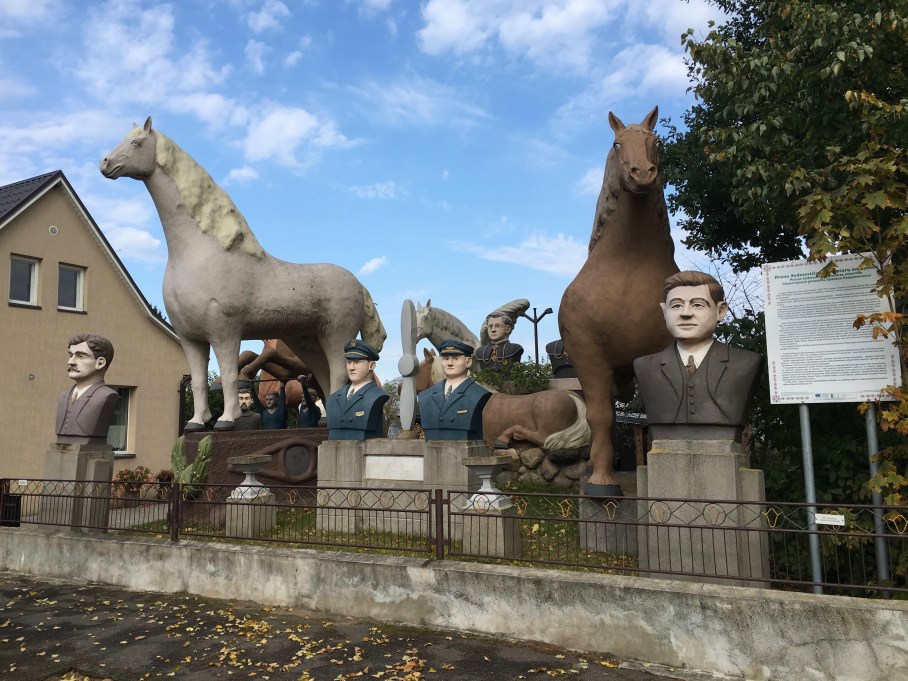
On the way to the Jewish cemetery we made two pit stops. The first was at the home of Pranas Sederevicius who created concrete sculptures in his back garden.
img_7689

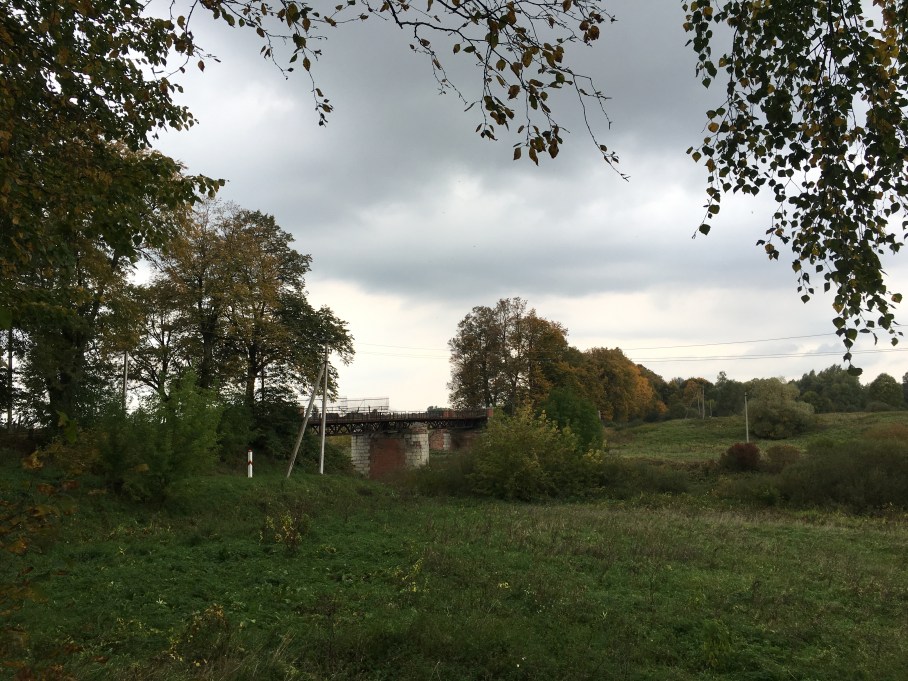
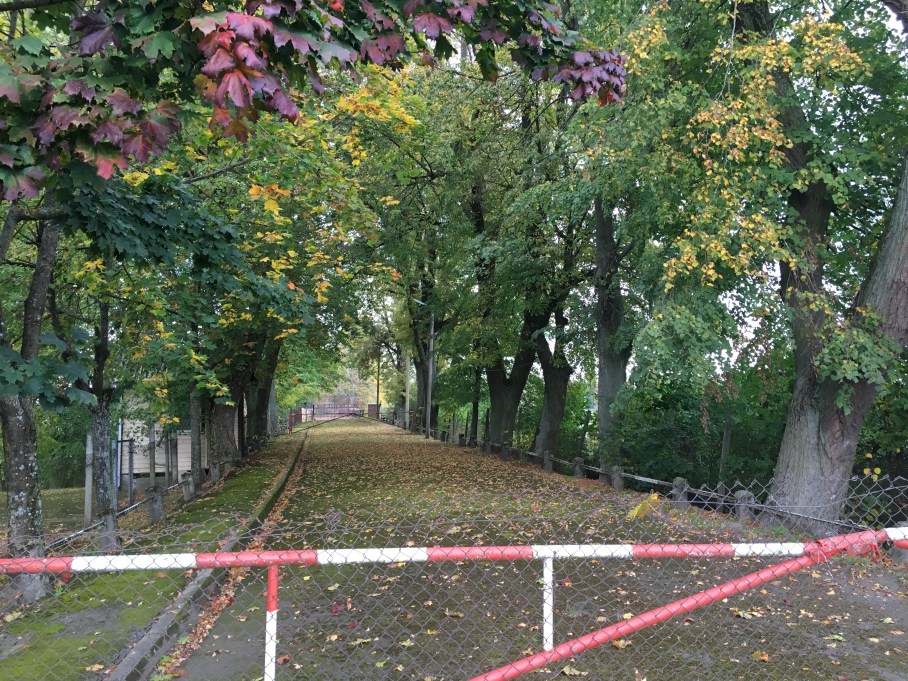
The second stop was at the border with the Kaliningrad oblast of Russia. Indeed, Kudirkos Naumiestis lied just along the border with Prussia when my ancestors lived there. In fact, the town was occupied by Prussia following the Partition of Poland, then Napoleon for almost a decade, and finally by Russia.
img_7759img_7763

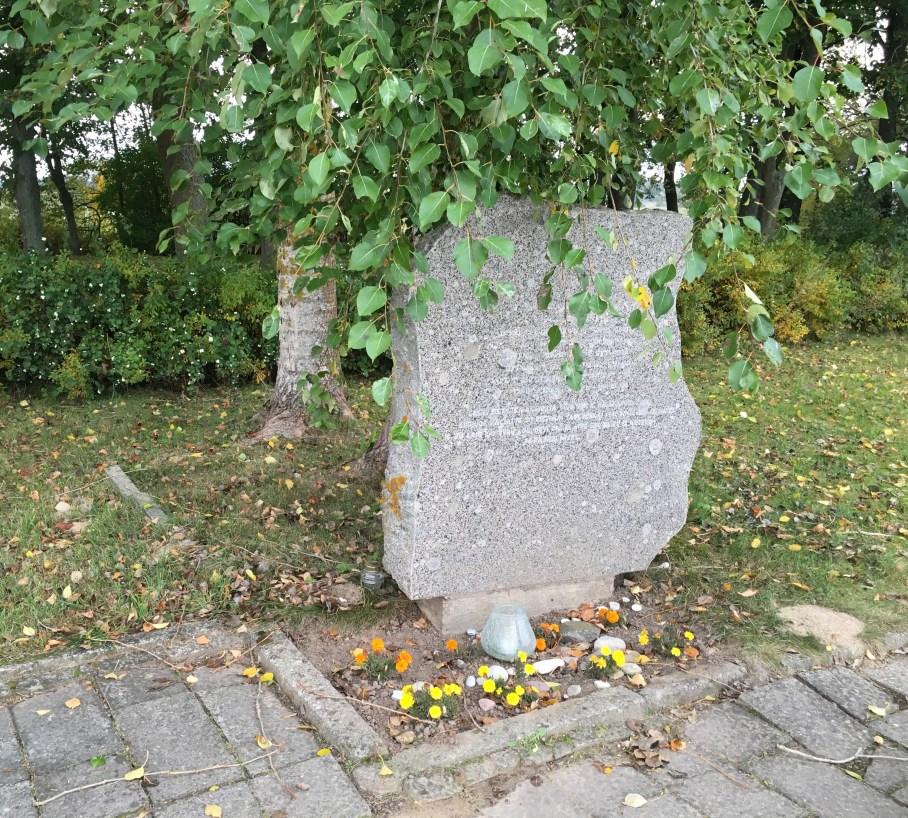
The Jewish cemetery occupied the mass grave, where in June 1941 the hundreds of Jewish men above age 14 were gathered and shot to death.
img_7766img_7769

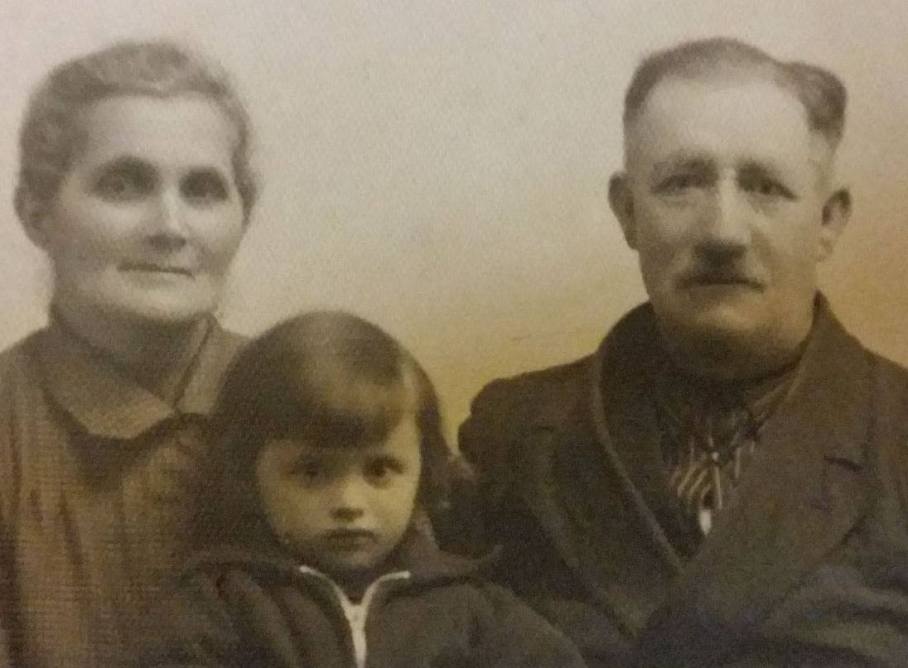
This included Mordechai Leibovski, his sons, and his grandsons. His wife, Chaia Sarah Schneiderowitz, would suffer the same fate two months later along with the remaining members of her family. Chaia Sarah was the sister of Hyman Snider. In all, about fifty of my relatives were massacred in Kudirkos Naumiestis. I said Kaddish in their memory.
13130833_10153683460928412_1399056082259462889_o13151666_10153683460948412_500937432871417331_n

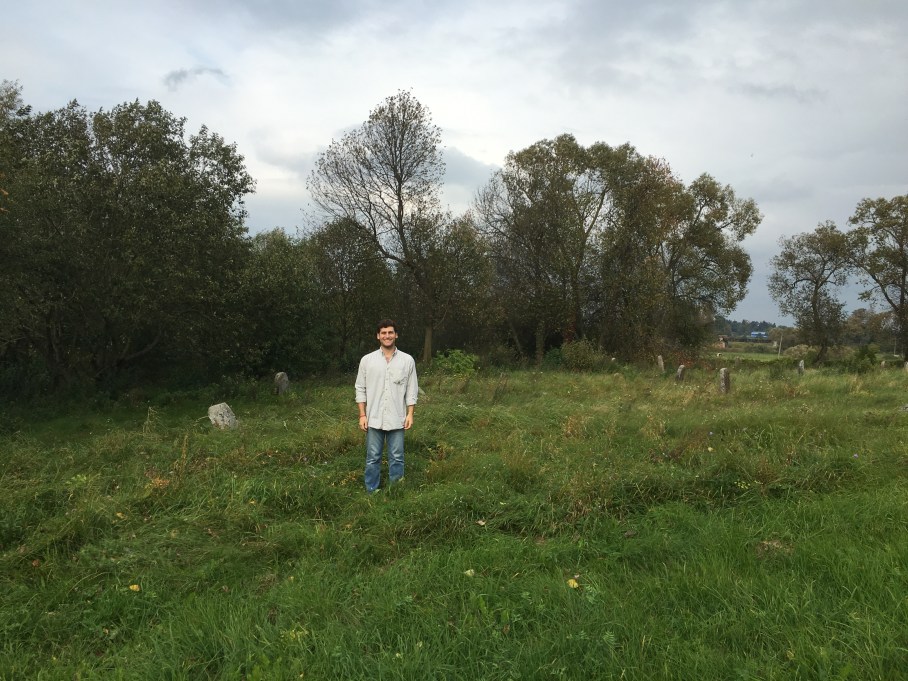
Unlike others I’d visited, the Jewish cemetery in Kudirkos Naumiestis was not completely eviscerated by the Nazis.

img_7779img_7807

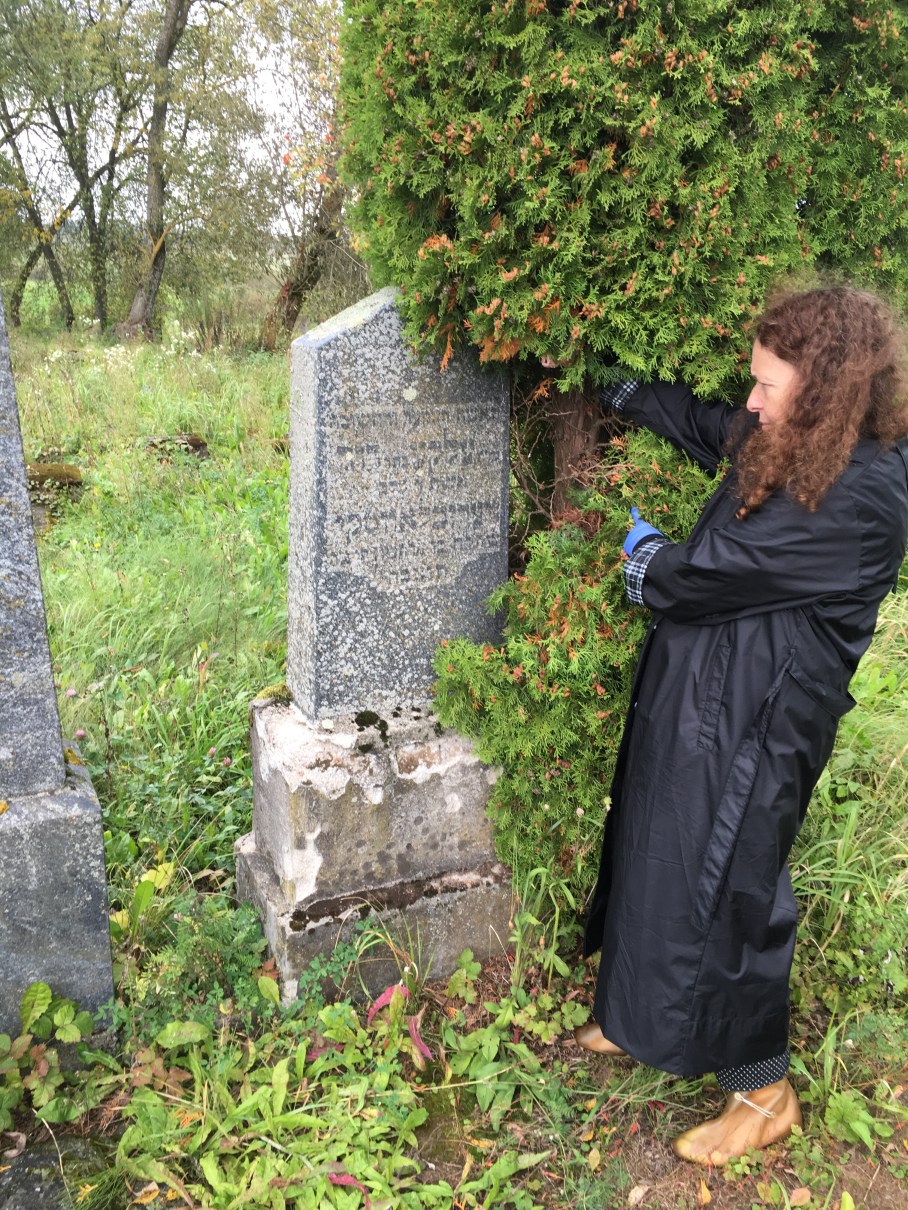
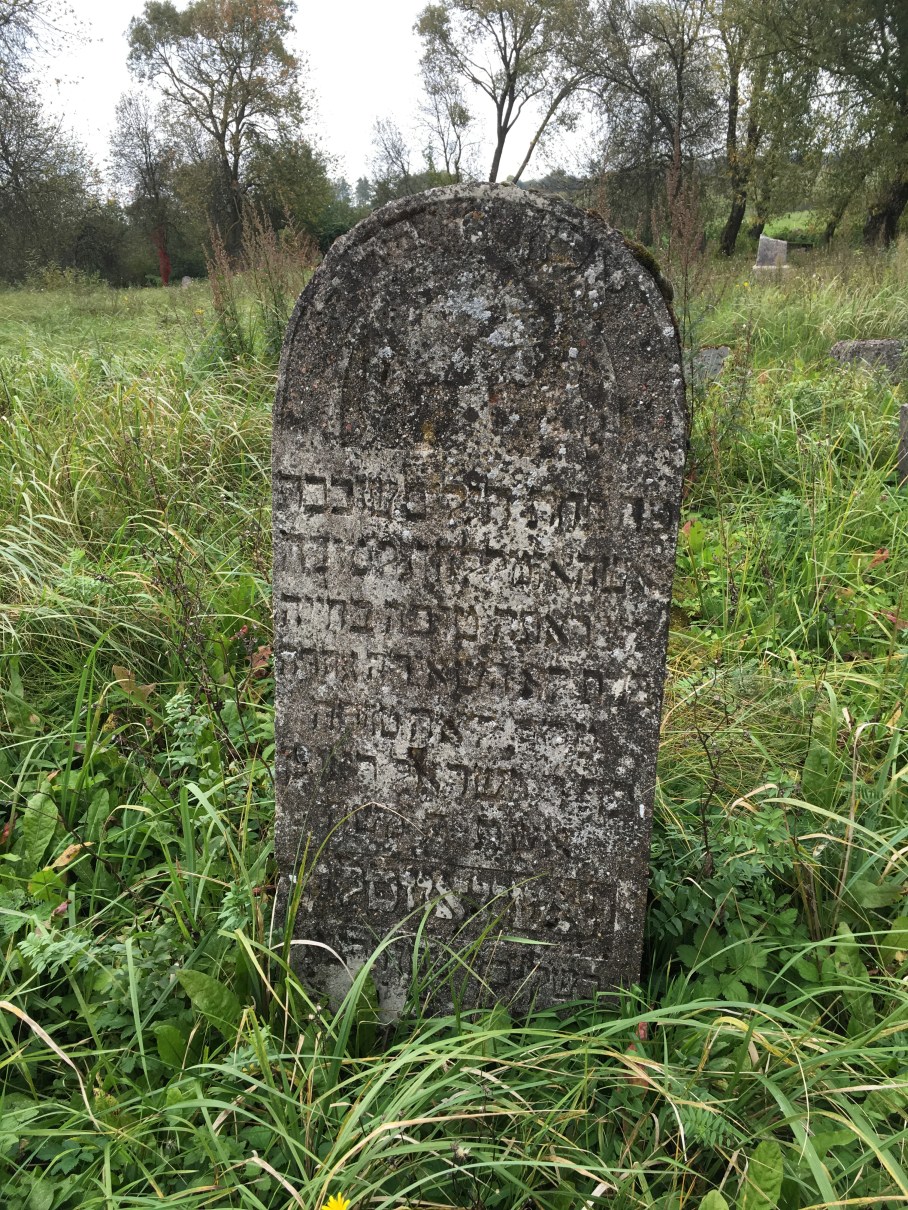
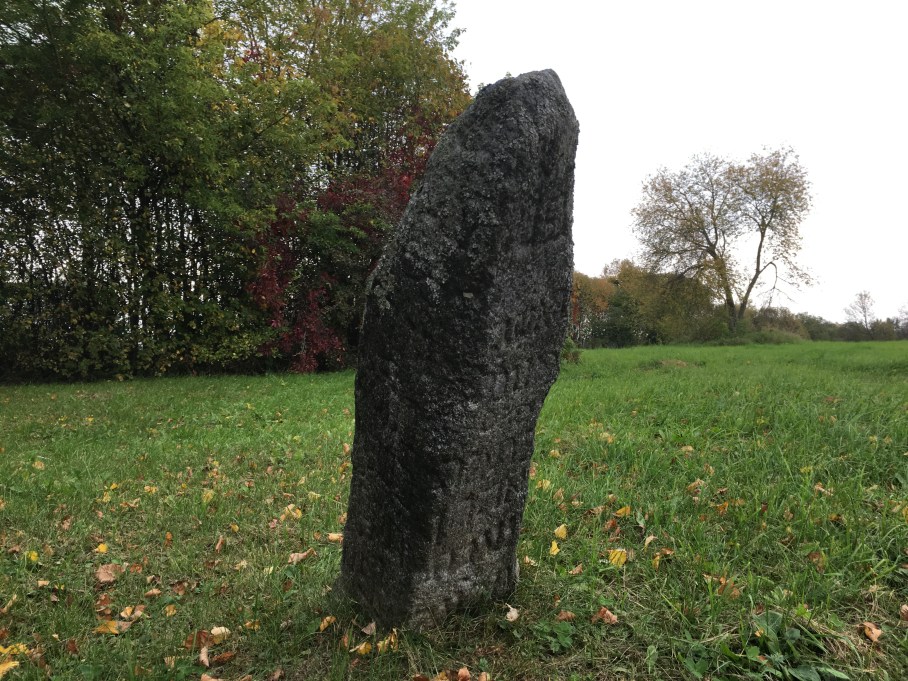
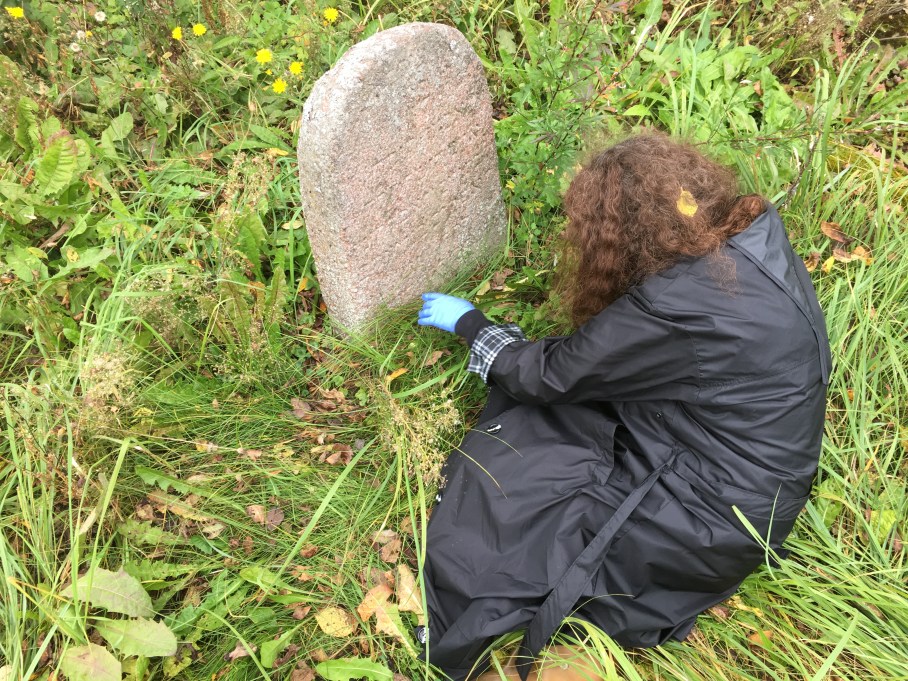
We spent the next hour transcribing names and dates from the headstones, which were of varied condition.
img_7788img_7794

Regina located a stone dating to the Napoleonic era.
img_7772

I was so impressed with her ability to read stones in poor condition- she is obviously very experienced.
img_7802

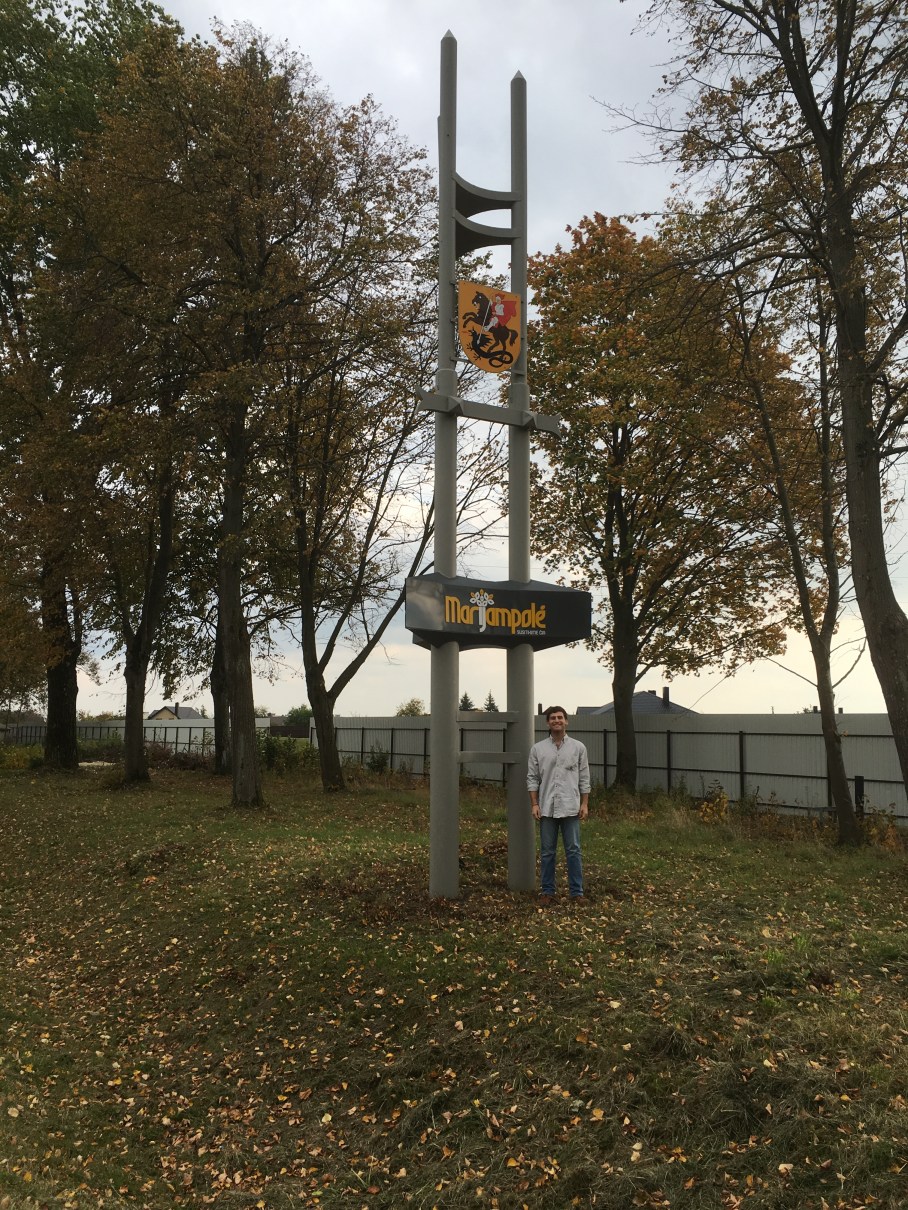
With that we began the drive to our second shtetl stop, Marijampole. Along the way I interrogated Regina about her career as a heritage tour guide and genealogist. She is a fountain of knowledge.
img_7812img_7814

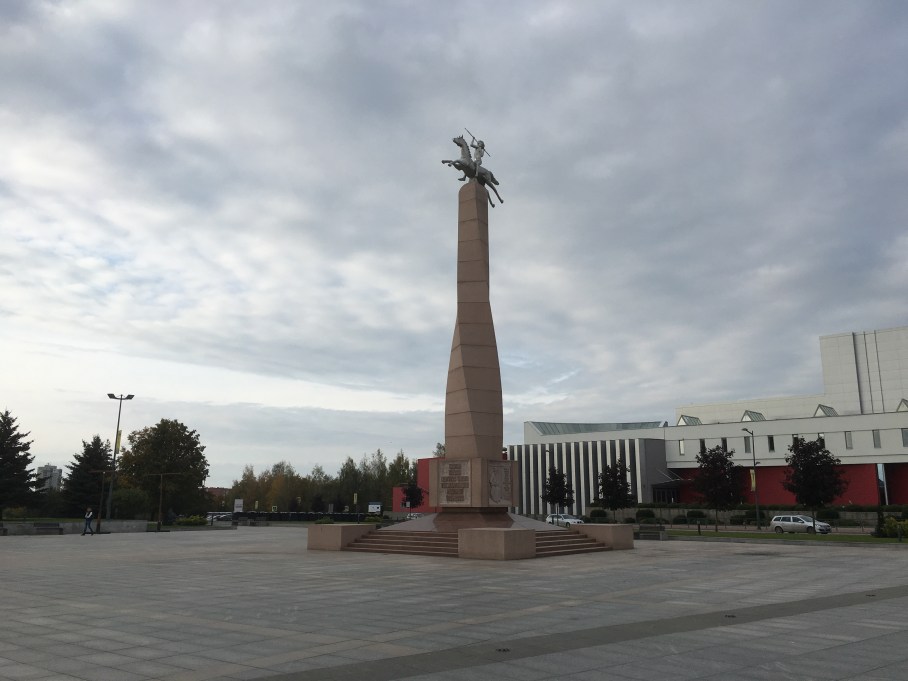
It would not be appropriate, Regina informed me, to describe Marijampole as a’shtetl’. Rather, Marijampole is the seventh largest city in Lithuania, with almost 50,000 inhabitants.
img_7827

Nevertheless, it was over half Jewish when my family lived there. Marijampole is particularly special to me, as records indicate that my great-great-great-grandmother (Sarah Frezynski Shimelson) died there in 1925- the latest any direct ancestor of mine is recorded as having lived in the old country. In other words, I had a direct ancestor living in Marijampole less than 100 years ago. Sarah’s daughter, Bella Shimelson, immigrated to Rochester in 1907 where she married Jacob Abramowitz. Their granddaughter is my Nana.

53b67245-62a1-49ae-8214-88a0f10bbc1f

Affluence has had an ironically negative impact on the historical character of Marijampole, as it bred renovation. Portions of the Great Synagogue still stand, but have been repurposed and entirely renovated.

img_7825

The old Jewish Cemetery, where my ancestors are undoubtedly buried, has too been refurbished. Headstones not destroyed by the bombings were reorganized around a commemorative stone. In my opinion, some things should be left in their original state.

img_7817img_7818

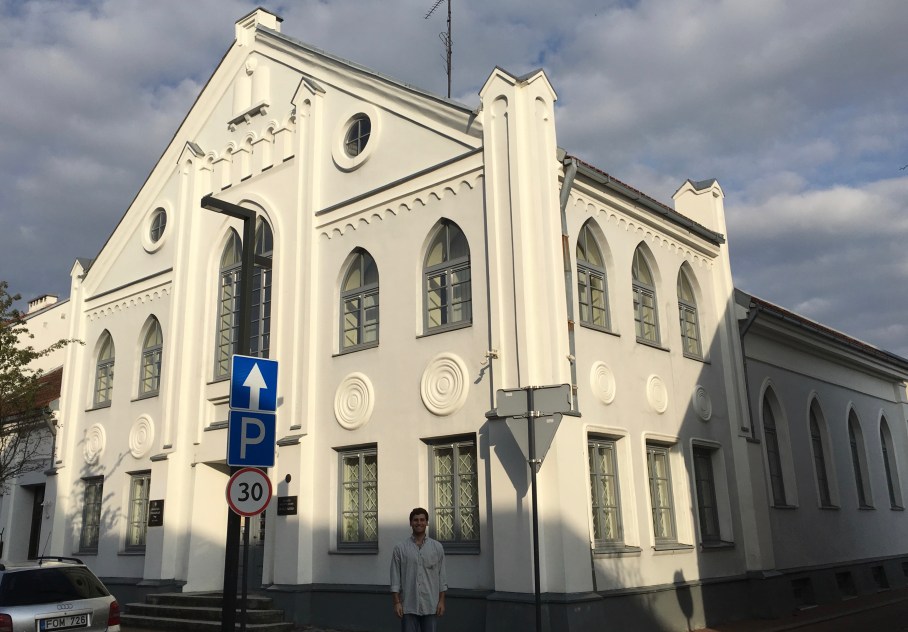
From the cemetery we traveled to the only standing synagogue, which now serves as a museum.
img_7842

With that we started the long drive back to Vilnius. Regina read memoirs for me all the way. We encountered dense traffic as we entered Vilnius, so we didn’t make it to the synagogue on time for Rosh Hashanah services.

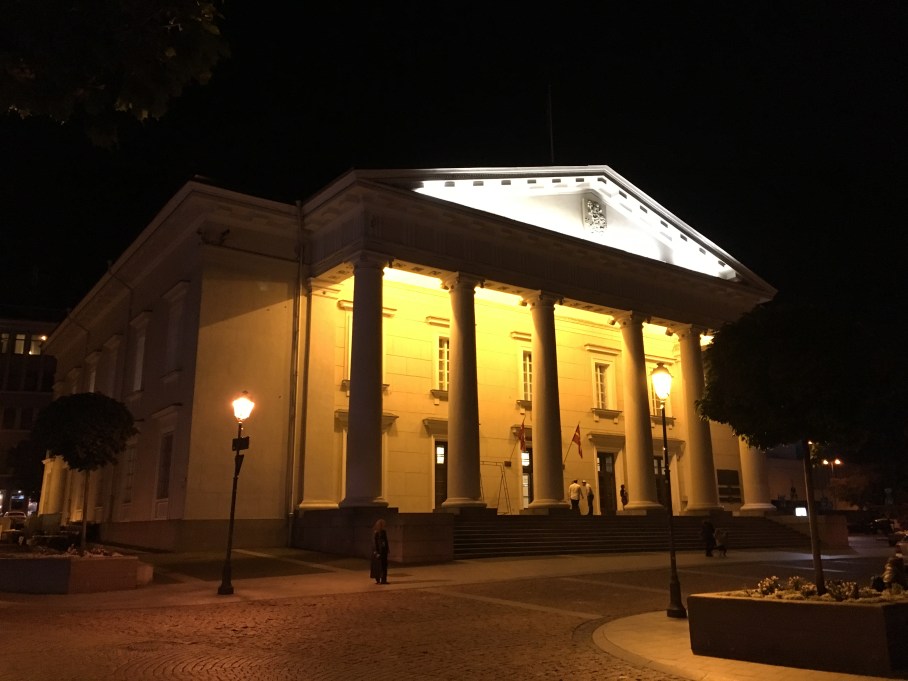
She generously invited to me to the Chabad dinner at the Town Hall, which was first mentioned in 1432. It was rebuilt by Laurynas Gucevicius (architect of Vilnius Cathedral) in 1799.
img_7857

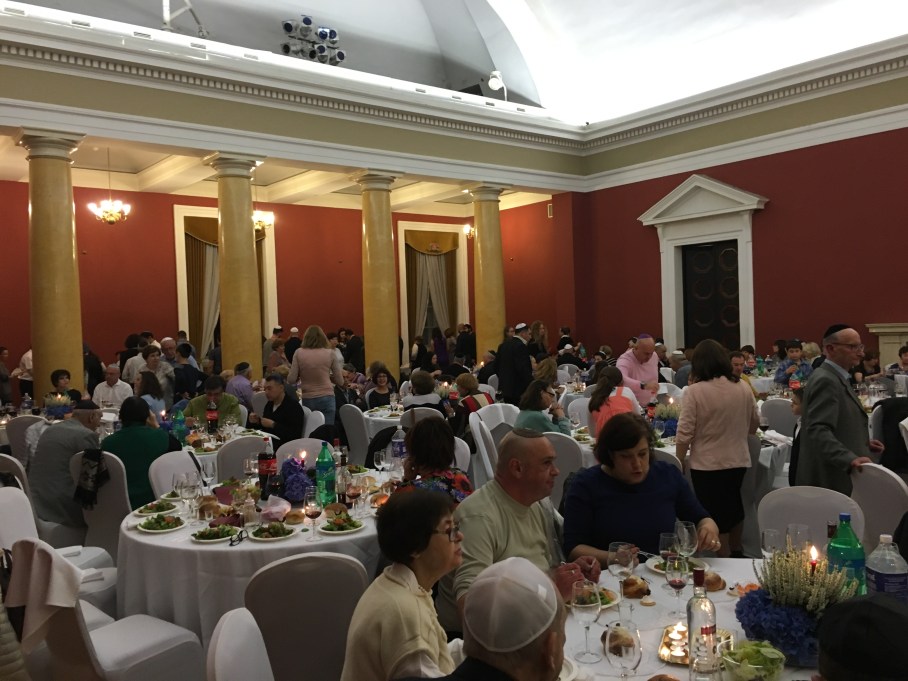
The dinner was led by Rabbi Shalom Krinsky. Almost 200 Jews filled the banquet hall. When Regina informed me that Rabbi Krinsky was a Bostonian I immediately made myself known. When I told him that I was originally from Birmingham he asked if I knew Rabbi Friedman. I told him that Rabbi Friedman was my favorite teacher growing up.
img_7855

Regina kindly accompanied me to the airport to return my rental. I am so fortunate to have found her. It was a delightful evening and extremely successful day.

 

01 October 2016

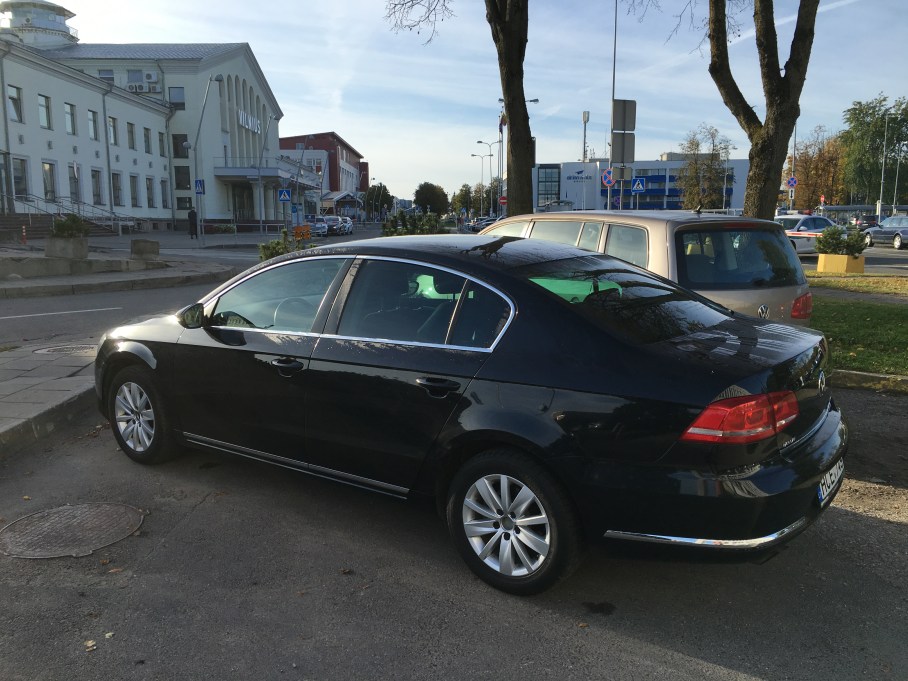
Woke up at 7:30, Ubered to the airport. Picked up a rental for only 28 Euros a day- VW Passat.

img_7587

Traveled an hour north to Kernave, the first capital of Lithuania.

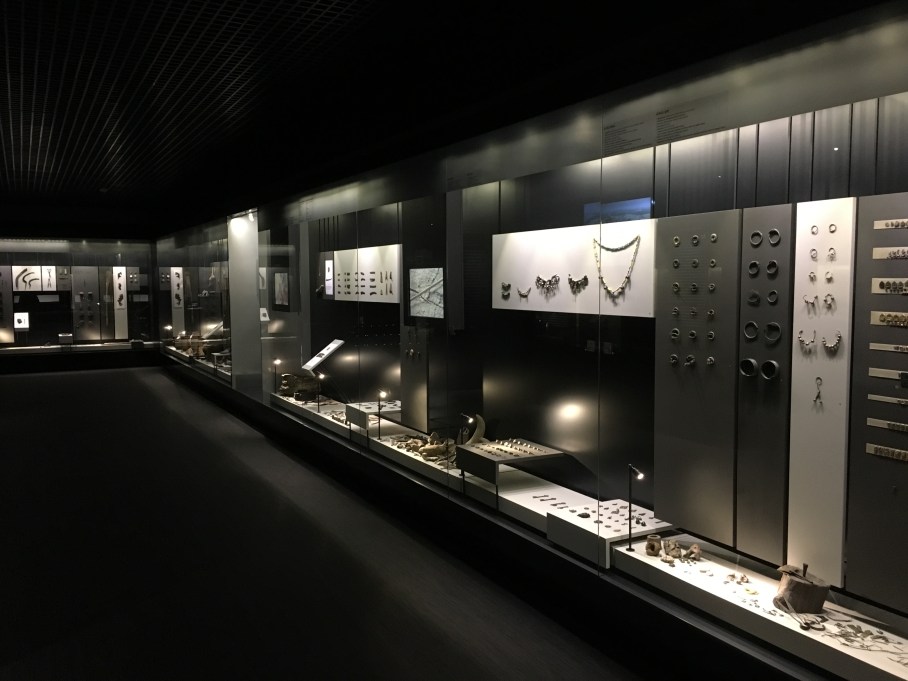
I started at the Archeological Site Museum, established following recognition of Kernave by UNESCO as a World Heritage Site in 2004, administered by the State Cultural Reserve of Kernave.  Professional archeological research has been carried out in Kernave since 1979. The exhibit revealed a history dating back 11 millennia and included artifacts from each era: stone age arrowheads, bronze age tools, iron age tools, medieval cult objects and jewelry. I found particularly fascinating the artifacts of foreign origin: pottery from Kiev, glassware from Aleppo and Damascus, shells from the Maldives, coins from Rome- testament to city’s former status. In contrast, Kernave now boasts no more than 300 inhabitants.

img_7598

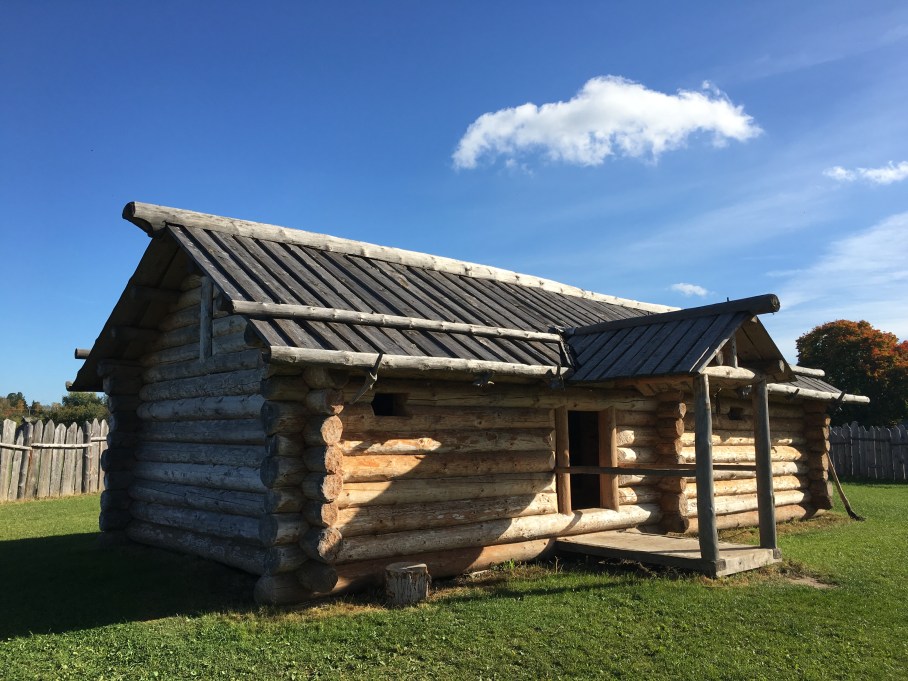
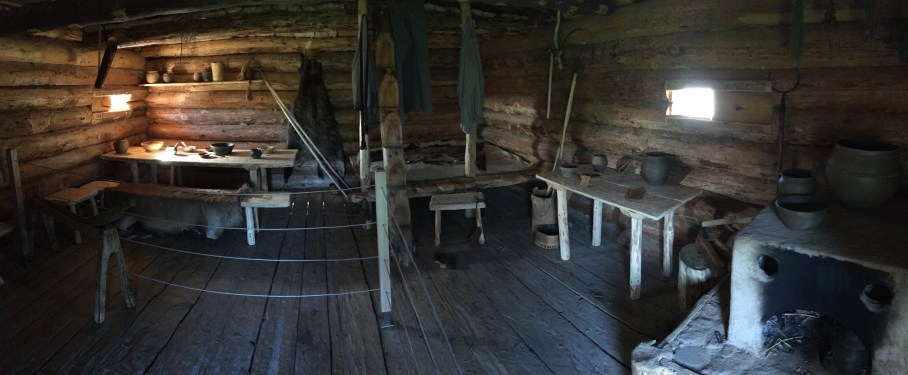
Upon exiting I was directed to the open air museum exhibition, reconstruction of a Kernave neighborhood during the 13th and 14th centuries.

img_7601img_7602

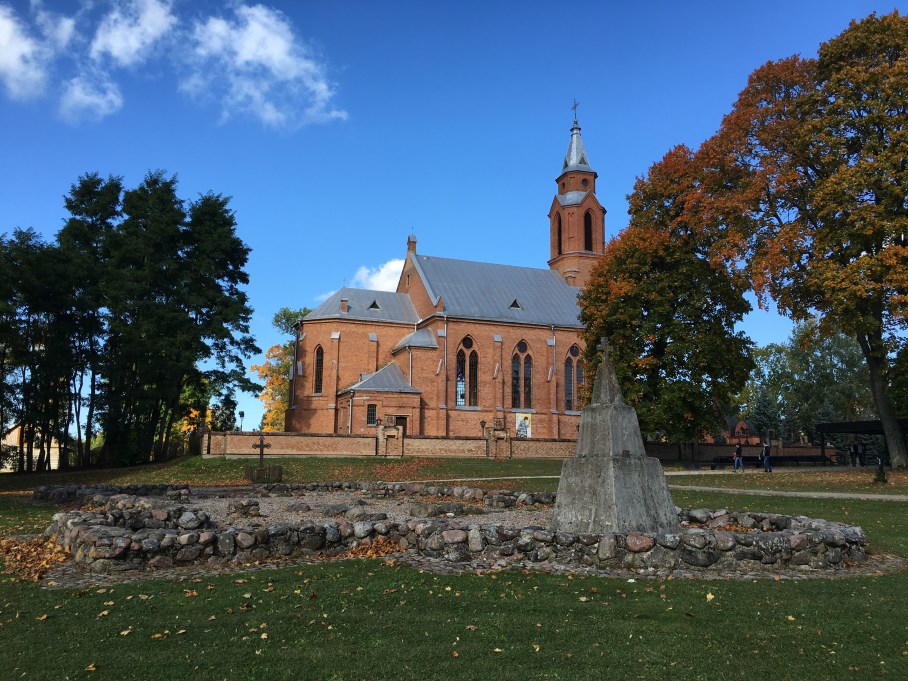
I looped back around to the Church of the Blessed Virgin Mary of the Scapular, which stands at the entrance to the reserve. The neo-gothic church was completed in 1920.

img_7608img_7615

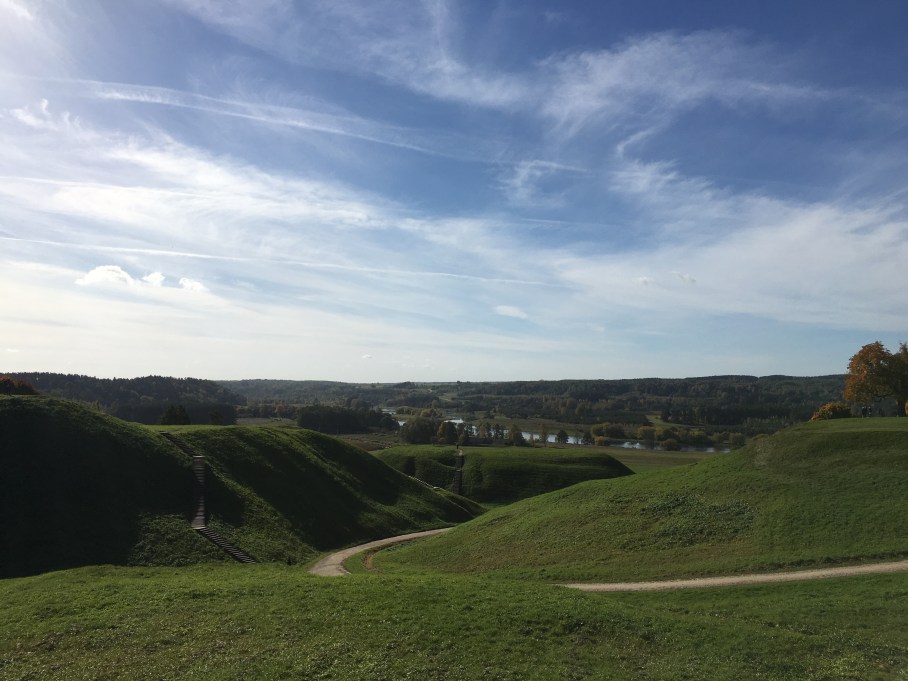
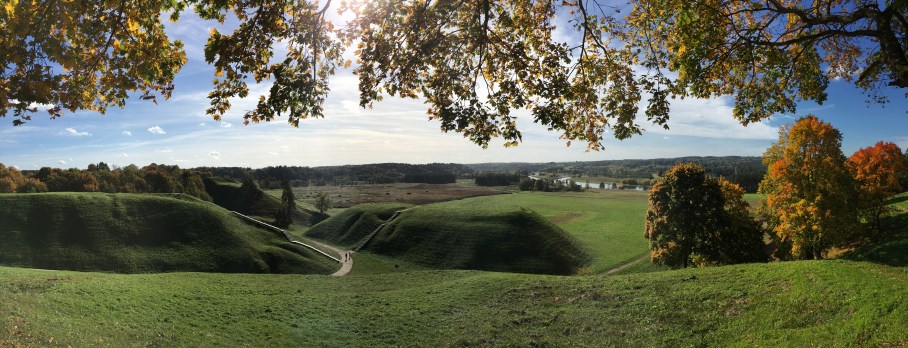
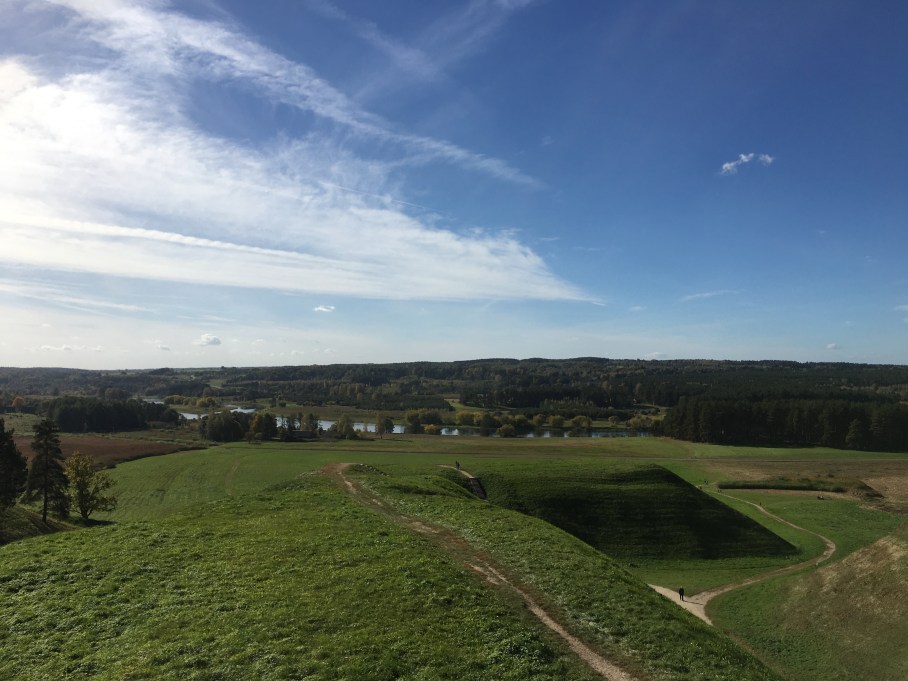
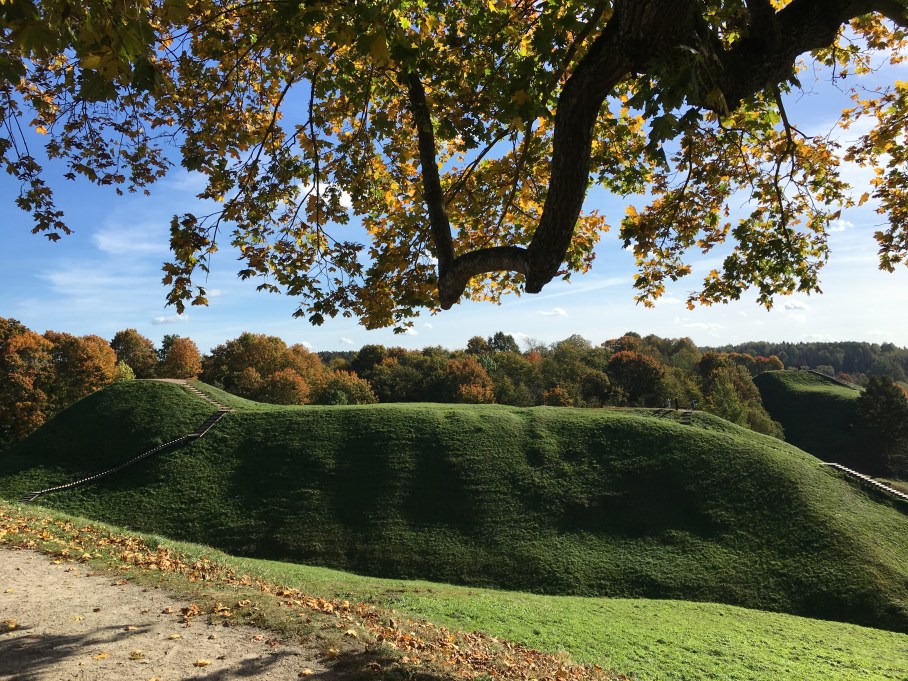
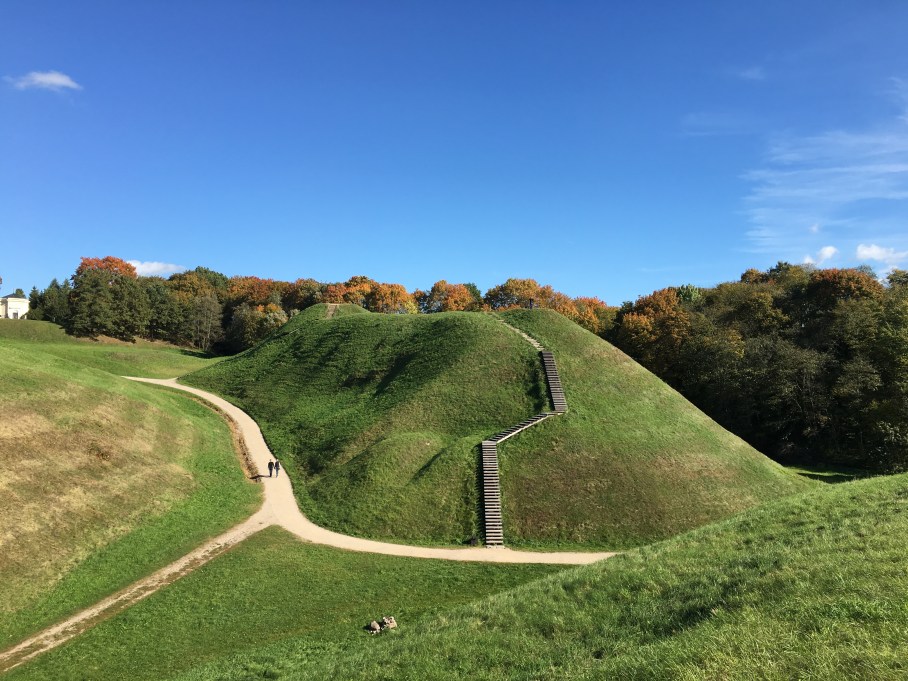
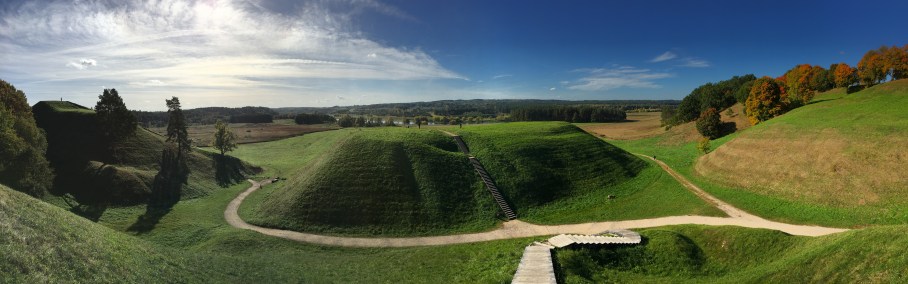
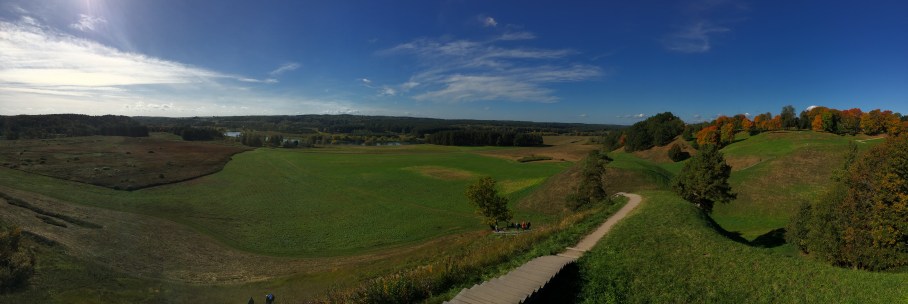
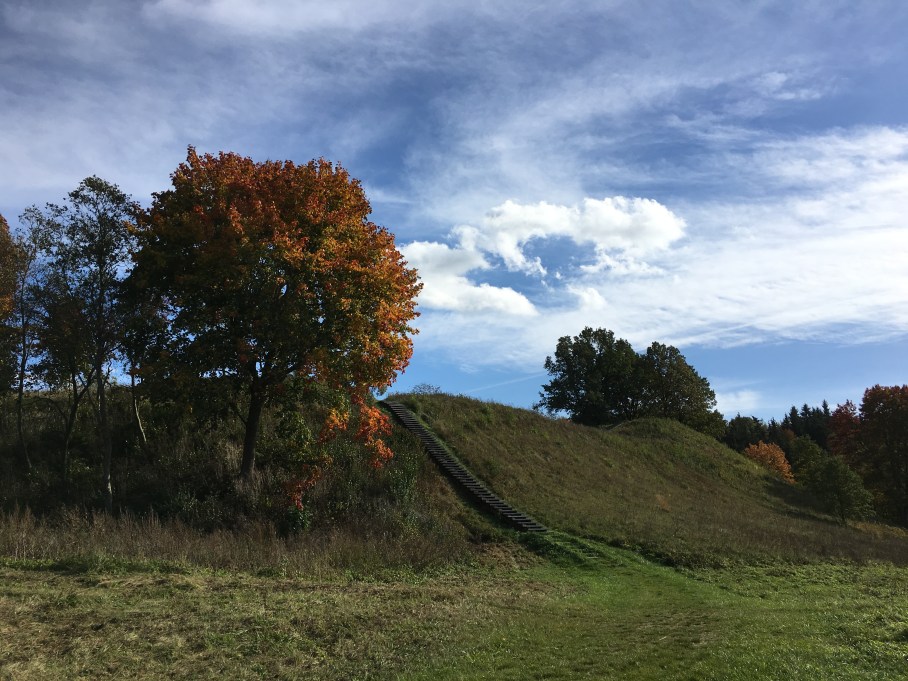
I tried my best to appreciate the other historical markers near the entrance of the reserve, but once the view caught my eye it was hard to look away. From the observation platform I had an unbelievable panorama of the entire reserve, including the five extraordinary mounds, of which there are roughly 1000 in Lithuania. They are natural hills, adjusted for defensive purposes. Ascended via wooden walkways, the mounds were once united via ramparts and fortifications to form a unified castle complex. For the next few hours I walked from mound to mound while taking constant photographs.

img_7620

From the Castle Mound I had another striking panorama, particularly of Mindaugas’ Throne Mound (left) and Altar-Hill Mound (right).

img_7628

Legend has it that in medieval times a tunnel ran from Castle Mound to Trakai and Vilnius.

img_7652

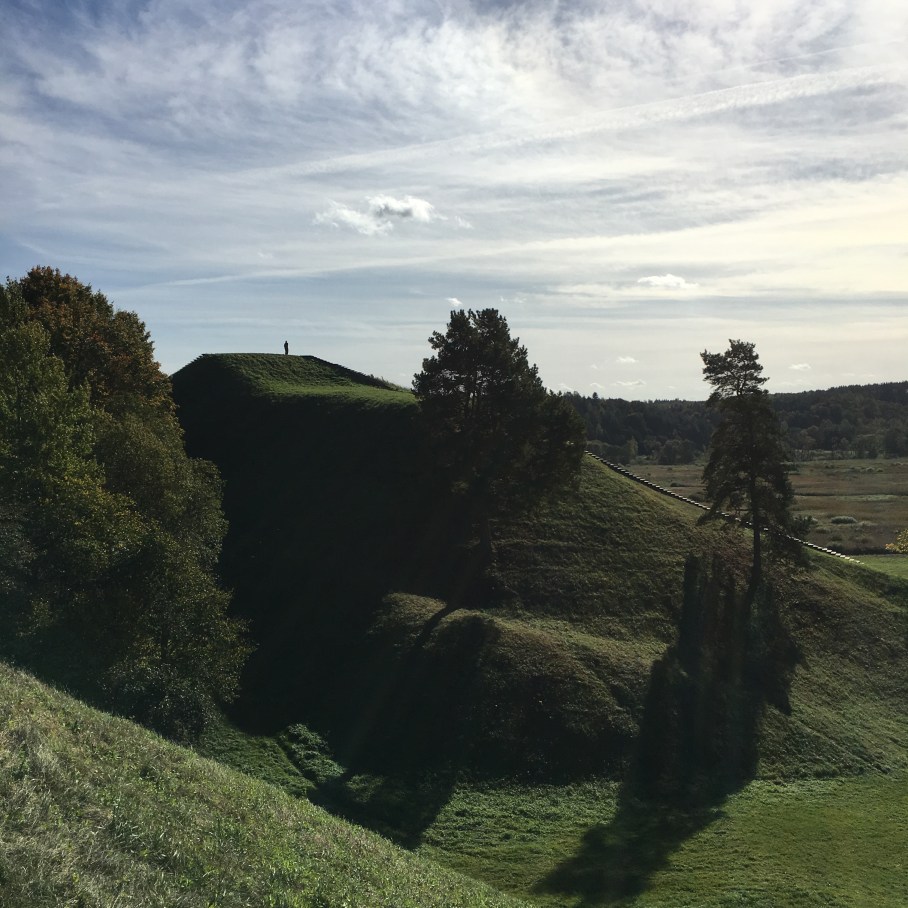
Another unbelievable outlook from Mindaugas Throne, particularly of Altar-Hill Mound and the Neris River behind.

img_7644

Legend has it that the first ruler and only king of Lithuania, Mindaugas, was coronated on this sight in 1253. Along with the three outer mounds, Mindaudgas’ Throne served to protect Altar-Hill Mound in medieval times.

img_7627img_7650

Finally I made it up Altar-Hill Mound, the most central and seemingly intentional of the five. Altar-Hill Mound was the location of the ducal palace, certainly from the time of Grand Duke Traidenis (r. 1269-1282) and possibly since Mindaugas. It was settled in the first millennium BC. Kernave would remain the capital of Lithuania until Gediminas moved it to Trakai and ultimately to Vilnius in 1323. The wooden castles were destroyed by Grand Duke Kestutis and subsequently by his son Grand Duke Vytautas in the late 14th century in opposition to the ‘treacherous’ unification with Poland by their nephew and cousin respectively, Grand Duke Jogaila. The town would dwindle in prestige until the past century.

img_7648

Afterwards, I made my way up Lizdeika mound.

img_7647

The steep climb produced a glimpse into the Pajauta Valley below where the majority of Kernave’s inhabitants resided.

img_7653

Finally I journeyed to the outskirts of the valley to find Kriveikiskis mound, which is speculated to have been the sight of sacrificial offerings.

img_7663

From there I walked across the valley to the shore of the Neris.

img_7673

Near the Neris lied the remnants of an ancient burial ground from before the time of Jesus.

img_7677

Made the exhausting walk back up to my car in the late afternoon, drove back to Vilnius. Prepared for tomorrow the rest of the evening.

30 September 2016

Had a nice run before class. We learned that the early interwar period was a golden age for Jews in Lithuania, who were given an unprecedented amount of autonomy, including the right to tax for the upkeep of their institutions. Eighty percent of Jewish pupils studied in Jewish schools during this era, while the statistic was the reverse in Poland.

After class I had a quick lunch before heading to the National Museum of Lithuania. In front stands a statue of King Mindaugas, the first ruler of a united Lithuania.

img_7522

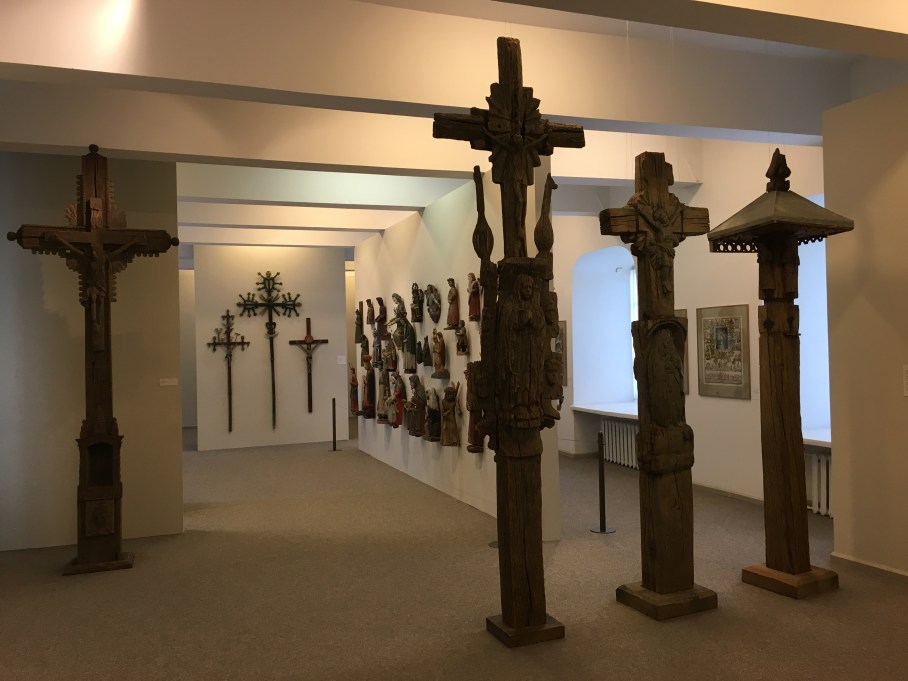
The Museum is located in the New Arsenal, part of the Lower Castle. It was as much a museum about the museum, which played an instrumental role in the preservation of Lithuanian national identity during the Czarist era, as it was about the history of Lithuania.

img_7585

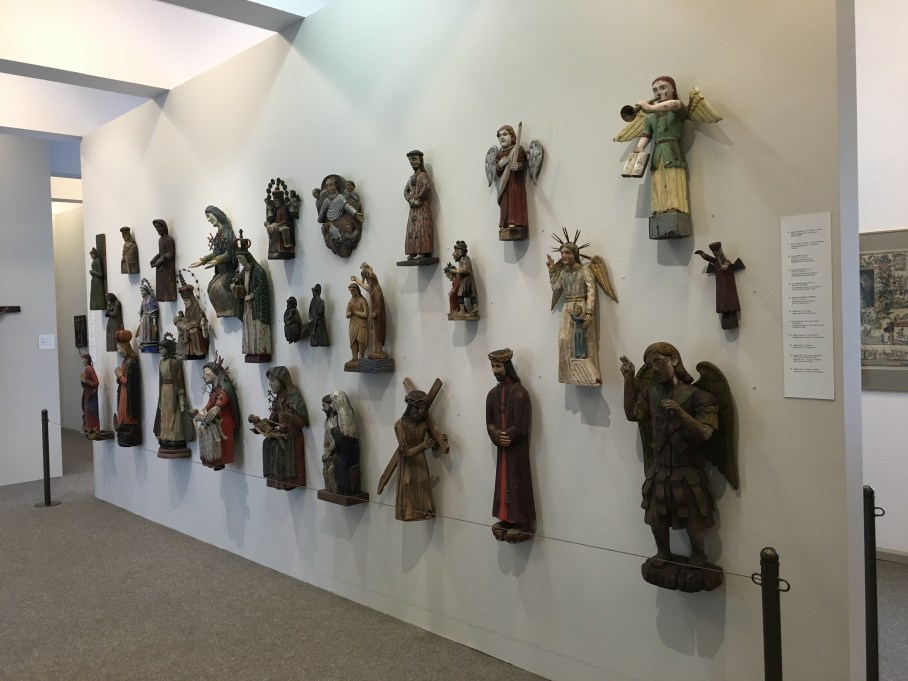
My favorite exhibit was of traditional wooden crafts.

img_7518img_7519

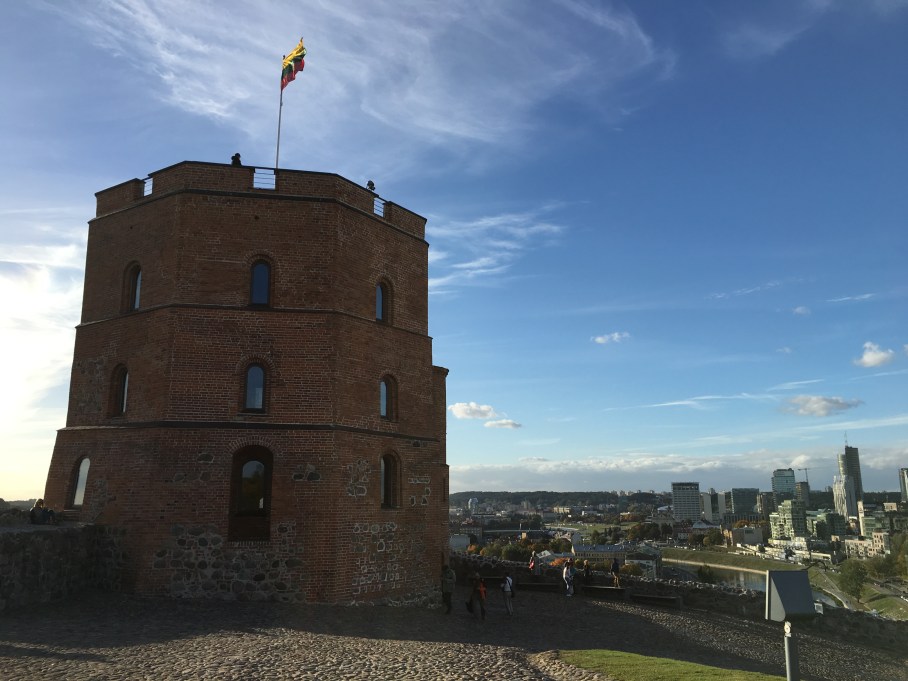
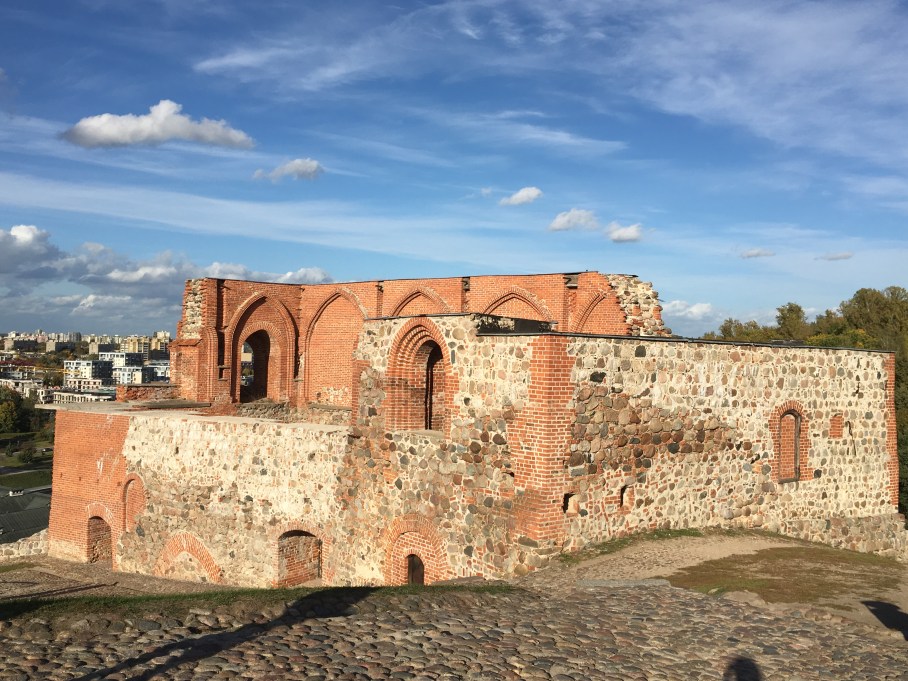
I finally made it up to the Upper Castle situated on Gediminas Hill. The only remaining tower reigns over the city and has become a de facto symbol of Lithuania. The ruins date to the early 15th century, when Grand Duke Vytautas rebuilt the castle complex.

img_7579

At the rear can be found remains of the keep, the largest hall of the entire complex.

img_7540

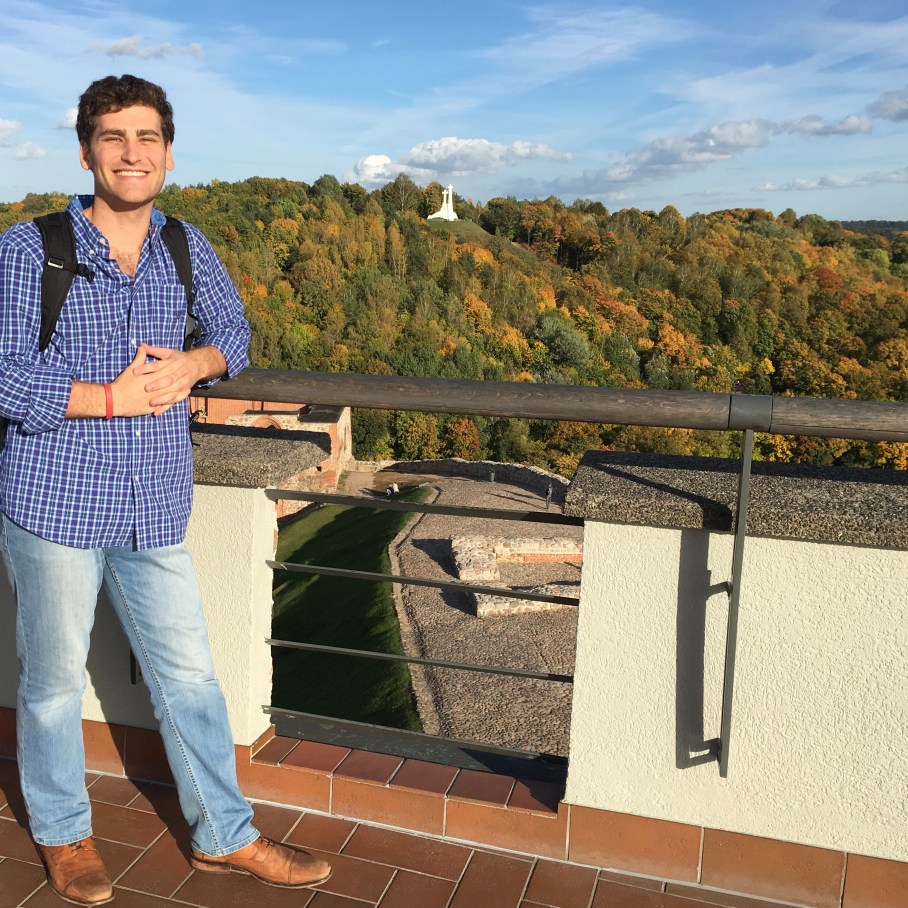
A magnificent view of Bleak Hill, where the Crooked Castle once stood, can be enjoyed from the top of the tower. The Crooked Castle was destroyed by the Teutonic Knights in the late 14th century.

img_7571

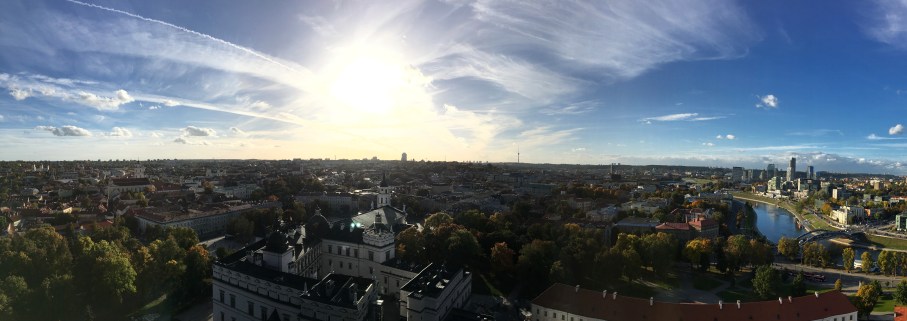
All portions of Vilnius were visible from the tower.

img_7575img_7564

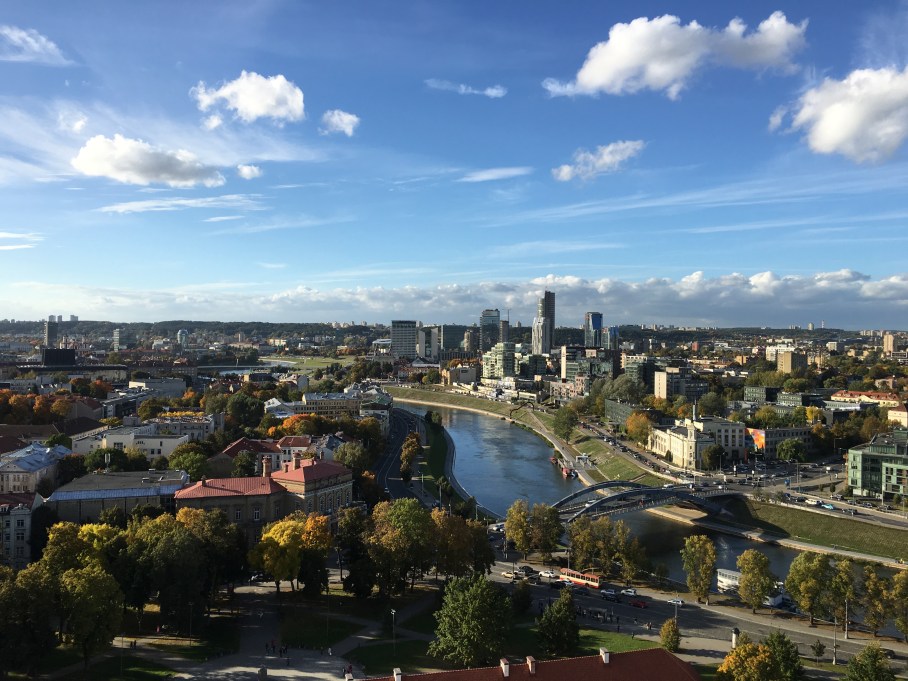
Of particular beauty was the Neris river where I run.

img_7558

I had a terrific view of the Royal Palace.

img_7545

After trying desperately to FaceTime my family I went to a coffee shop to blog.

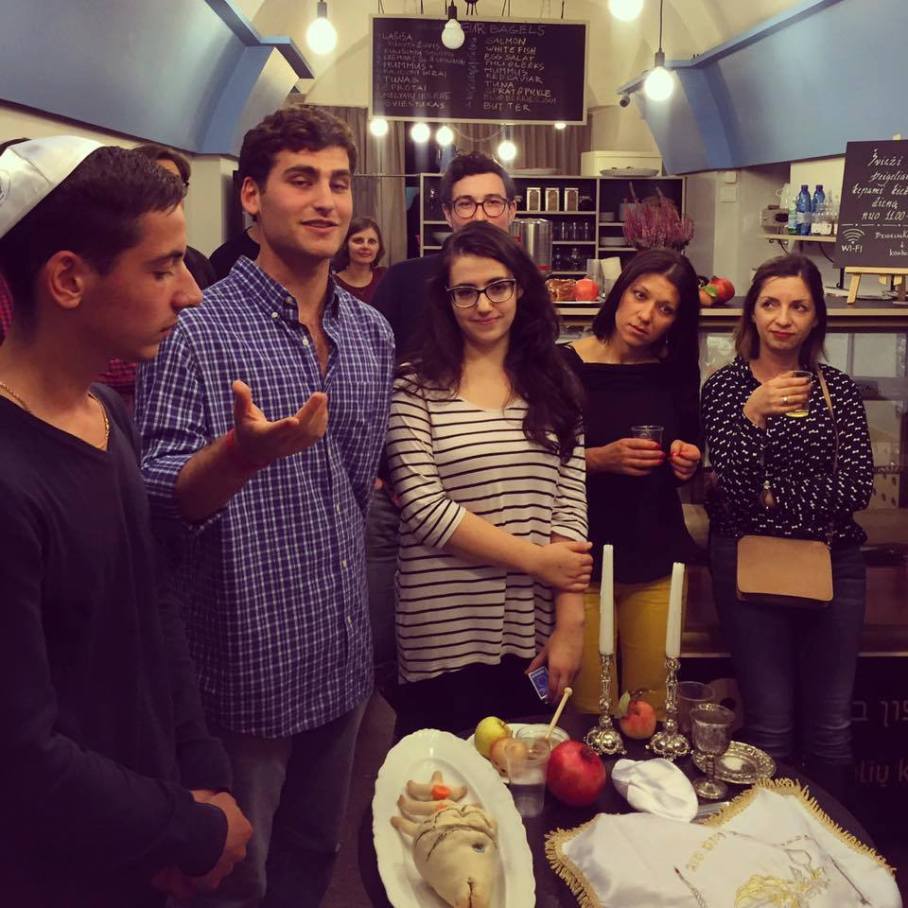
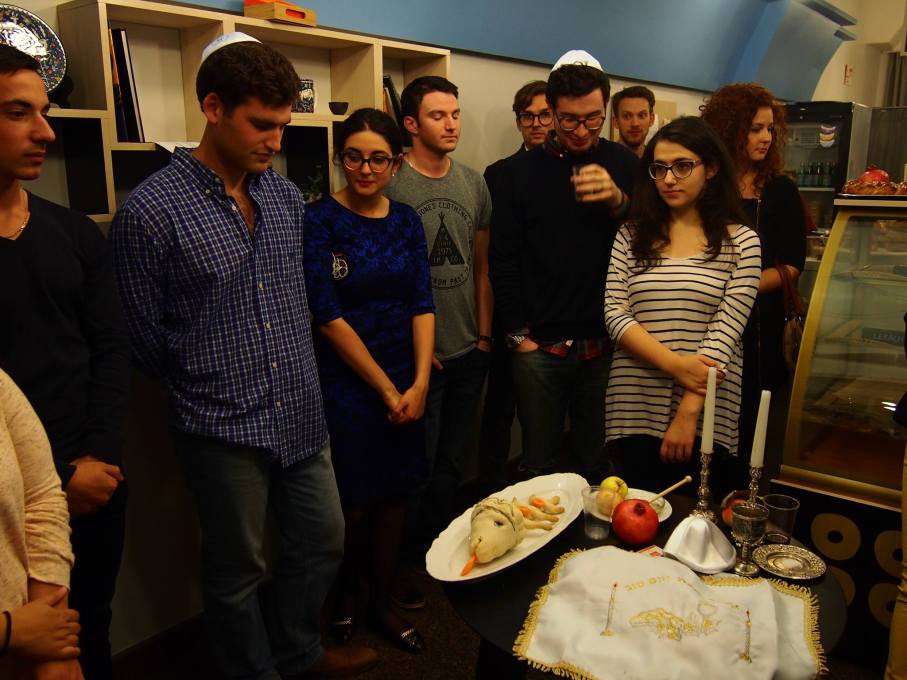
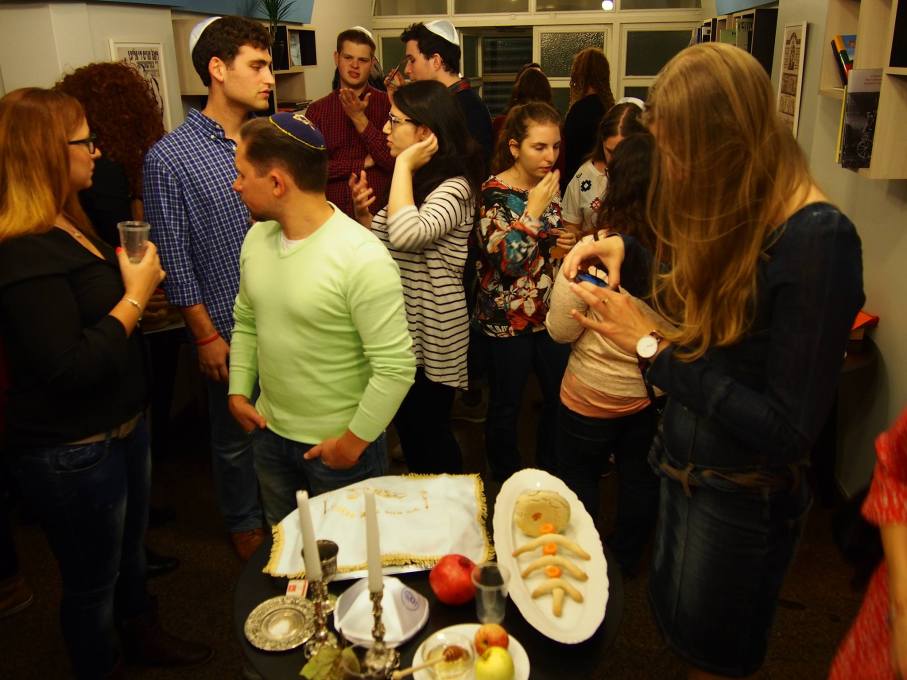
At 7:00 I walked to the Bagel Shop at the Jewish Cultural and Information Center, per invitation from Amit. She organized a pre-Rosh HaShanah/Shabbes dinner for young Jews. I was asked to make some remarks regarding the meaning of Shabbes and Rosh HaShanah. I also said Kiddush. There is something to be said about an American teaching Jewish tradition to folks in the land of Jewish tradition.

14569672_10154162339133285_1365066417_n

We observed a moment of silence for Israeli President Shimon Peres.

14550969_10154162350138285_1513949916_o

For the remainder of the evening I schmoozed with Jews from various countries: Lithuania, Israel, Russia, Turkey, Germany. Met some remarkable people. As I was leaving Amit handed me a bag full of food, definitely feeling at home in my homeland.

14550808_10154162348618285_1515965537_o

29 September 2016

Finally got my act together.

Woke up early, showered, bussed to city center, had a quick croissant sandwich.

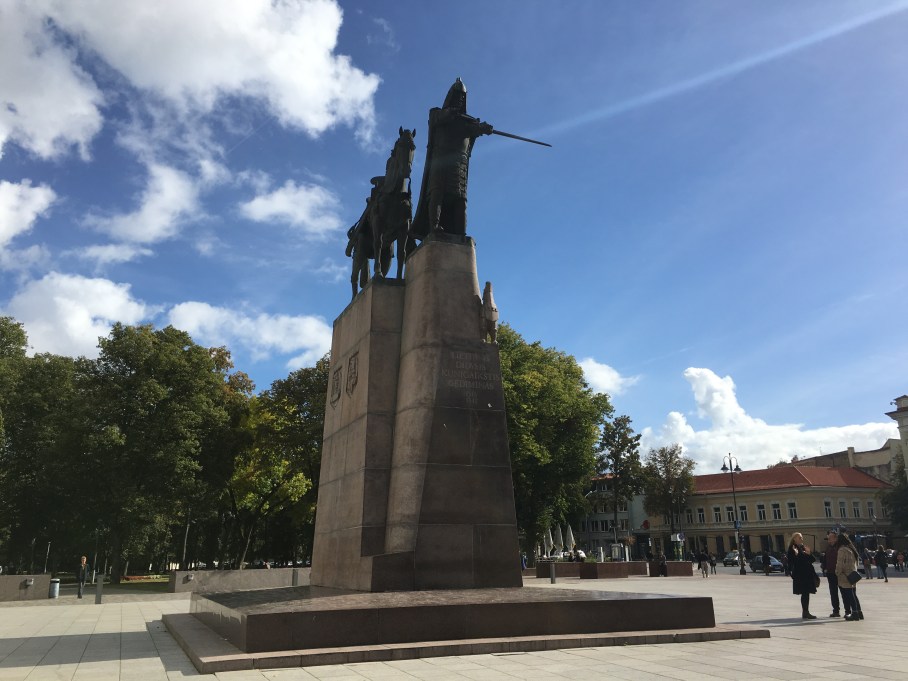
Started at Vilnius Cathedral, which lies at the west end of Cathedral Square, perpendicular to Gediminas Avenue. Cathedral square is the center of Vilnius. In it stands a statue of the legendary Grand Duke Gediminas who holds a sword in his left hand, as he apparently favored diplomacy over war. It was built in 1996 by Lithuanian-American sculptor Vytautas Kasuba.

img_7463

Archeologists have revealed that there has been a human presence in Vilnius since at least the time of Jesus, but for all intensive purposes Vilnius was founded in the 14th century by Grand Duke Gediminas, who moved the capital from Trakai. Gediminas and his descendants would rule over Lithuania (and later Poland) until the mid 17th century.

Vilnius was initially comprised of three castles: the Upper Castle, the Lower Castle, and the Crooked Castle. I spent today at the Lower Castle, the most significant portion of the complex.

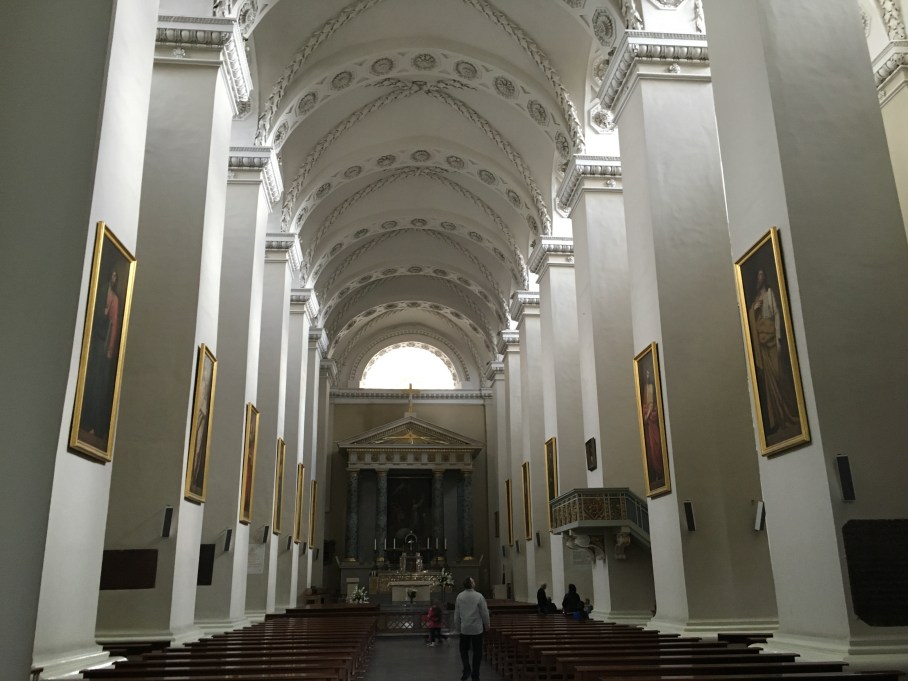
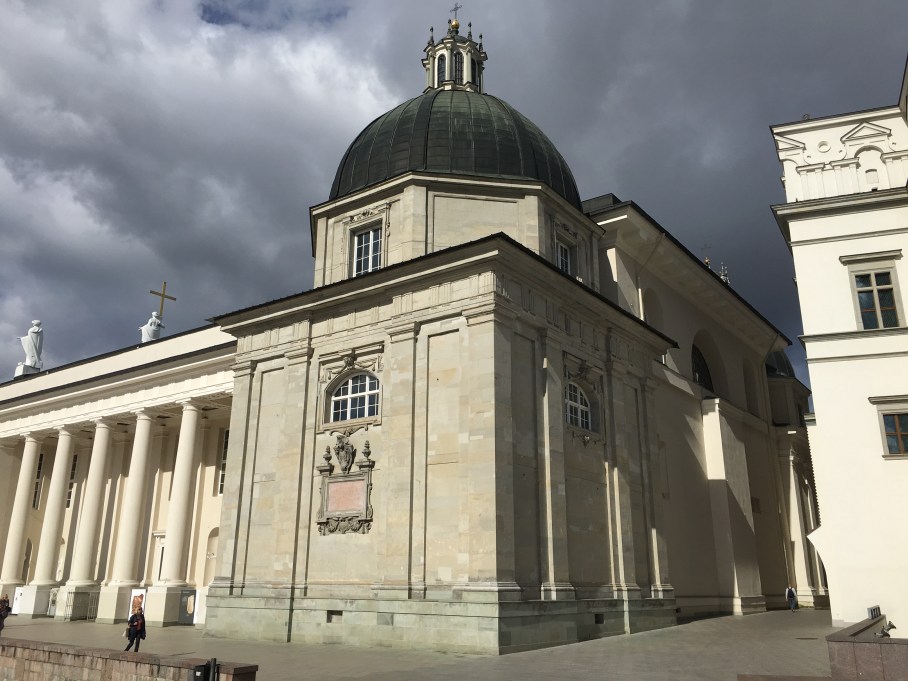
On the site occupied by the Vilnius Cathedral originally stood a pagan temple, eventually replaced by a church following the ostensible conversion of King Mindaugas, first ruler of Lithuania (mid 13th century). The nation reverted to heathen ways, but a new church was built following the reintroduction of Christianity in 1387. After it burned down in 1419, Grand Duke Vytautas built a new Gothic Cathedral, on the ruins of which stands the Cathedral today. It underwent constant renovations over the following centuries, culminating in the complete renovation by Laurynas Gucevicius in the final quarter of the 18th century. It is a neoclassical structure in an otherwise baroque city.
img_7456

The Cathedral was the sight of coronations of all Lithuanian Grand Dukes for the following centuries. It is replete with art by founding director of the Vilnius School of Art, Franciszek Smuglewicz.

img_7411

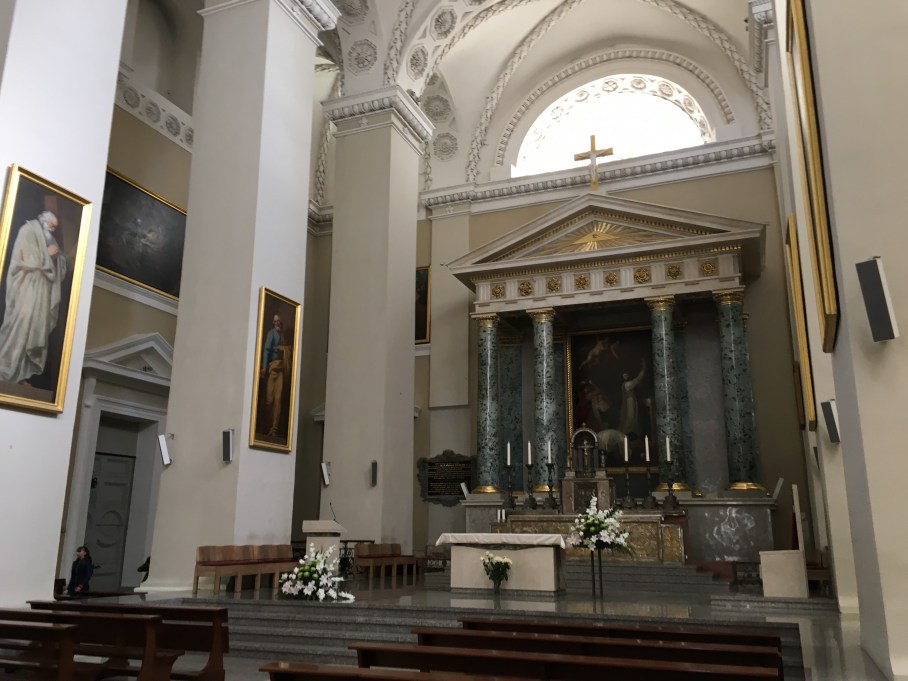
Perhaps most striking of all is the high altar, shaped like the front of a classical temple.

img_7429

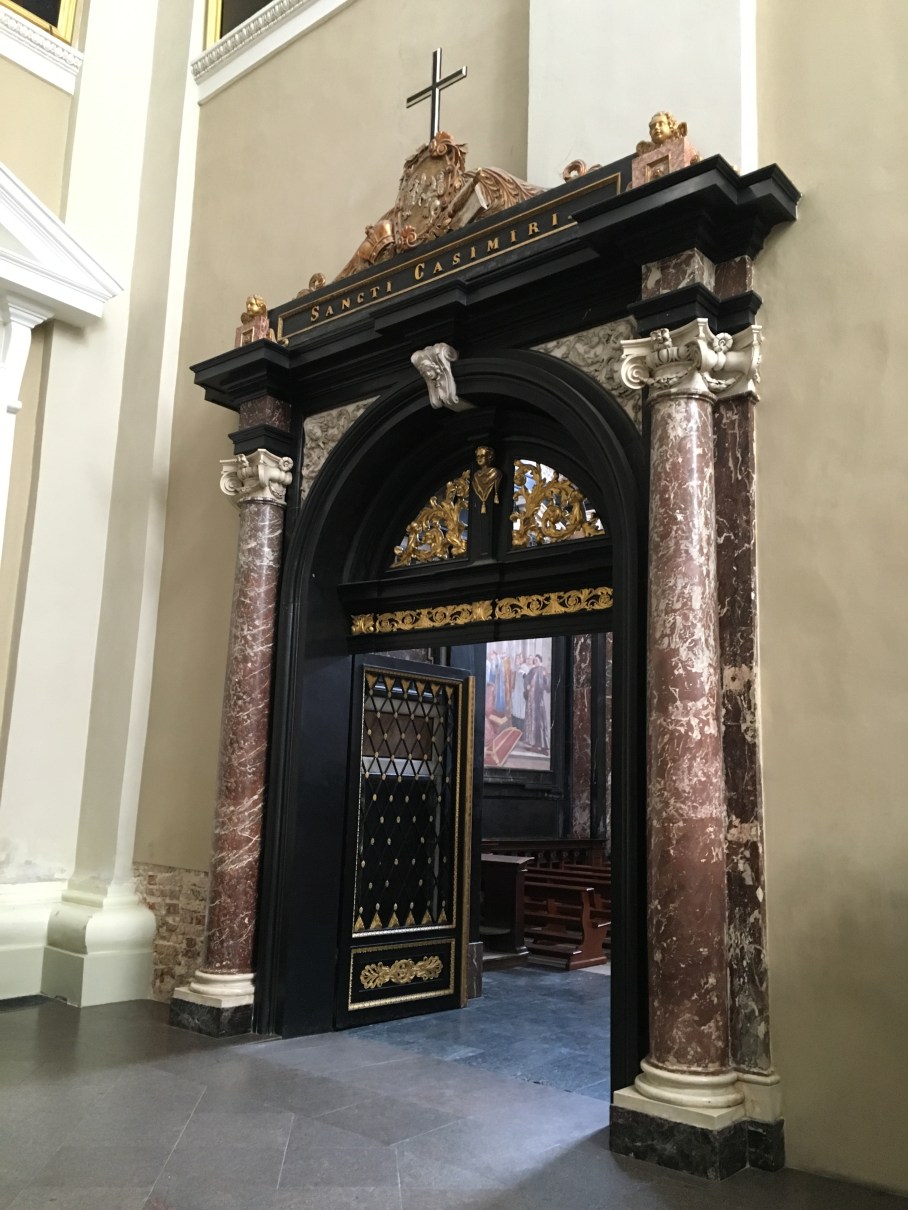
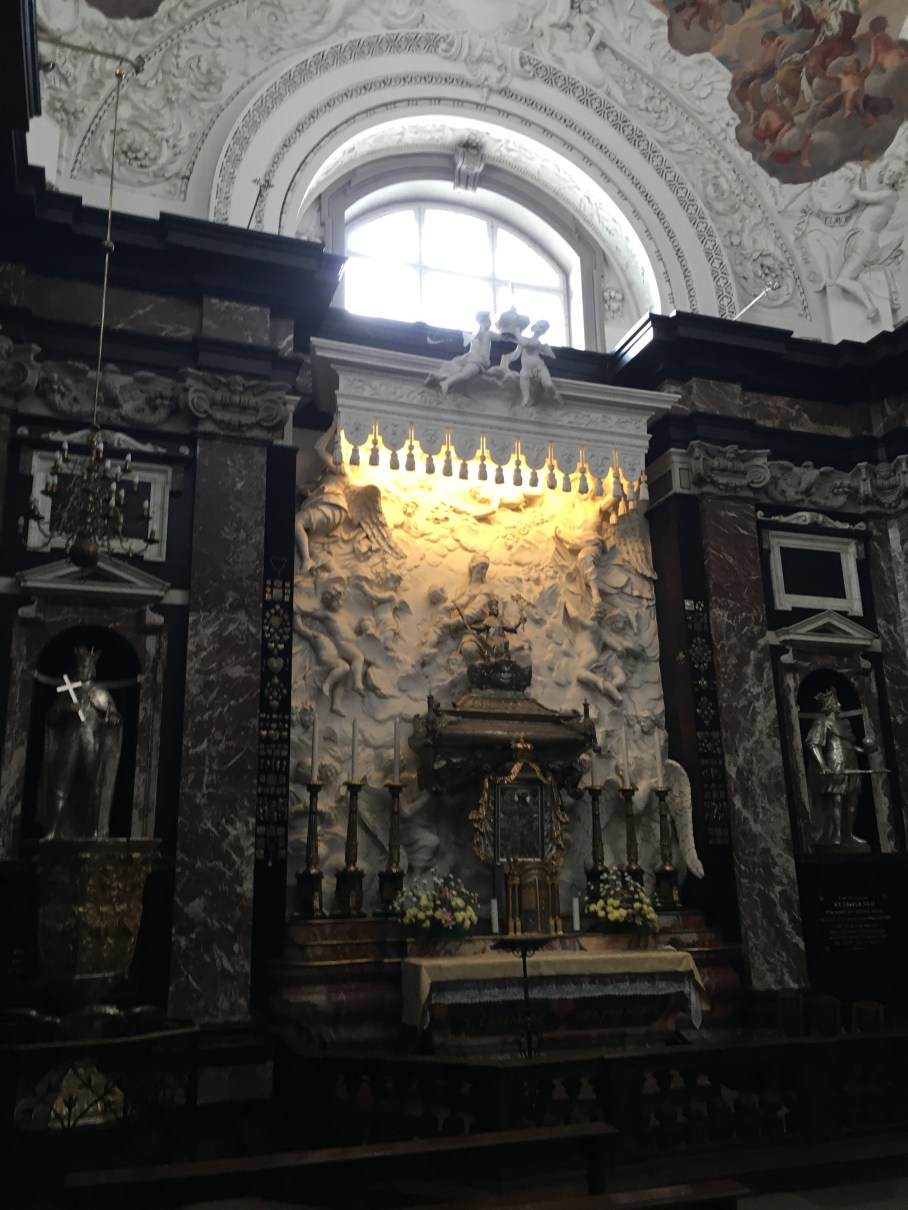
Of particular note and beauty is the Chapel of Saint Casimir, patron saint of Lithuania and son of Grand Duke and King of Poland Casimir IV. The Cathedral is lined with chapels belonging to various noble families.

img_7415img_7423img_7467

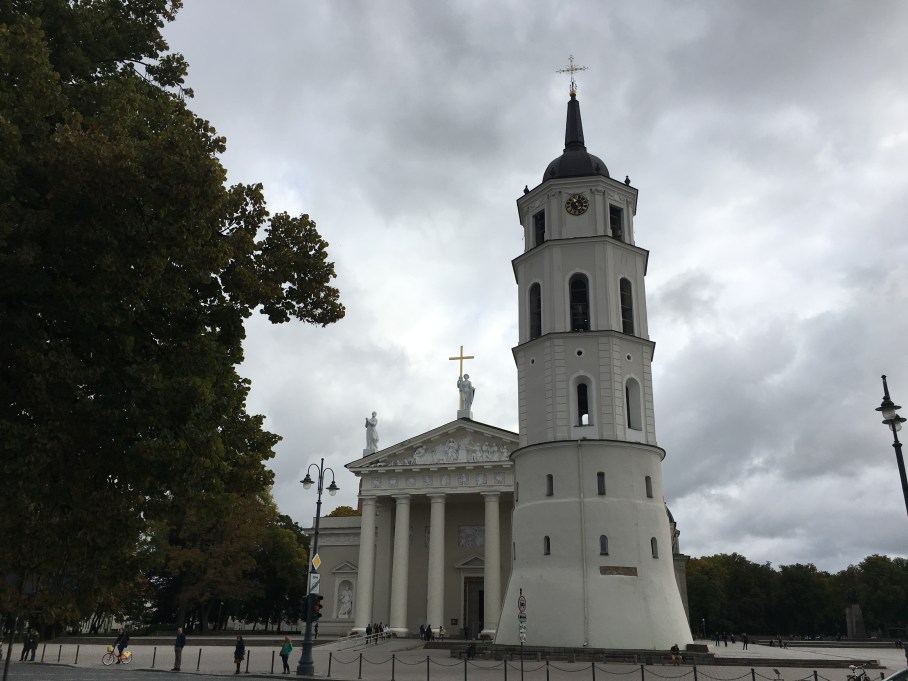
Afterwards I visited the Belfry, the bottom part of which is the only remaining portion of the Lower Castle fortification system (14th century). Throughout the centuries various tiers were added. In the 1520s it was converted into the cathedral bell tower by the addition of two tiers. In the 17th century a fourth tier was added to house a clock, of which the original mechanism is used today. Finally, in 1893, the tower was crowned with a small steeple.
img_7405

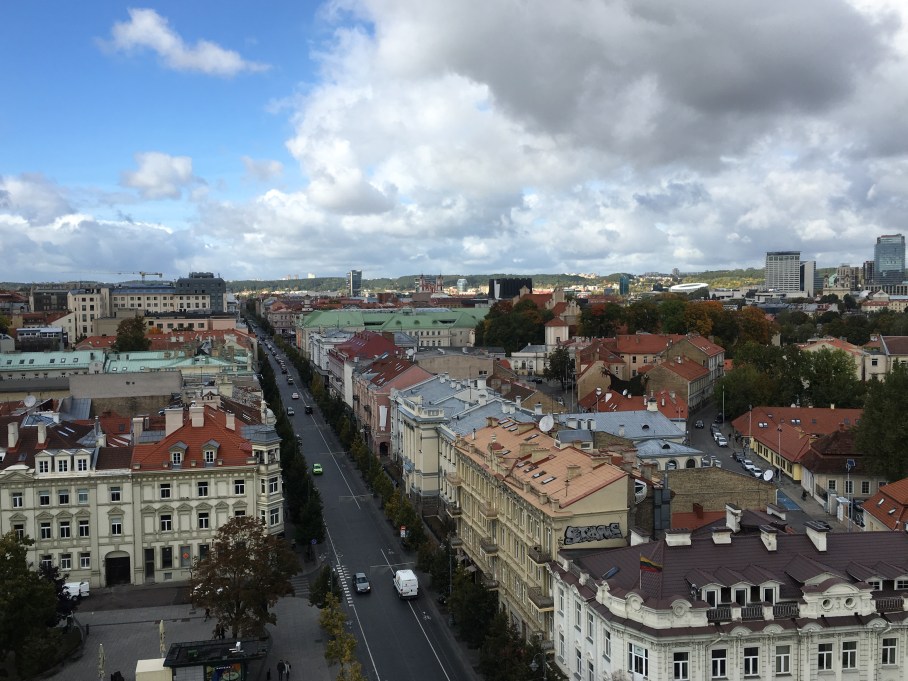
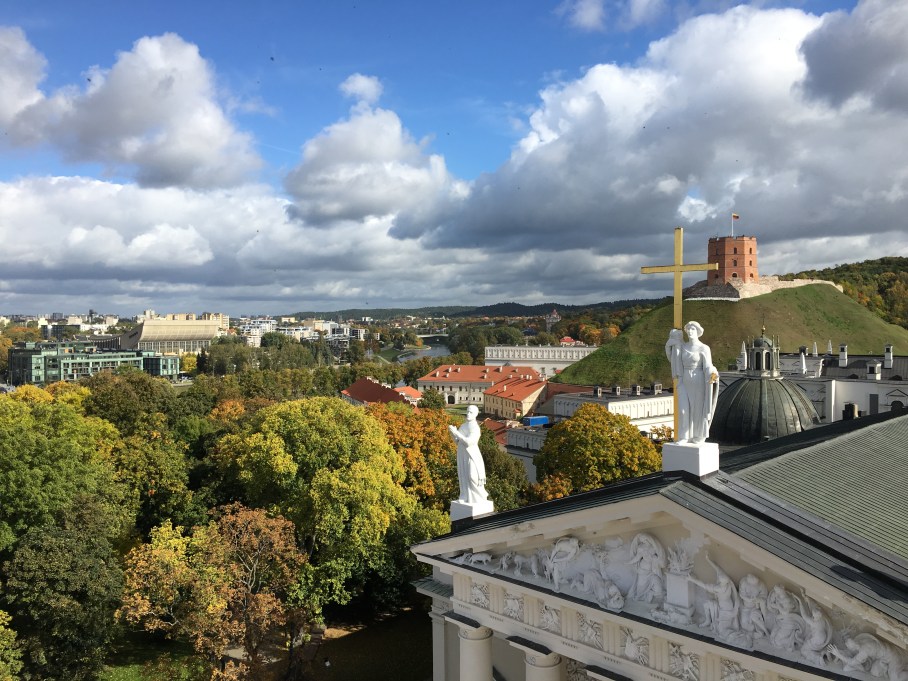
The top tier allowed for a couple magnificent views of the city, including of Gediminas Avenue and of the Upper Castle.

img_7443img_7451

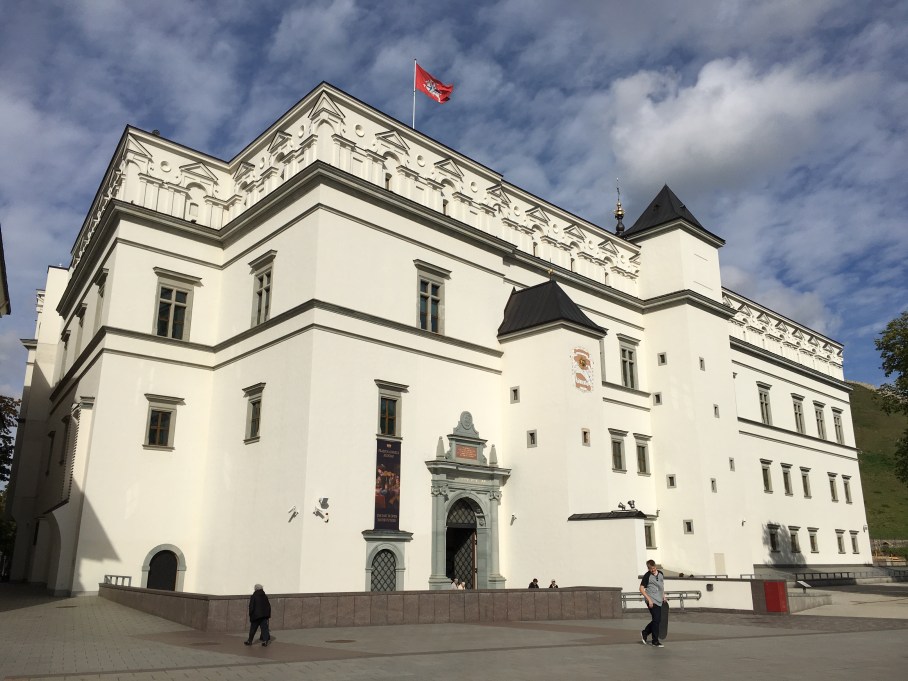
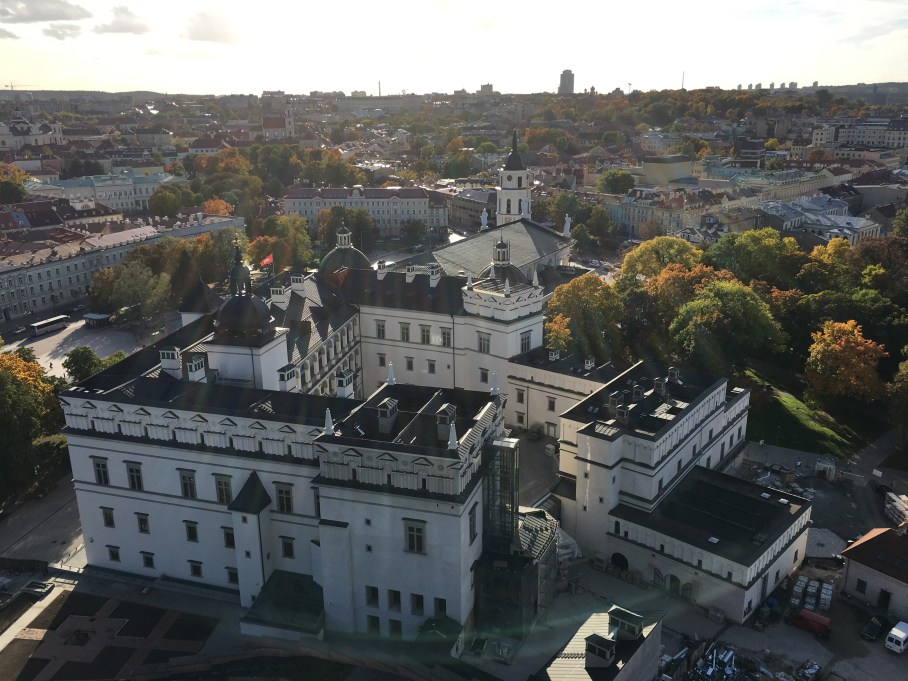
My next stop was the Palace of the Grand Dukes, controversially built atop the ruins of the Royal Palace in 2009. It is intended to replicate the original structure, but I can’t say whether or not I support the modern renovation of such an important historical marker.

img_7488

Nevertheless, the ‘Palace’ was glorious. The bottom floor was surely my favorite, the ruins of the ancient structure. Unfortunately, I was just behind a group of obnoxiously loud school children.

img_7476

I didn’t spend much time in the ensuing exhibits: although jam-packed with artifacts and historical context, I have a hard time stomaching inauthenticity. I did spend plenty of time though, as anyone who knows me would expect, perusing the massive genealogy.
img_7482

For the next few hours I studied my history in a nearby cafe.

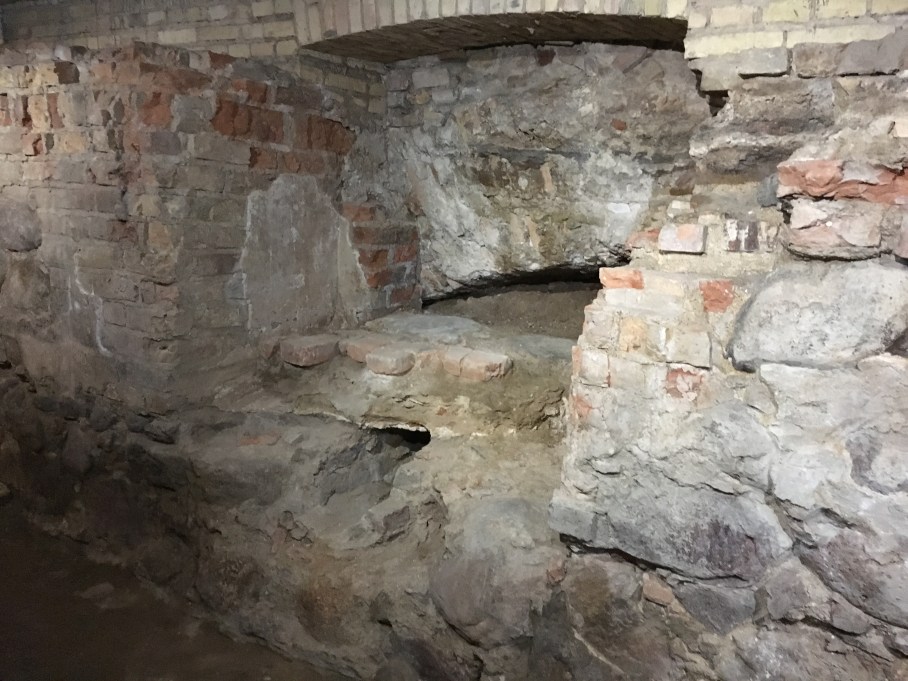
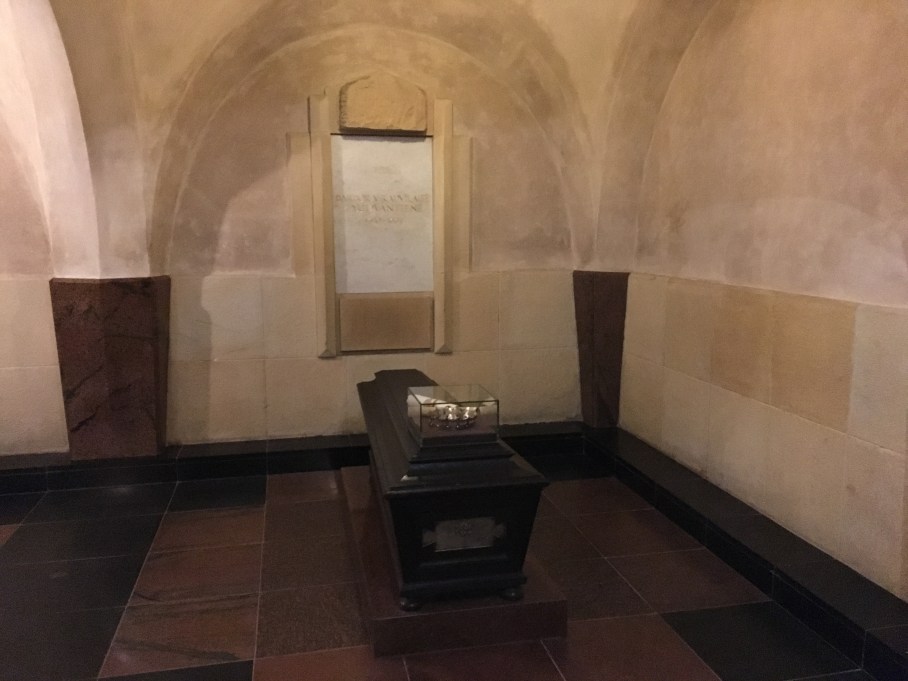
At 4:00 I had a tour of the crypt underneath the cathedral, inside of which one can find the original entrance and floor.

img_7493

Among the hundreds buried in the crypt were Grand Duke Vytautas and his two immediate successors who pledged fealty to the ‘Supreme Duke and King of Poland’ in Krakow. Their remains have yet to be located.

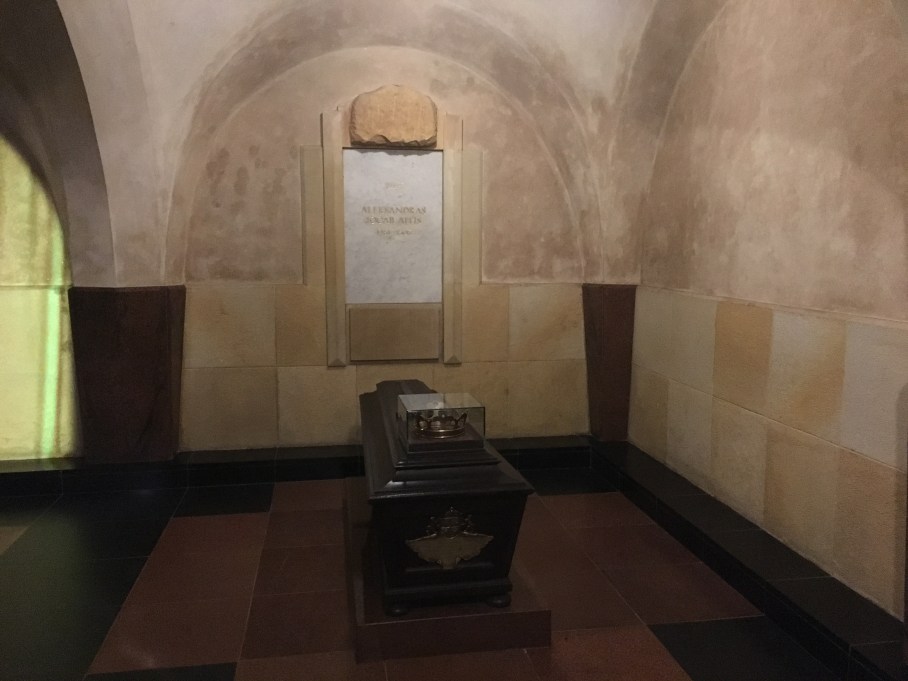
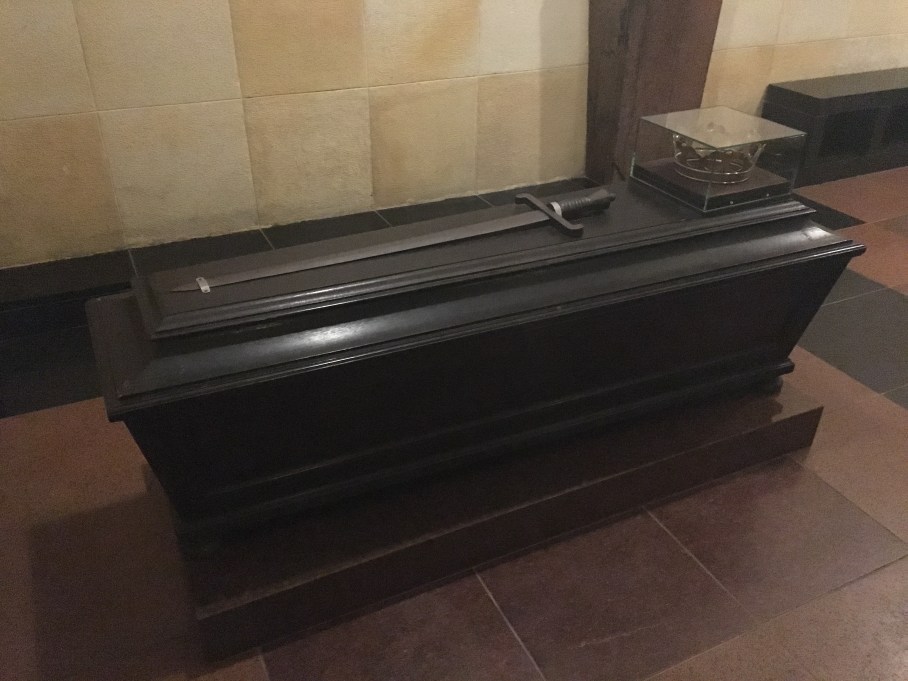
Unlike his predecessors and successors who preferred Krakow, Grand Duke and King of Poland Alexander resided and is buried in Vilnius.

img_7509img_7513

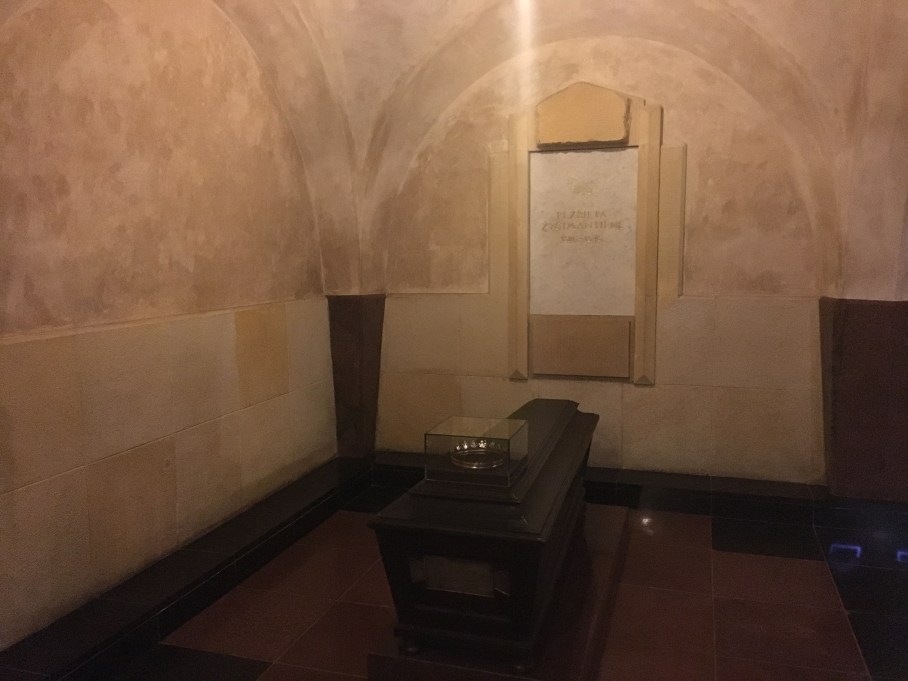
Other prominent interred include wives of Sigismund Augustus, Elizabeth Habsburg and Barbara Radziwill. The latter is revered in Lithuanian tradition for her beauty and spirit.

img_7511 img_7507

The heart of Grand Duke Wladyslaw Vasa was originally preserved there, but has since been destroyed.

img_7504

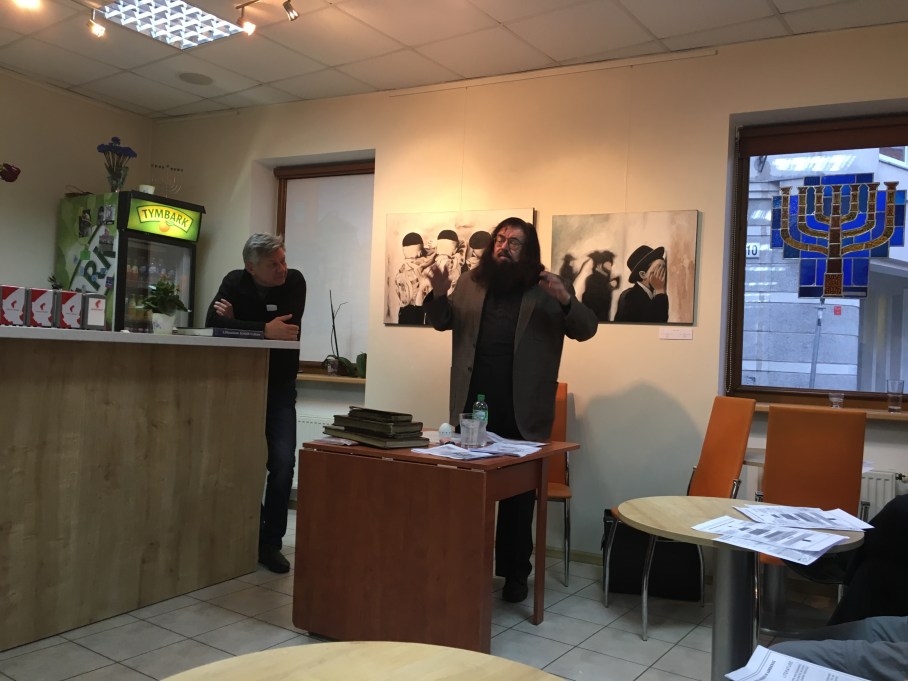
Following my tour I walked to the Jewish Cultural and Information Center for a Q and A with Professor Dovid Katz. He spoke primarily about the origins and future of the Lithuanian Jewish (Litvak) community, as well as the Litvak dialect of Yiddish (Litvish). He suggested that Zionism has had a detrimental, if not disastrous, effect on the Yiddish language and preservation of Yiddish identity. Young Ashkenazim learn Hebrew and identify ancestrally with Israel, but their ancestors didn’t speak Hebrew or live in Israel for thousands of years- they lived in shtetls and spoke Yiddish. It was so nice to hear  recurring thoughts of mine worded so eloquently.

img_7514

After the lecture I traveled with a group to a restaurant nearby. Dovid introduced me to Rabbi Samuel Jacob Pfeffer and asked that I provide him with technical assistance. Rabbi Pfeffer, dean of the Jewish Rabbinical Court of Lithuania, is a descendent and renowned scholar of the legendary Gaon of Vilna.

I ate Mexican for dinner and then slept.

28 September 2016

History was canceled today.

Bussed to the embassy early this morning to complete my absentee voter registration.

img_7397

Had a delicious tuna bagel at the Jewish Museum.

Asked around for a place to buy cheap earphones- mine broke. Was directed to a discount store. Ended up finding a plastic 32-key piano for 45USD. I’d intended to explore the city, but was so excited that I went straight home to play. It’s the crummiest thing I’ve ever used, but it’s better than nothing.

25 September 2016

Took an early afternoon bus to Pylimo street in anticipation for the night’s events. Had Mexican for lunch.

Spent the next few hours at various cafes trying organize my shtetl stops. To be honest, I’ve had quite a bit of anxiety about planning my travels to perfection, and I think it has (ironically) kept me from making the most of my time thus far. Before arriving in Vilnius I had this dream of a semester spent with travels interspersed throughout, weeks spent organizing glorious weekends each dedicated to a specific ancestral town. I didn’t consider the necessity of specialized tour guides, their cost, or the cost of a rental (most towns are unreachable by train or bus). It looks like the most cost efficient route will be to hire a guide for three days, two shtetls a day, thus accomplishing the 6 Lithuanian shtetls (excluding Vilnius) in just one weekend. As Dad says, I can always go back. I should be able to accomplish the others shtetls (outside of Lithuania) via 1 trip to Poland, 2 trips to Belarus, and 1 stop in Ukraine on my way home.

Needless to say, this does not include the various trips that I intend to take to cities of general interest: Kaunas, Siauliai, Panevezys, Druskininkai, Kernave, Rumsiskis (Lithuania), Riga (Latvia), Tallin (Estonia), Warsaw, Bialystok, Lublin (Poland) etc. Fortunately, these excursions won’t require nearly the same amount of preparation, as they are all reachable by train or bus and do not necessitate a tour guide (just my handy-dandy guidebook).

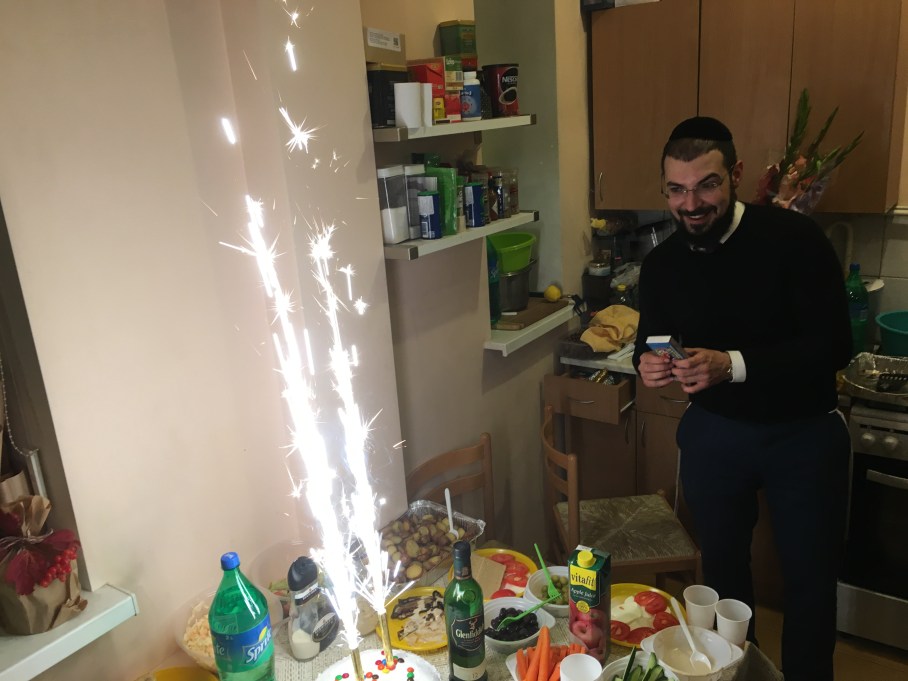
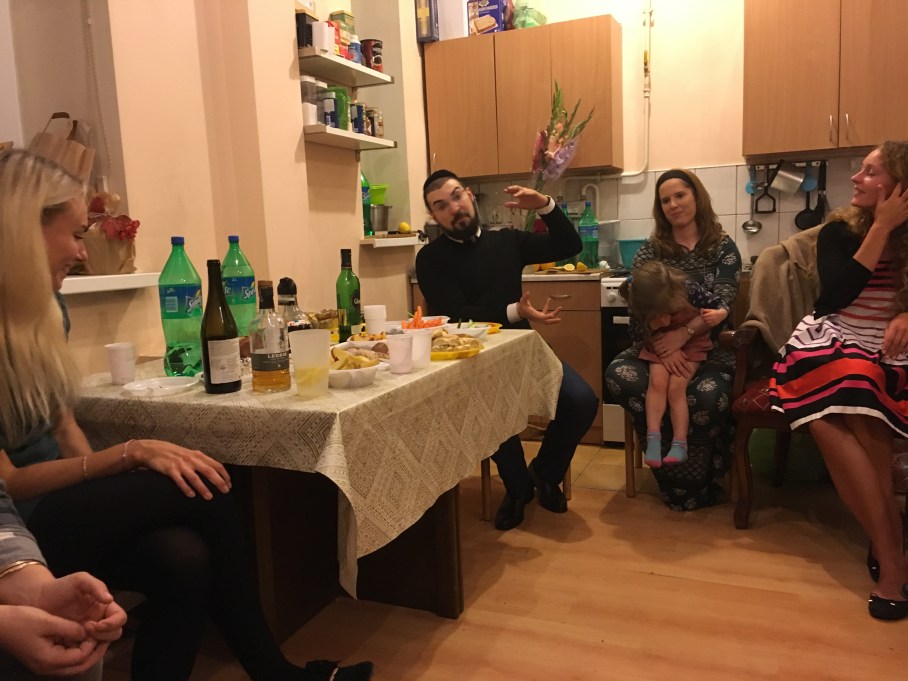
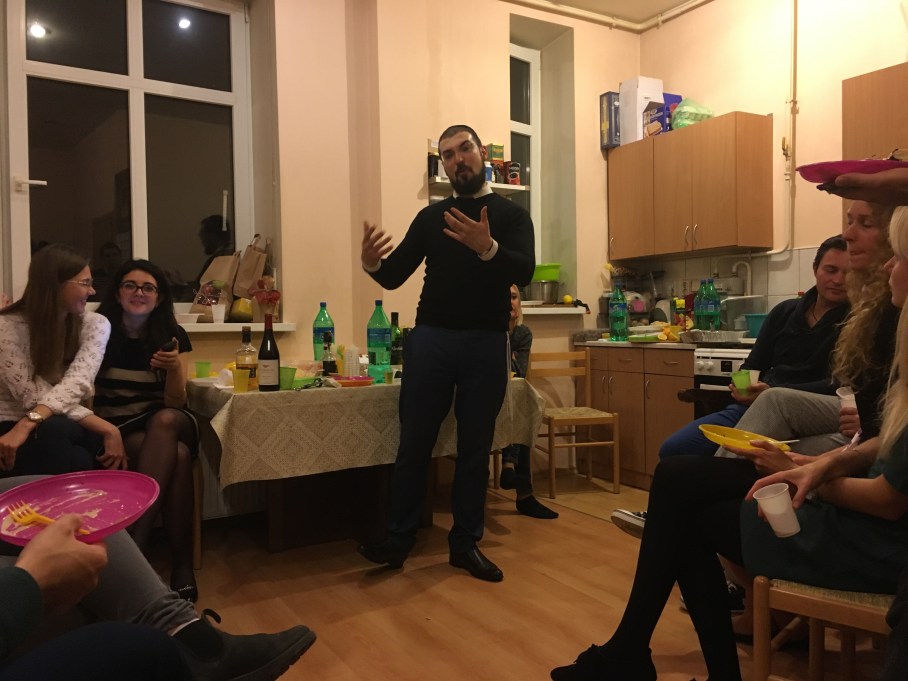
Spoke to mom and grandparents before heading to the Rabbi’s home to celebrate his 29th birthday. I was invited by Amit, president of Lithuanian Union of Jewish Students. Rabbi Shimson Izakson arrived in Vilnius only a few months ago after a scandal resulting in the termination of Chief Rabbi Chaim Burshtein. Rabbi Izakson is a native of Belarus and attended Yeshiva in Israel. Along with Rabbi Krelin, also hired to fill the void left by Burshtein, Rabbi Izakson is one of three Rabbis in Vilnius- the other being a Chabadnik.

img_7351

It was an extremely pleasant night. I met a bevy of Litvaks including multiple students and the enthusiastic Rabbi imparted wisdom. Food was provided, I was handed leftovers before departing, and I was even given a ride home.

img_7355img_7346